

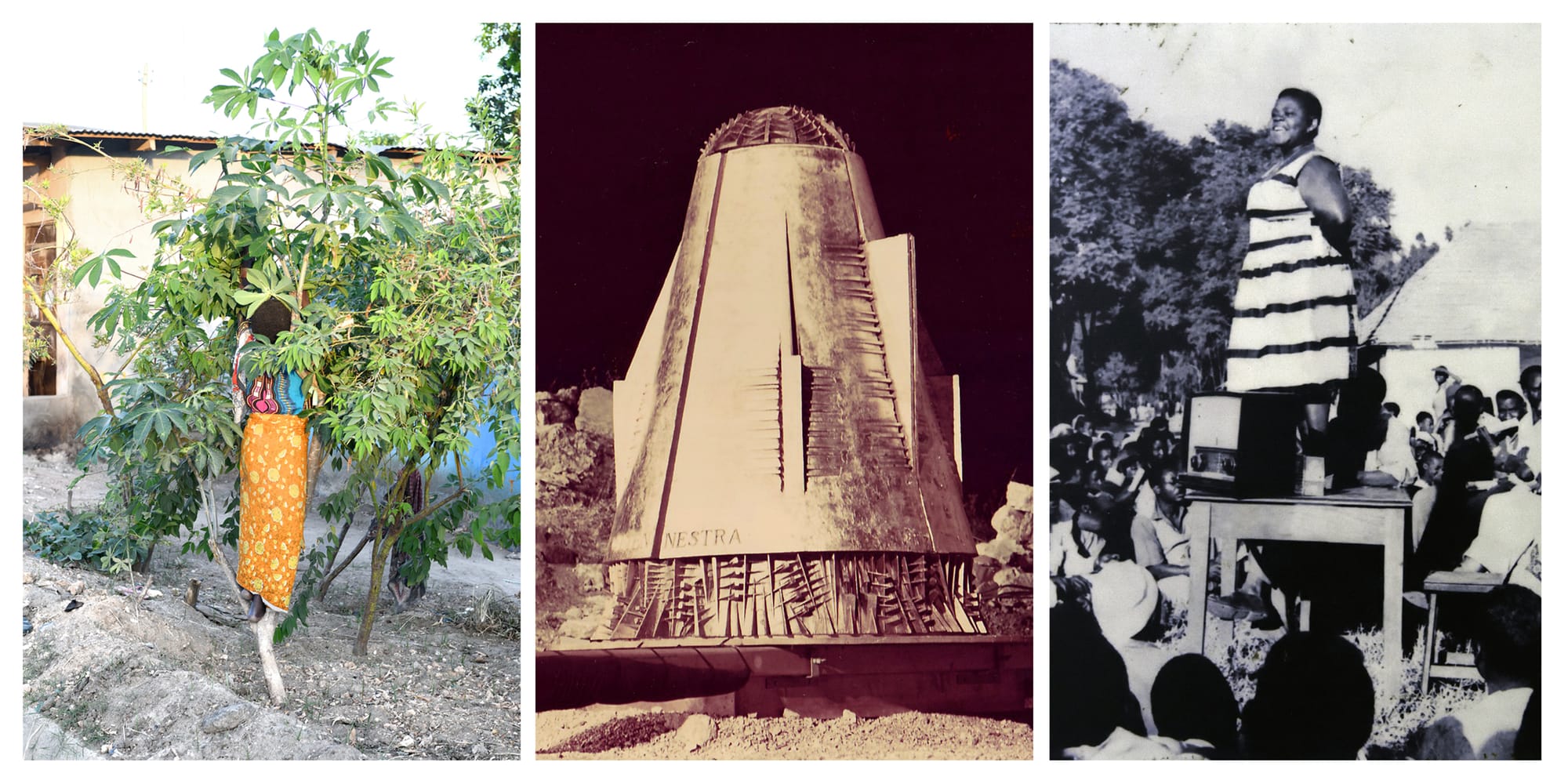
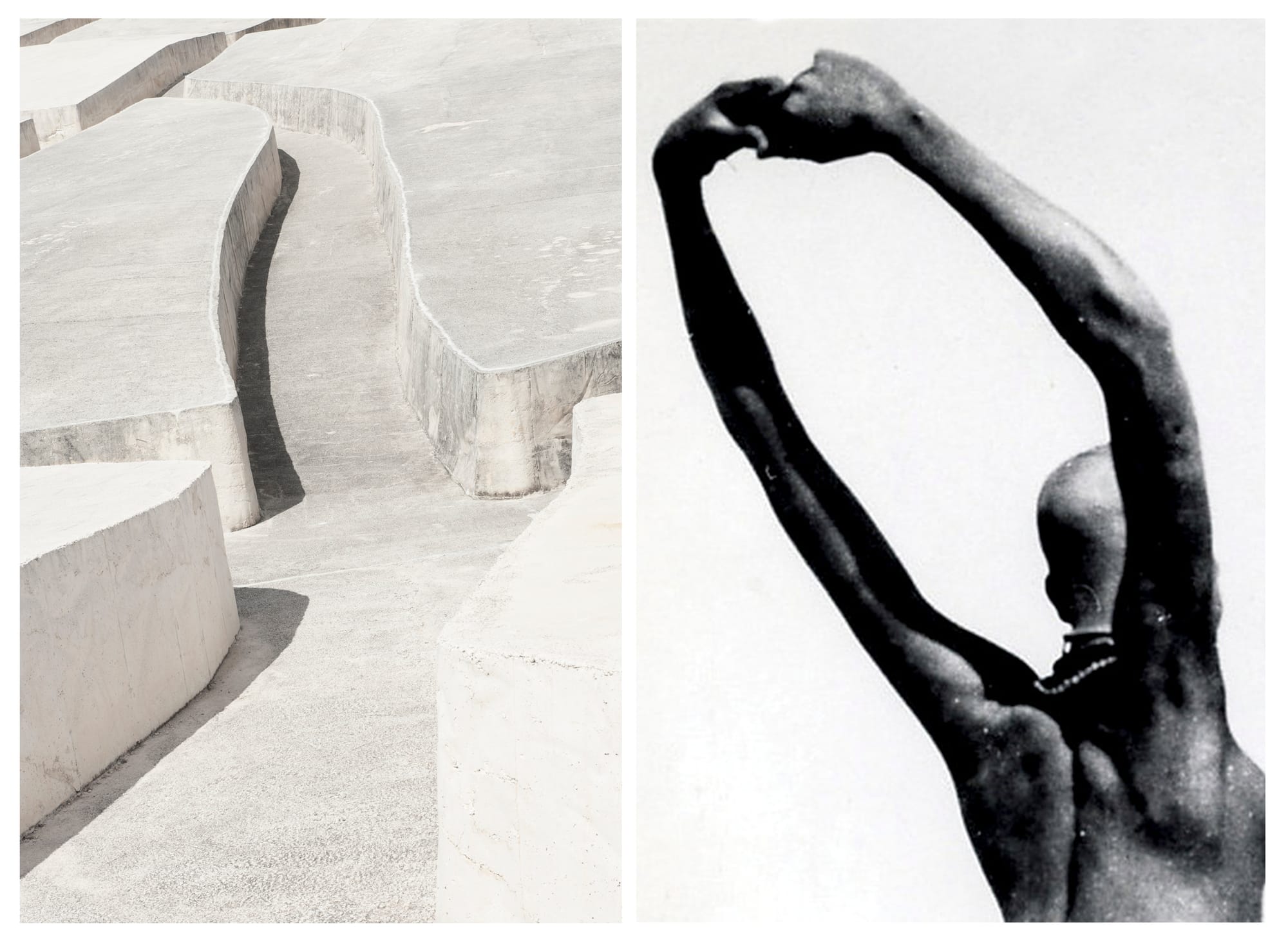
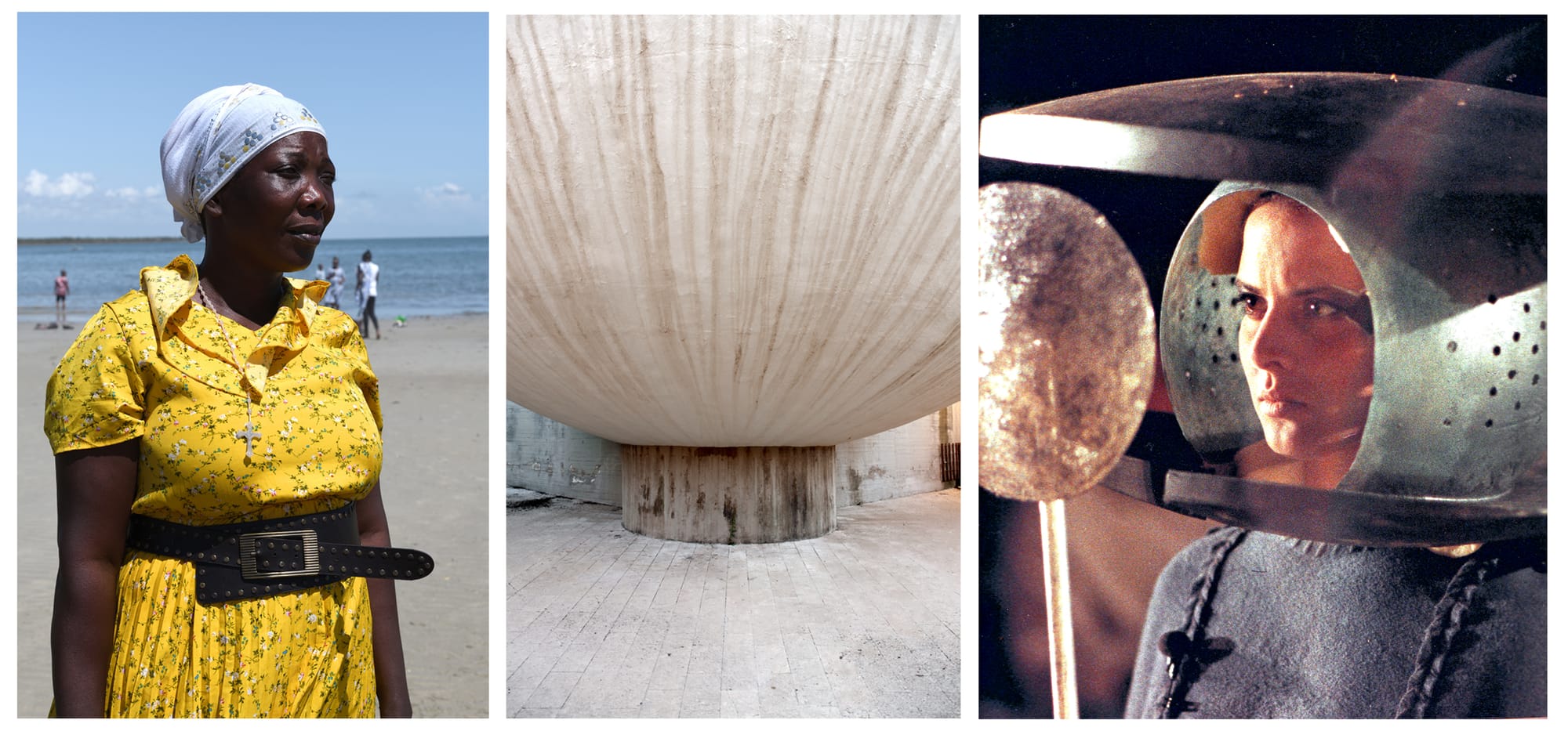
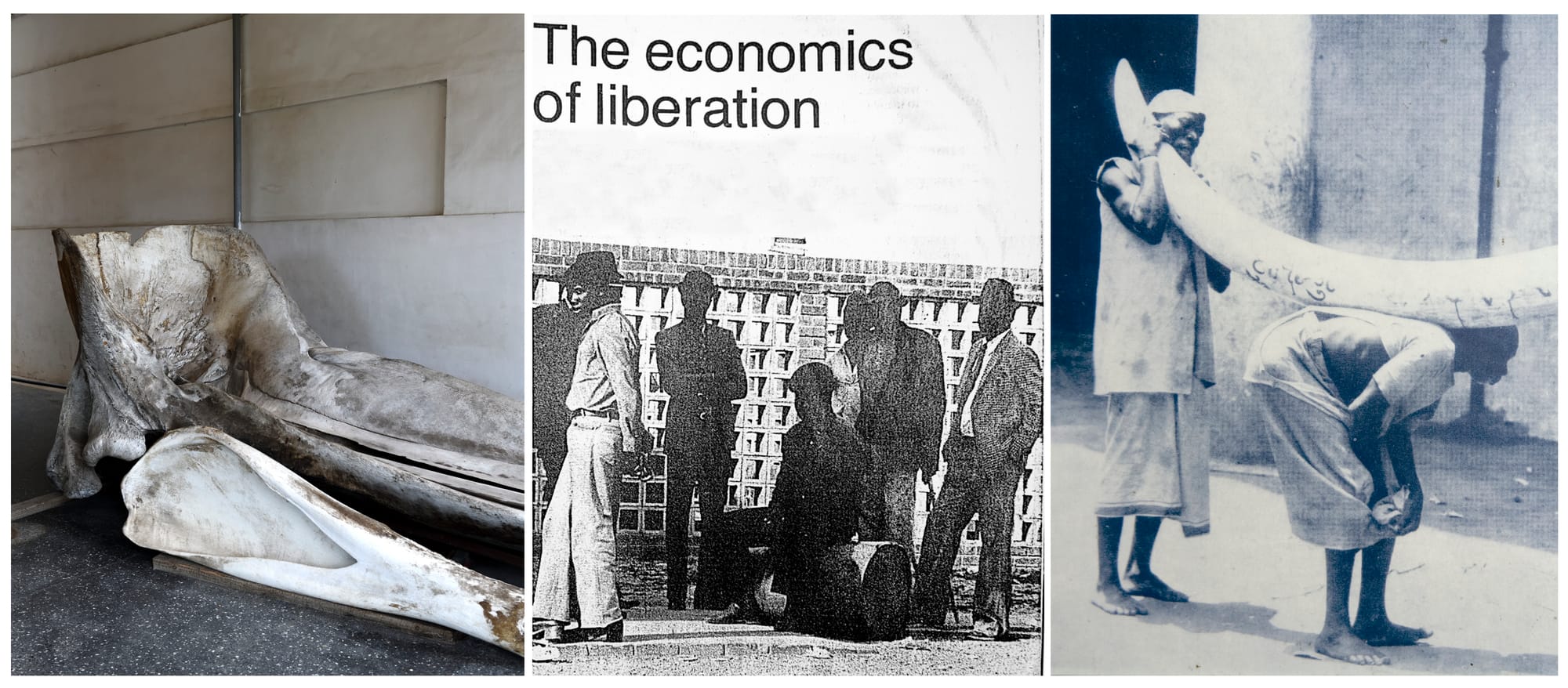
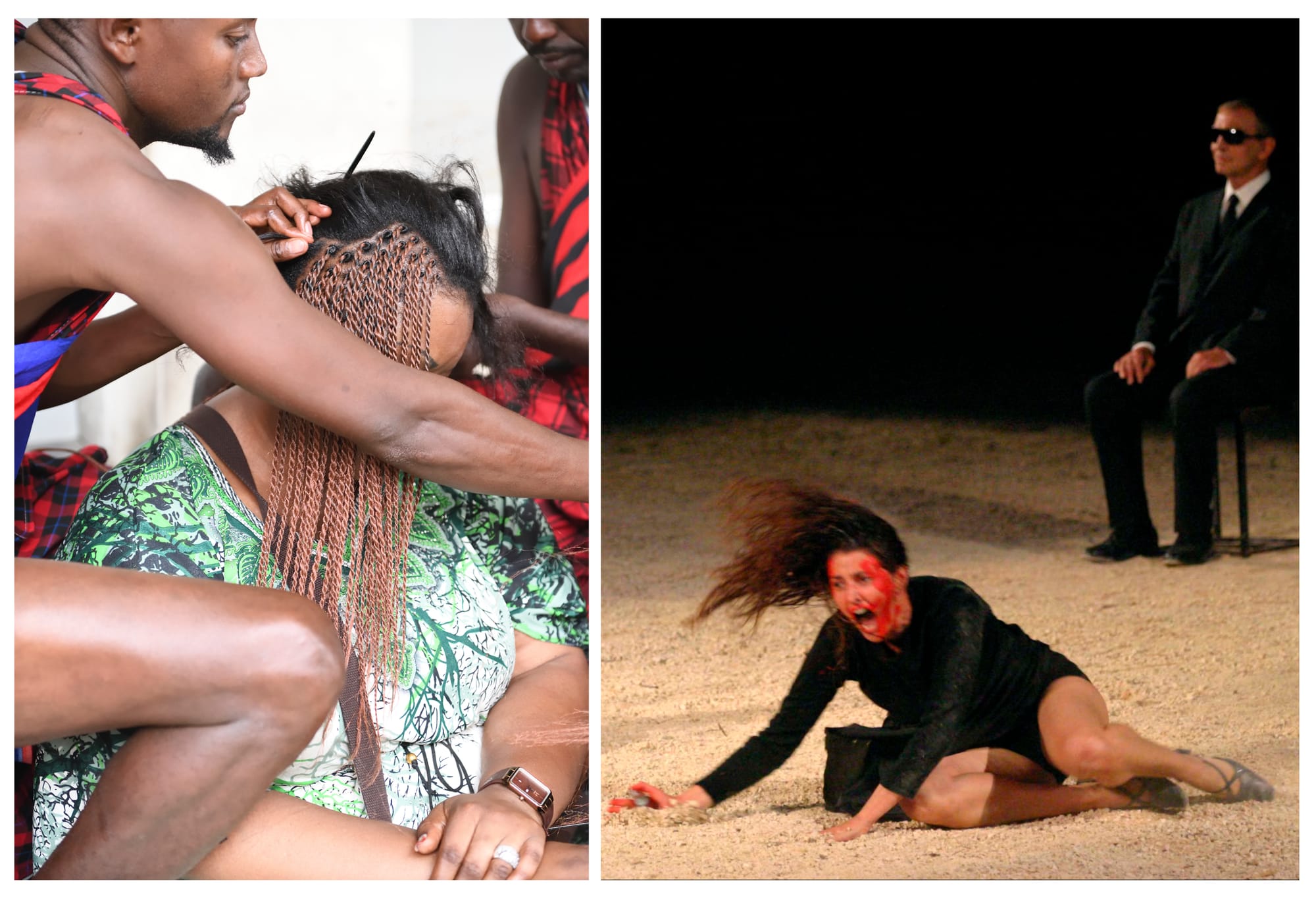
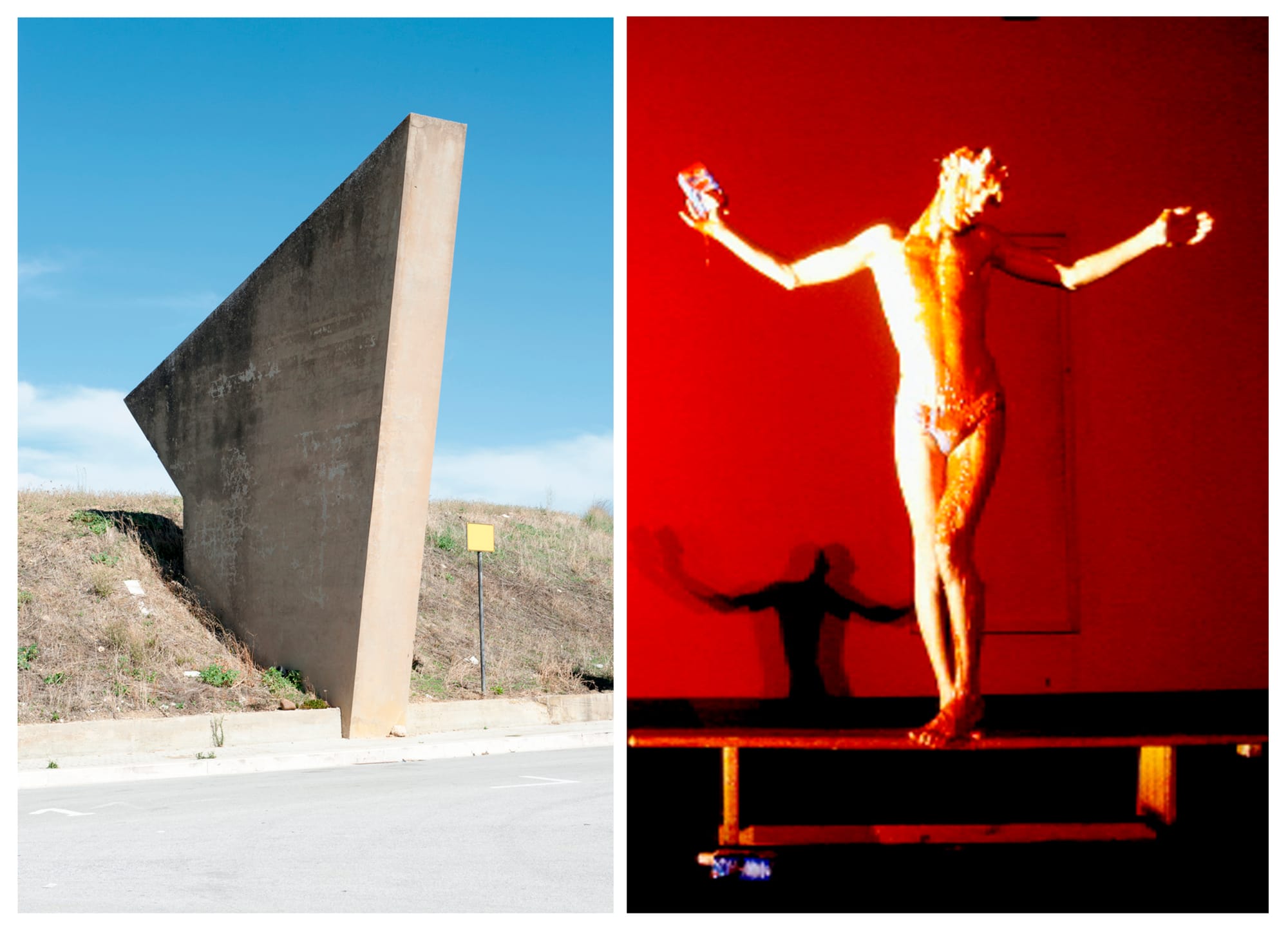
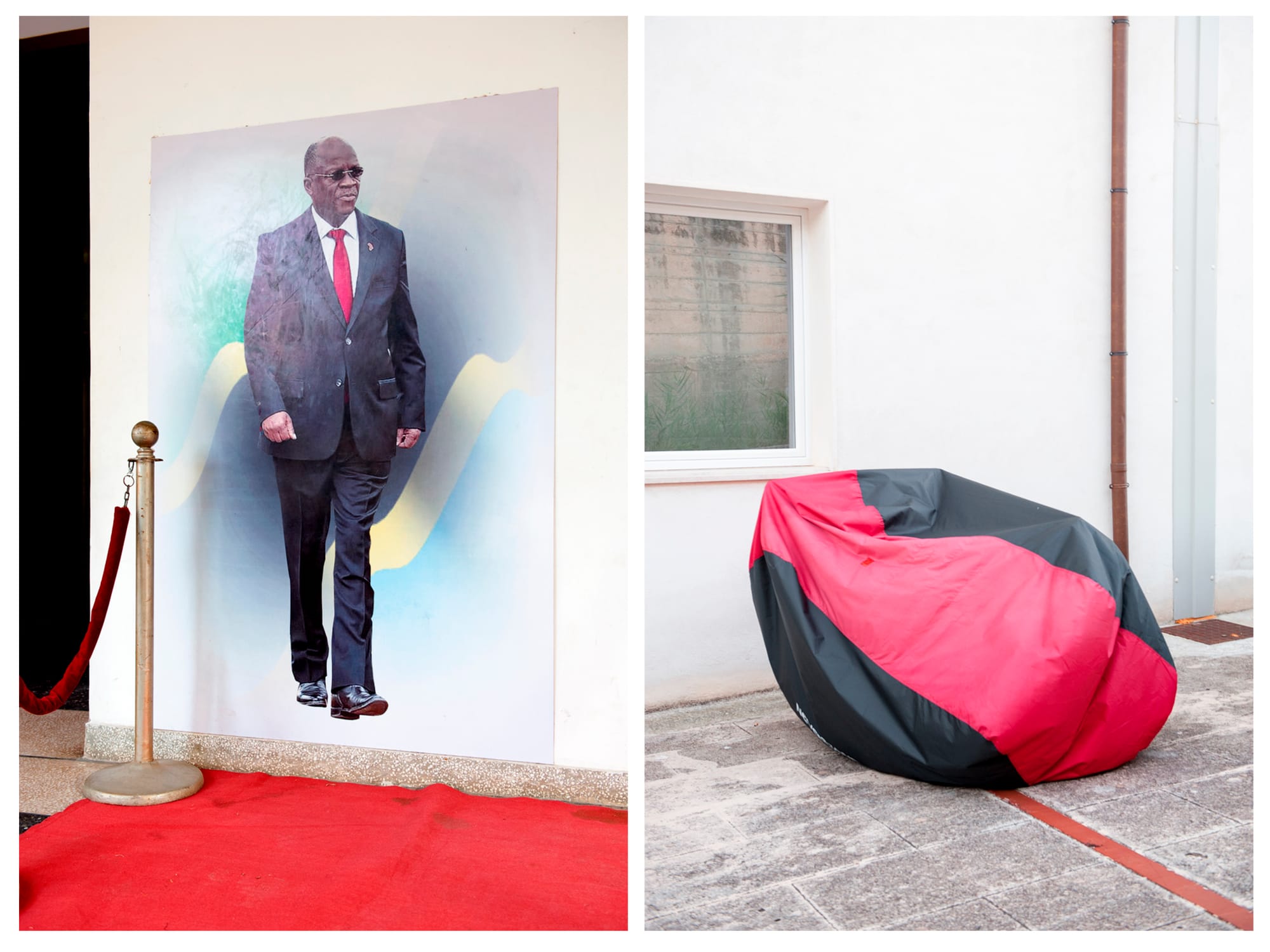
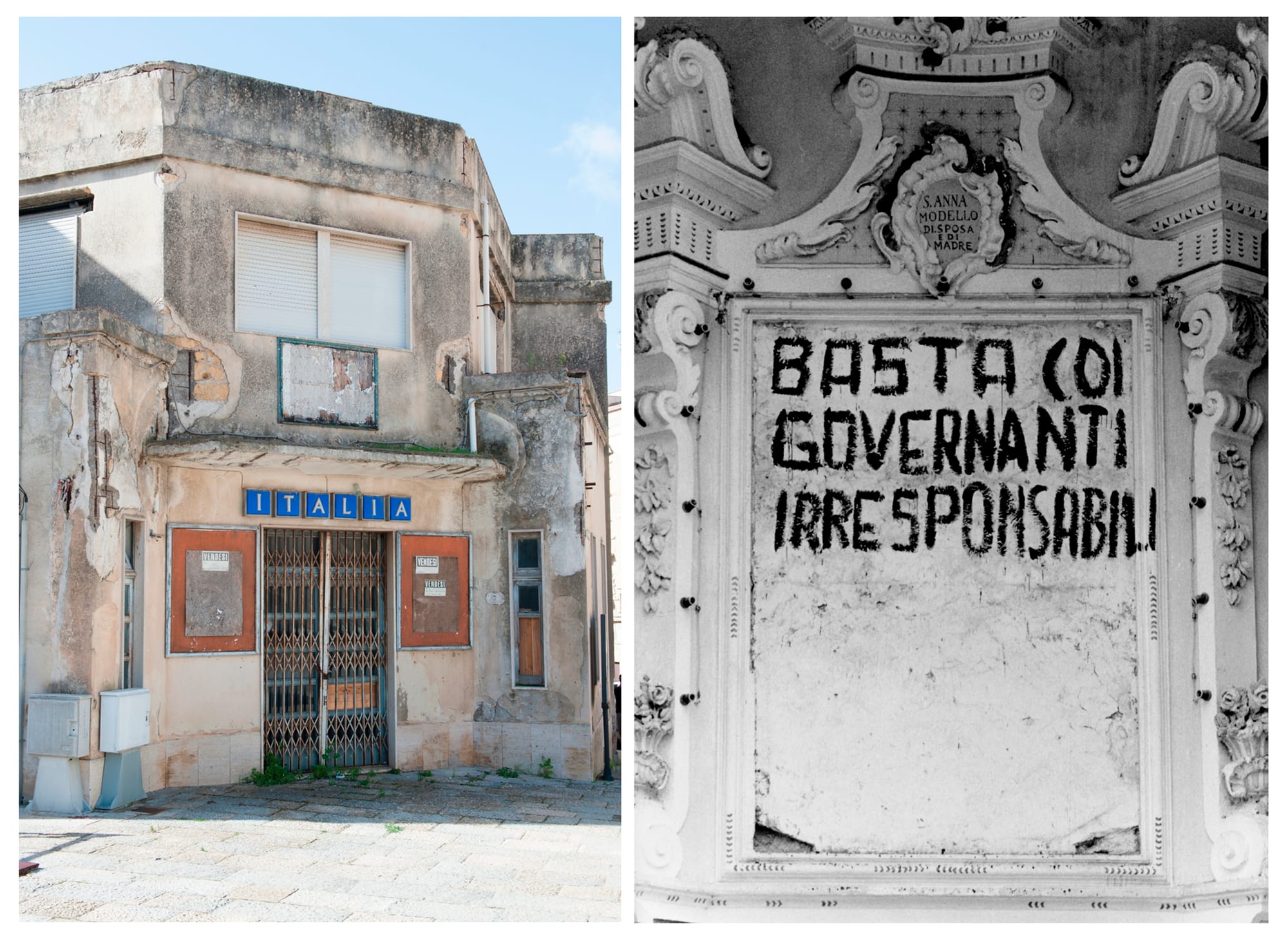
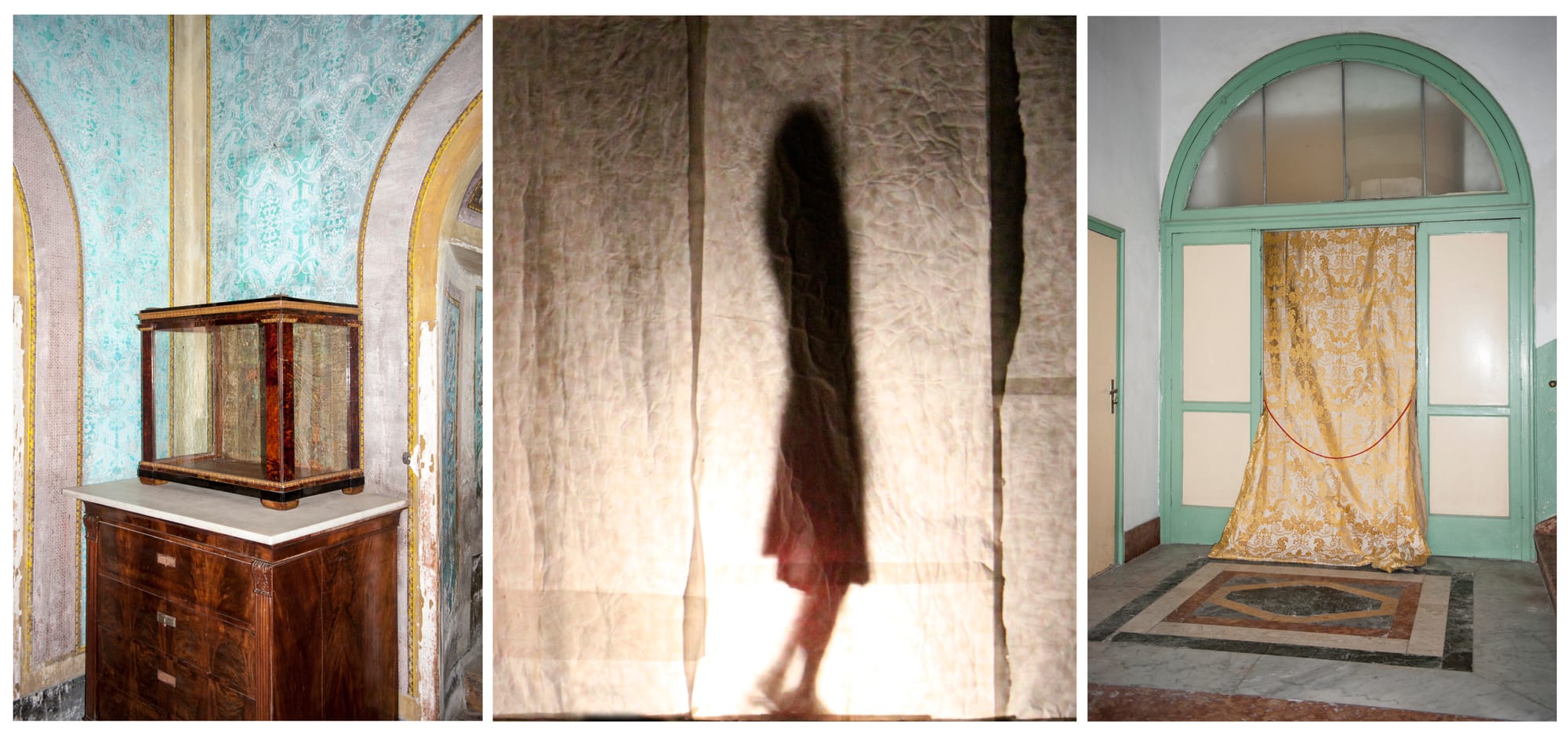
Between 1968 and 1969, Pier Paolo Pasolini shot scenes in Uganda and Tanzania that were to become part of an African version of Aeschylus’ Oresteia, as part of an even larger project: Notes for a Poem about the Third World. Although the film was never completed, the surviving footage and commentary evolved into a powerful reflection on decolonisation, democracy, myth and historical transformation. Conceived as a cinematic sketch rather than a finished work, it occupies a unique position between documentary, political essay and speculative fiction.
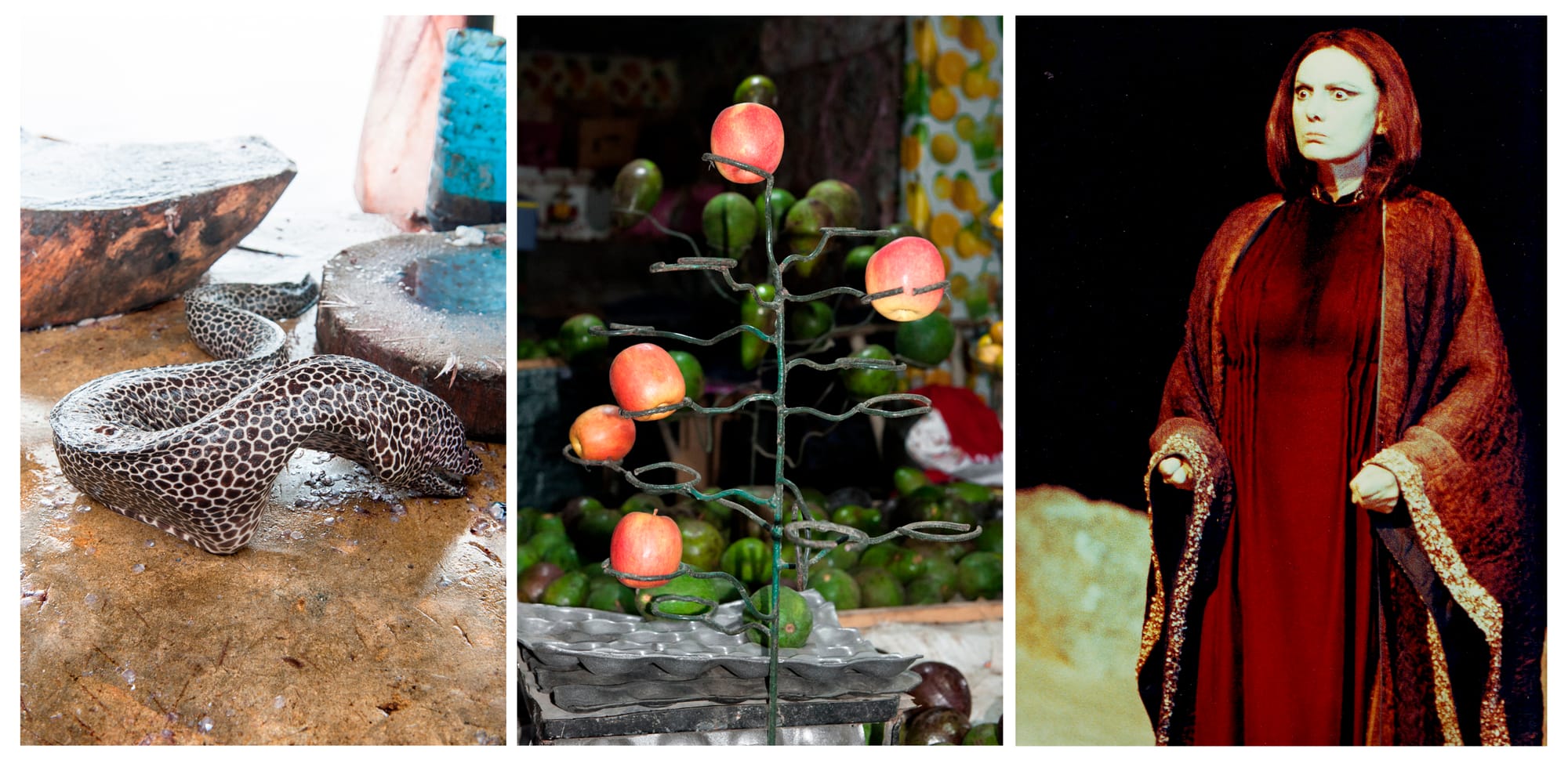
At the centre of the film lies the transformation of the Erinyes, ancient deities of vengeance and blood justice, into the Eumenides, protectors of a new civic order. Through the intervention of Pallas Athena and the establishment of a tribunal, cycles of revenge give way to a system based on law and collective judgement. Frequently interpreted as the mythical foundation of the first democratic court, this passage symbolises the transition from an archaic world governed by ritual, kinship and instinct to a political order founded on reason and democratic institutions.
Yet the film’s central concern is not the triumph of democracy but the tension generated by this transformation. The democratic order emerges not through the disappearance of the old forces but through their incorporation into a new framework. The Erinyes are transformed, not erased. Tradition and modernity, myth and reason, memory and progress remain in a state of fragile coexistence.
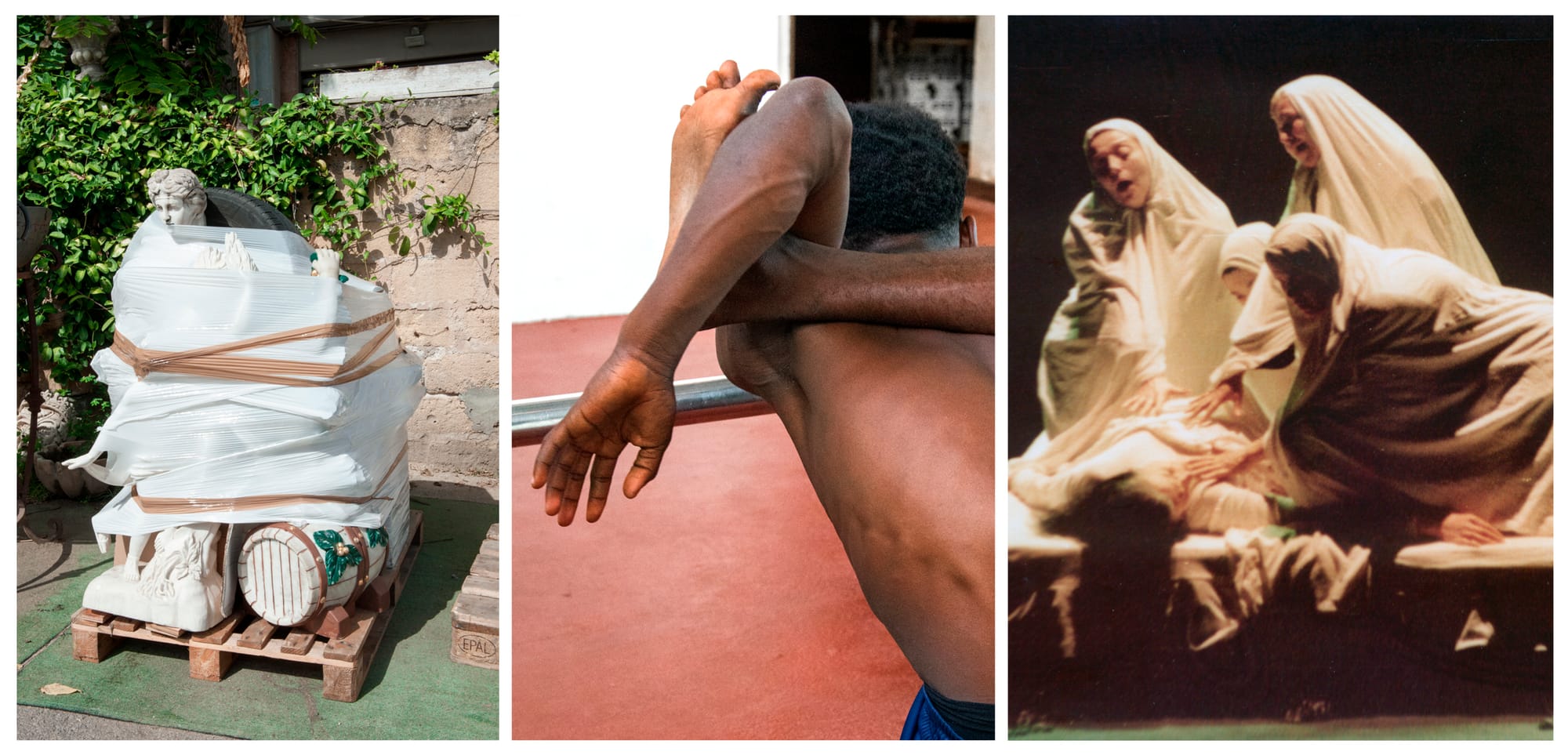
Pasolini believed that the newly independent African nations embodied a similar historical condition. Rather than following a linear path towards modernity, they revealed the simultaneous presence of different temporalities and systems of knowledge. The ancient world persisted within the contemporary one, challenging dominant narratives of development and progress.
A debate with African students included in the film further destabilise any authoritative position, questioning both the universality of Western democratic ideals and the legitimacy of interpreting African realities through European cultural frameworks. These exchanges expose the limits of the colonial gaze and transform the film into a space of self-critique.
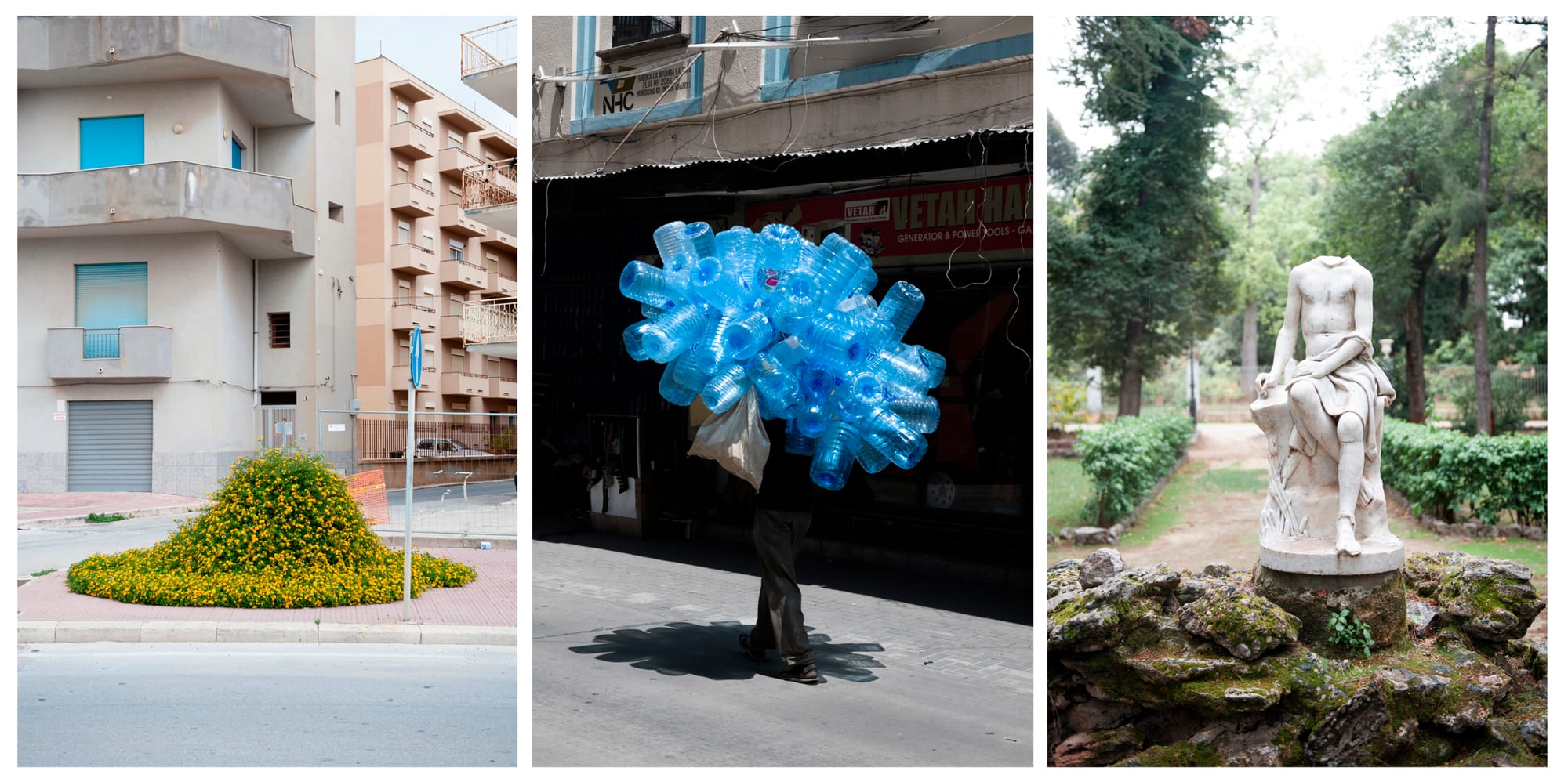
More than five decades later, Appunti per un’Orestiade Africana remains a powerful meditation on democracy as an unfinished process. Democracy appears not as a final resolution but as a condition of permanent negotiation.
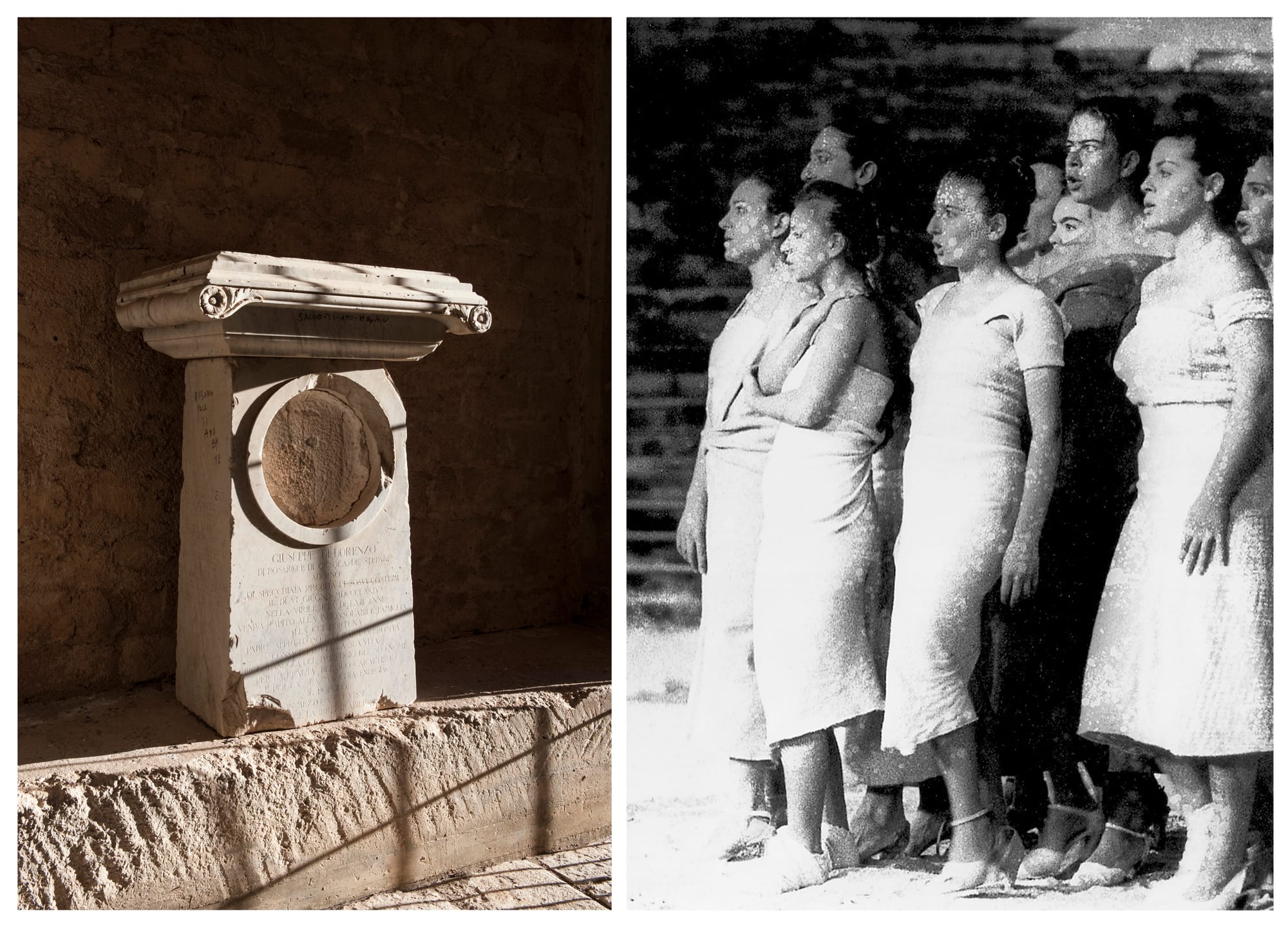
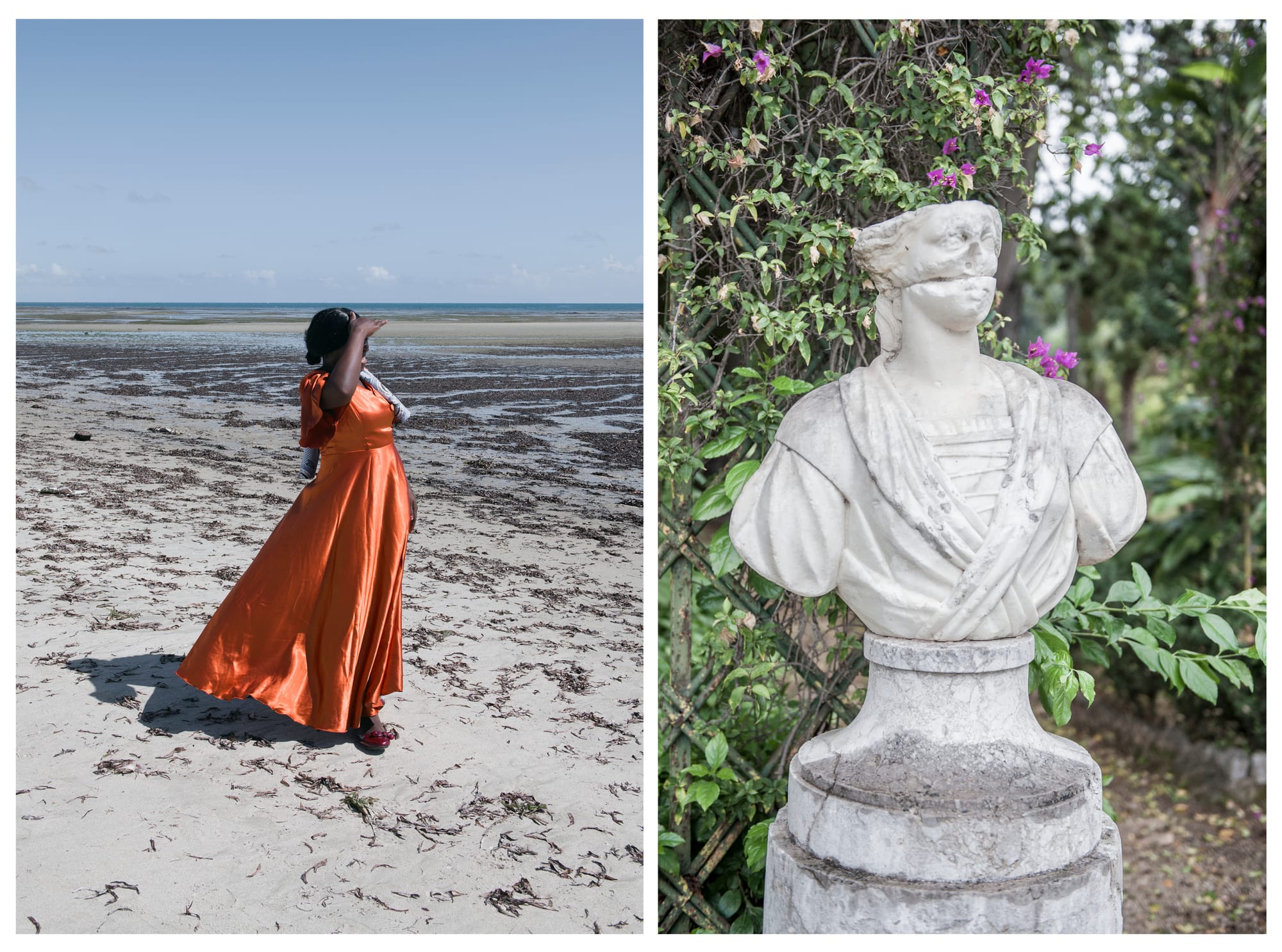
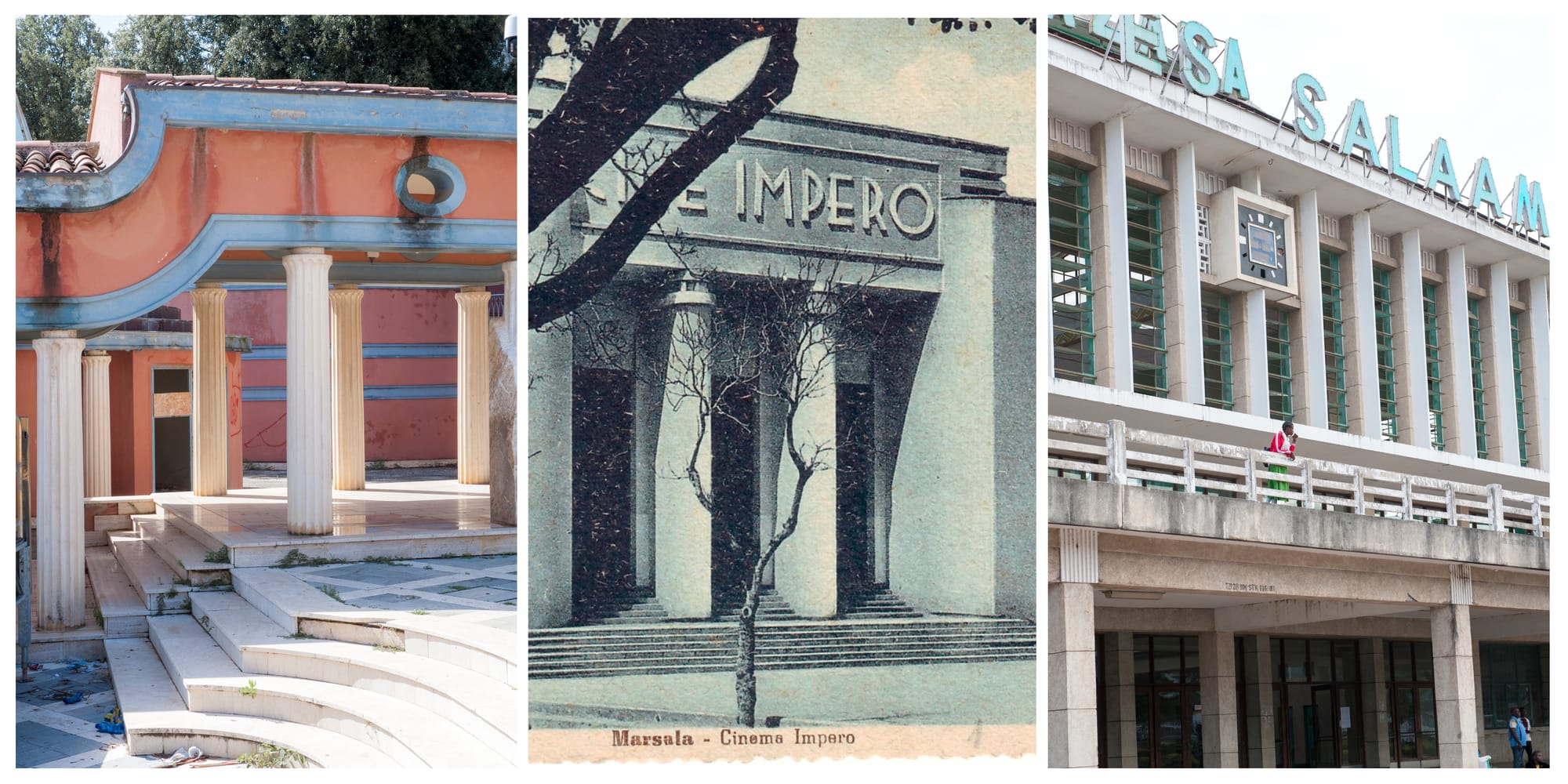
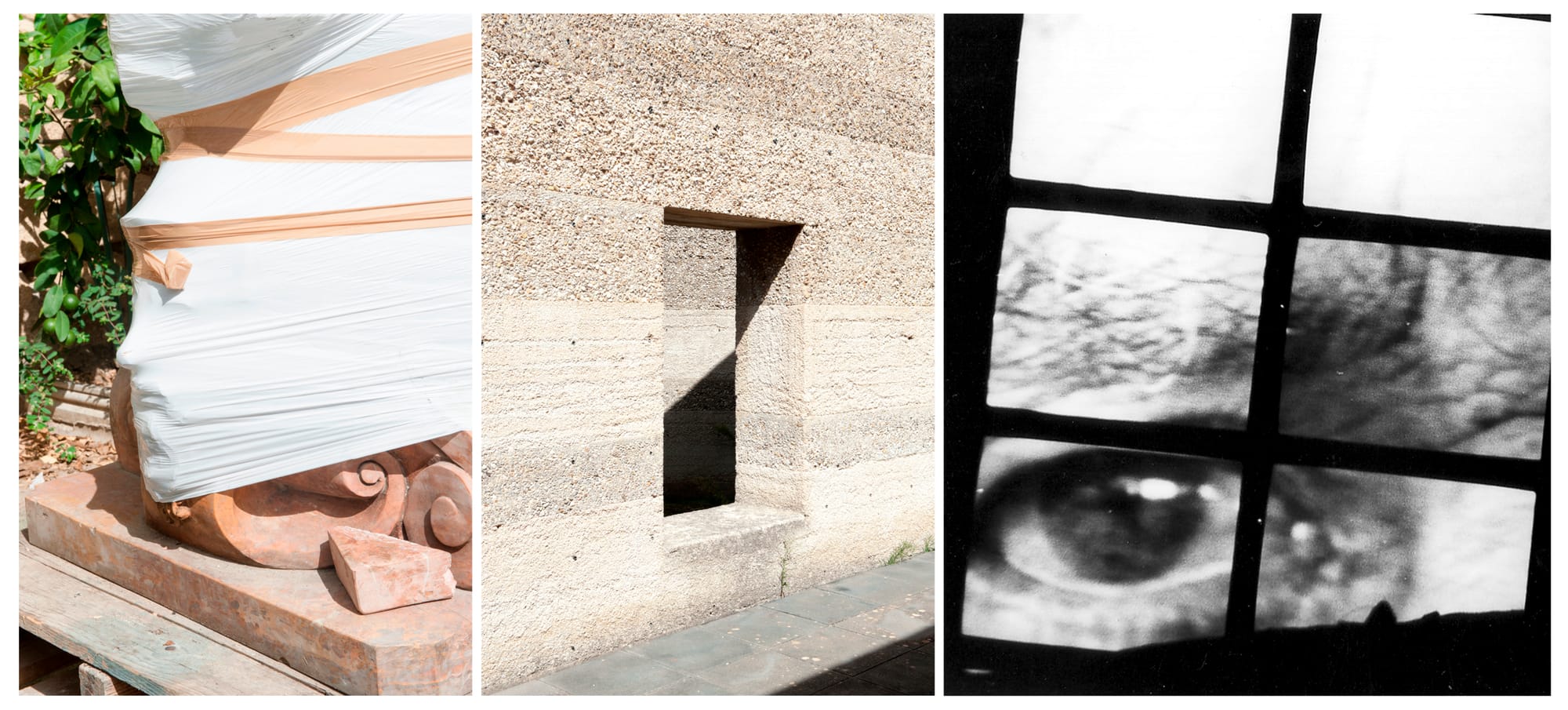
Author biography
Bachelor of Fine Arts(UCM).Lived 3 years in Mali researching in the construction of the Idea of Africa and ‘Otherness’,processes of colonization/decolonization,new strategies of colonialism and heterogeneity in African feminisms.She diversifies her professional activity between cinema,photography and teaching;mainly working in the African continent.After her Master at Blankpaper,her work is shown at international venues as FOTOFESTIWAL,FORMAT,ORGAN VIDA,KaunasFoto,PhotoEspaña,Athens Photo,LagosFoto,Museum of Photography Thessaloniki,Singapore International Photo Festival,Photo Marseille,Odessa Foto Days,Biennale Für Aktuelle Fotografie,Helsinki Foto,Copenhague Photo,Festival Internacional de Belo Horizonte.
Photobooks: PICNOS TSHOMBÉ (Landskrona Photobook Award 2017),WOMAN GO NO’GREE (VEVEY IMAGES Photobook Award,APERTURE PARIS PHOTO Best Photobook of the Year 2020). Artist-in-residence at Ranchito Matadero Nigeria/South Africa, Galerie21|Vorwerk-Stift(Hamb),Fondazione Orestiadi(Sic)Nubuke Foundation(Gh)Museum Egizio(It)
Nominations:Prix Elysée 2022-24,Foam Paul Huff Award 2023,Deutsche Börse Award 2024
Awards:Lensculture Critic’s Choice 2024,Passepartout Photo 2024,FotoSlovo 2024,Fotografía Europea 2022,Fotofestiwal Grand Prix 2019,Encontros Da Imagem Discovery Award 2018,PHOTOMED 2019,Meitar Award for Excellence in Photography PHOTO IS:RAEL 2019,PhotoChronicles Portrait Award 2019….among others.
Her projects have appeared in several prestigious international publications