

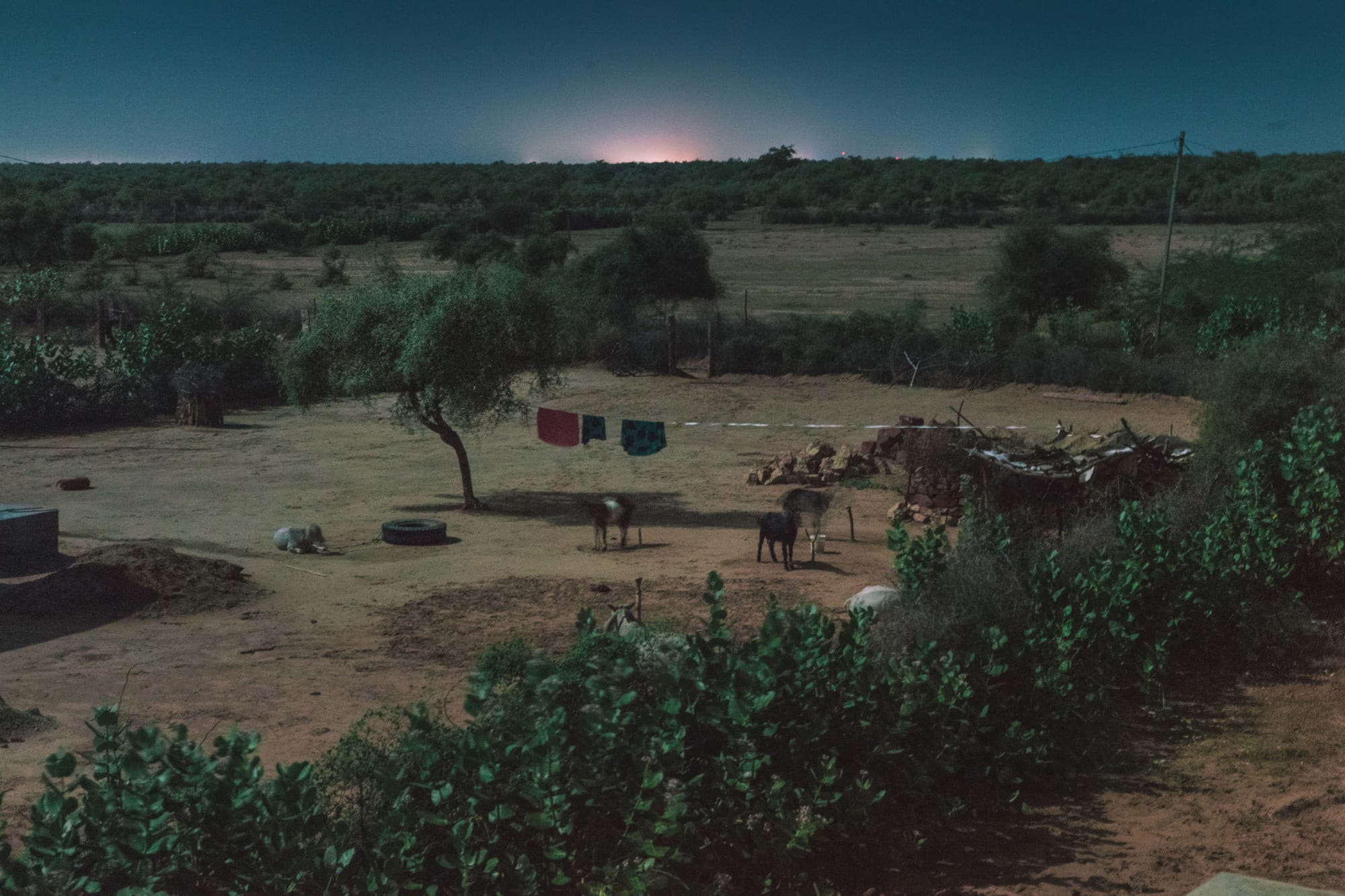
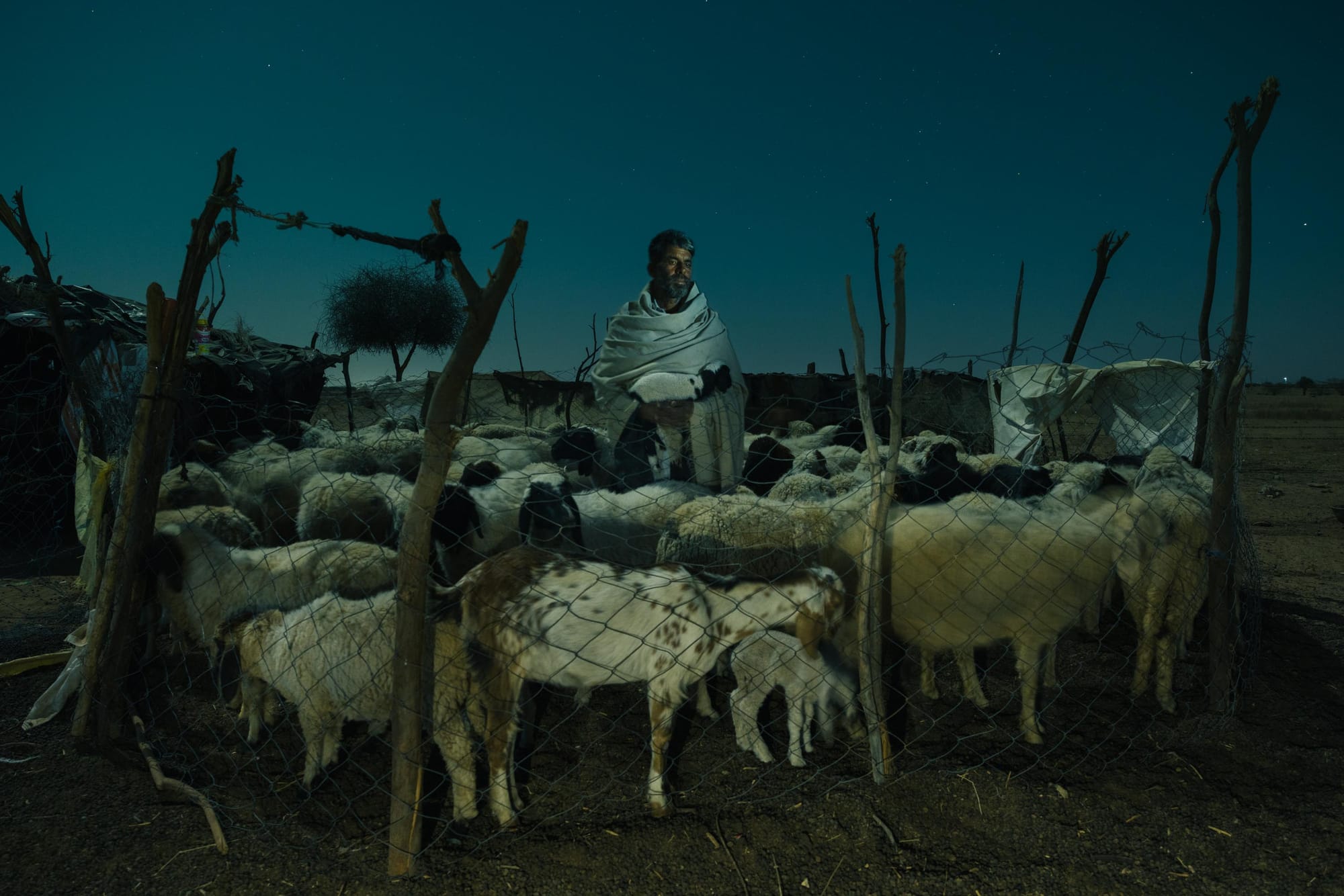
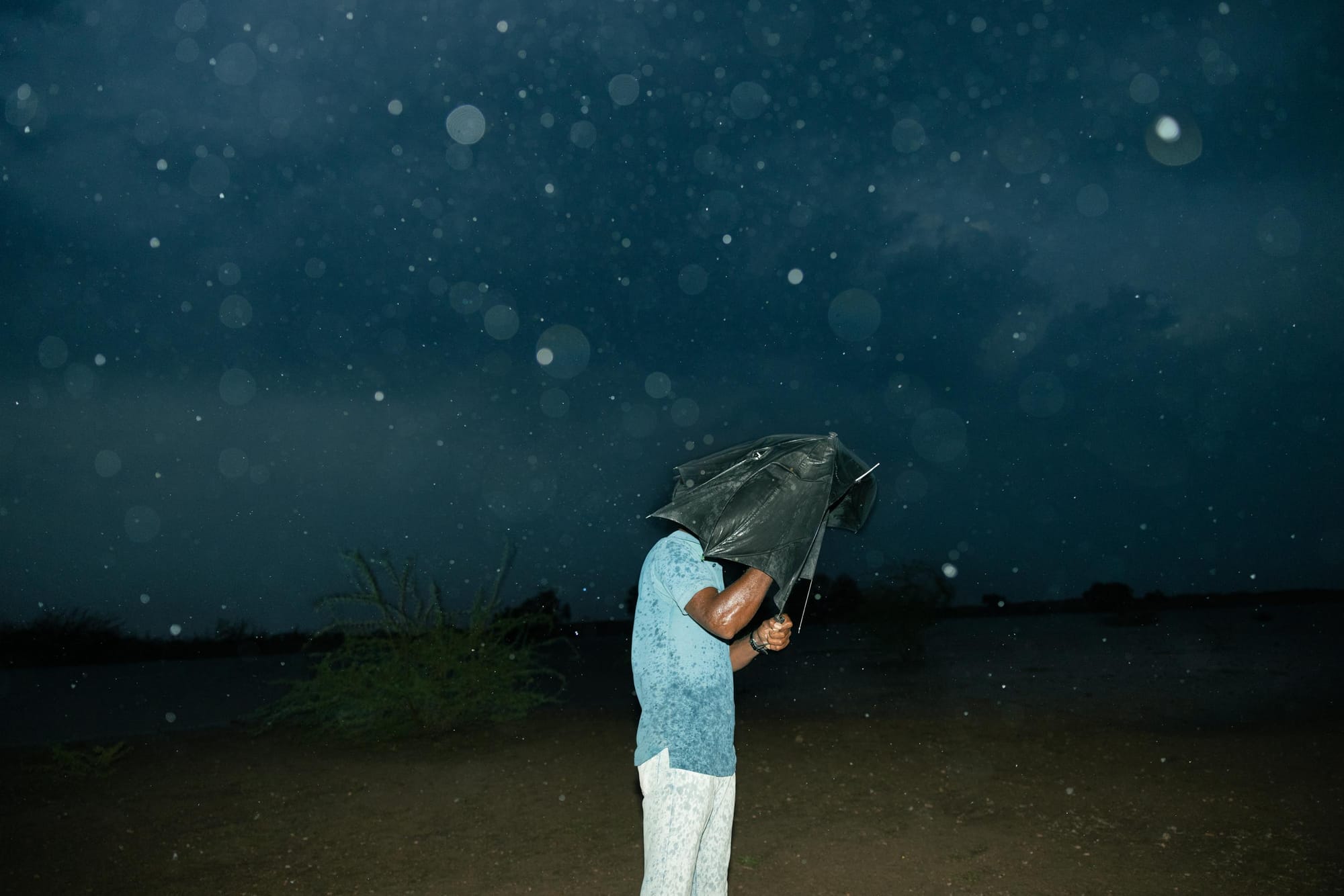
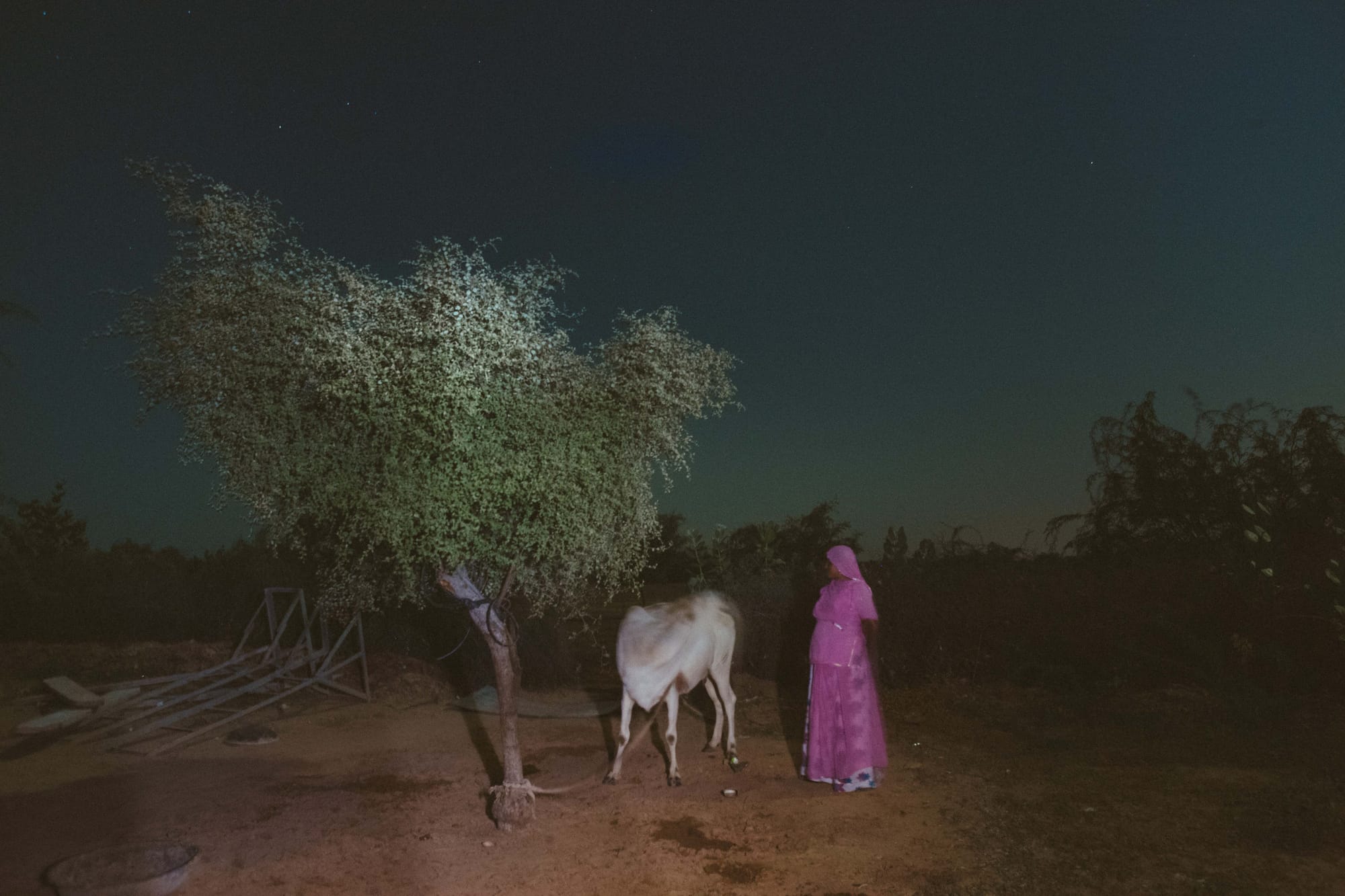
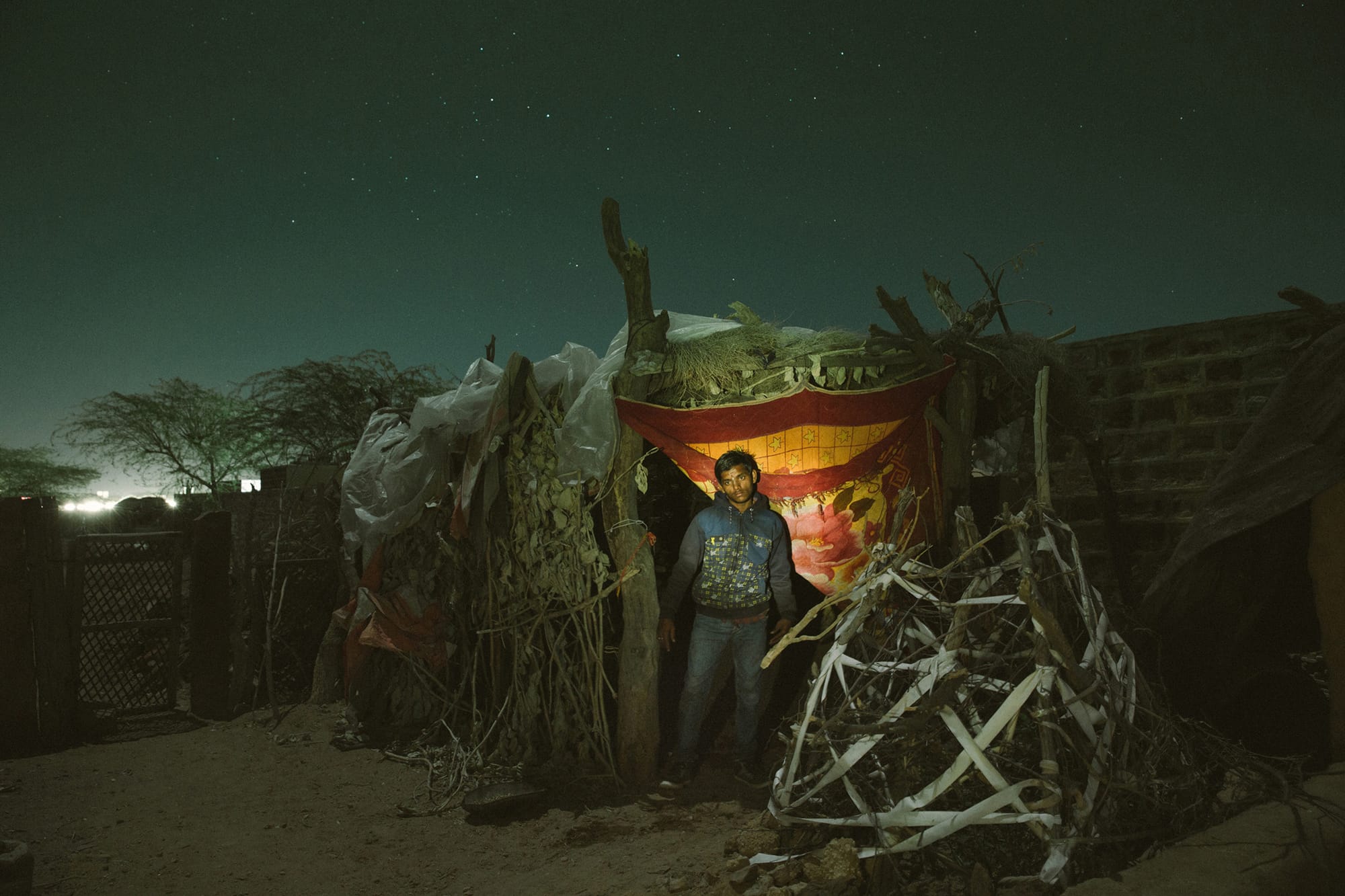
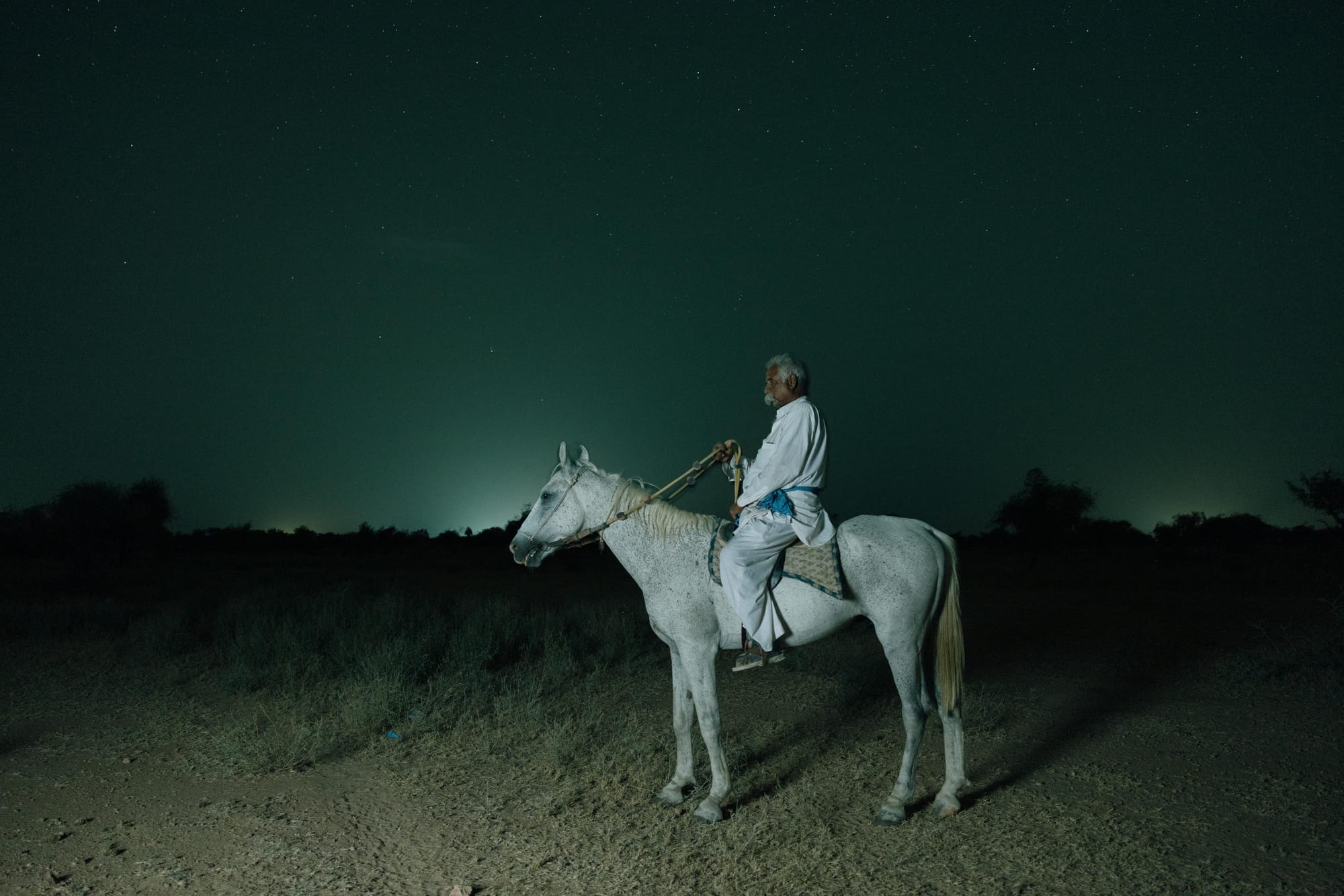
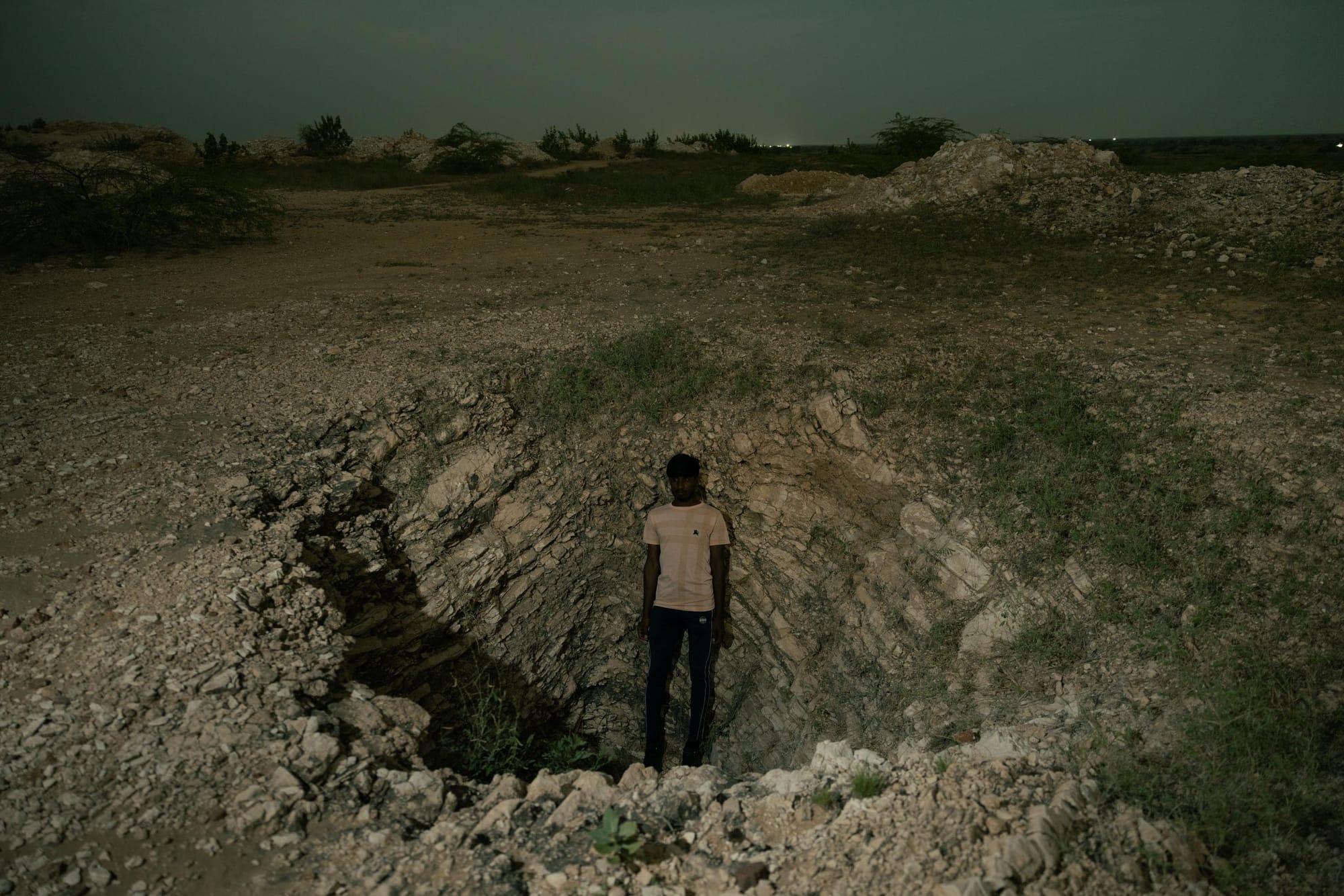
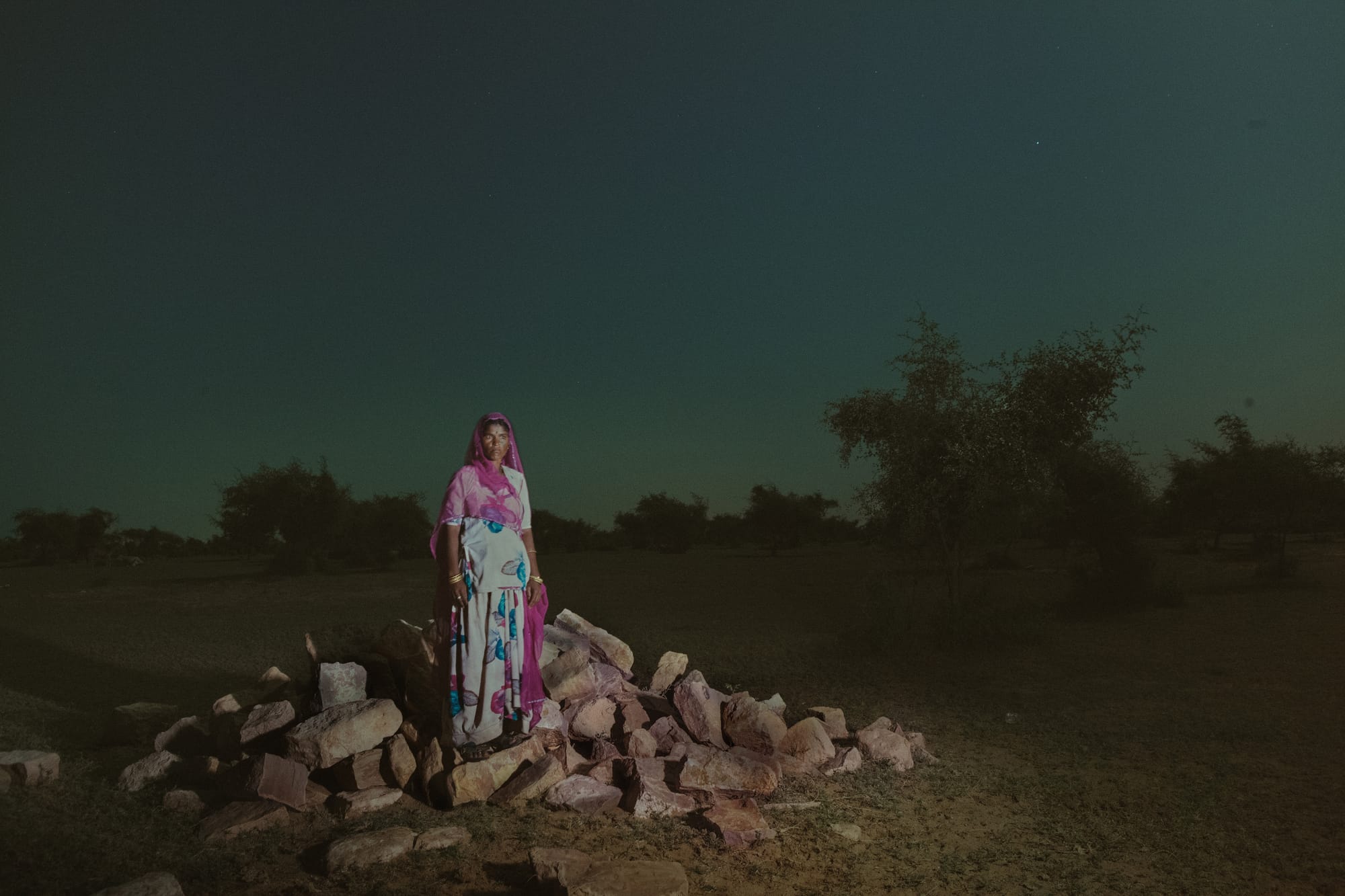
Tucked away in a scorching side of Pokhran, a township in the north-western province of Rajasthan in India, is a story of a nation's atomic might. In the summer of 1974 on Buddha’s birth anniversary, India blasted its way into the world's consciousness by testing a nuclear device. It was heard, but in that loud rumble of earth, triggered by a series of nuclear explosions, generations lost their voice. The desert dwellers of Pokhran are still paying the price of India's nuclear story that unfolded in the sand dunes nearby.
The first nuclear test, code-named Smiling Buddha, was held in 1974. In another test in 1998, India detonated five nuclear-bomb at the Pokhran firing range in Rajasthan, around two-and-a-half kilometres from the nearby village of Khetolai. “
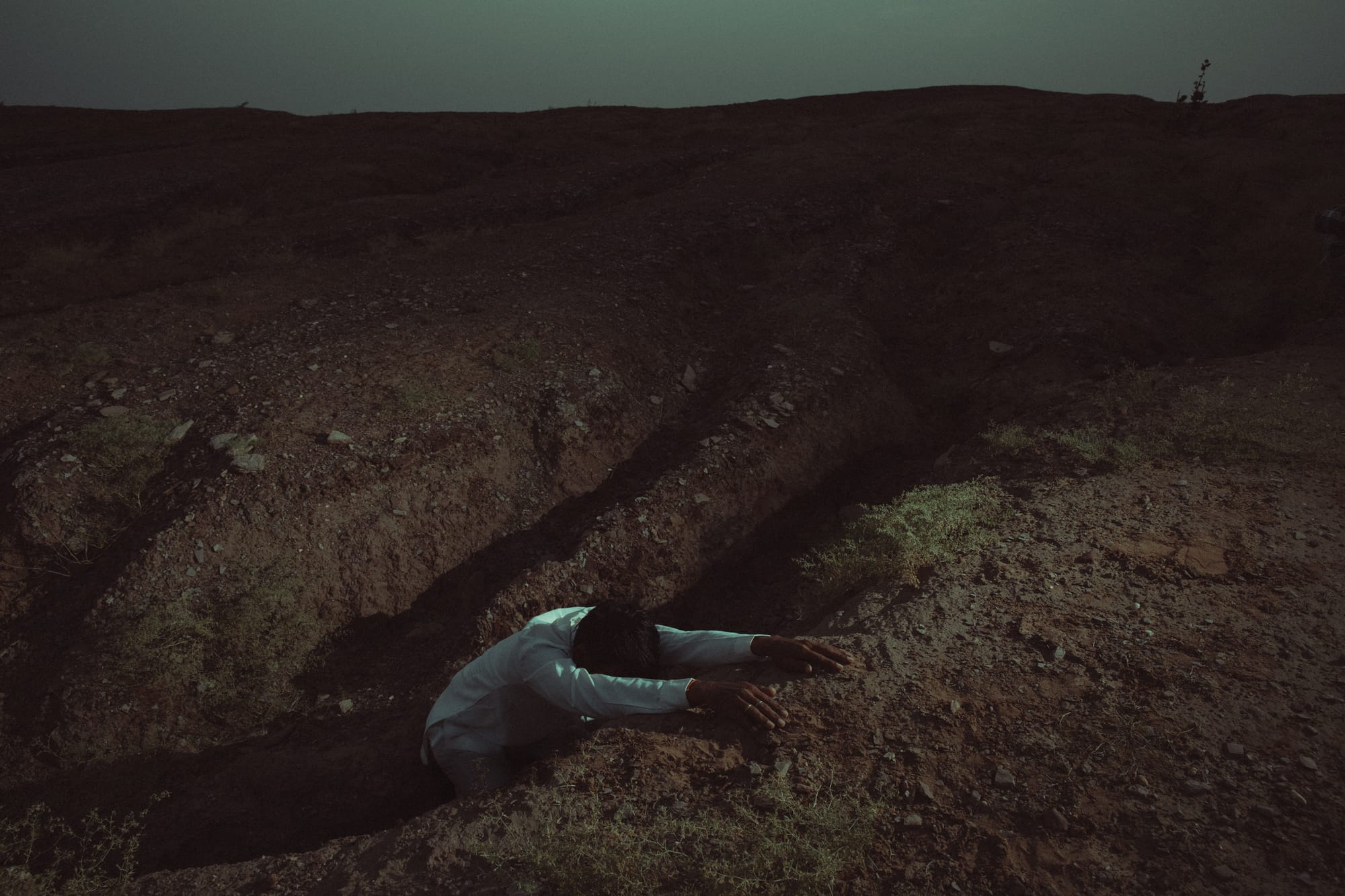
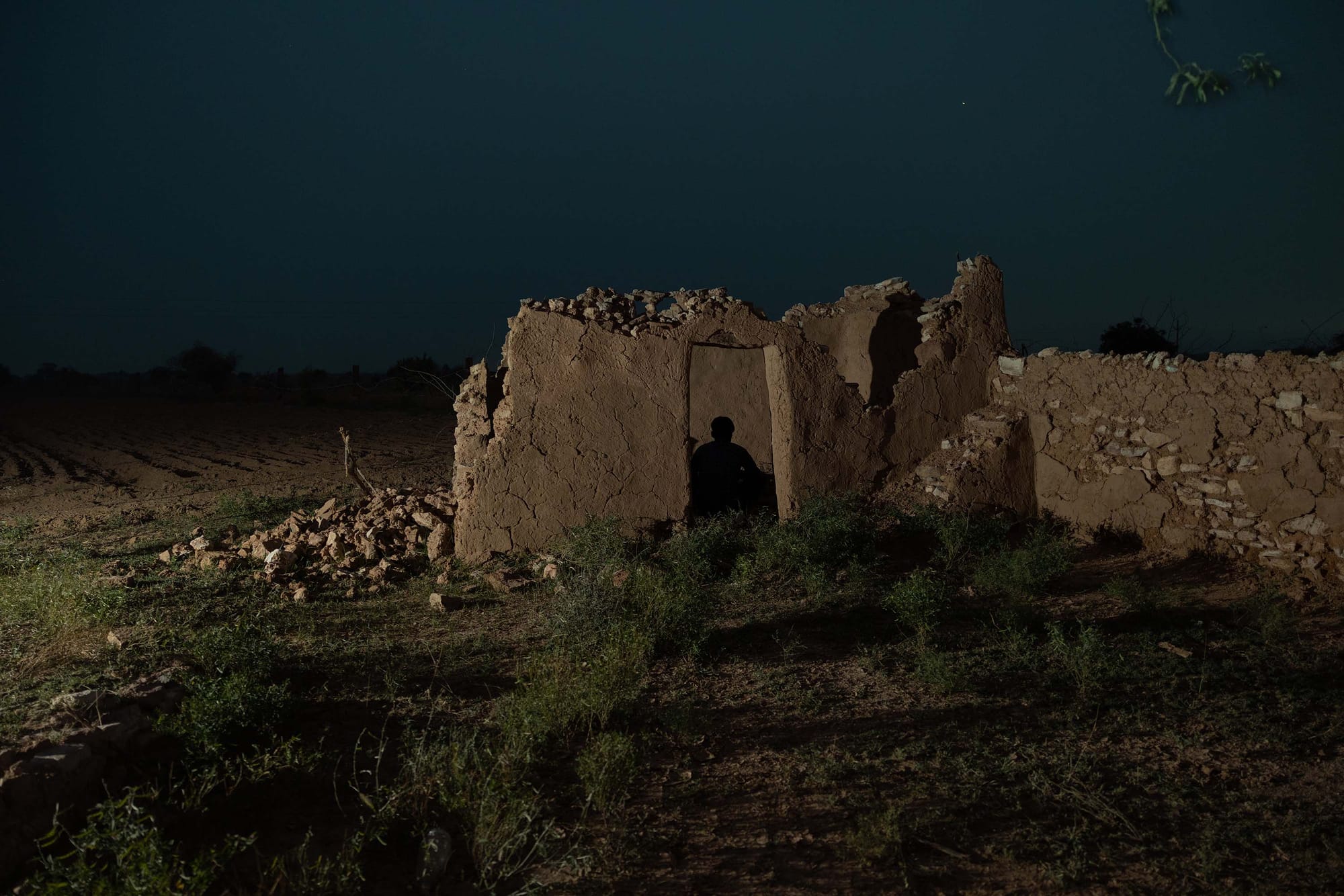
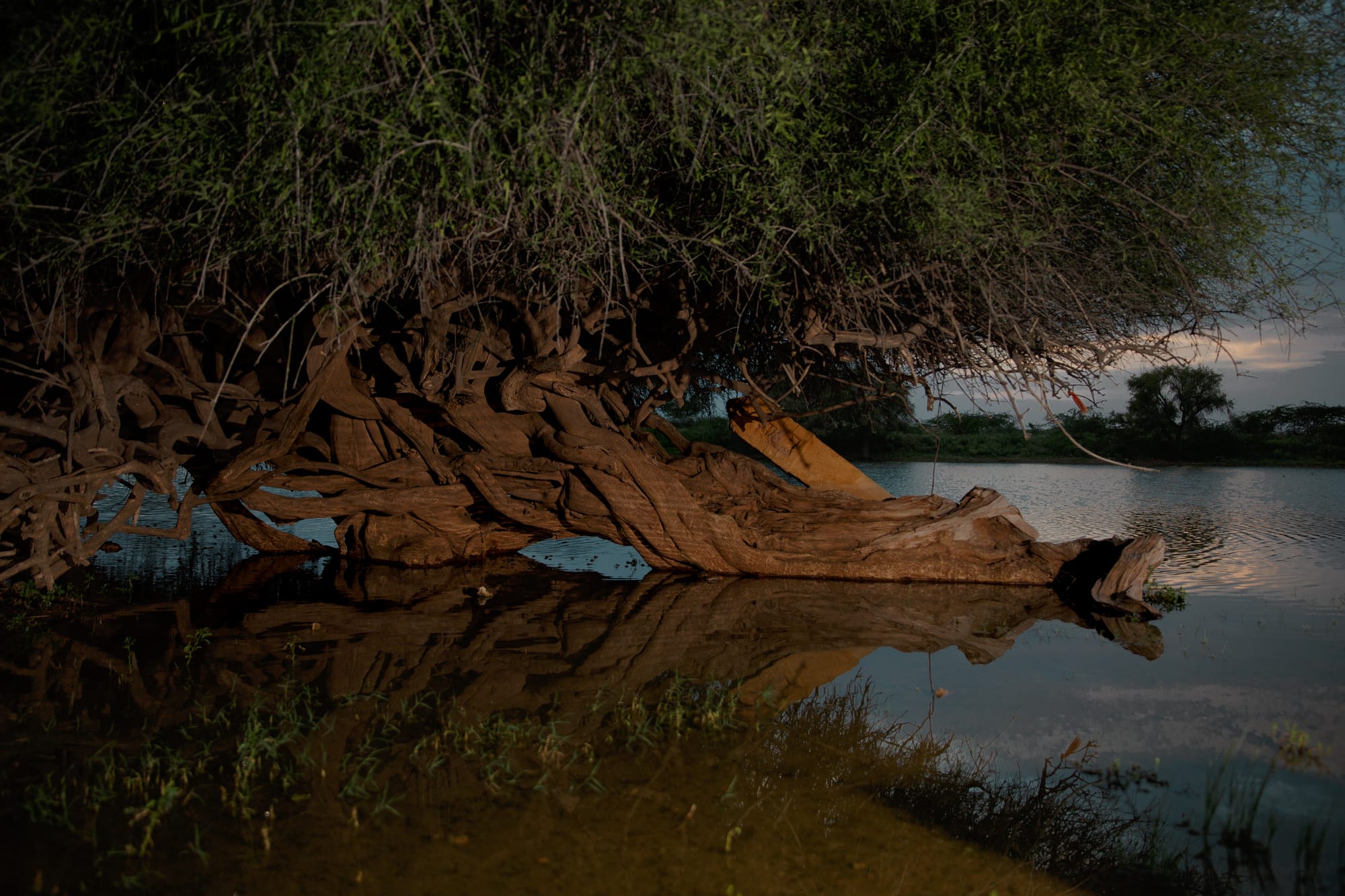
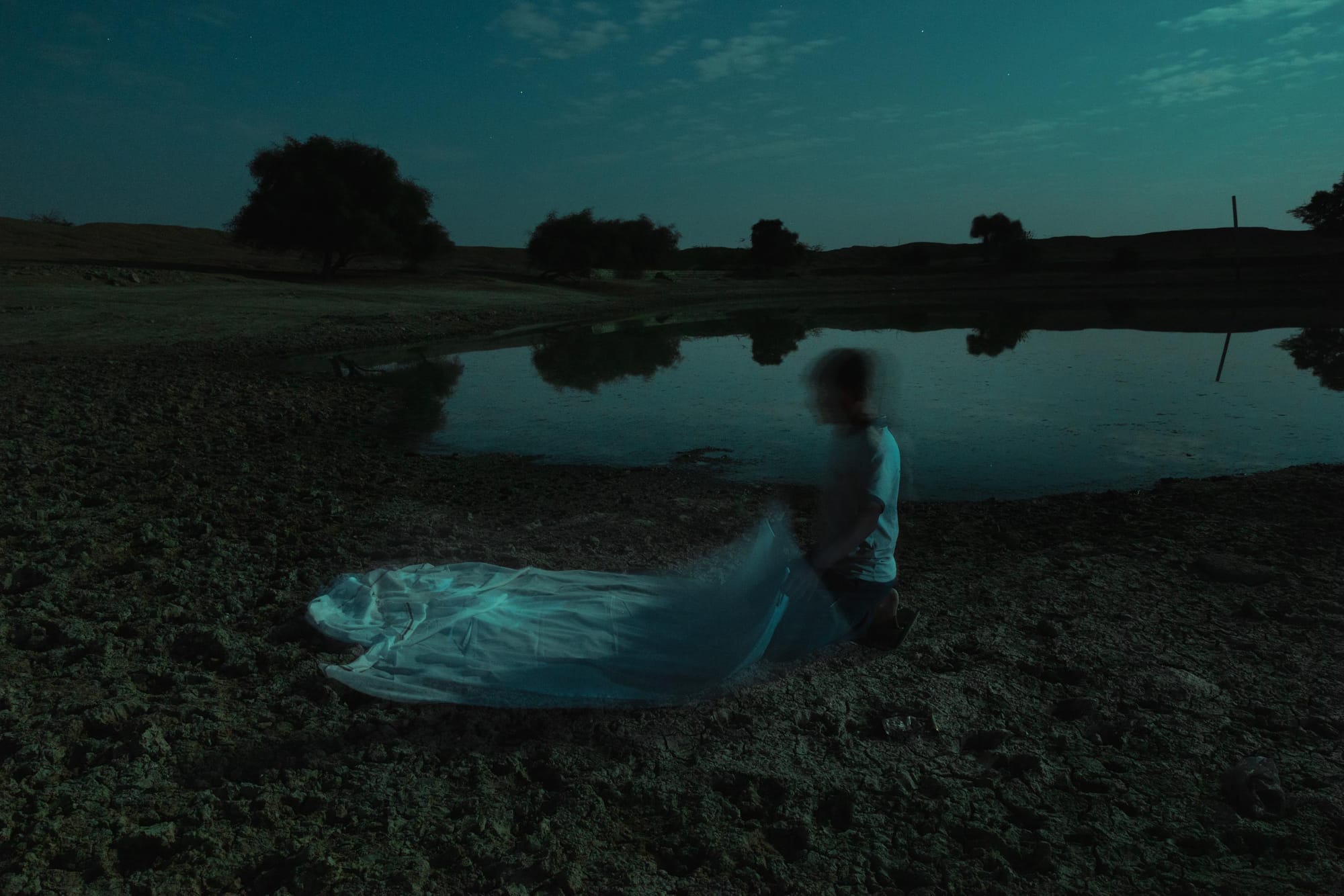
Battalions of the Indian Army covered our entire village. We were asked to evacuate our houses and carry valuable belongings as a safety measure. At around 3 pm on 11th of May, 1998 we felt tremors of an earthquake. A gigantic cloud of dust went up in the air at the Pokhran firing range,” said Nathu Ram Bishnoi, the village head of Khetolai. The strong tremors from the test made deep cracks in the mud huts, burst the village water tanks, contaminated ponds and farmland, it was something unseen and unheard of.
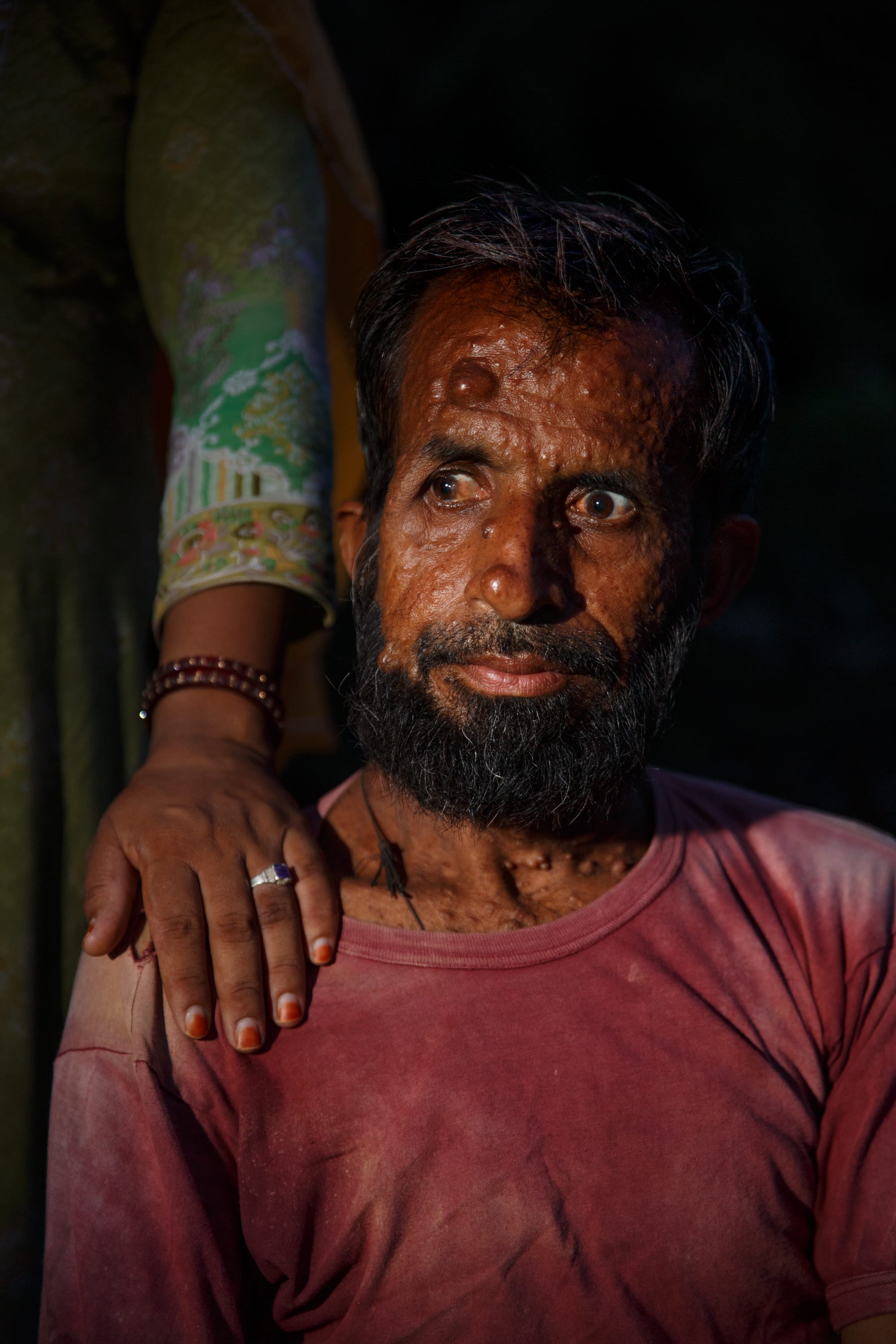
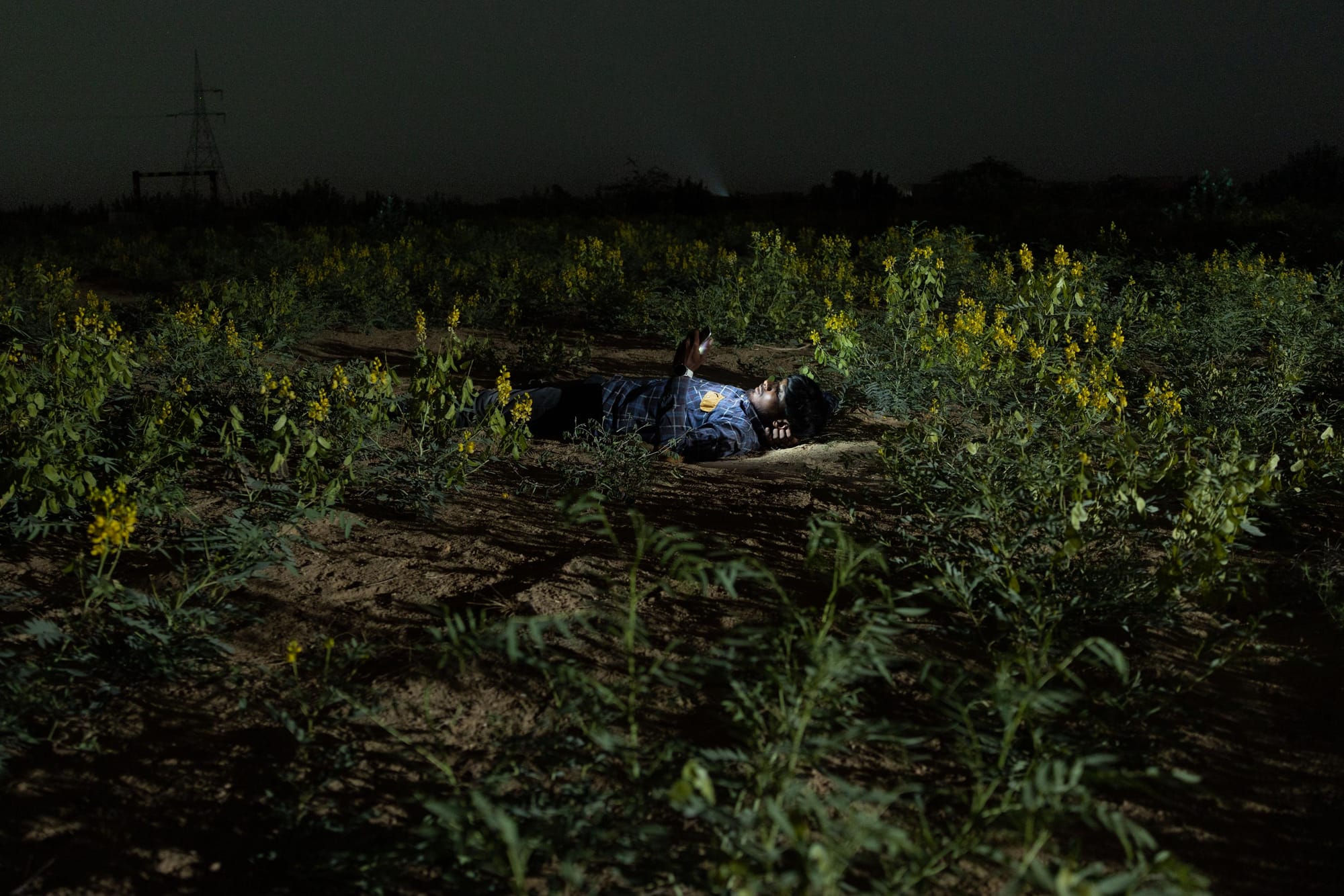
Many in the villages suffered from eyes and nose infections, skin allergies, that worsened with time.
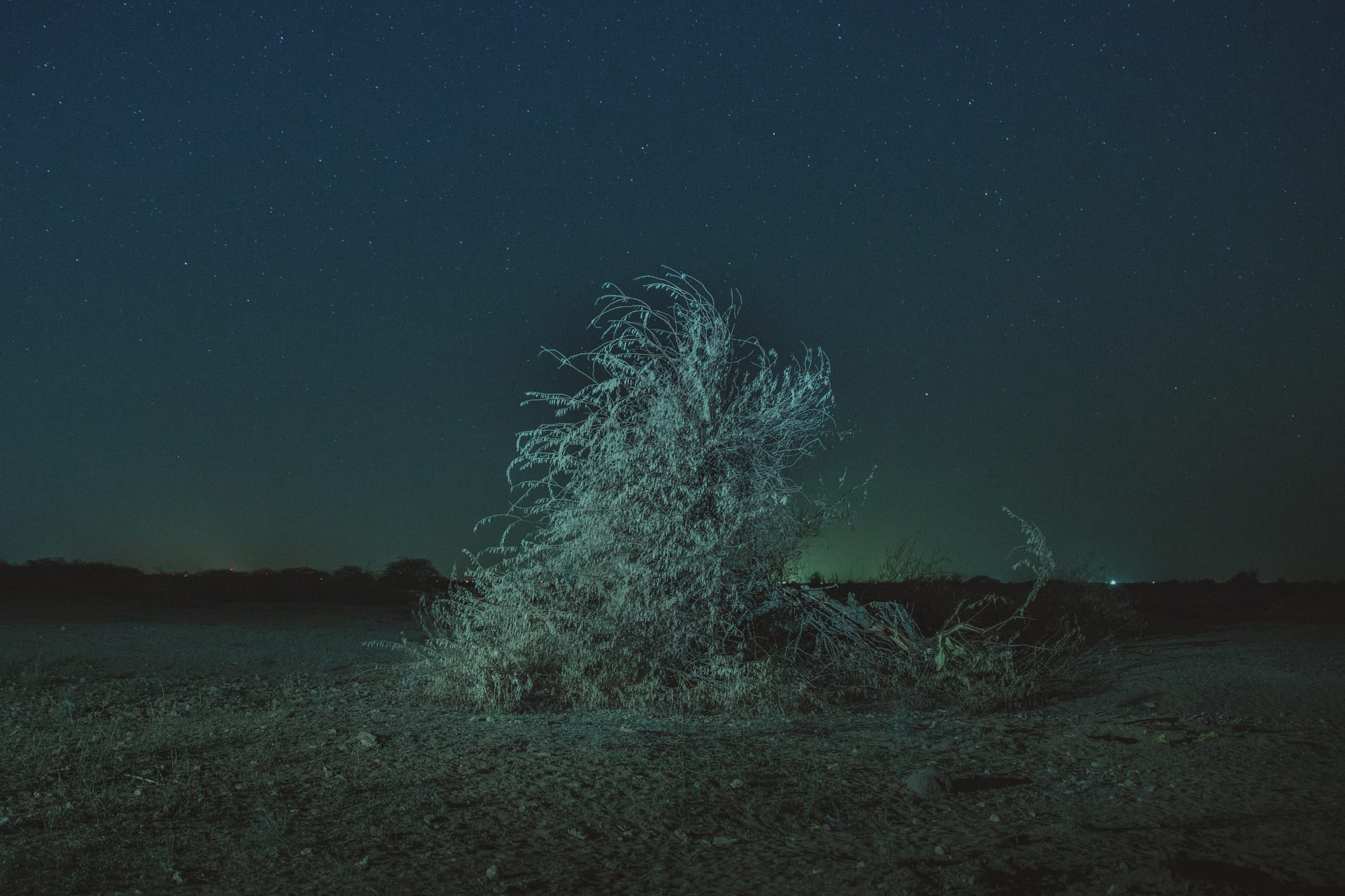
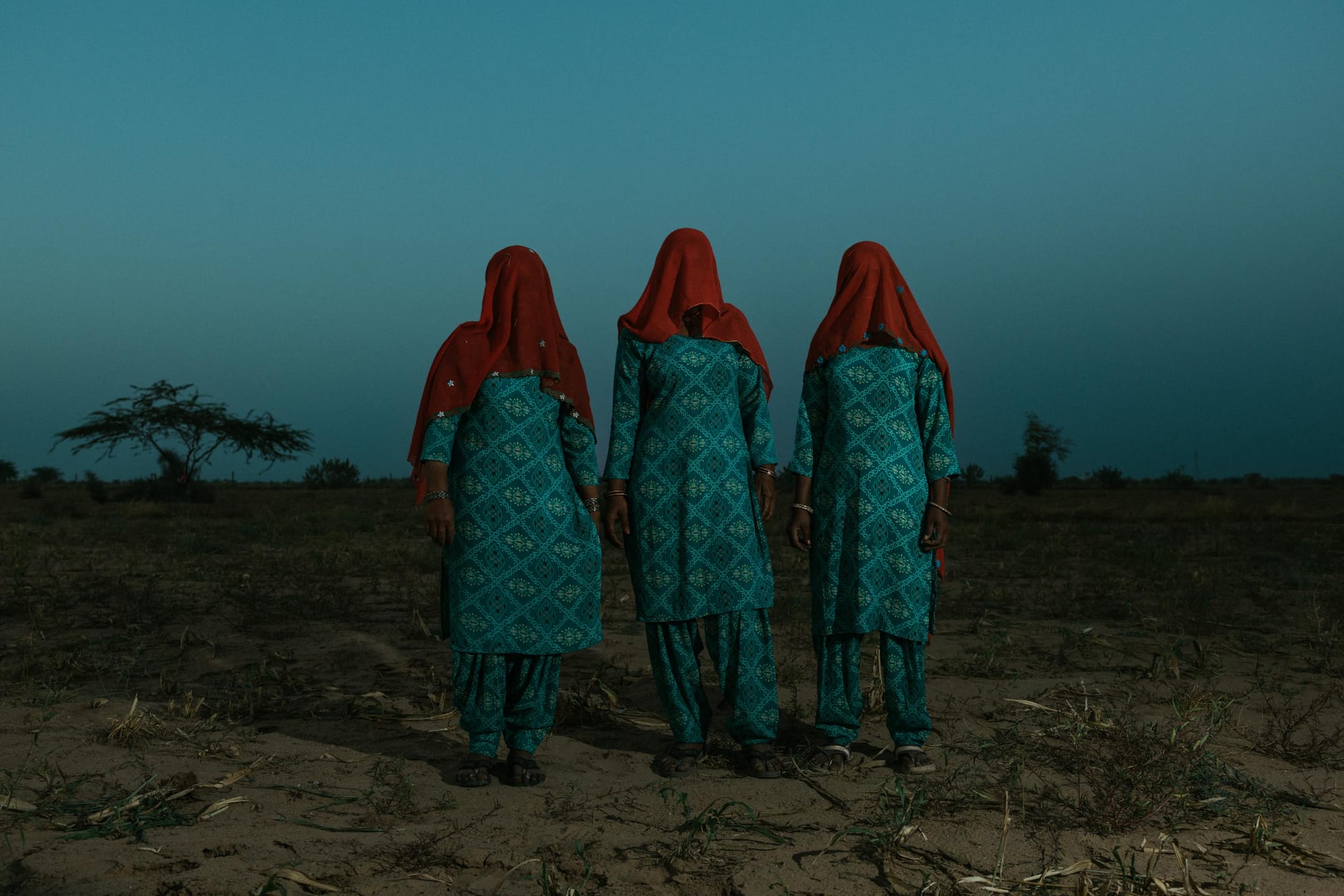
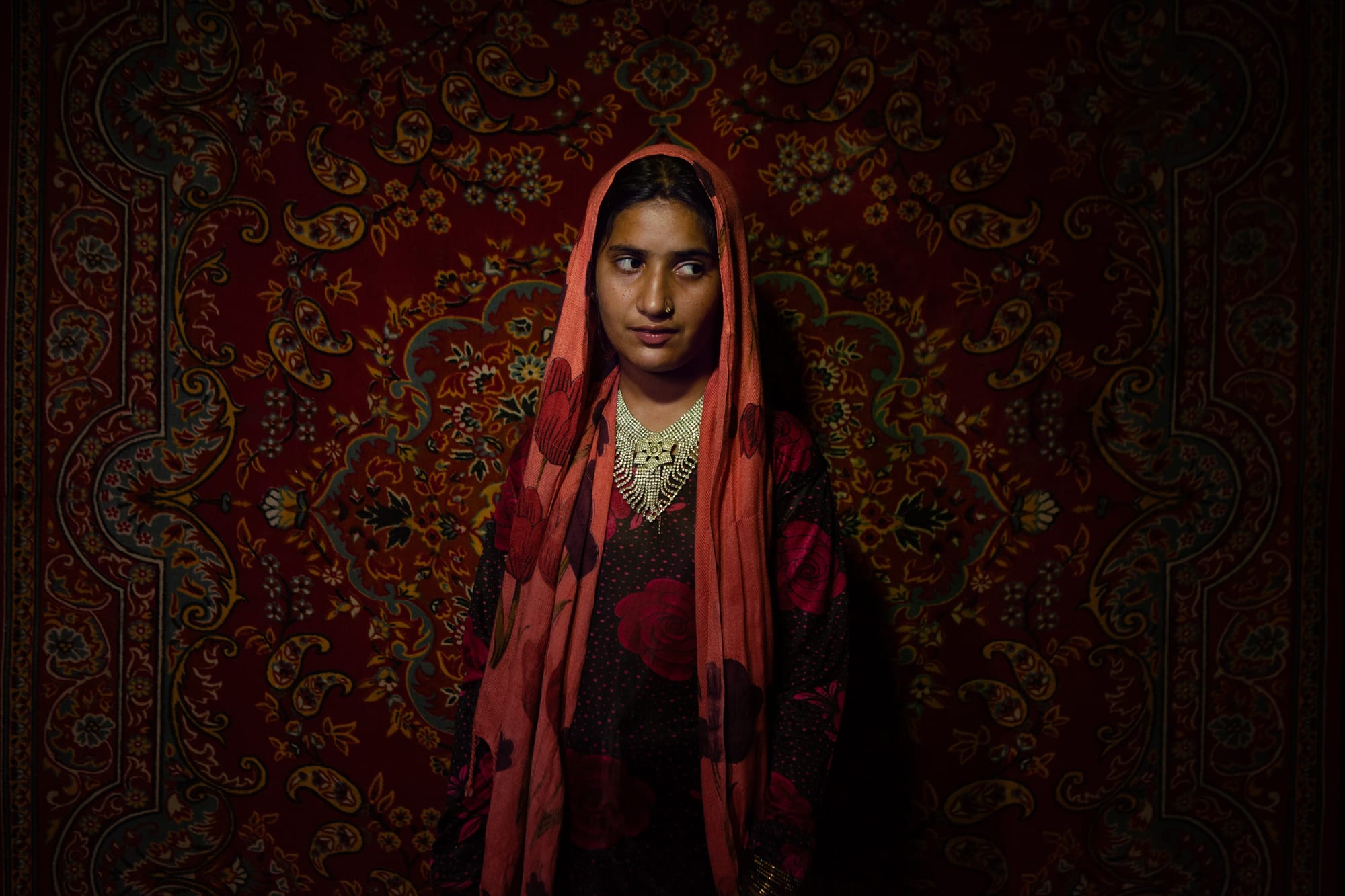
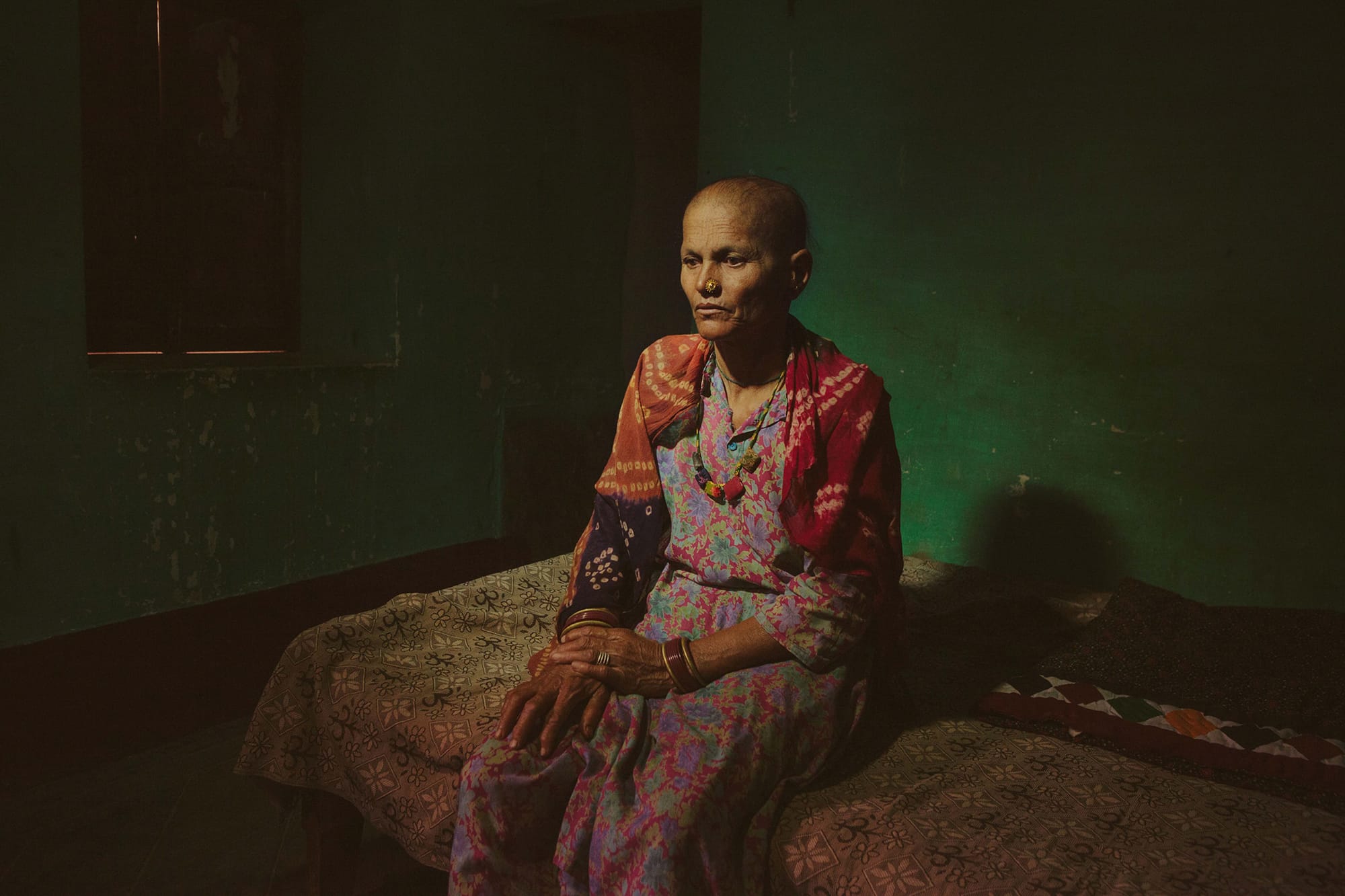
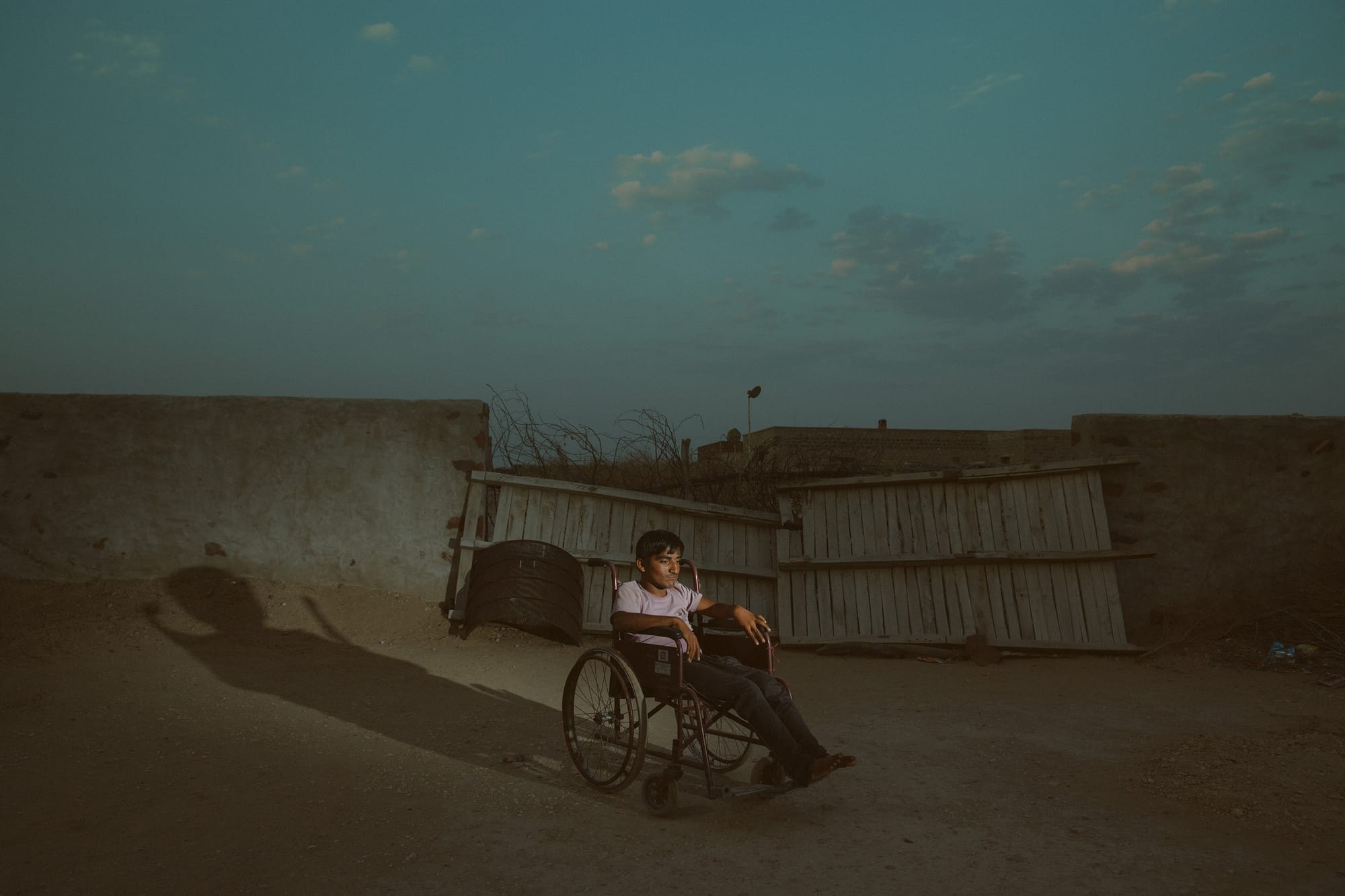
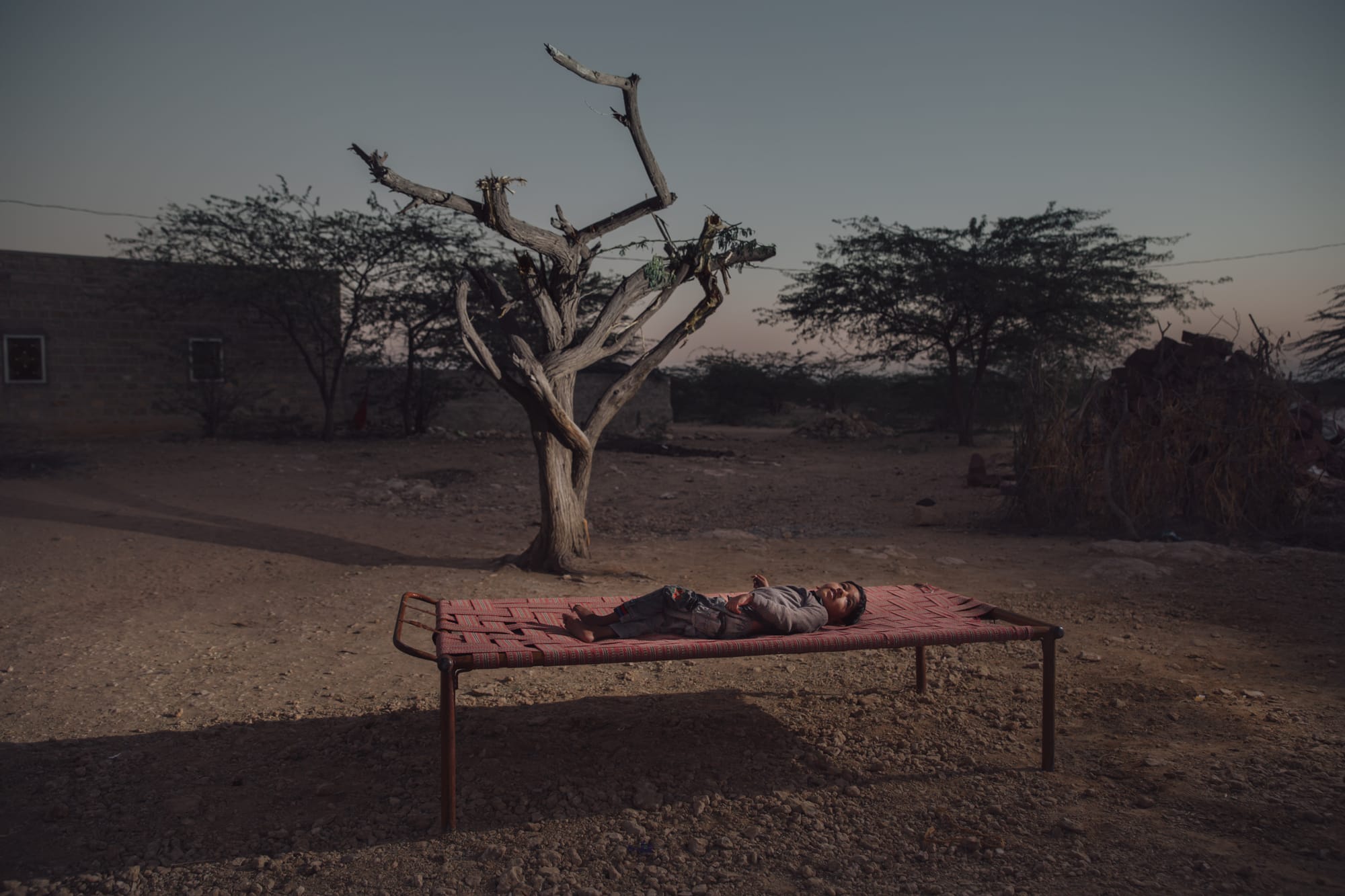
Months later, the bodies began to show. Bhagwati Bishnoi, a resident of Khetolai, died within a year after the test. She was diagnosed with blood cancer. “She had started developing complications from the time of the test. Her health worsened in the next few months that led to her death.” said Bhagwati’s mother. Two decades after the test, the scars remain. Many cases of cancer, miscarriages, mental retardation; cerebral palsy are still being reported villages near the site.
A study done by Dr. Arjun Singh, former Joint Director of Medical and Health Services in the Jodhpur region, in 2009, found traces of nuclear radiation in the soil, underground water and even trees in the villages near the blast site.
Nearly 50 years after the Smiling Buddha mission, the villages near Pokhran have joined a tragic global circle of residents of nuclear test sites that grapple every day with the aftermath of radiation. The test got India the world's ear, but the residents of these villages are still waiting to be heard.
Author biography
Chinky Shukla is a documentary photographer based in New Delhi, India. Her work explores the themes of cultural assimilation, human condition, memory and the environment. The majority of her projects are long form photo stories looking through the layers, documenting lives, building relationships, gaining trust, using her camera to amplify important stories.
Since 2011, she has been documenting the far-reaching consequences of nuclear radiation in India. Her photo project on the impact the uranium mining in Jadugoda, a township in the state of Jharkhand in India, led the State High Court to issue a suo motu cognisance on the mining company following national newspaper Hindustan times article featuring her photo project in 2014.
Her ongoing photo project, supported by the National Geographic Society, documents the region of Pokhran in Rajasthan, India, which has been a significant site for nuclear testing since 1974. Through this project, she aims to bring attention to the lived experiences of individuals and communities impacted by nuclear tests, shedding light on their struggles, resilience, and the broader social dynamics at play.
She employs a participatory approach in her photo projects, collaborating with local organizations, experts, and individuals to co-create narratives that reflect their lived experiences. She strives for authenticity, integrity, and ethical representation in her work.