

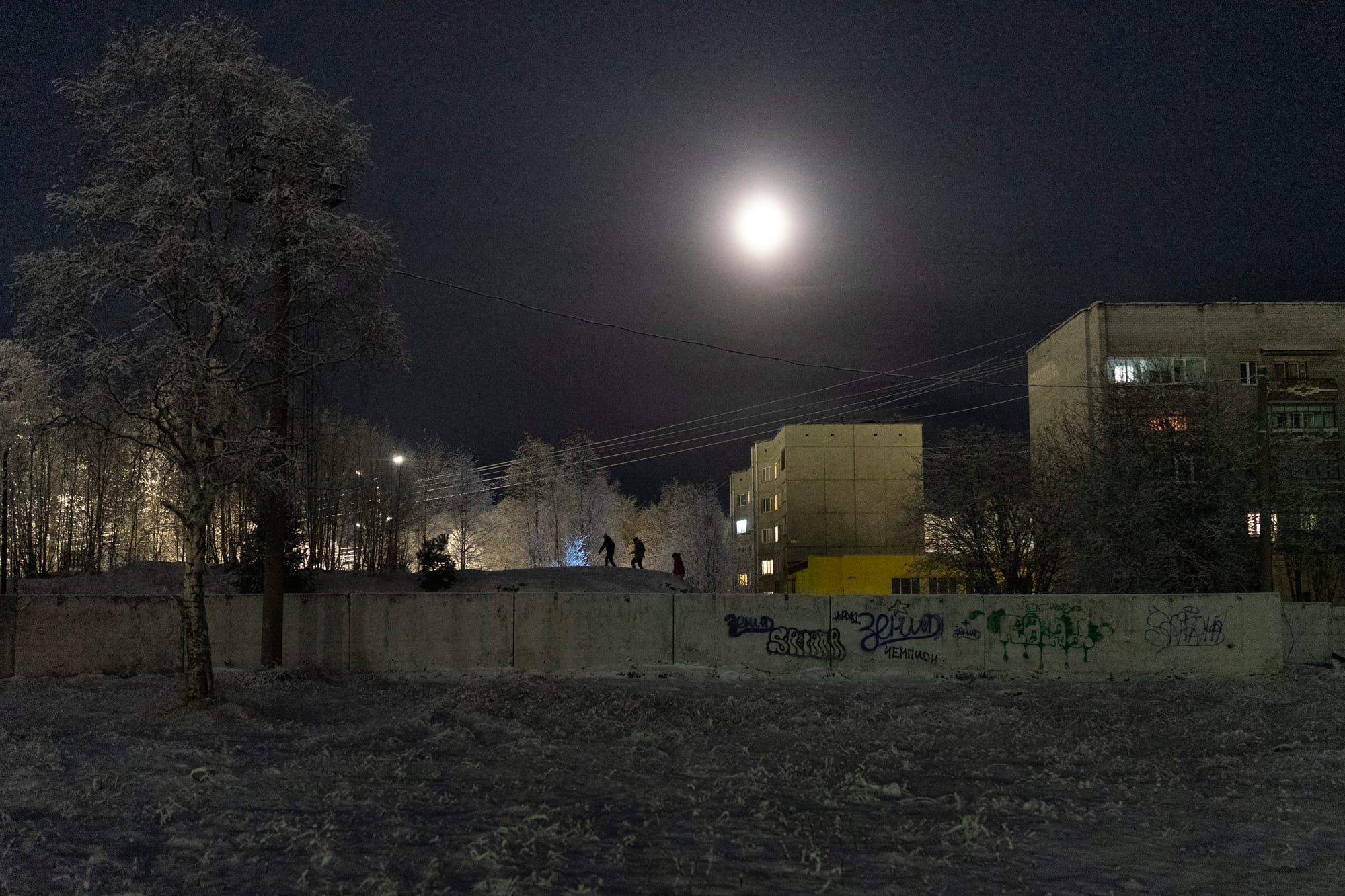
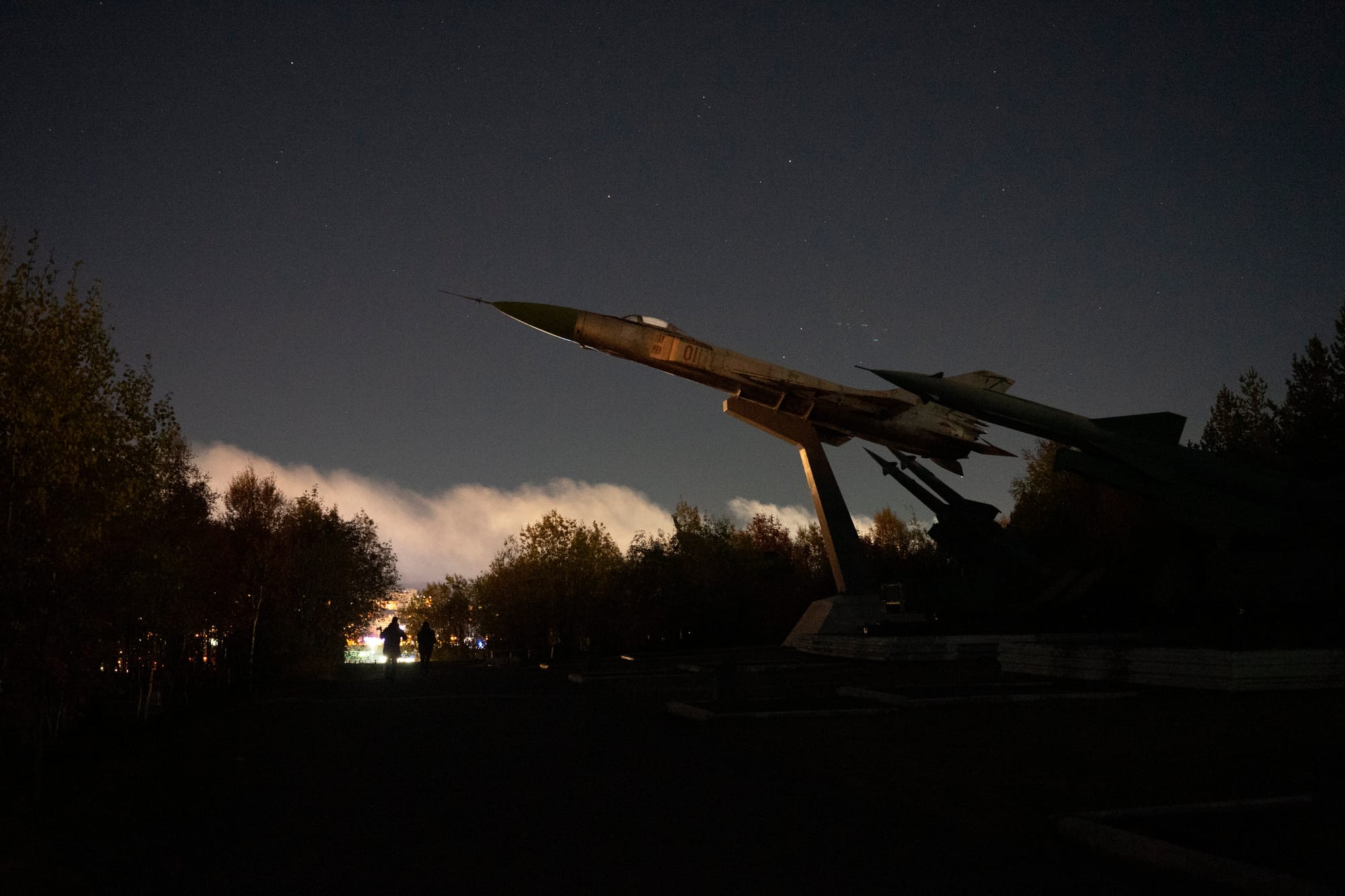
In the '90s, Russian scientists used a huge space mirror called "Znamya" to reflect sunlight and brighten the northern parts of Russia during polar nights. It worked, but just for a few seconds.
In 2021, the governor of Murmansk announced a similar project, promising to build an artificial sun above the city. This echoed the old ambitions of Znamya, but like its predecessor, it seemed more like a utopia than reality.
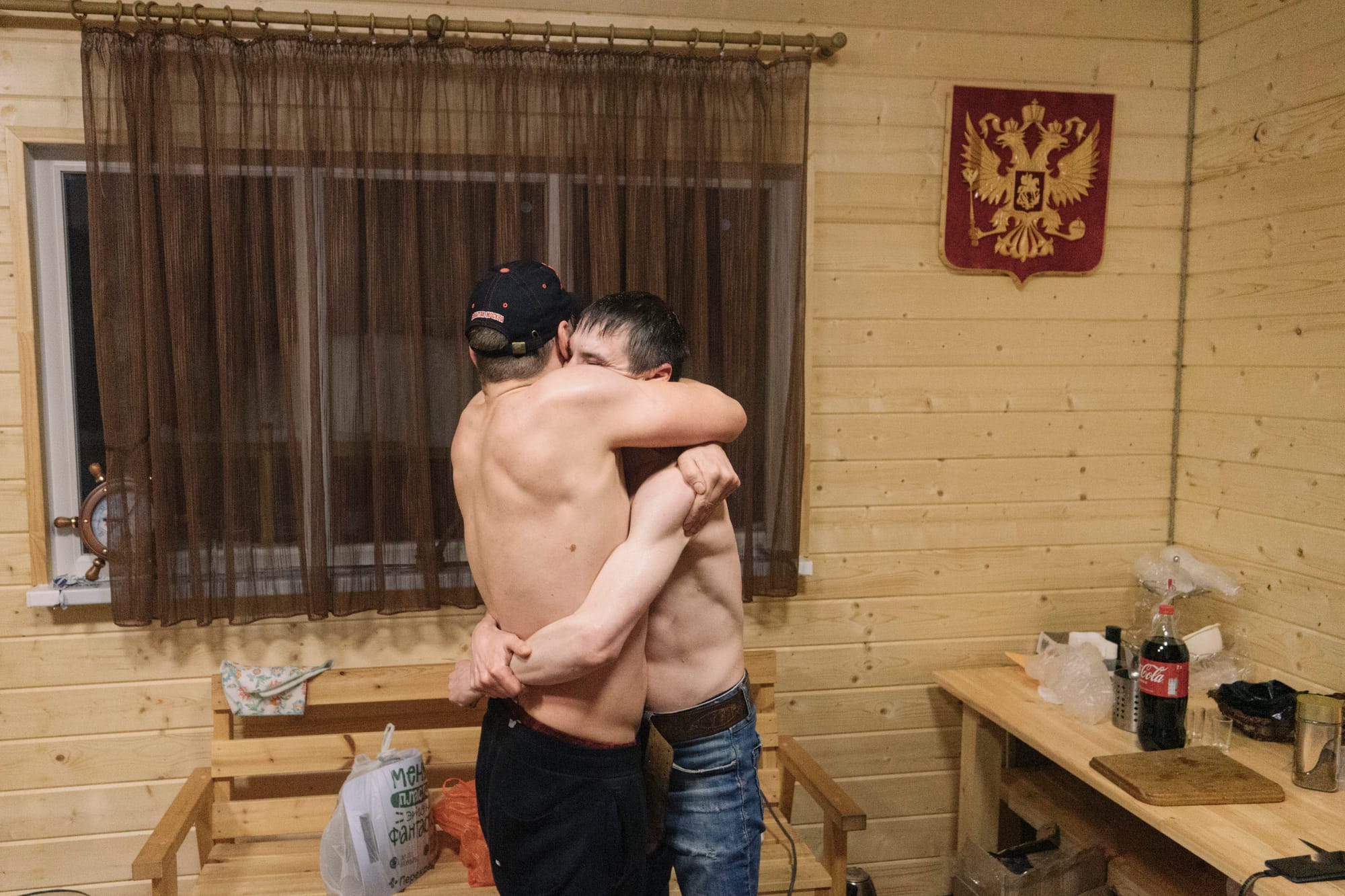
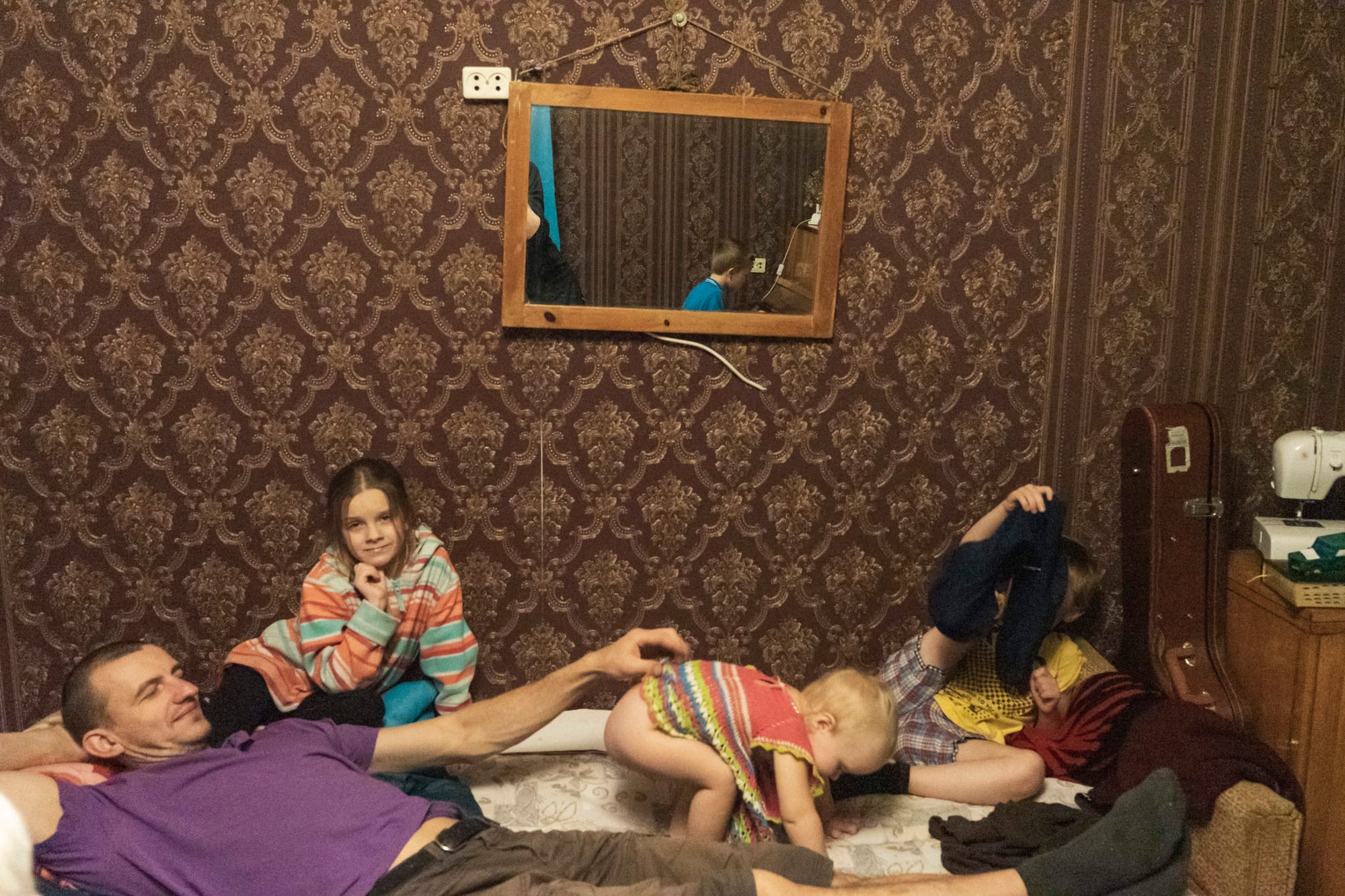
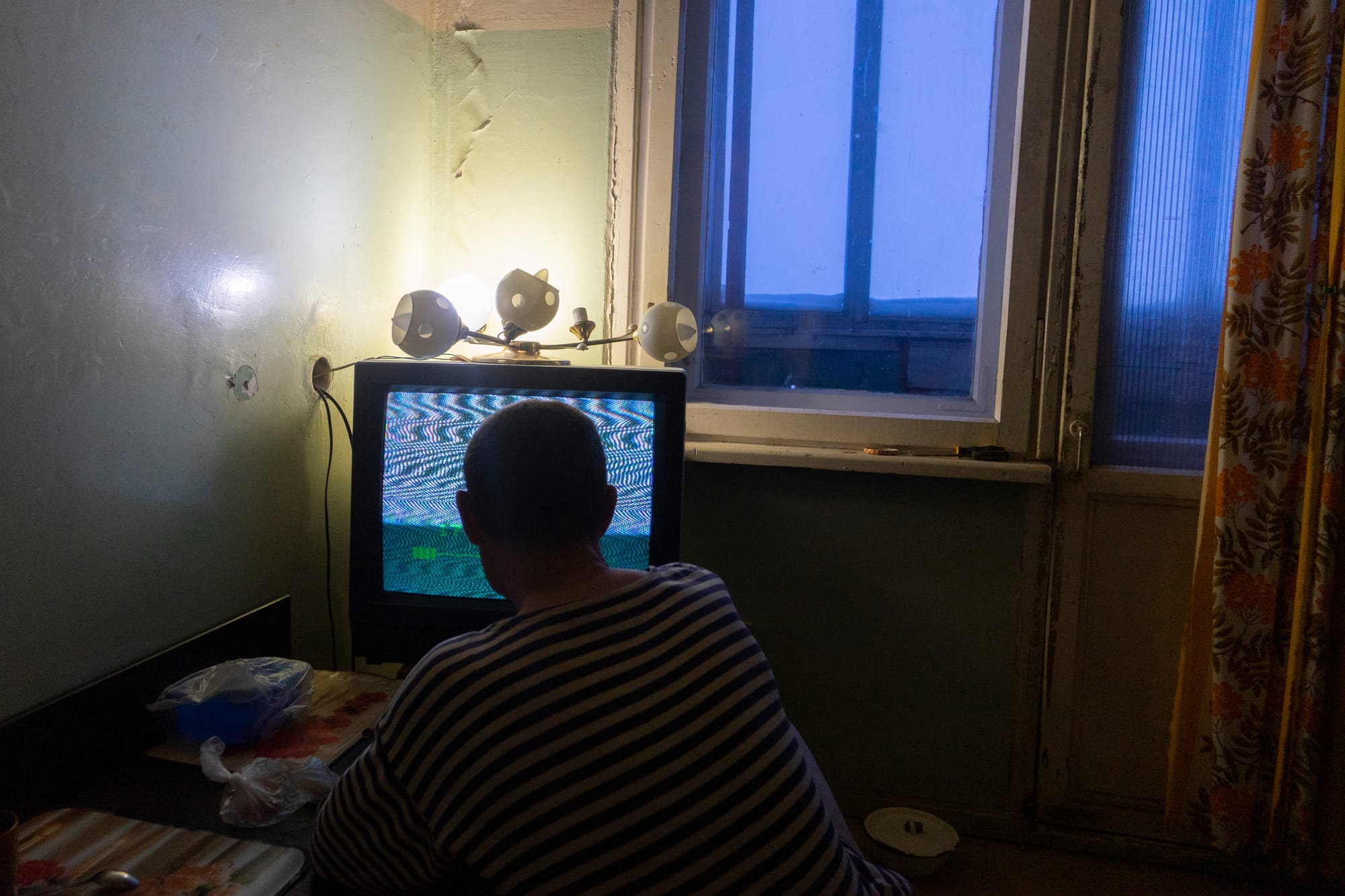
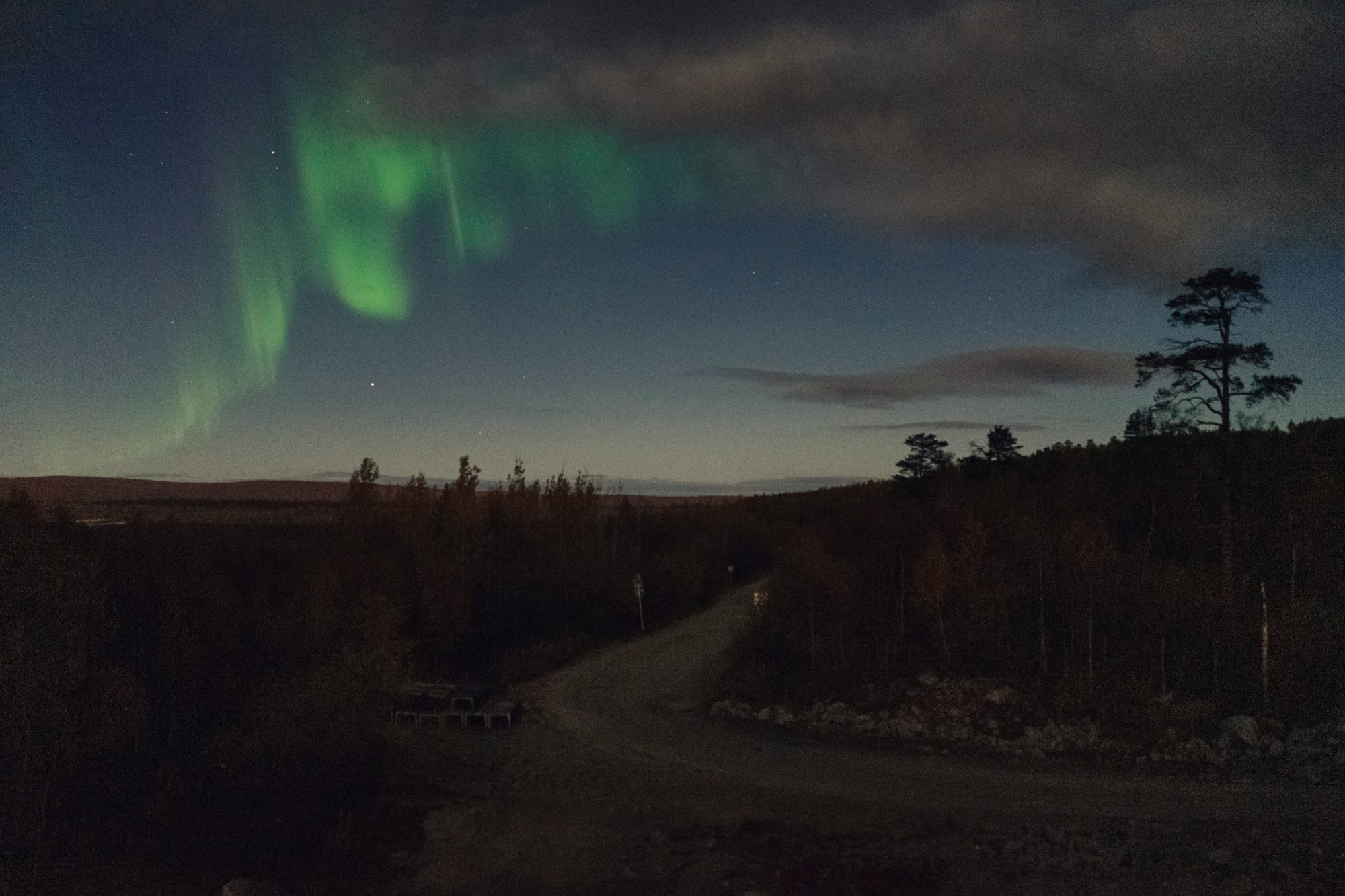
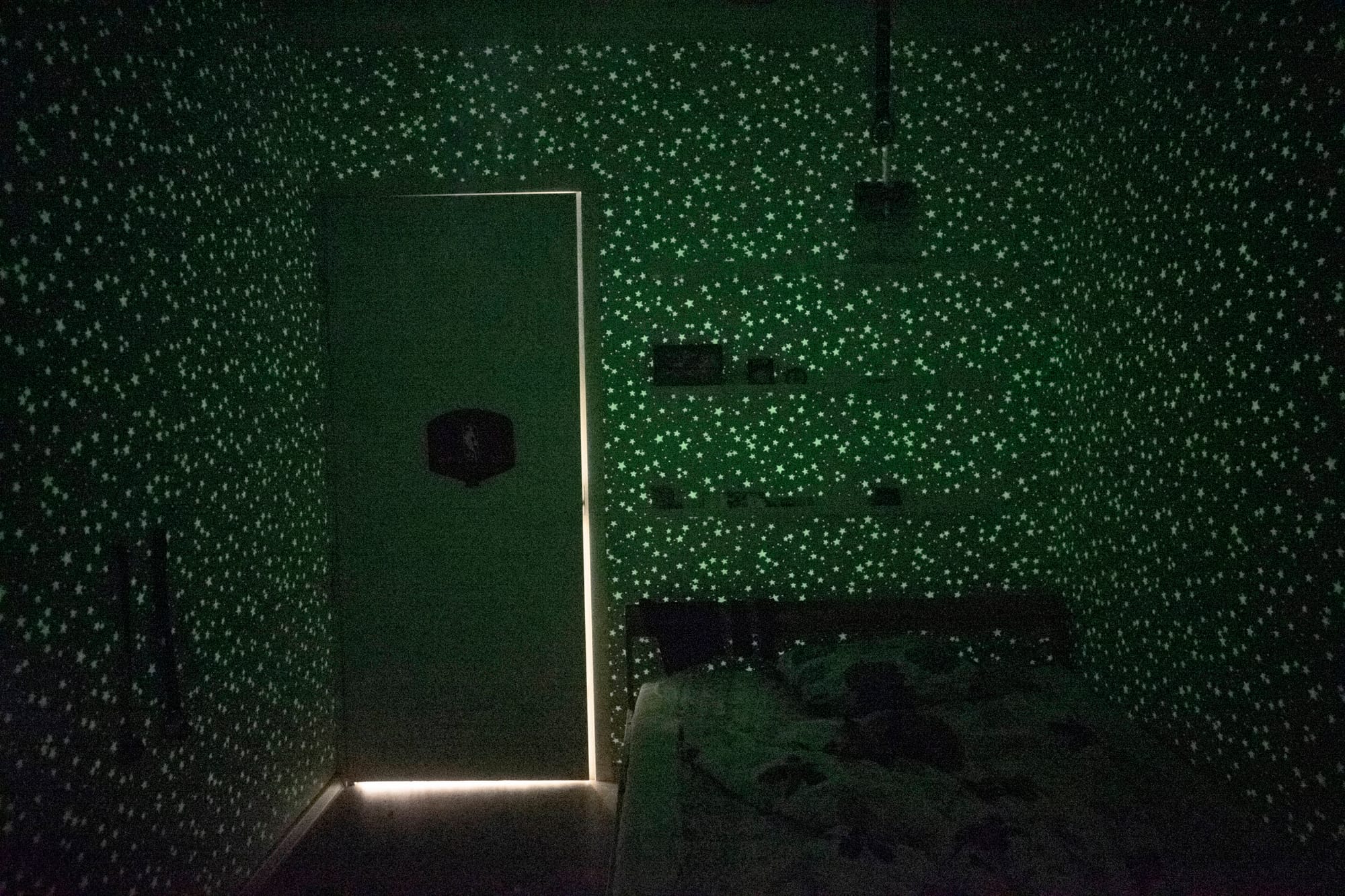
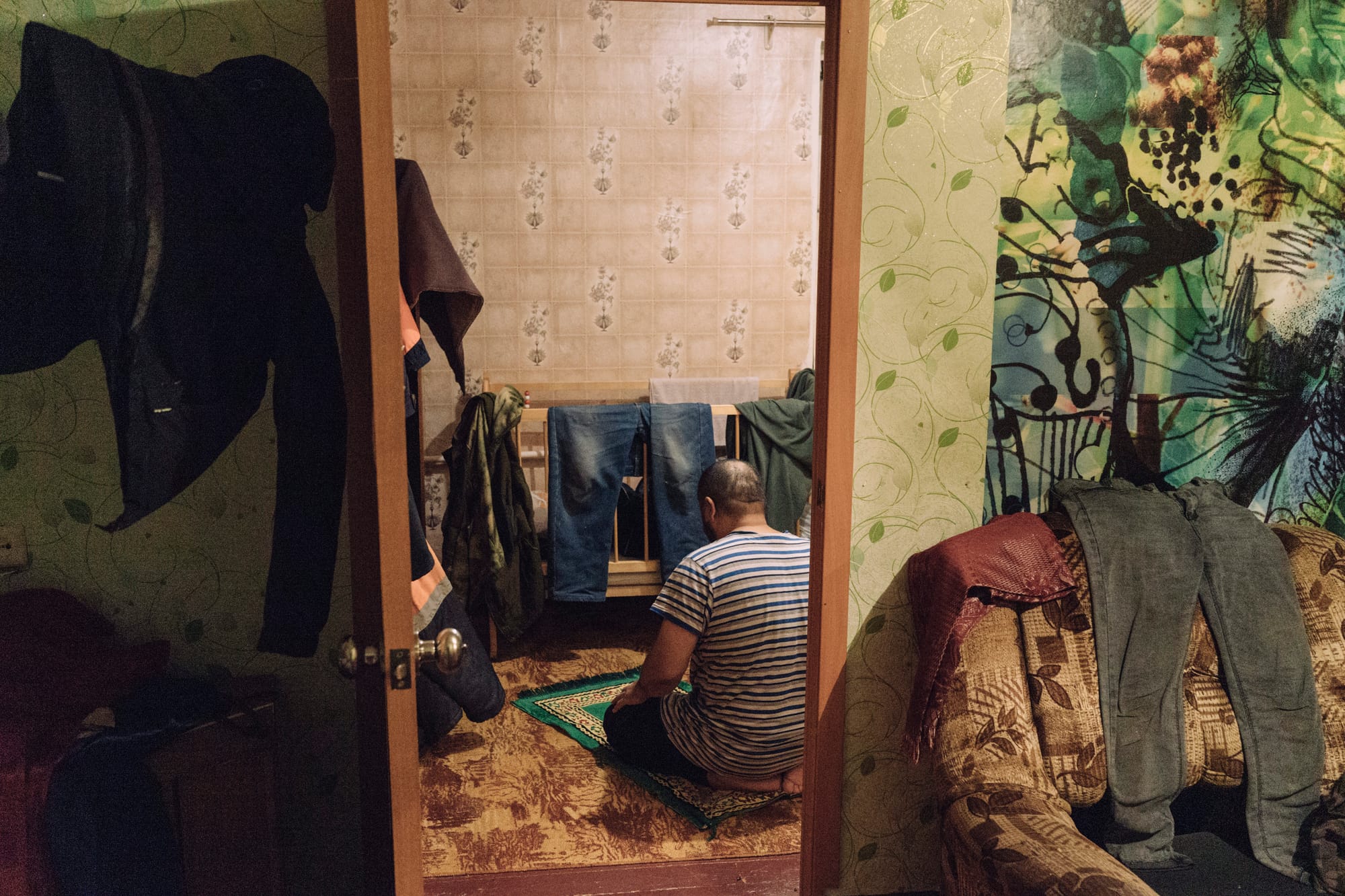
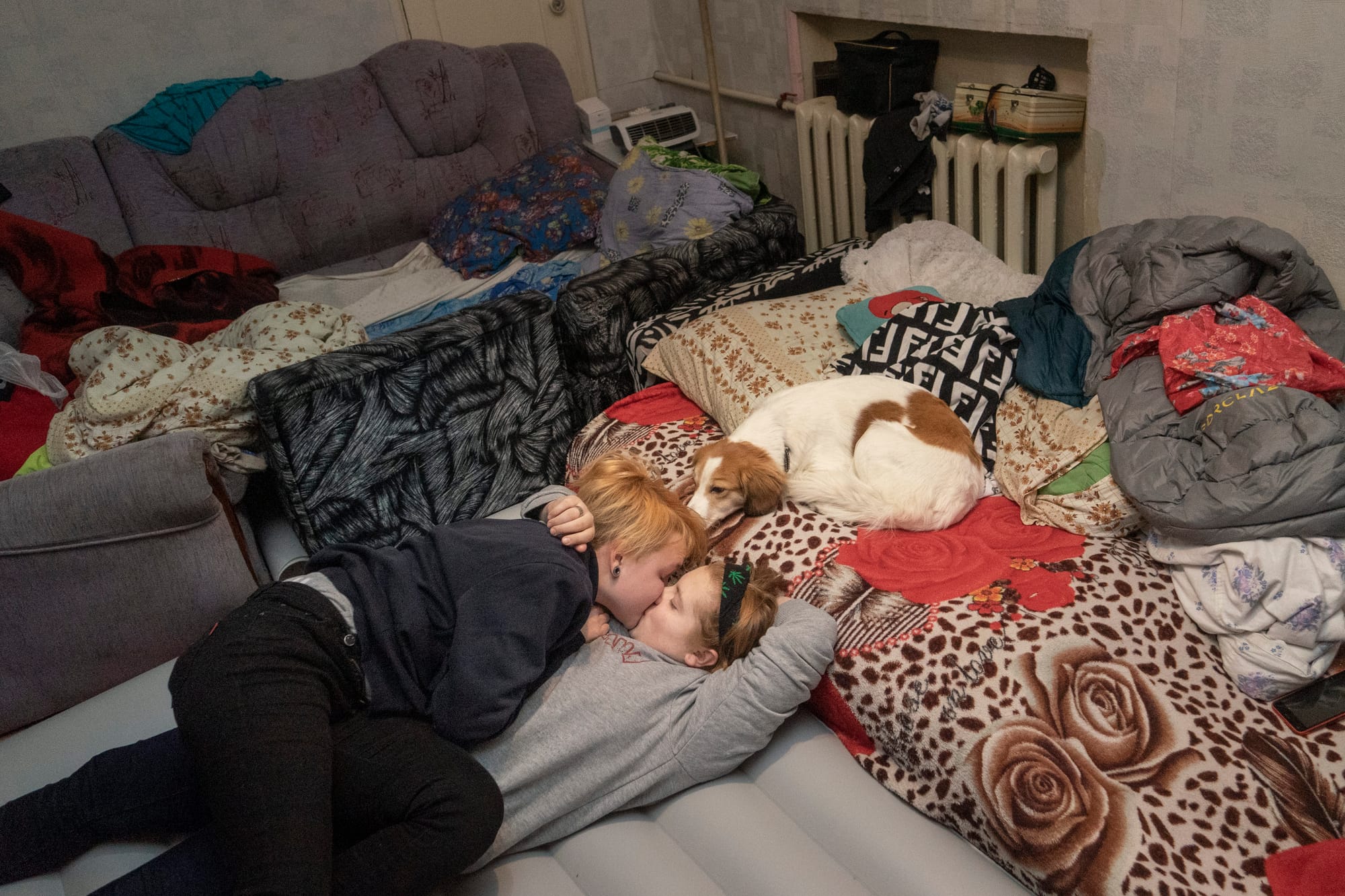
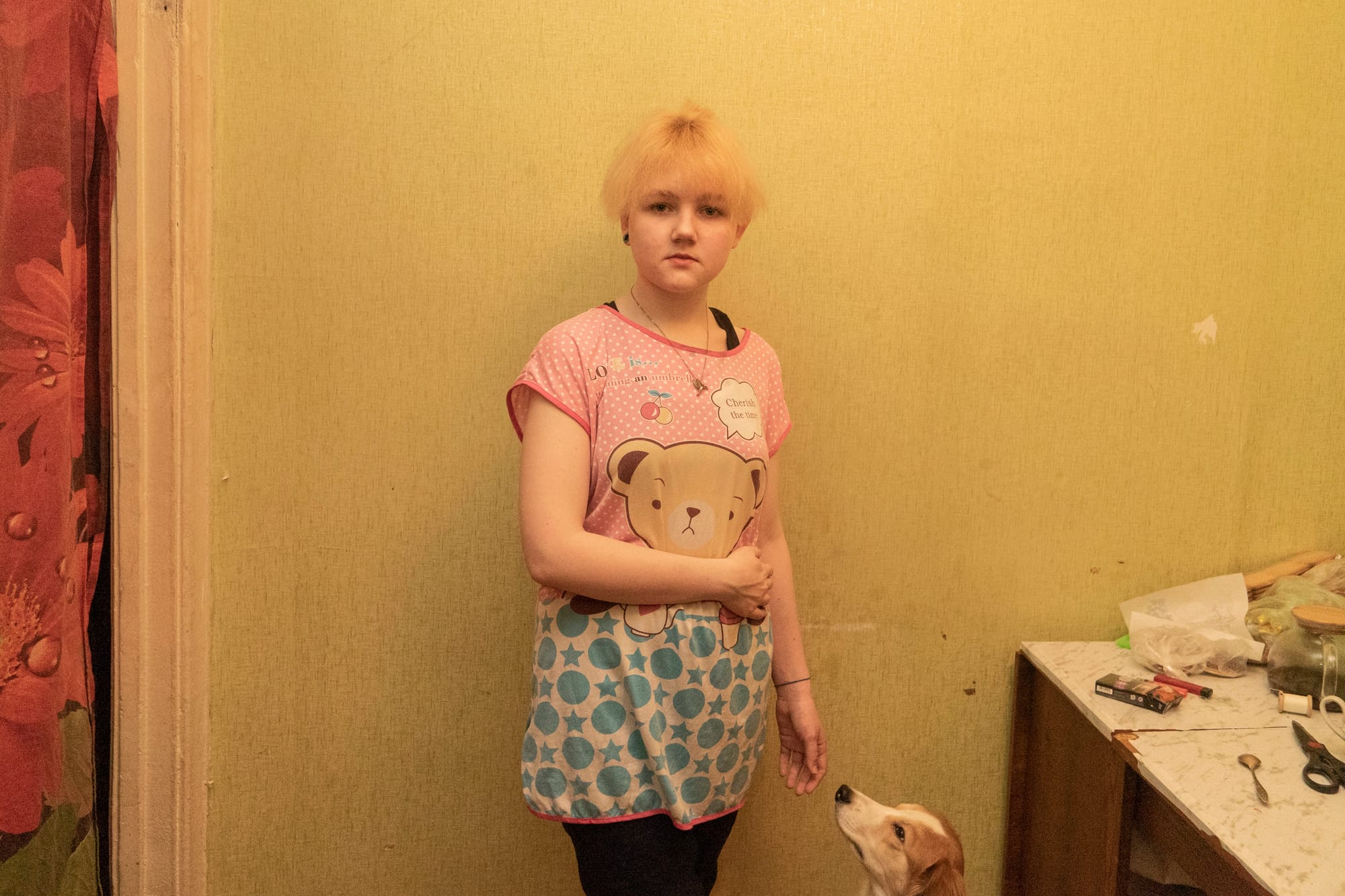
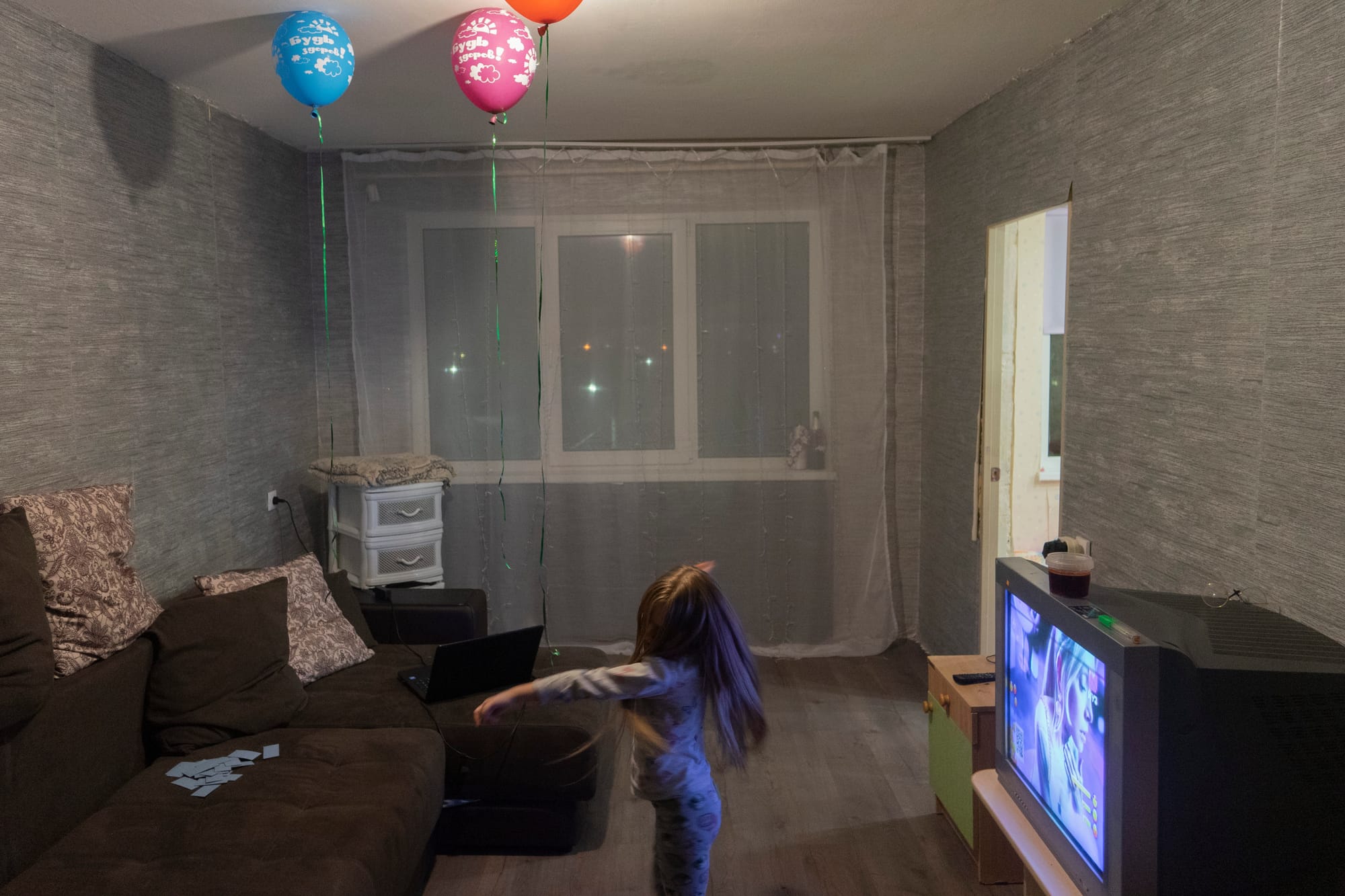
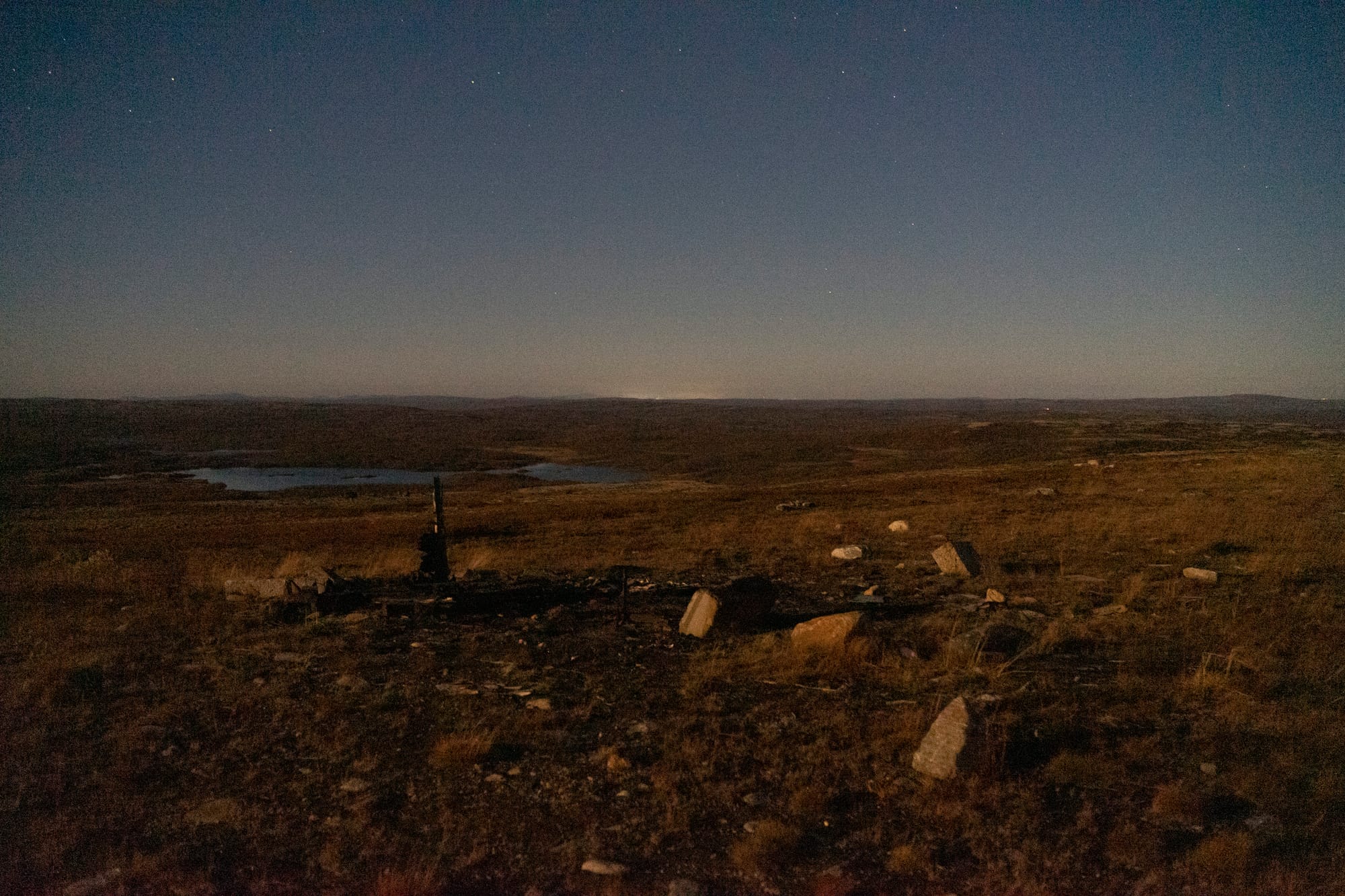
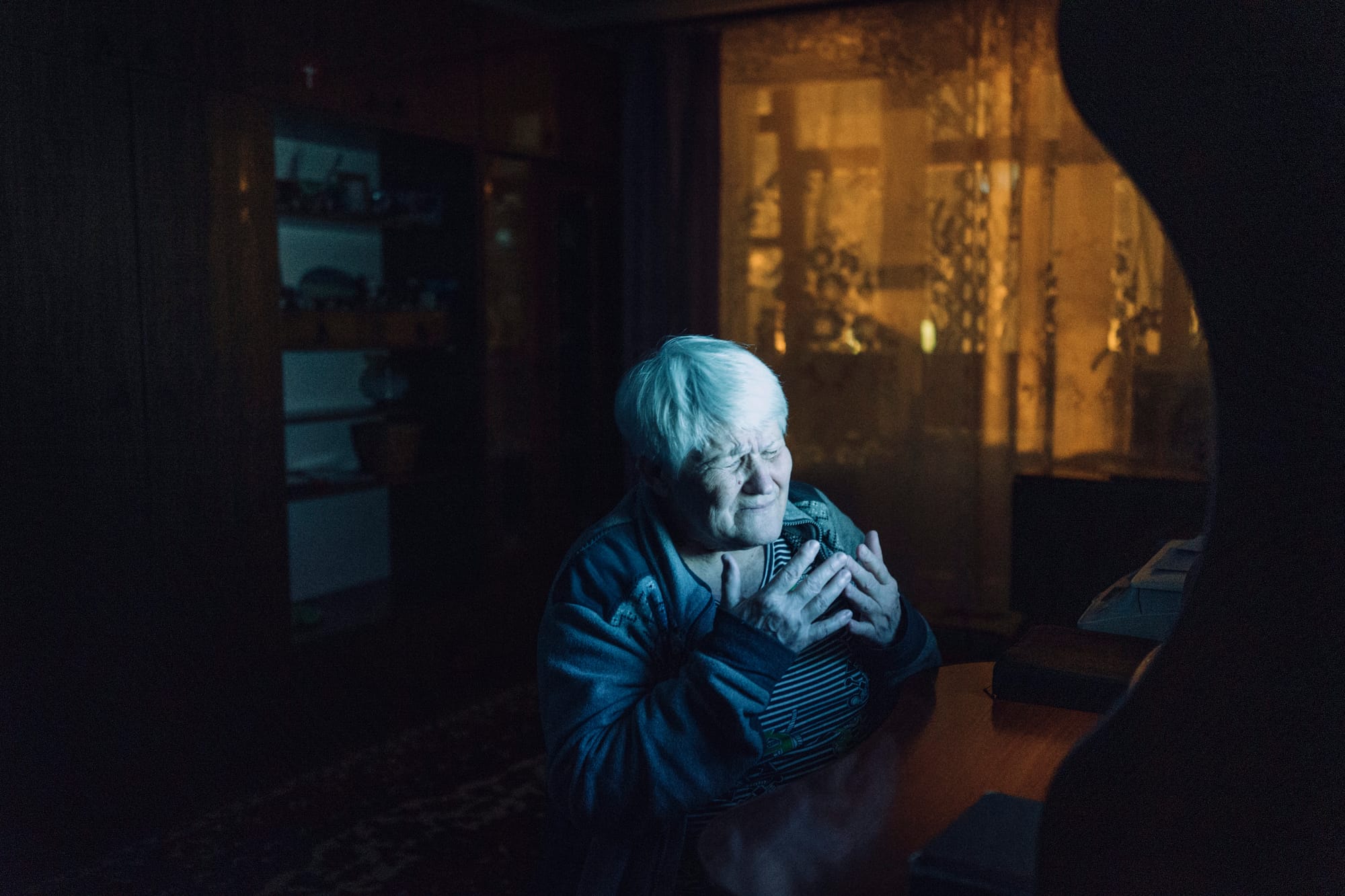
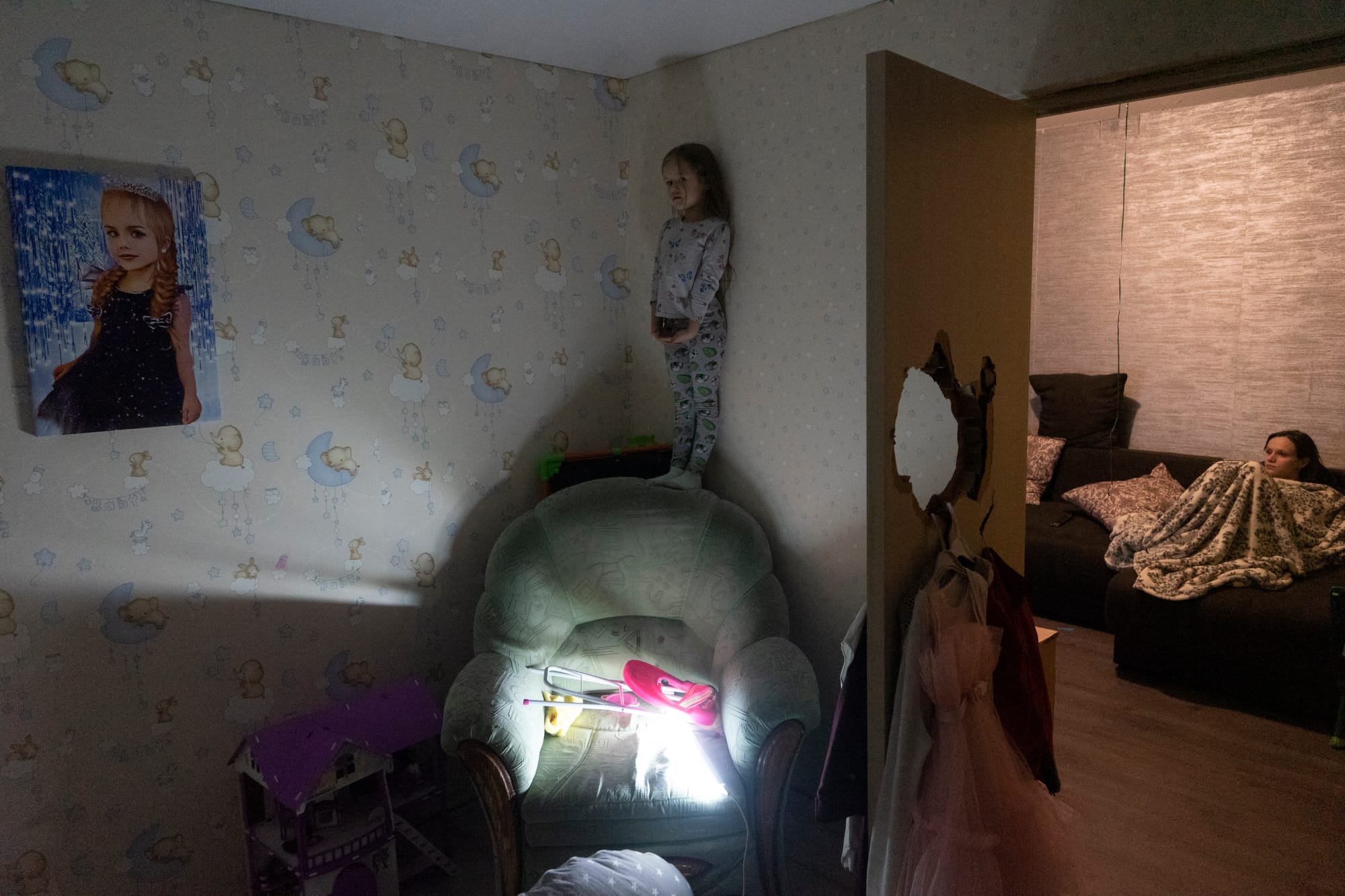
I traveled to the Murmansk region in 2021-2022, wanting to experience the night with its residents. During my journey, I met people and witnessed landscapes. None have seen a single ray from the promised artificial sun.
I used Murmansk's perpetual darkness as a metaphorical lens to explore contemporary Russia, and Russia's invasion of Ukraine made me confront its harsh realities, adding new meaning to my Znamya project.
Author biography
Born in 1996, I am a Belgian photographer based in Brussels.
After working in Russia until 2022, I began developing new series that document, from a personal perspective, the events shaping Europe, primarily in Central and Eastern Europe. This led me to work on the Polish border with Belarus in 2022-2023. Recently, I started new work in the South Caucasus, where I explore the notions of state and belonging, both in personal projects and on assignment.
My work has been exhibited at the Musée de la Photographie de Charleroi, Contretype (Brussels), Les Boutographies (Montpellier), Photo Marseille (Marseille), and Les Promenades Photographiques (Vendôme). I also collaborate with publications such as Le Monde, De Standaard, NRC Handelsblad, and others.
I was supported by Agence VU' during a mentoring progamme, which concluded in September 2023.
I have won two major awards rewarding photography in Belgium (Price Fédération Wallonie Bruxelles and Price Roger De Conynck.