

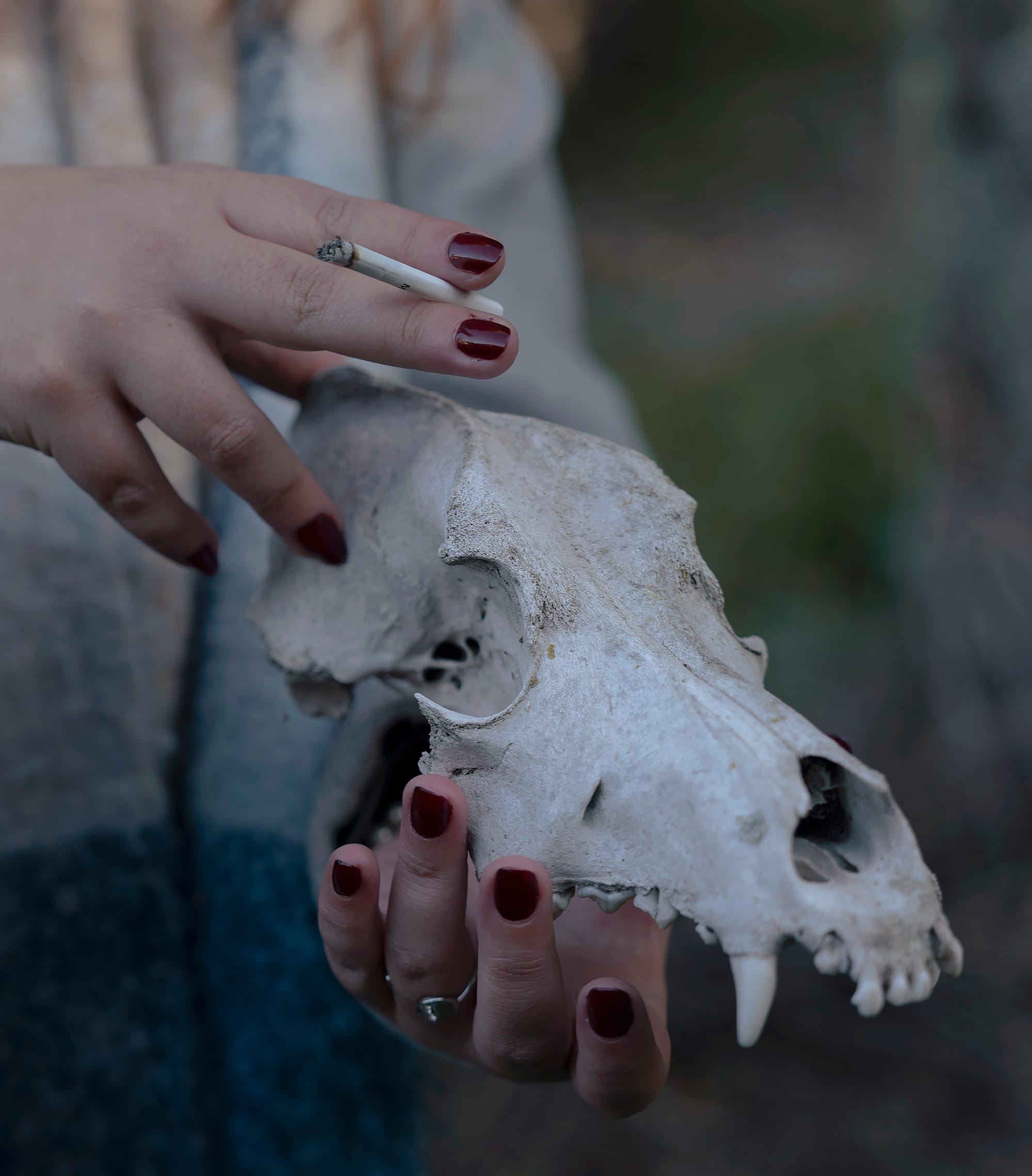
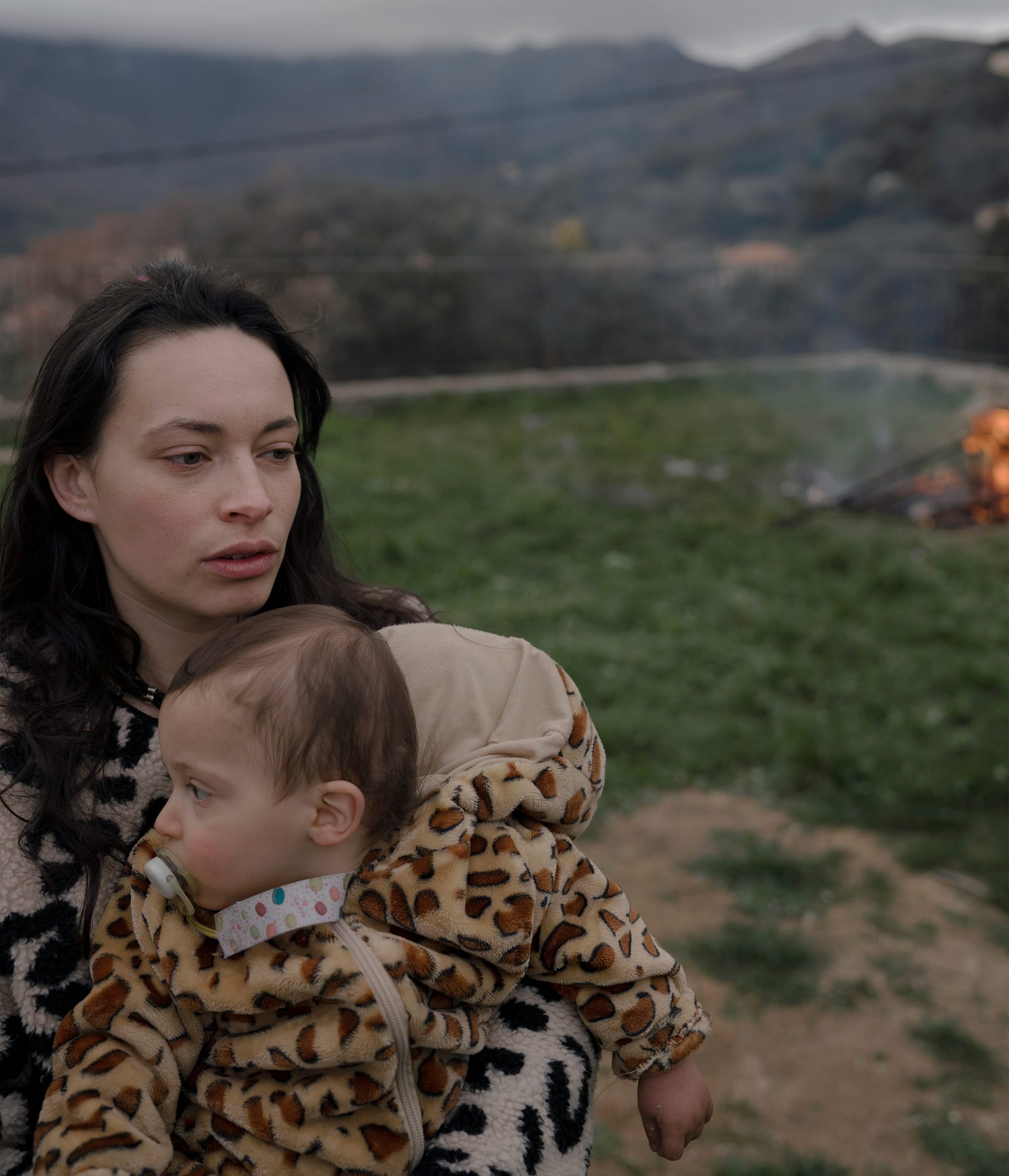
One day, my mother sat me down in the back seat of the midnight blue 206 that I had always known, with the dog at my feet, and we set off together. We left the Paris suburbs, then at the end, we boarded the ferry, and we started all over again, somewhere in the Mediterranean. It was complicated, everything was complicated back then—and moving to a sunny place was sure to make things less complicated.
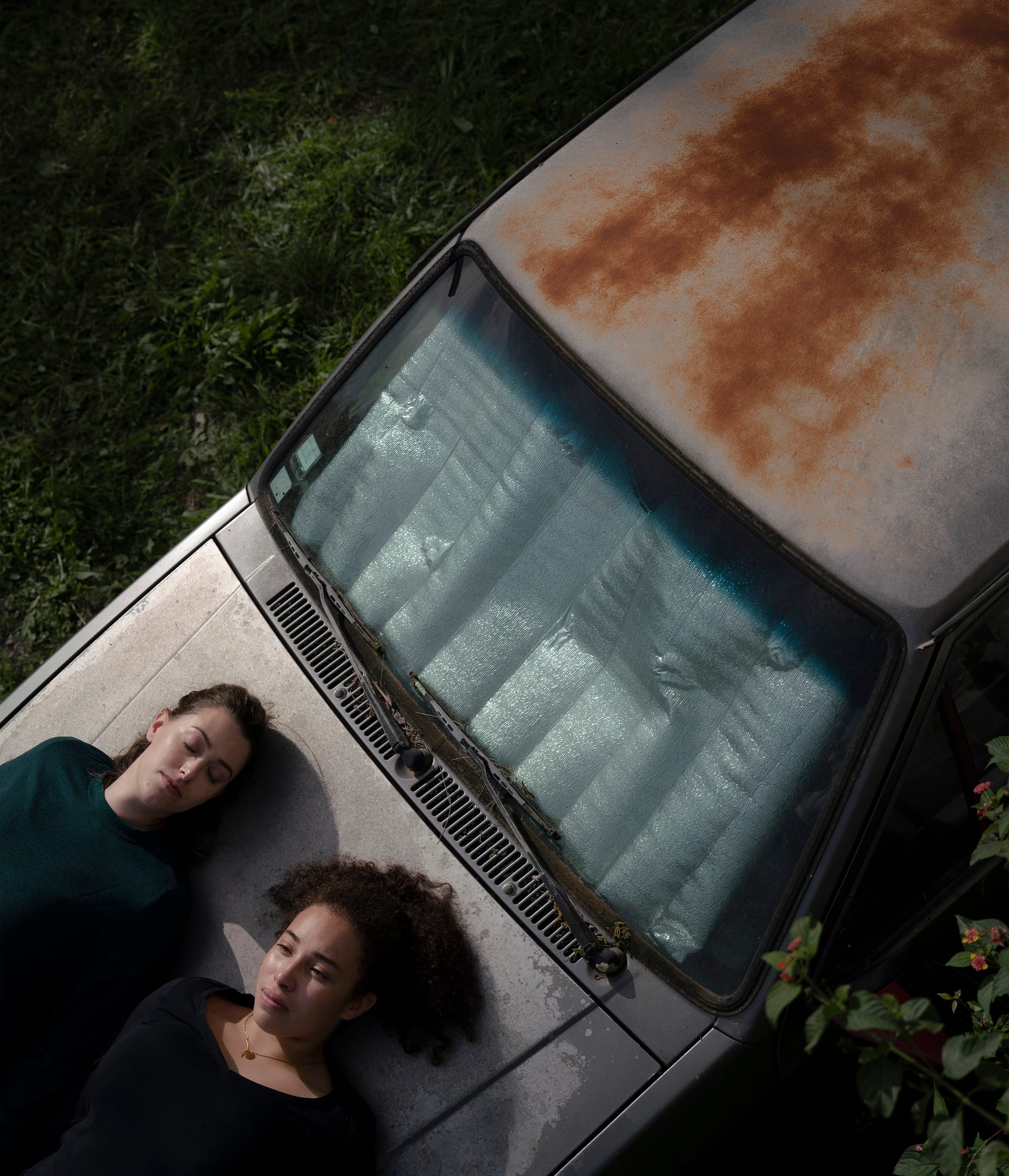
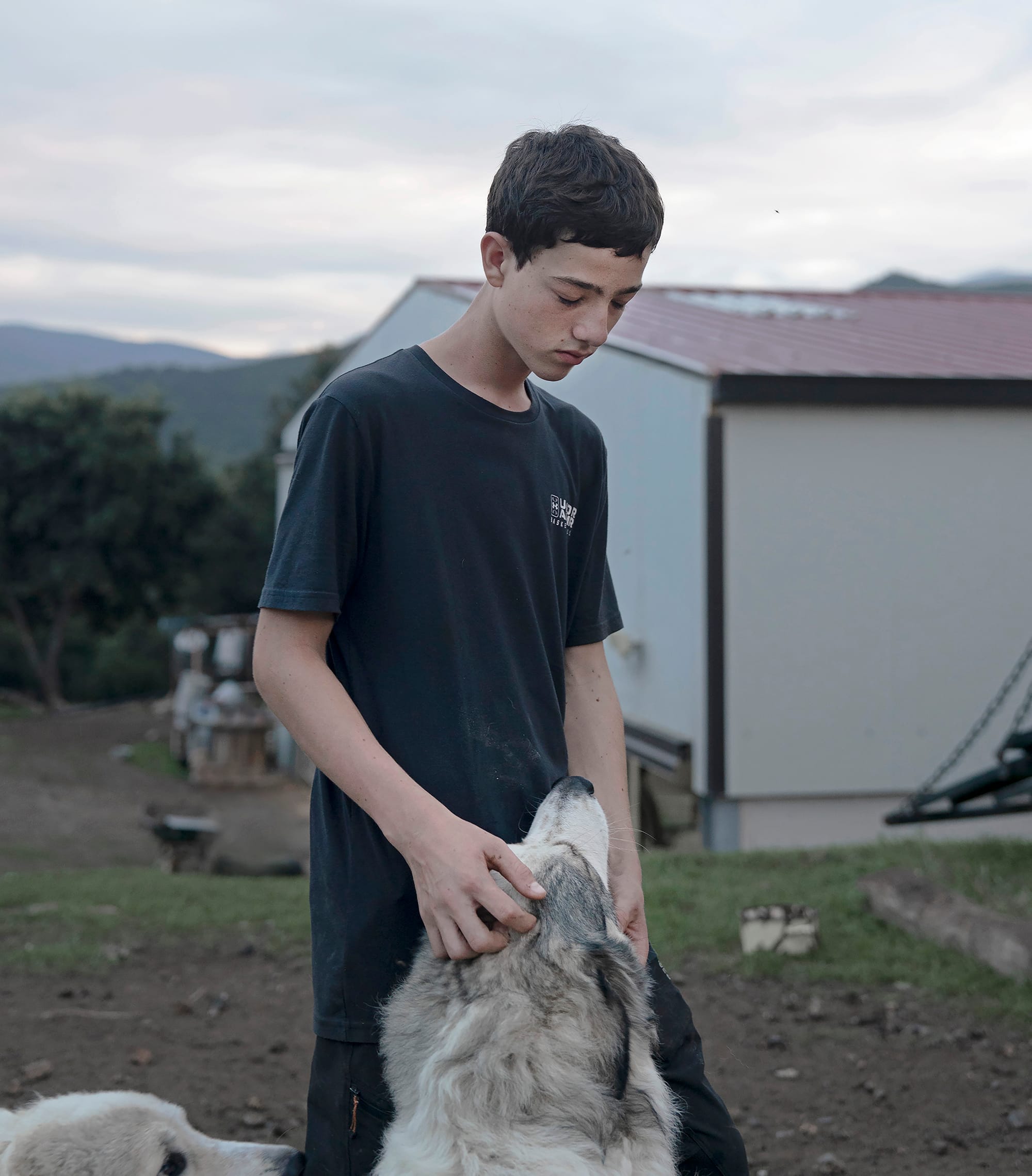
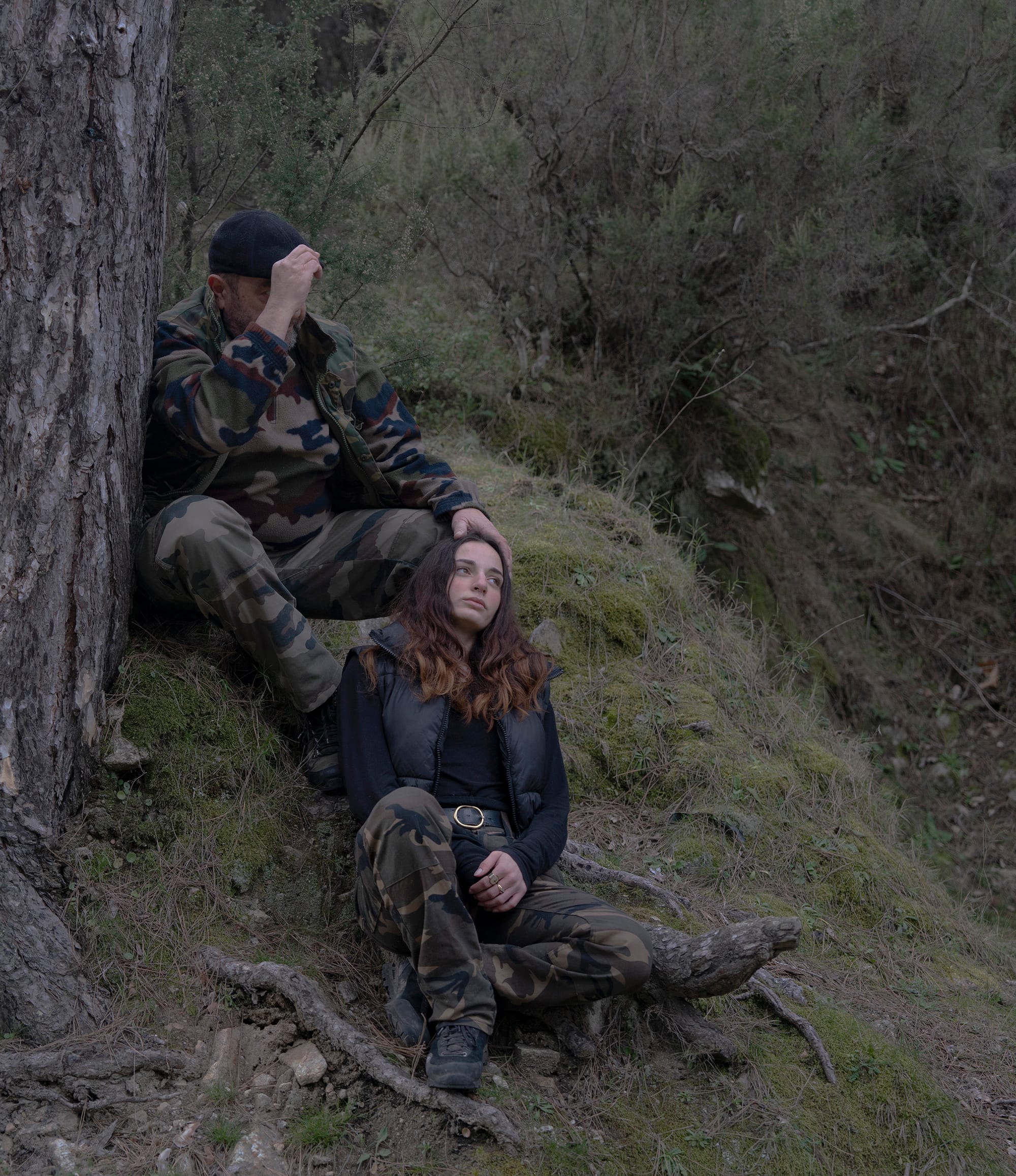
I grew up in a village in northern Corsica, just south of the cape. I arrived on the island when I was eight years old and left when I was eighteen, with a large backpack on my back and a small backpack on my chest. It's strange how everything you own can be summed up in so little. It took me a long time to want to come back. I don't really know what defines a home. Poets say it's people—others, more pragmatic, say it's four familiar walls and a roof. I've always had a hard time feeling at home in all the homes I've lived in. And then one day, I felt the need to answer that question. I think it's because there were too many other questions hanging over my head. I had to find an answer to at least one of them.
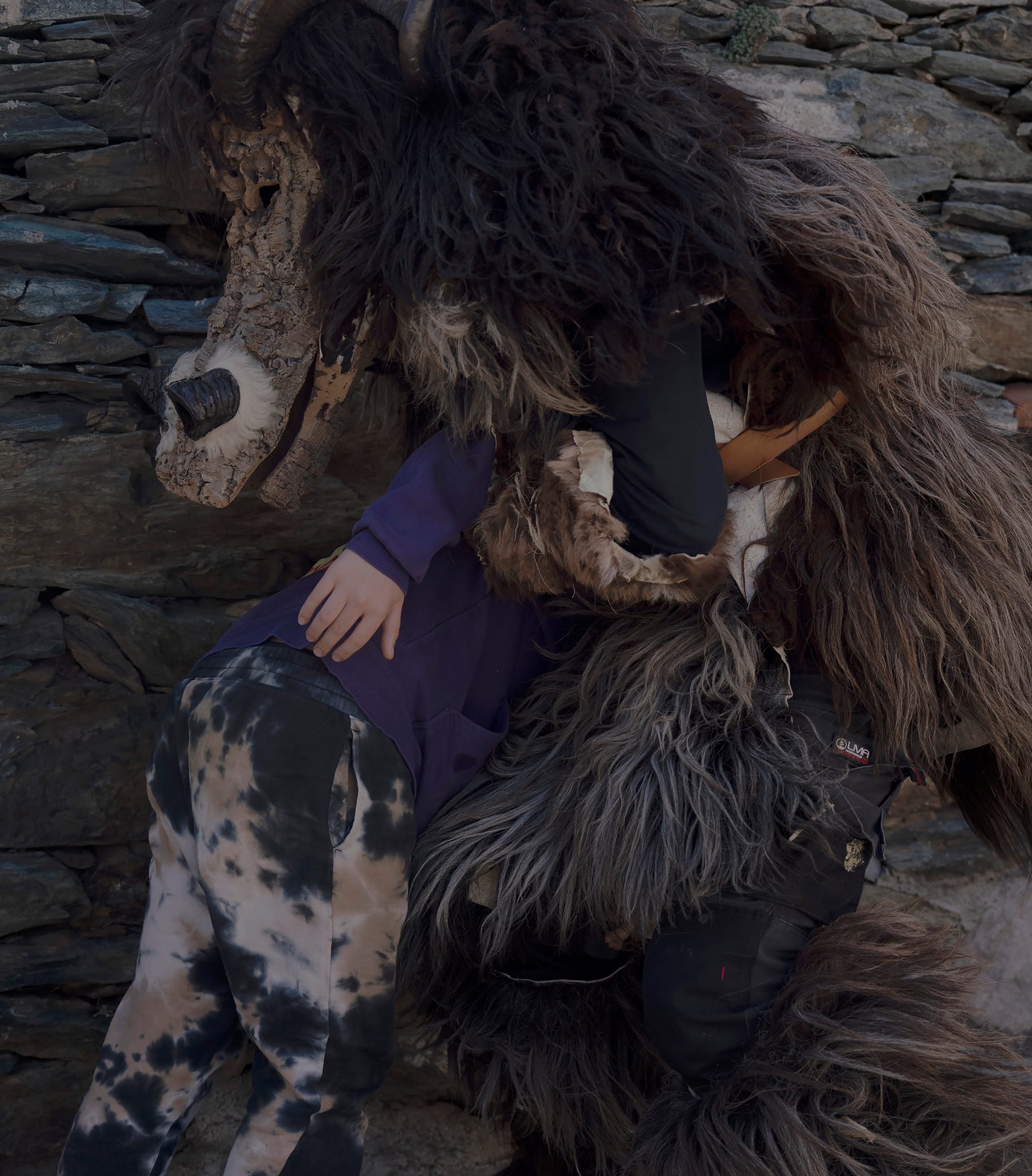
In Corsica, knowing who you are—where you belong, what history you belong to—is, I think, a little more crucial than elsewhere to your identity. Family heritage is passed down from generation to generation. We are very attached to our elders and our places. When I was a teenager, my family was my mother, and family history was a painful subject. I felt that understanding the reasons would fill a void inside me. And then finally, when I found out, the void was still there.
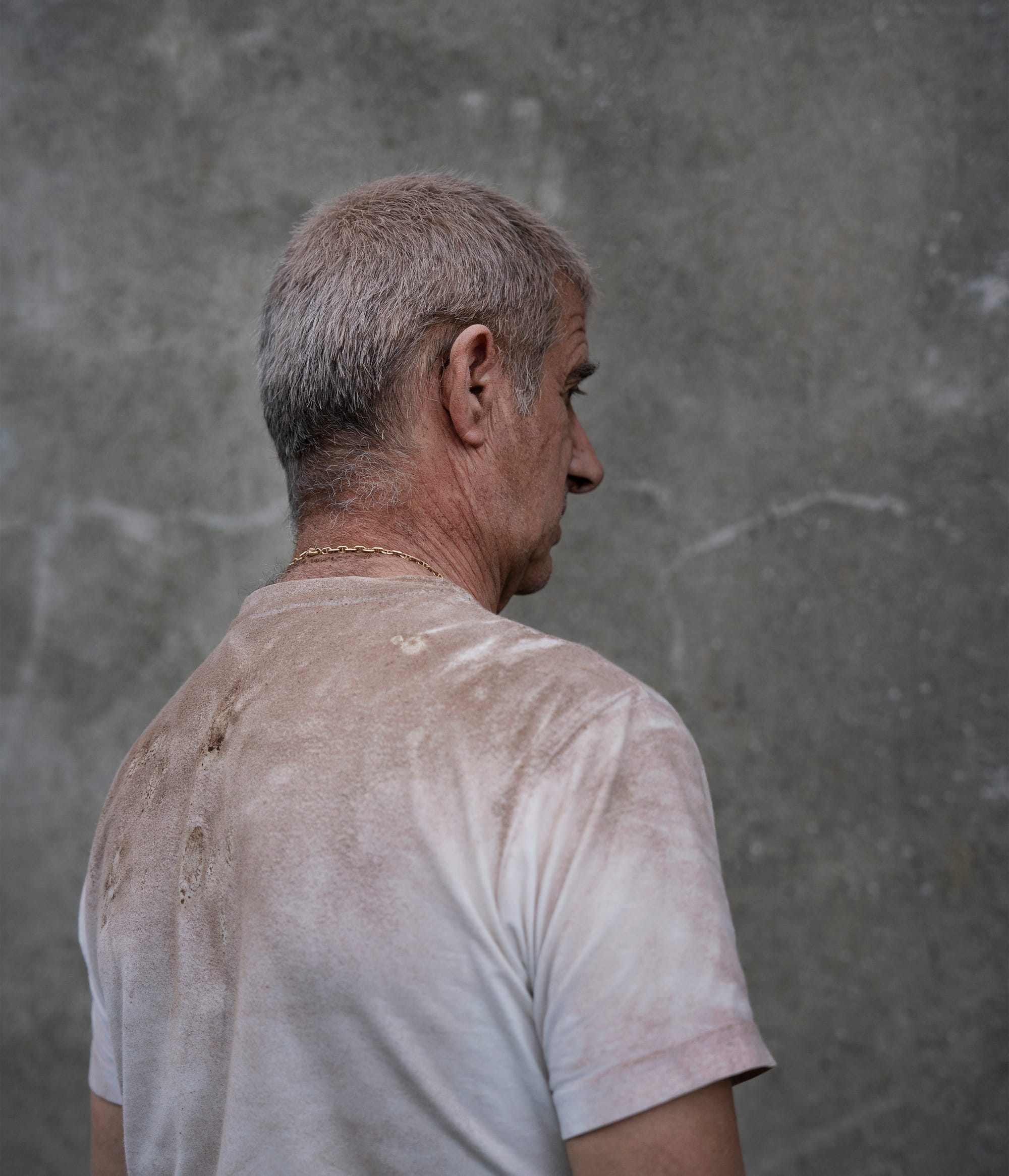
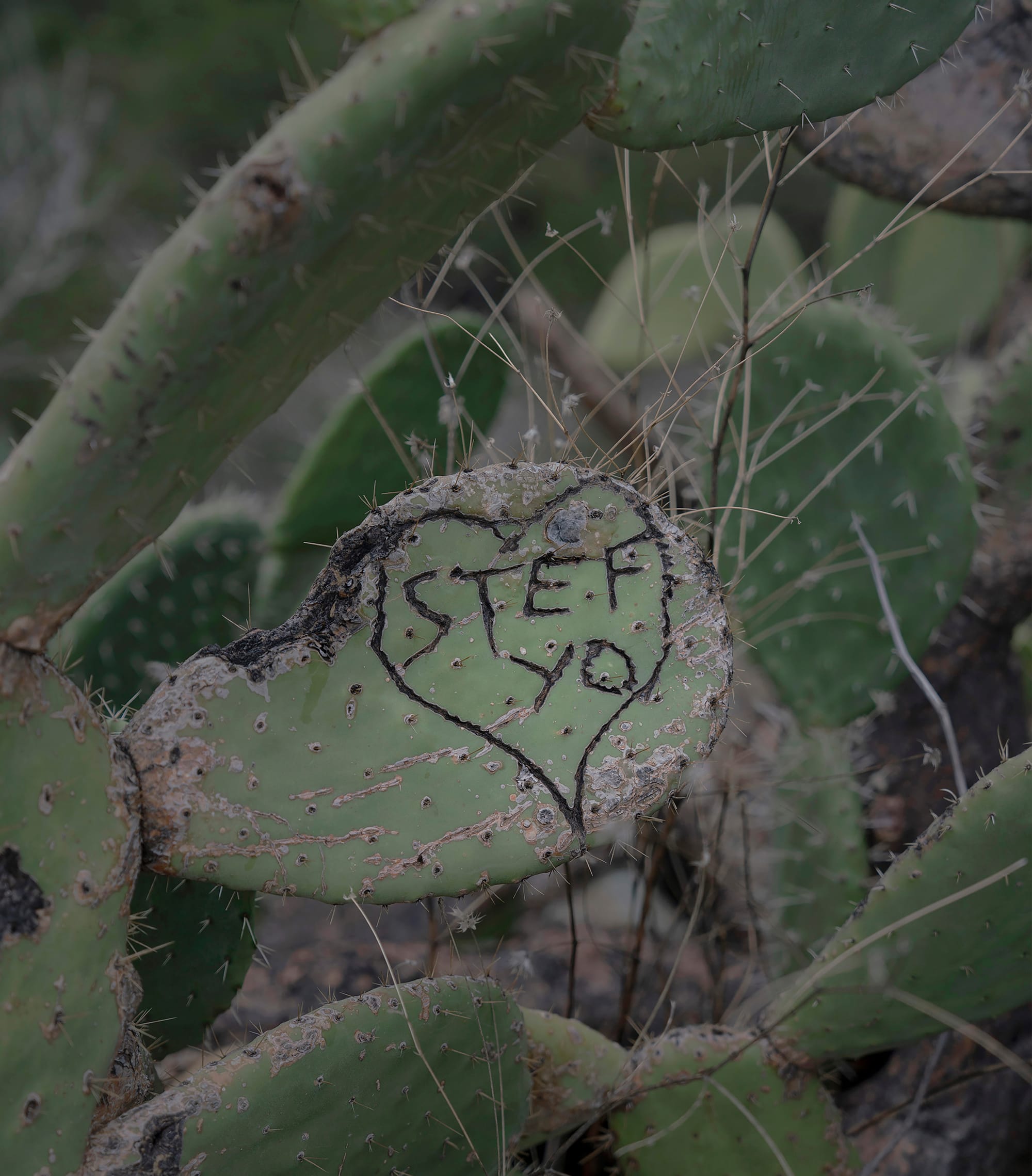
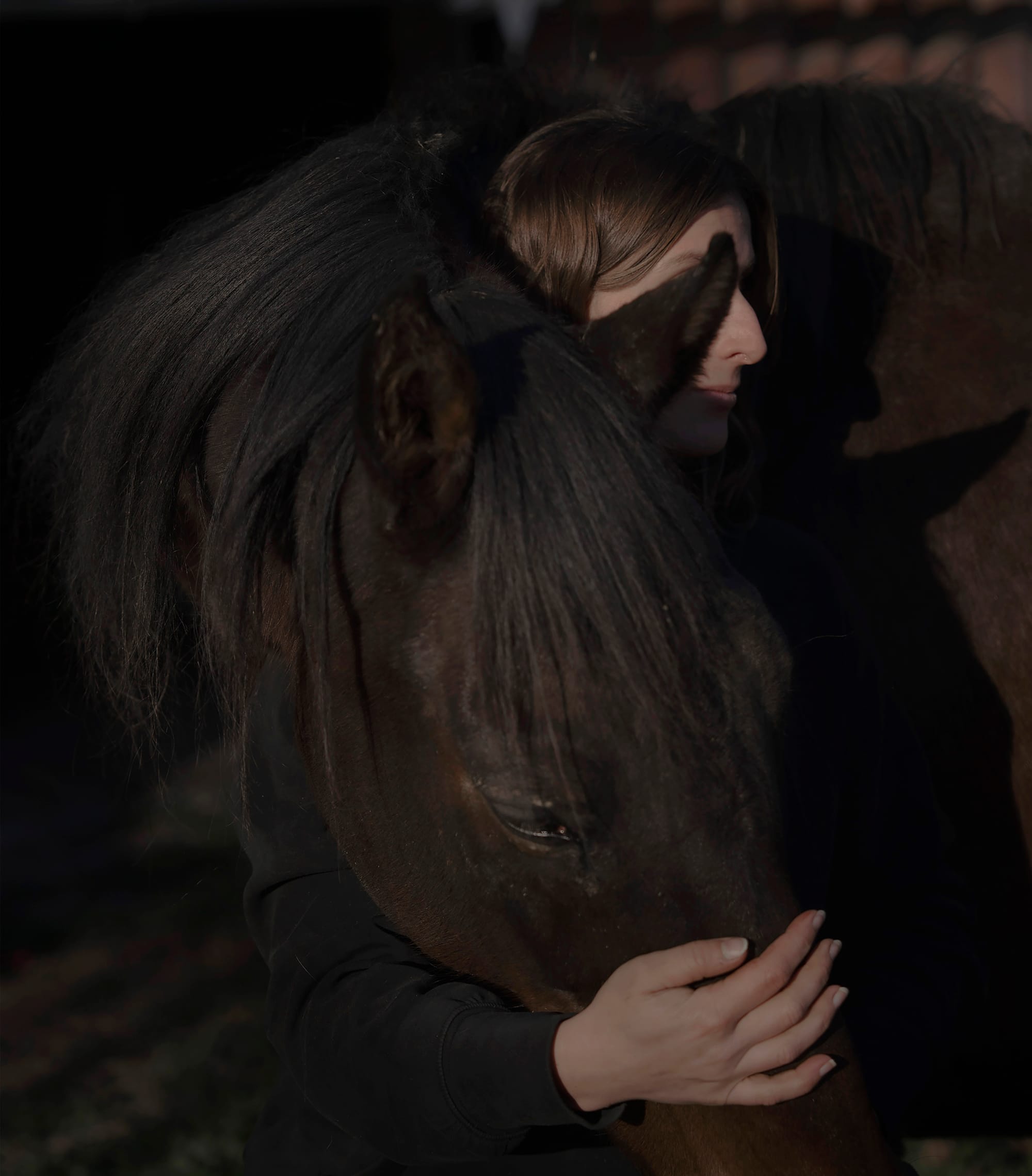
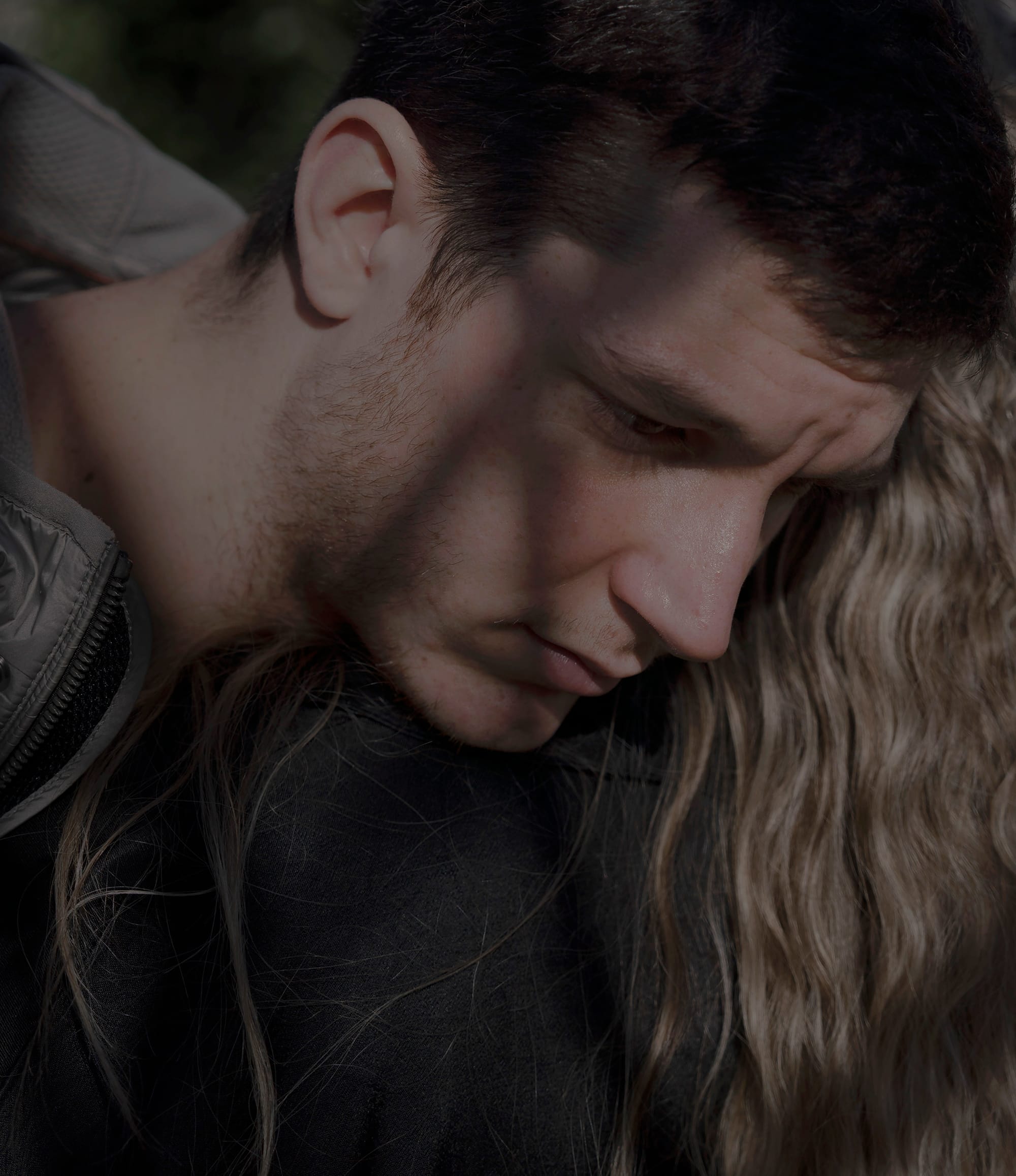
So I decided that “home” would be there. Not because I felt particularly at home there, but simply because I couldn't remember any other place. I had no memories from before, and I had spent the years since then with a backpack on my back. So “home” had to be there. What's more, there were two people on the island who mattered to me, two reasons to return. That was enough.
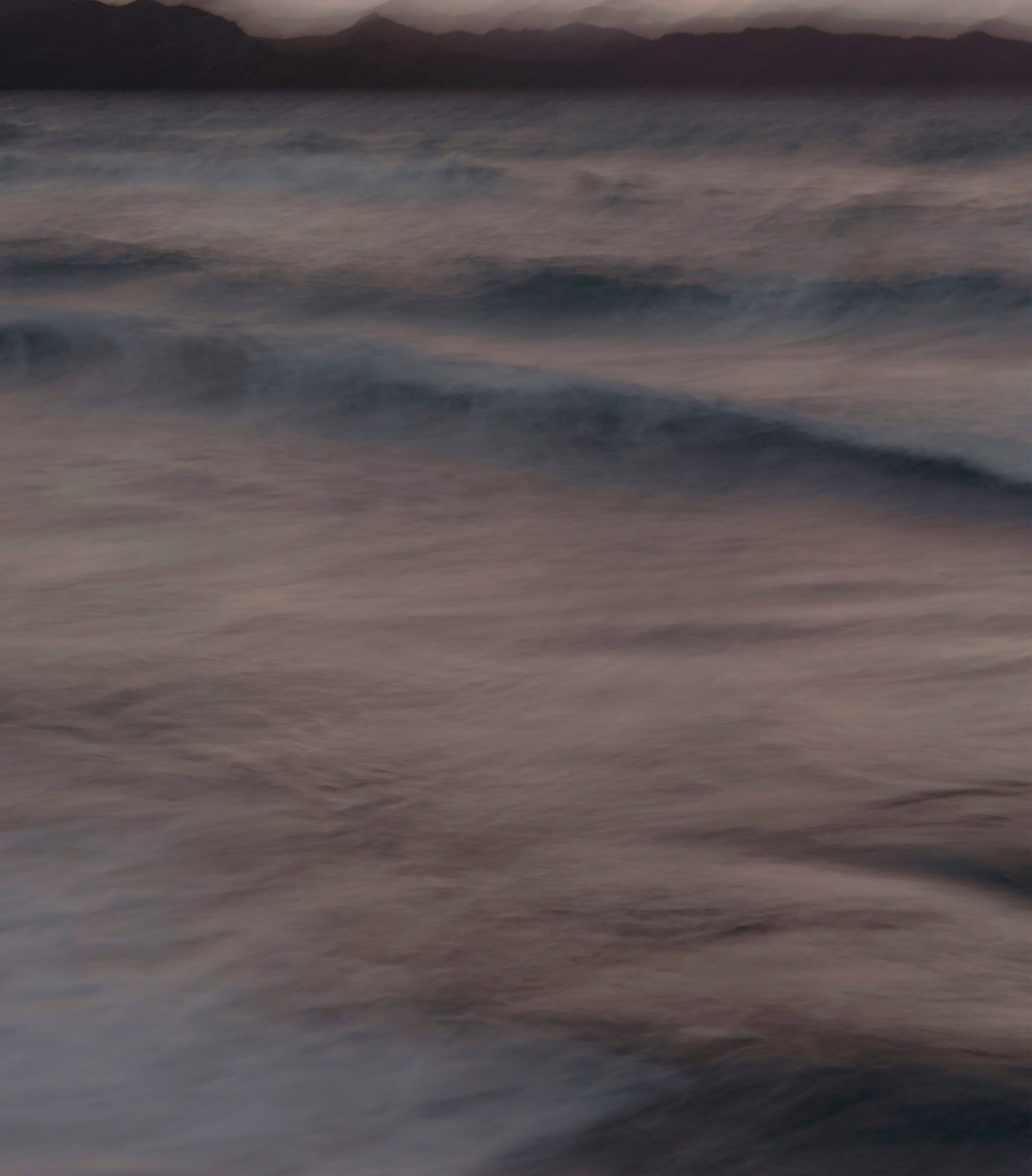
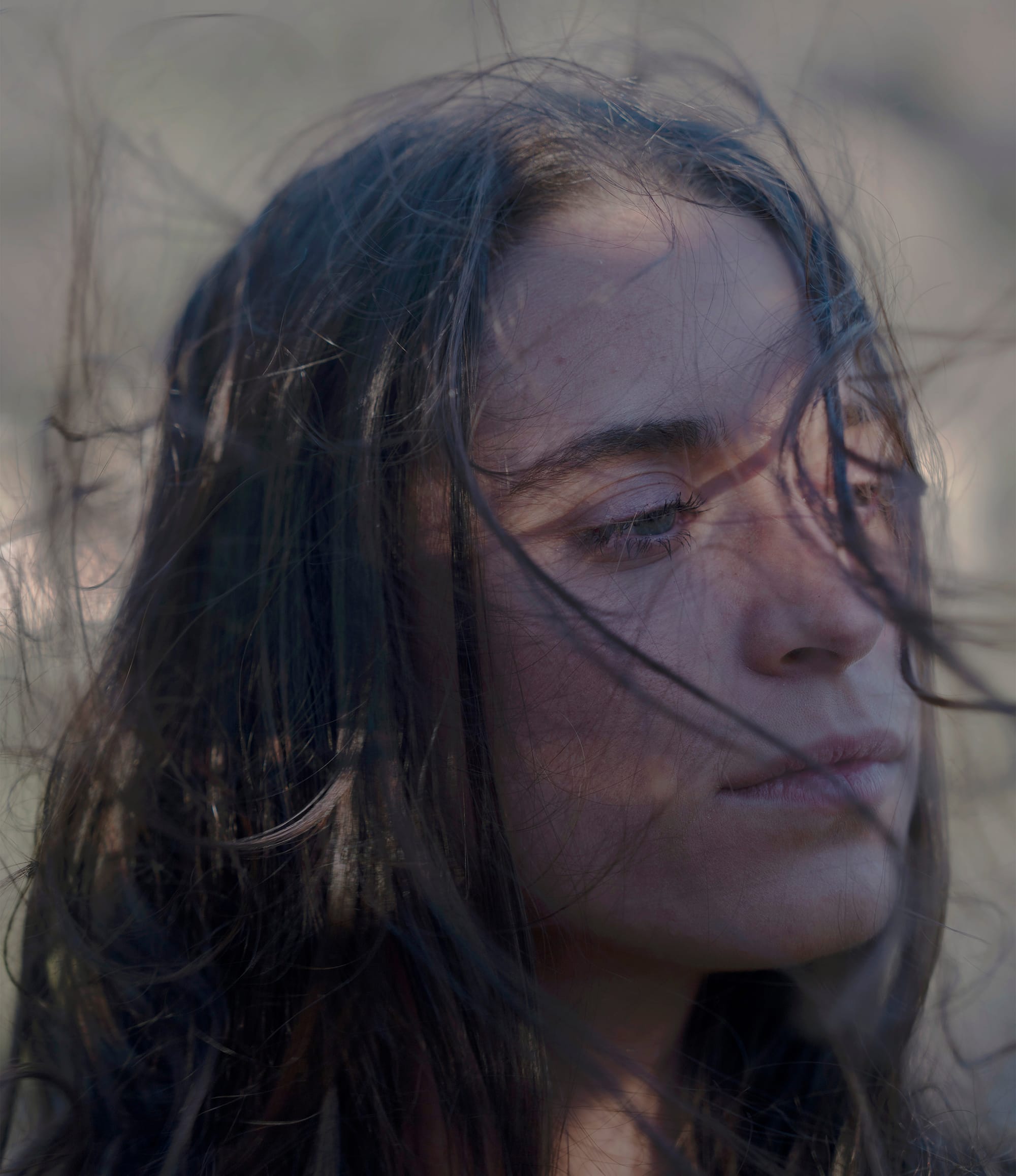
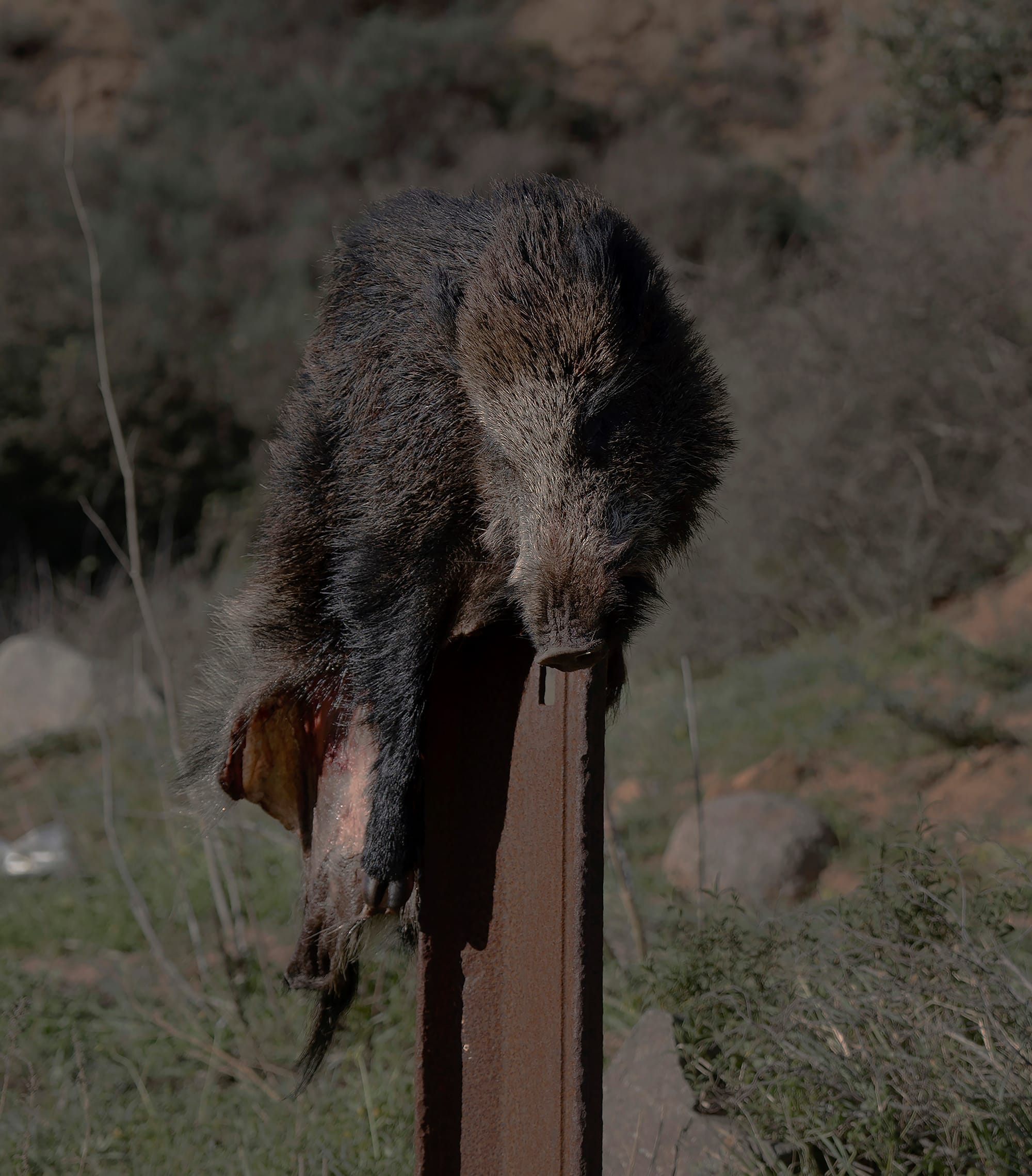
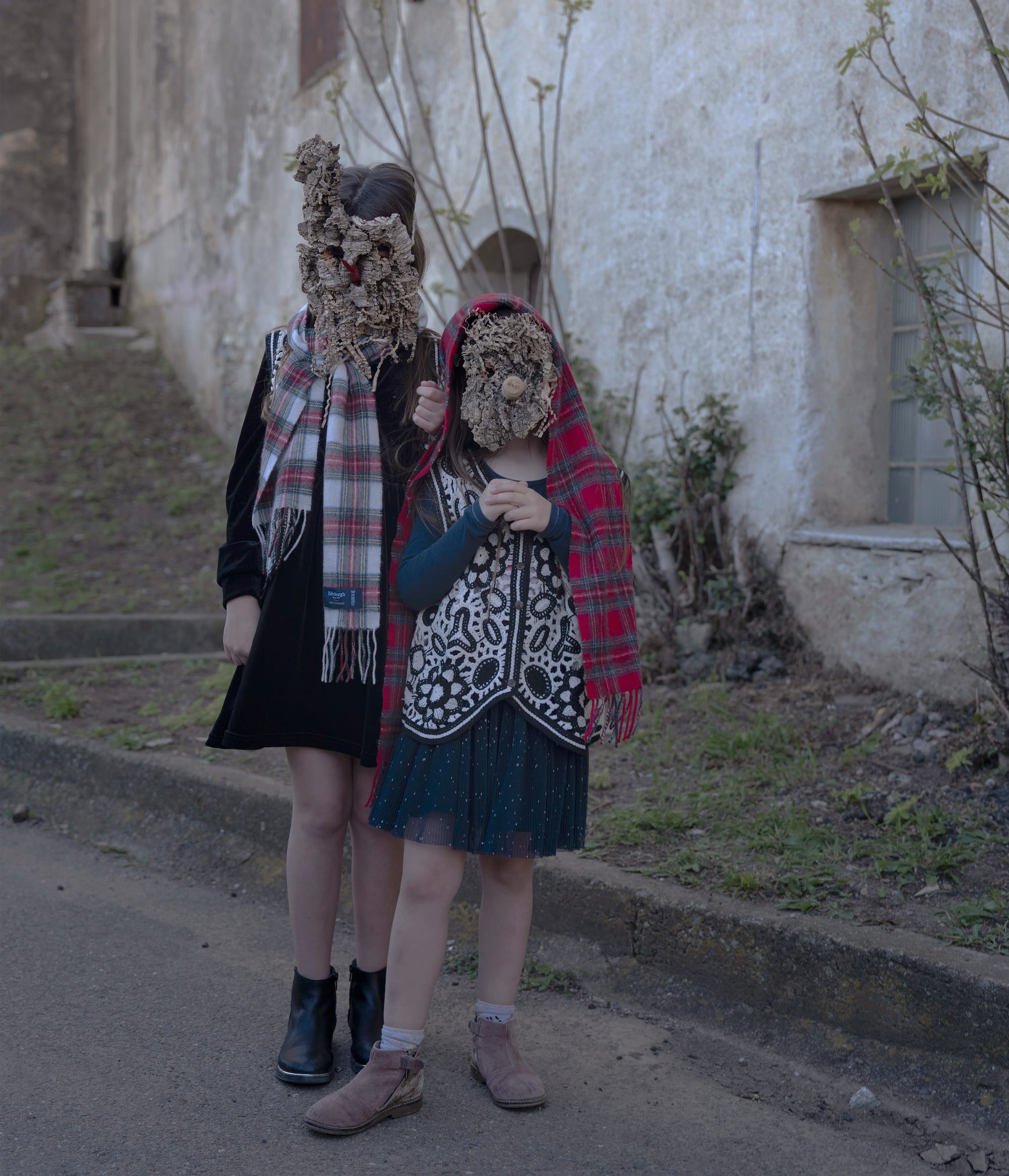
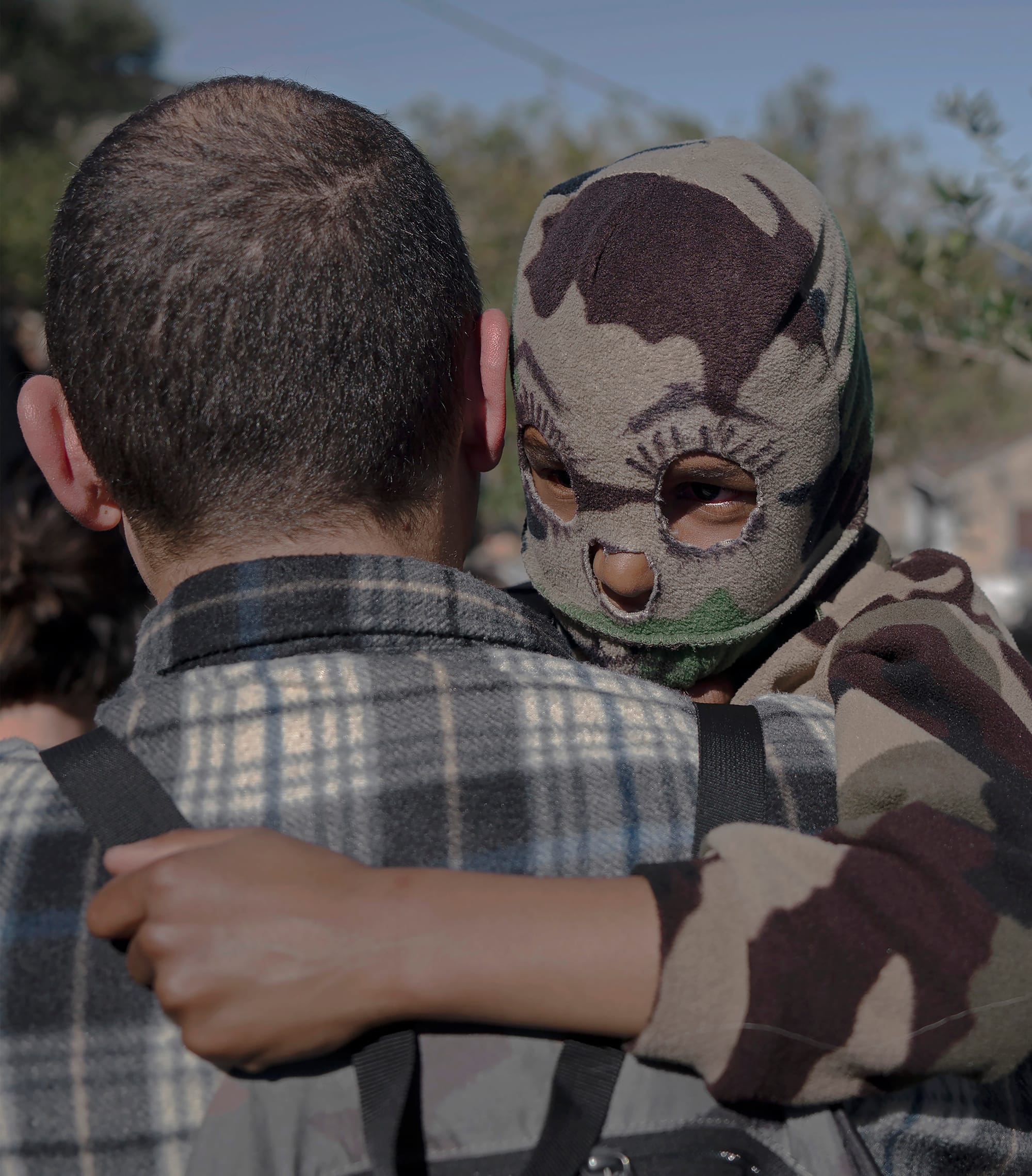
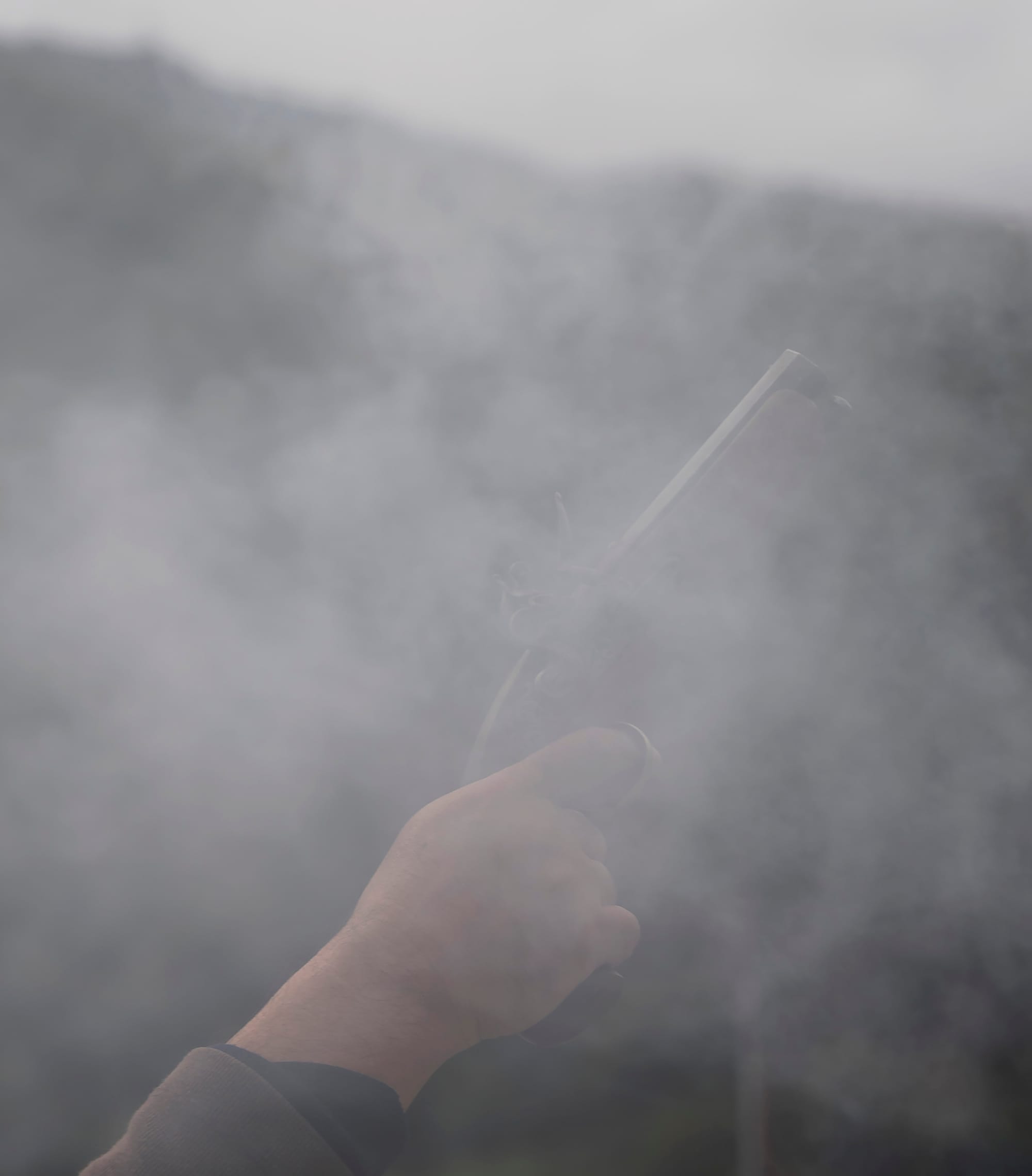
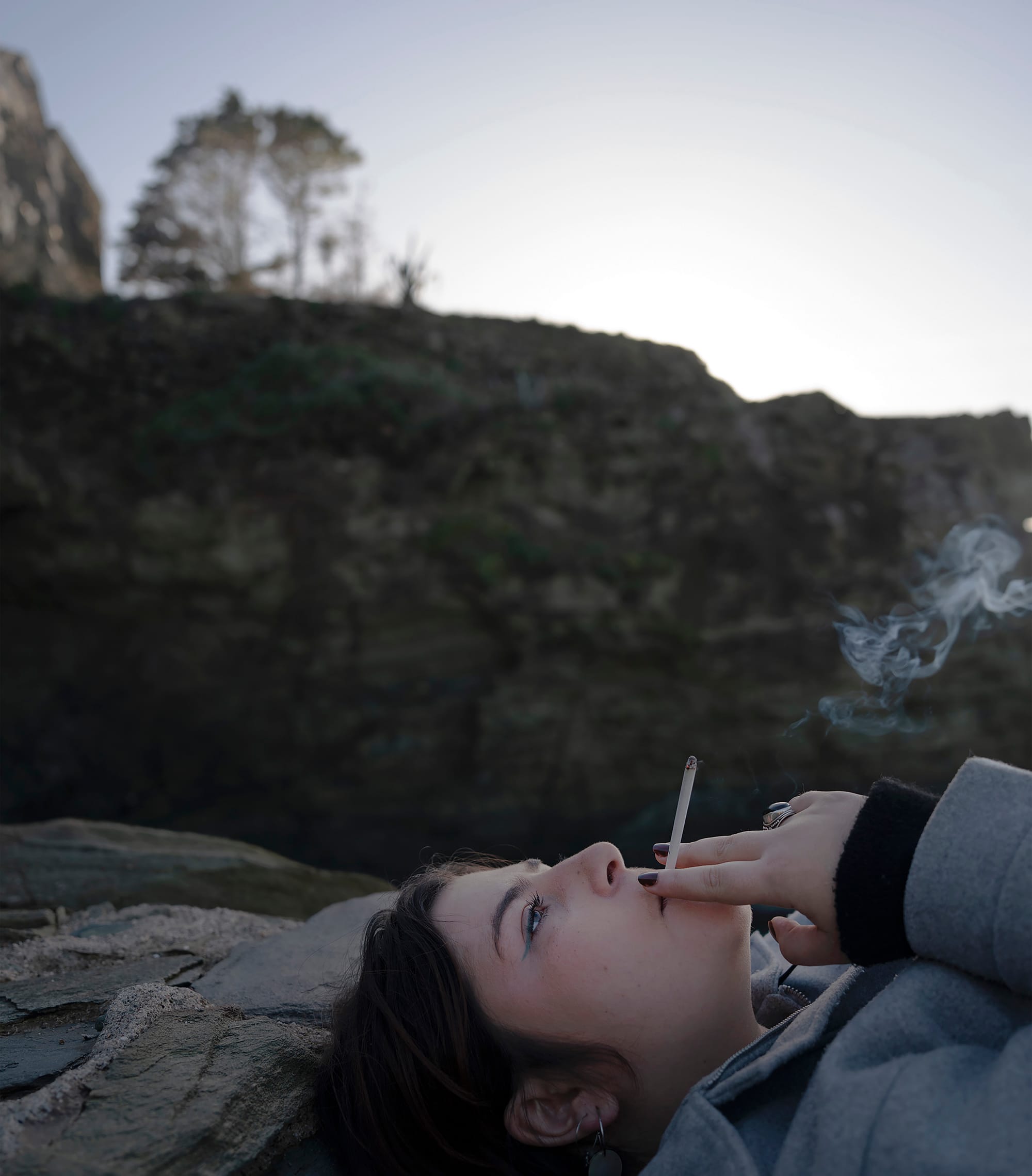
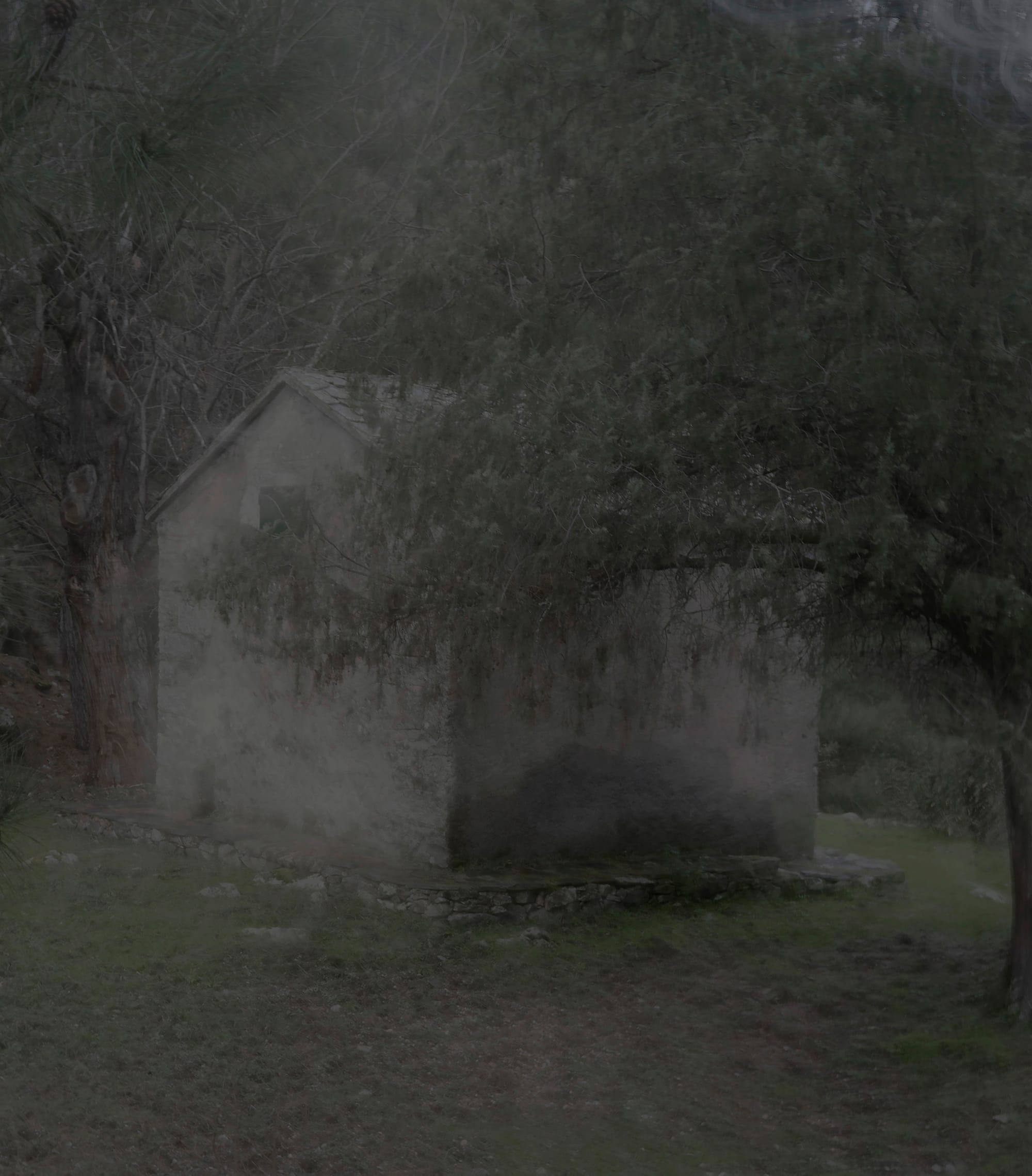
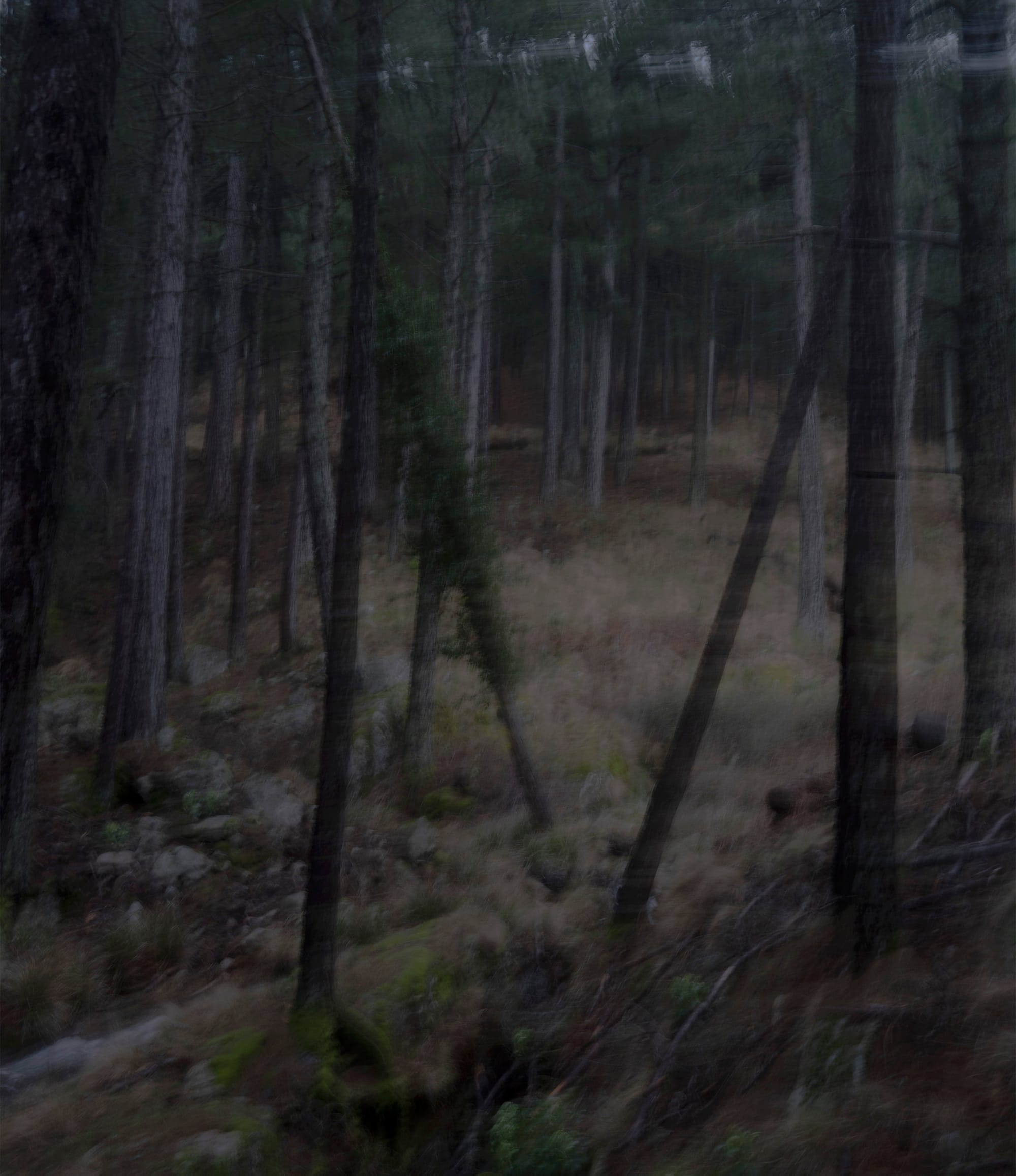
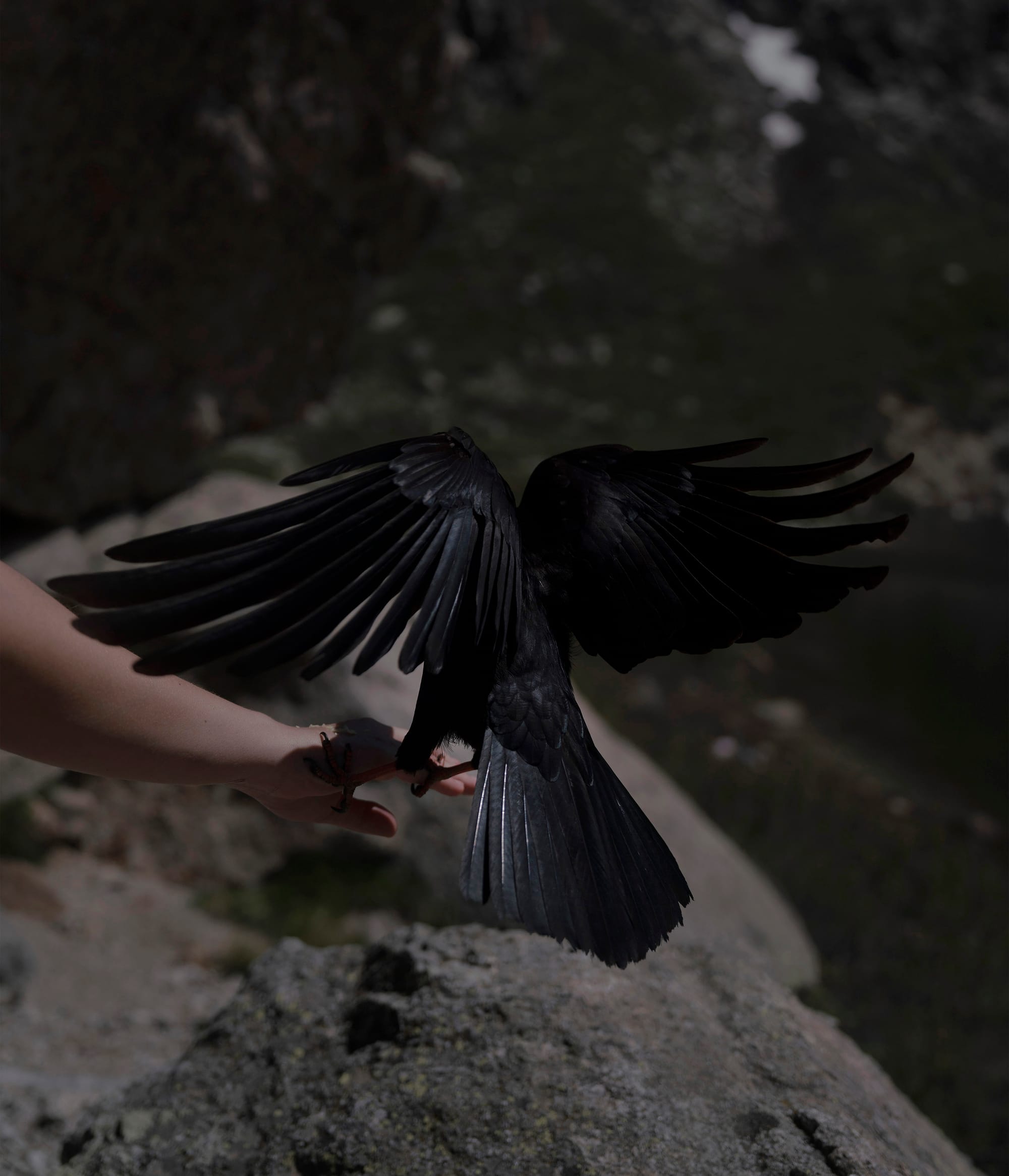
Nanna Strana can be translated into Corsican as “the strange lullaby.”
Author biography
Fiora Garenzi is a documentary photographer born in 1998 who grew up in Corsica. She studied photography, the history of the Arab world, and geopolitics before embarking on personal projects that primarily explore issues of community, belonging, and connections to groups and places.
At the same time, she works for the press and various NGOs.
Her series have been recognized with several awards and grants, including the Laurent Troude Grant (2025), the SAIF Award – Women in the Spotlight 2024, and the Prix de la Vocation (2023).
Her work is regularly exhibited in France and internationally: Exhibition at the Maison Bourbon, Bordeaux (2026), Exhibition at the UPP, Paris (2026), Exhibition at Galerie VU’ (Paris, 2025), “Conflits” exhibition at Nikon Plaza (Paris) and Halle Ô Grains (Bayeux) with Nikon x Prix Bayeux; “9x10” exhibition (Lviv National Opera, Ukraine, 2023)...