

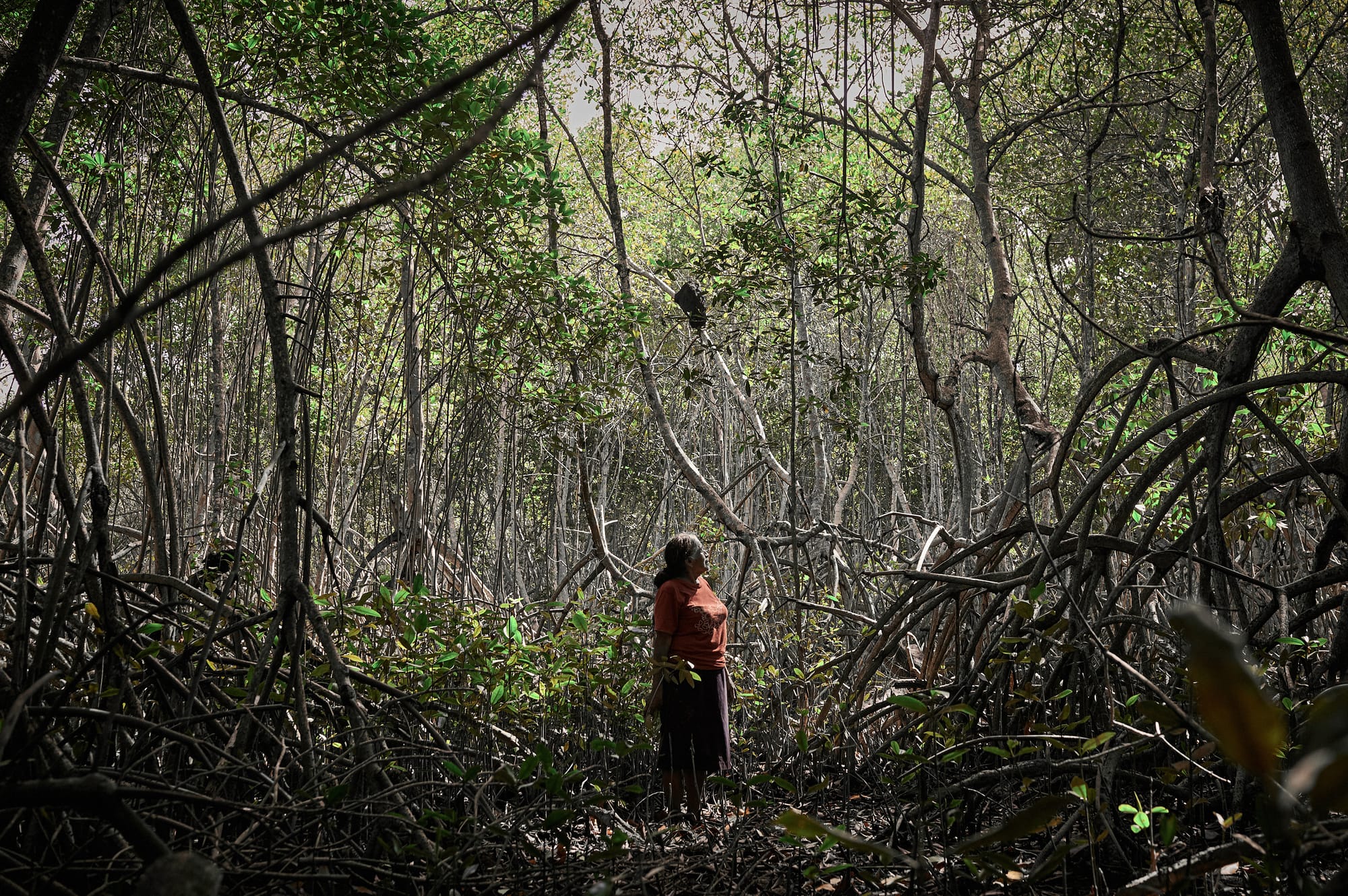
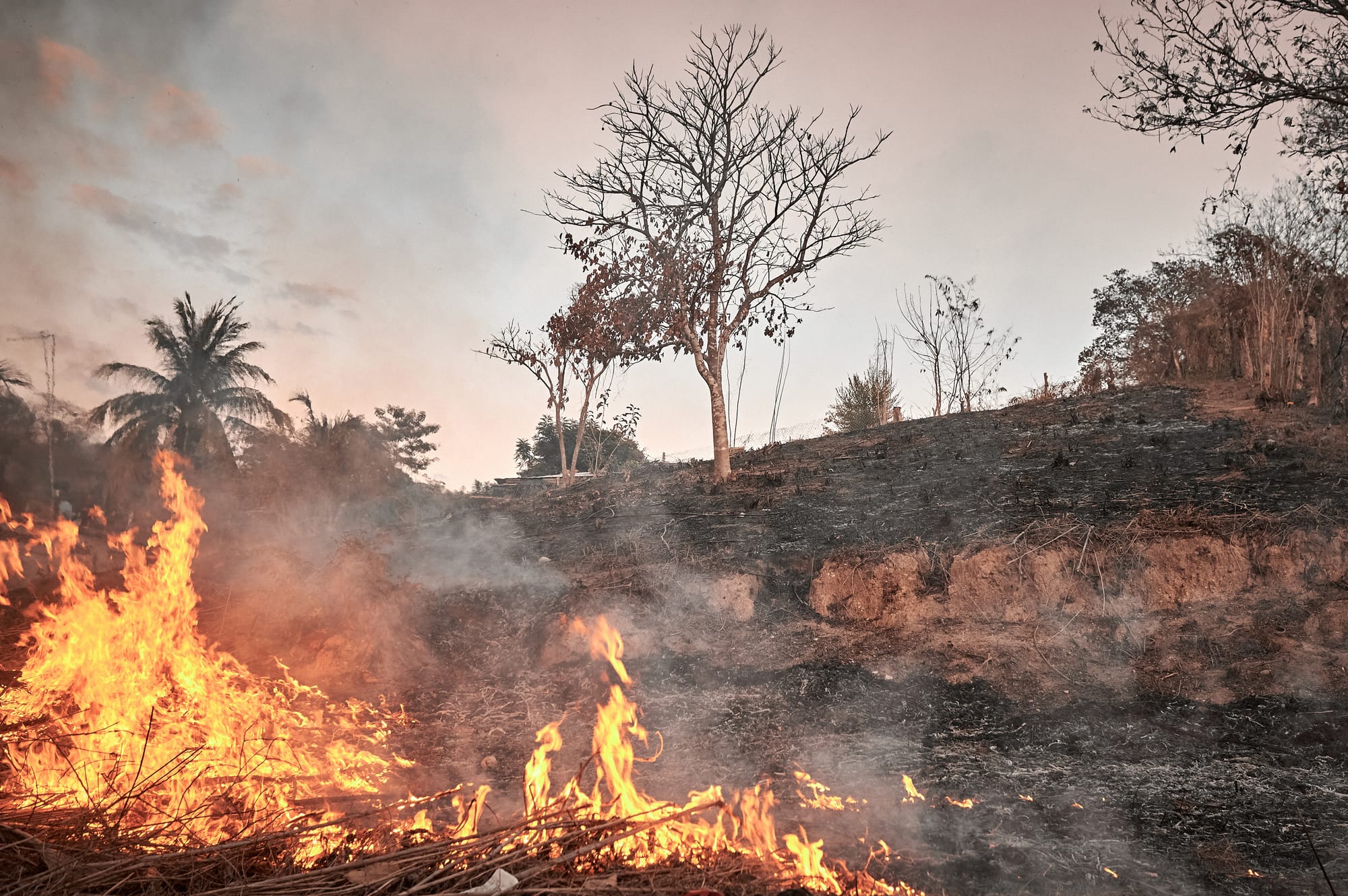
In Mexico, defending the territory can cost lives; in 2020 alone, 90 aggressions were recorded in 65 different attacks against land defenders. Facing other forms of violence, such as gender-based violence, poses another challenge. Despite this, indigenous women in Mexico have been resisting and defending their territories (with their bodies being the first territory they protect) for over 500 years. Capitalism, the climate crisis, and the Covid-19 pandemic create a complex environment in which multiple structural violences (including racist and sexist violence) manifest. In response, they organize, create, and fight, forging paths to resist megaprojects and defend forests and water.
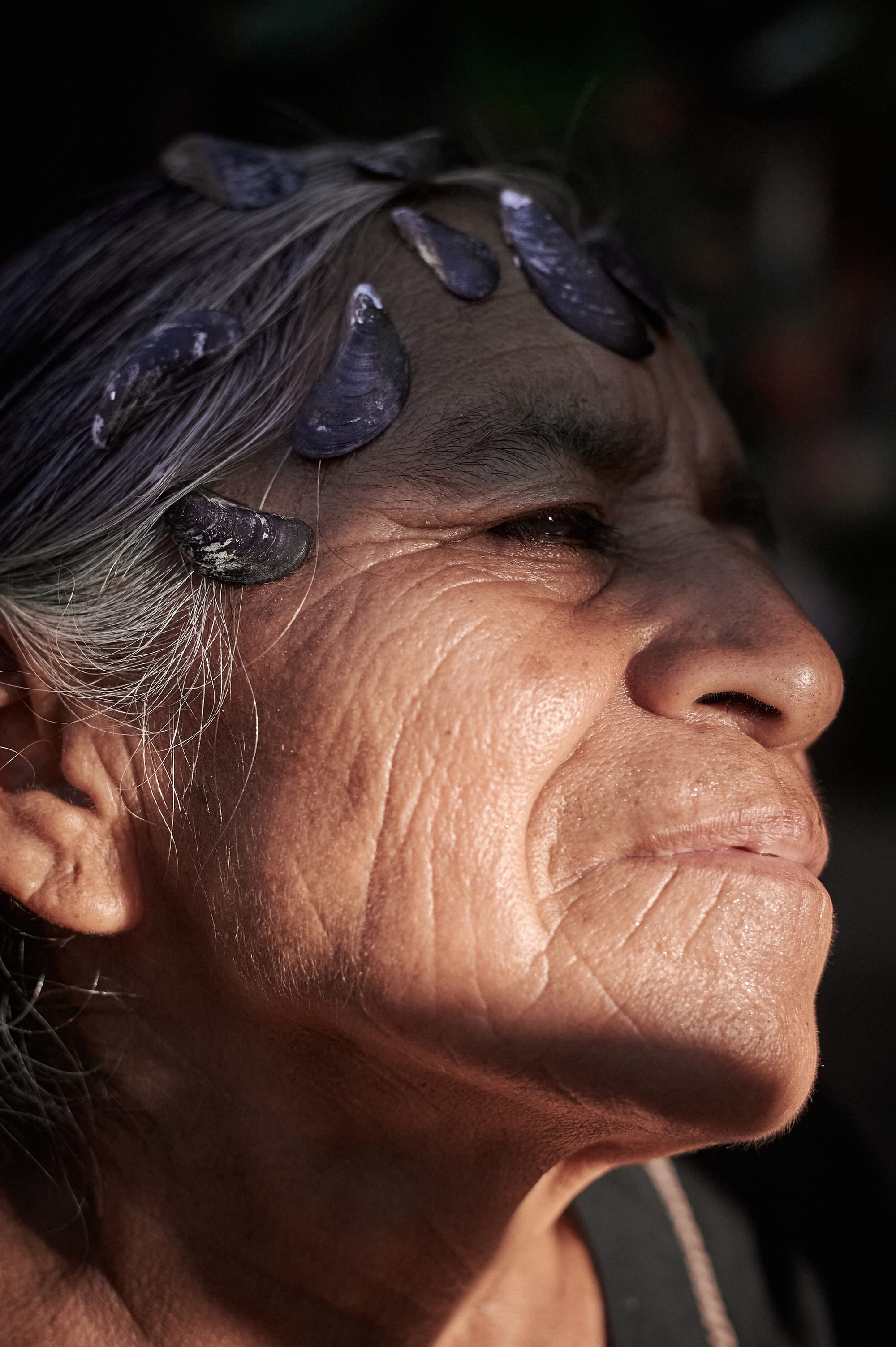
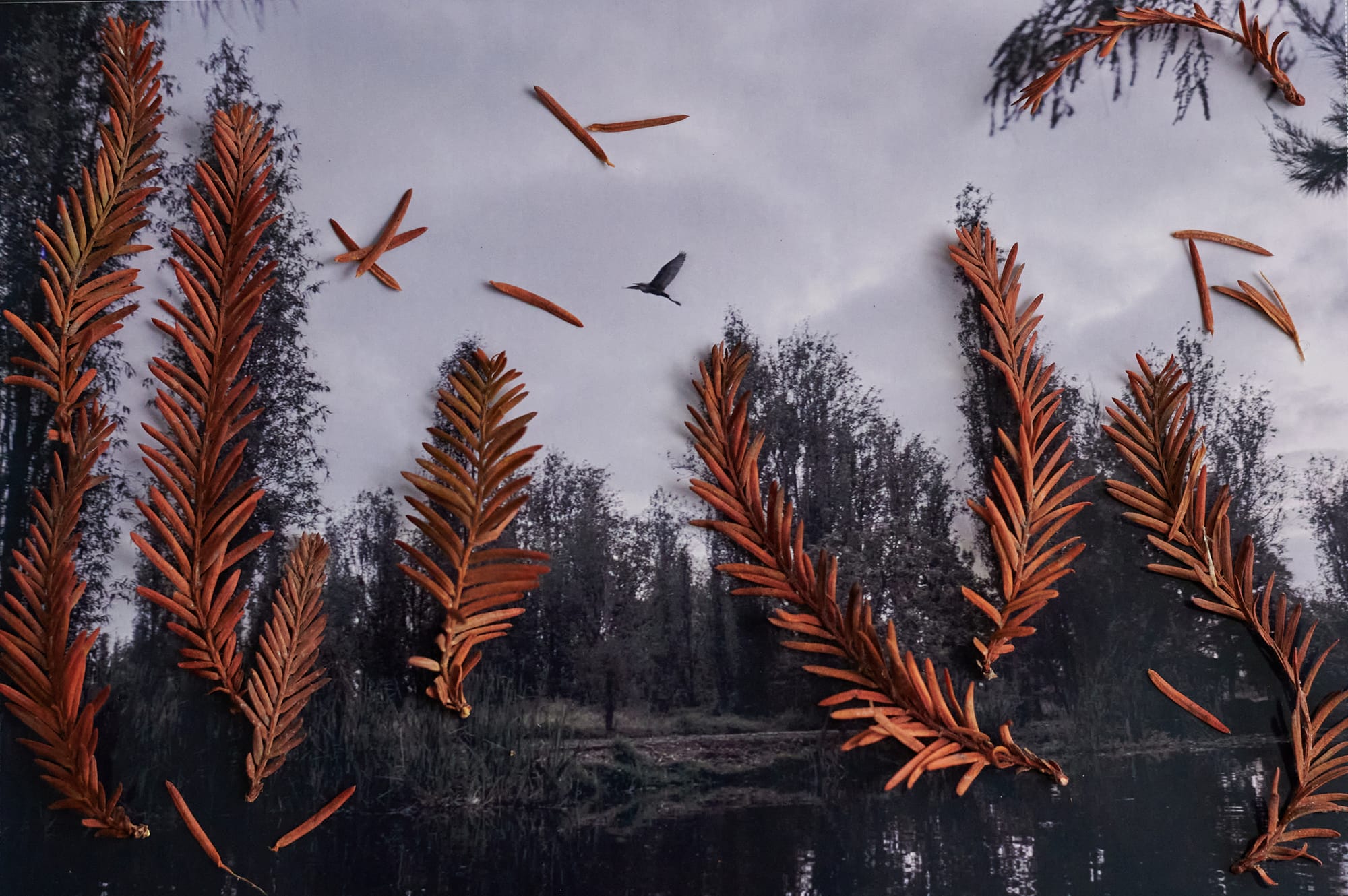
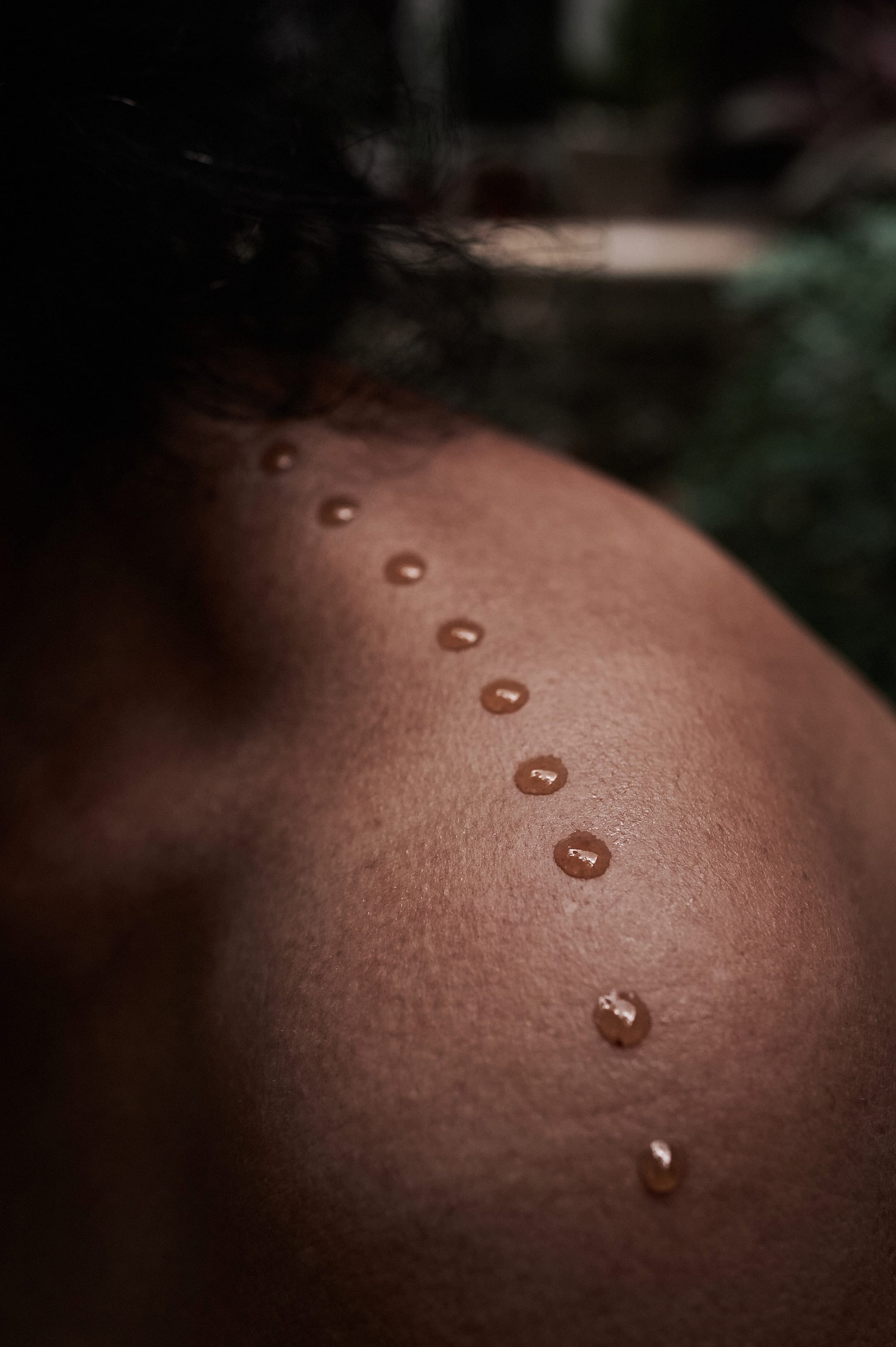
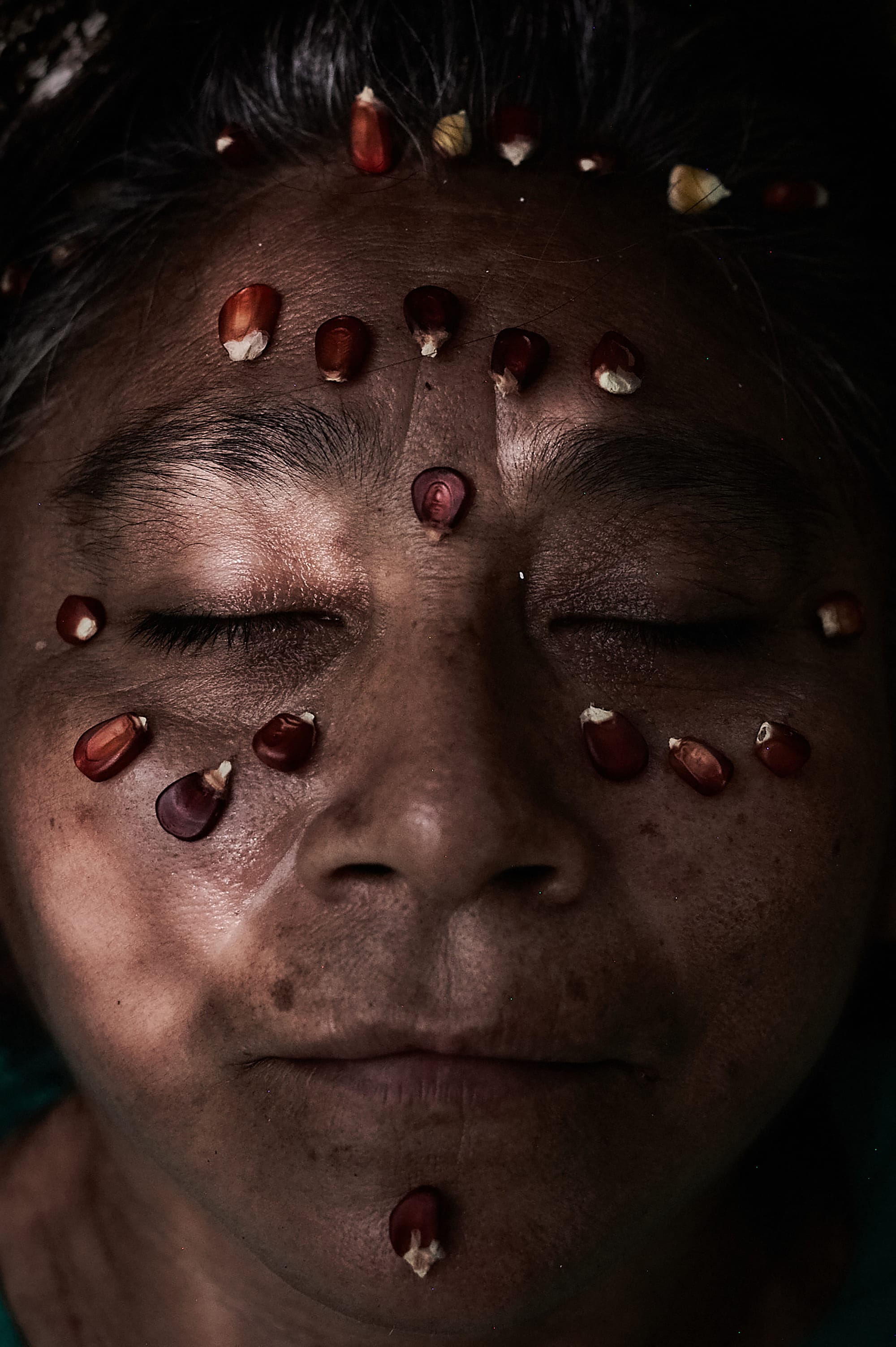
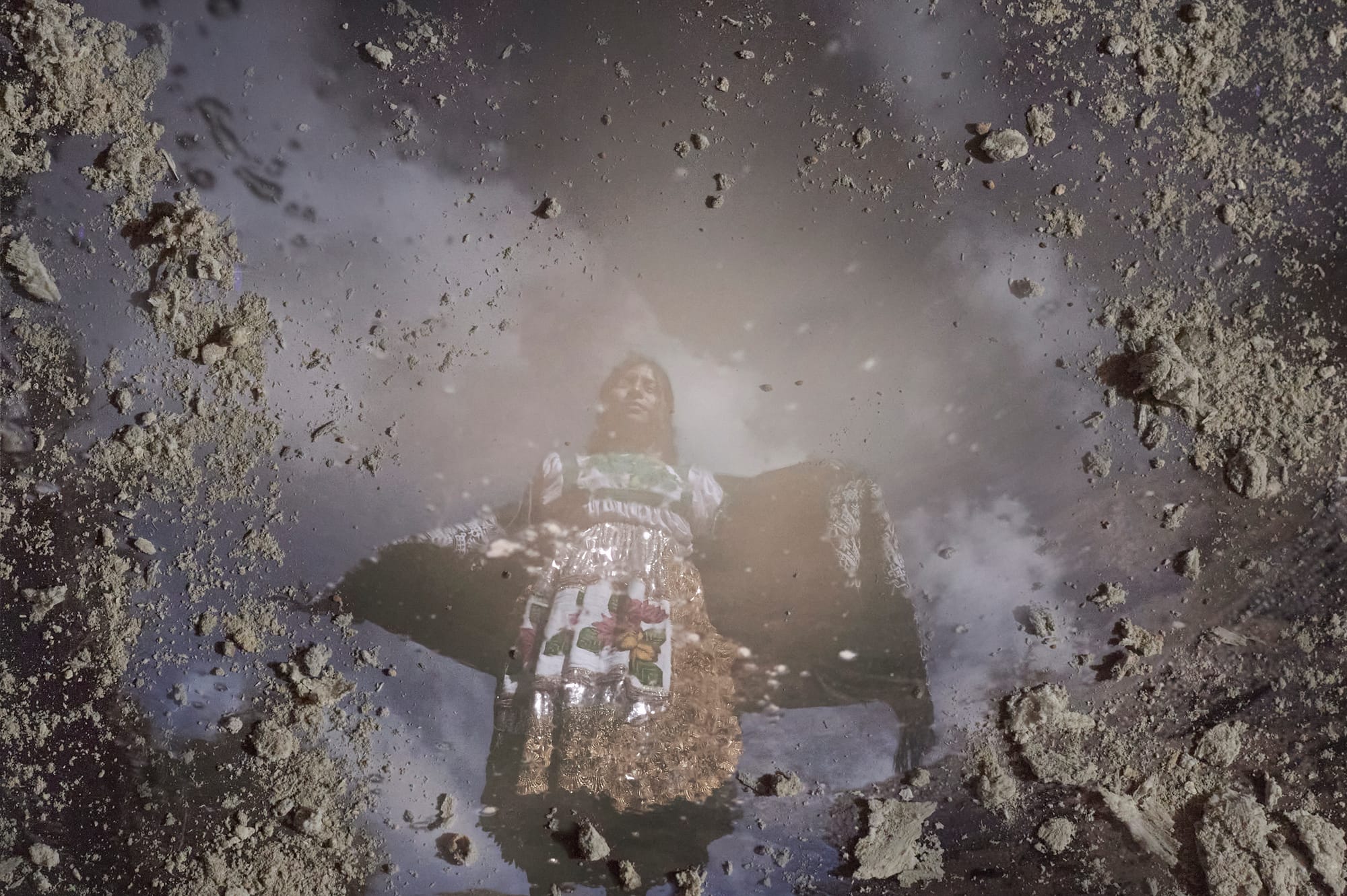
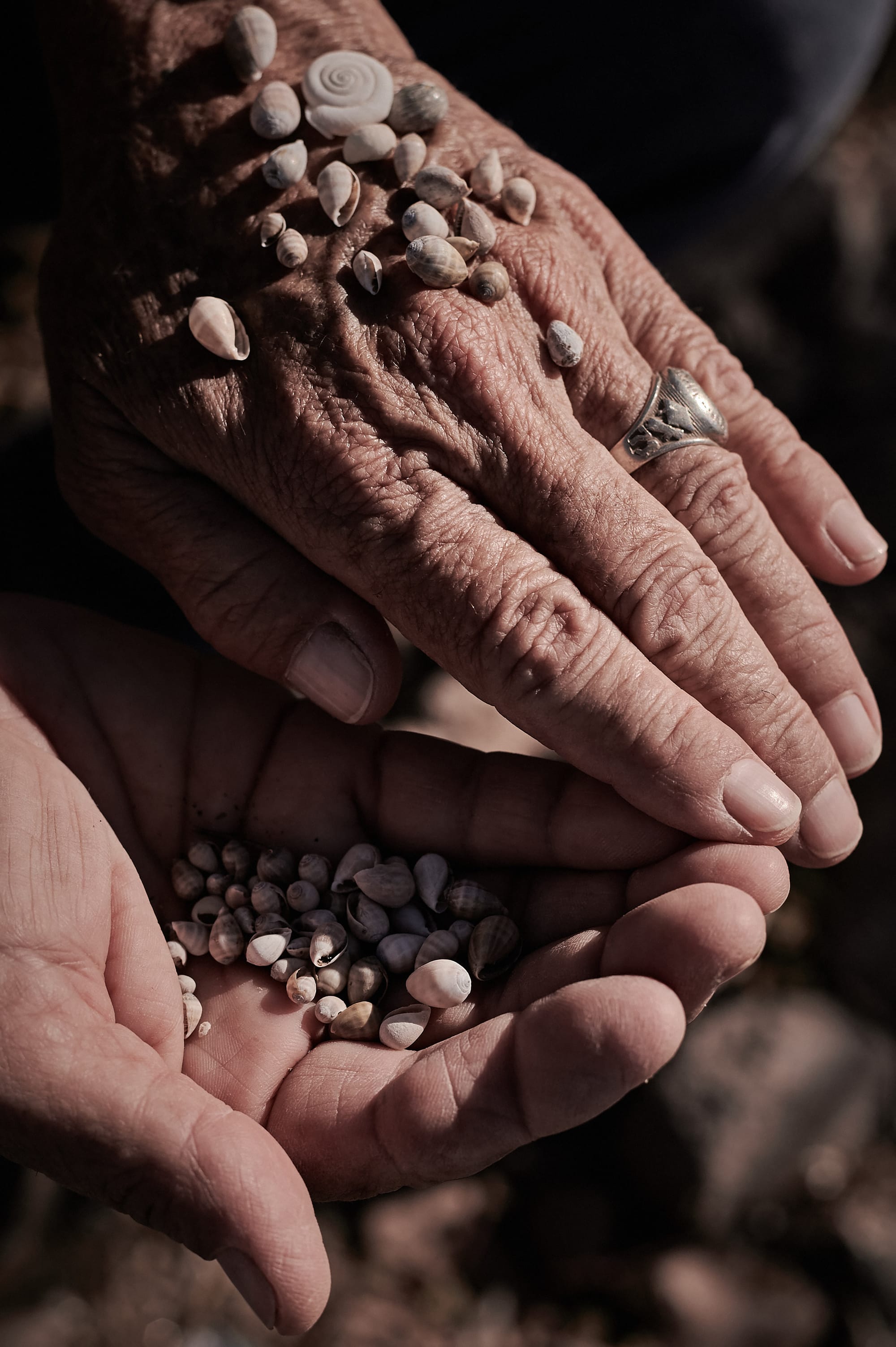
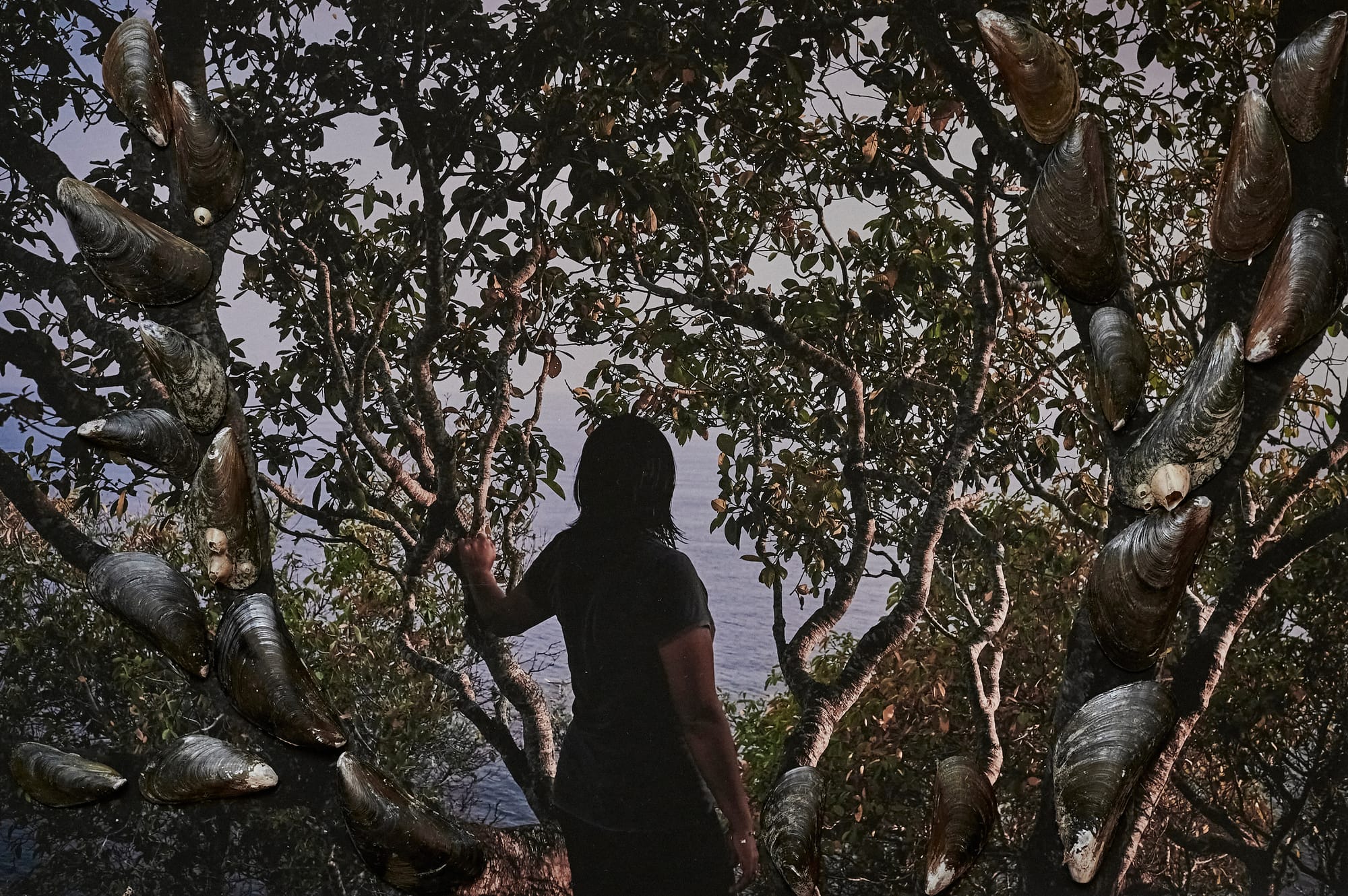
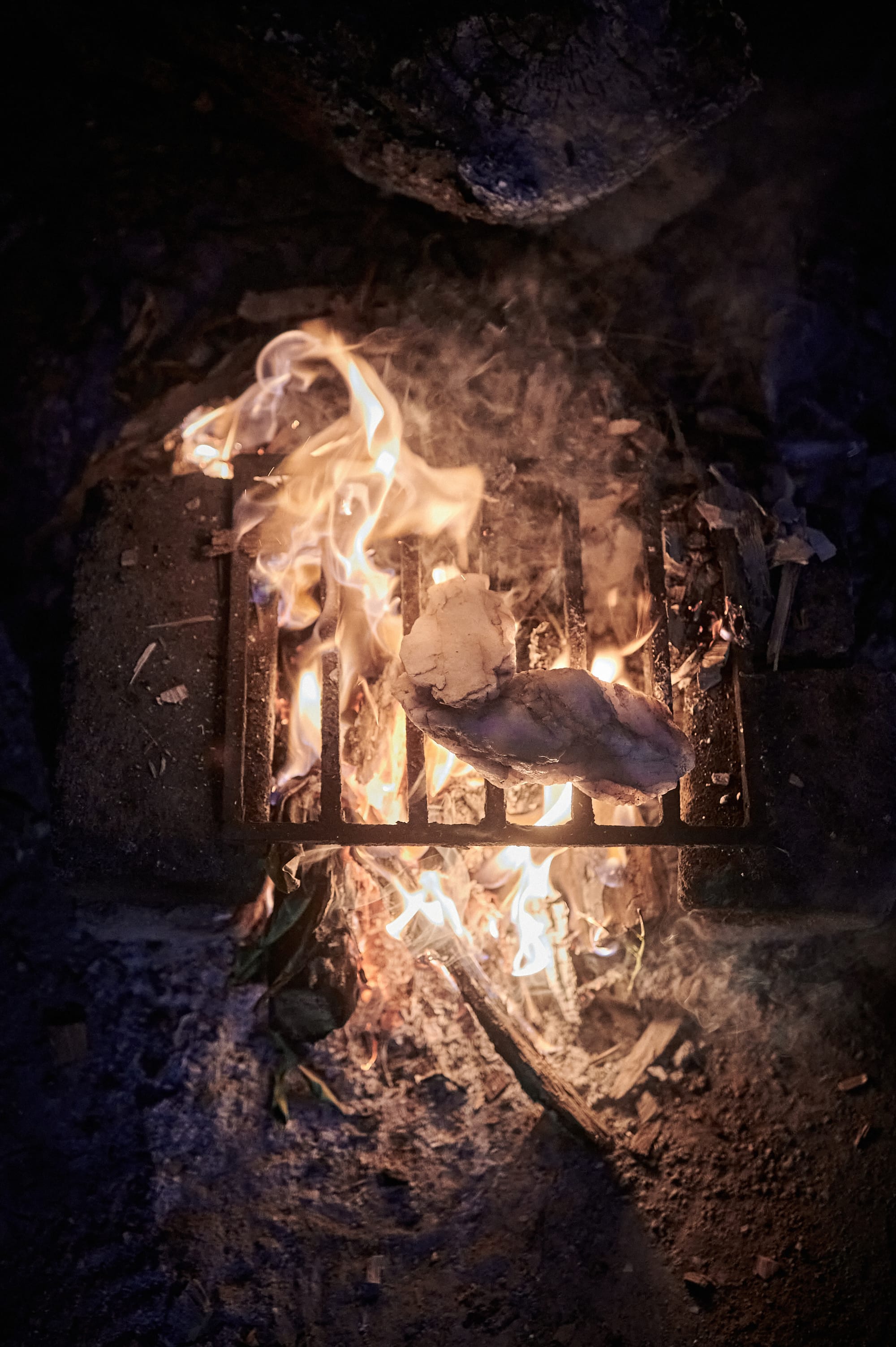
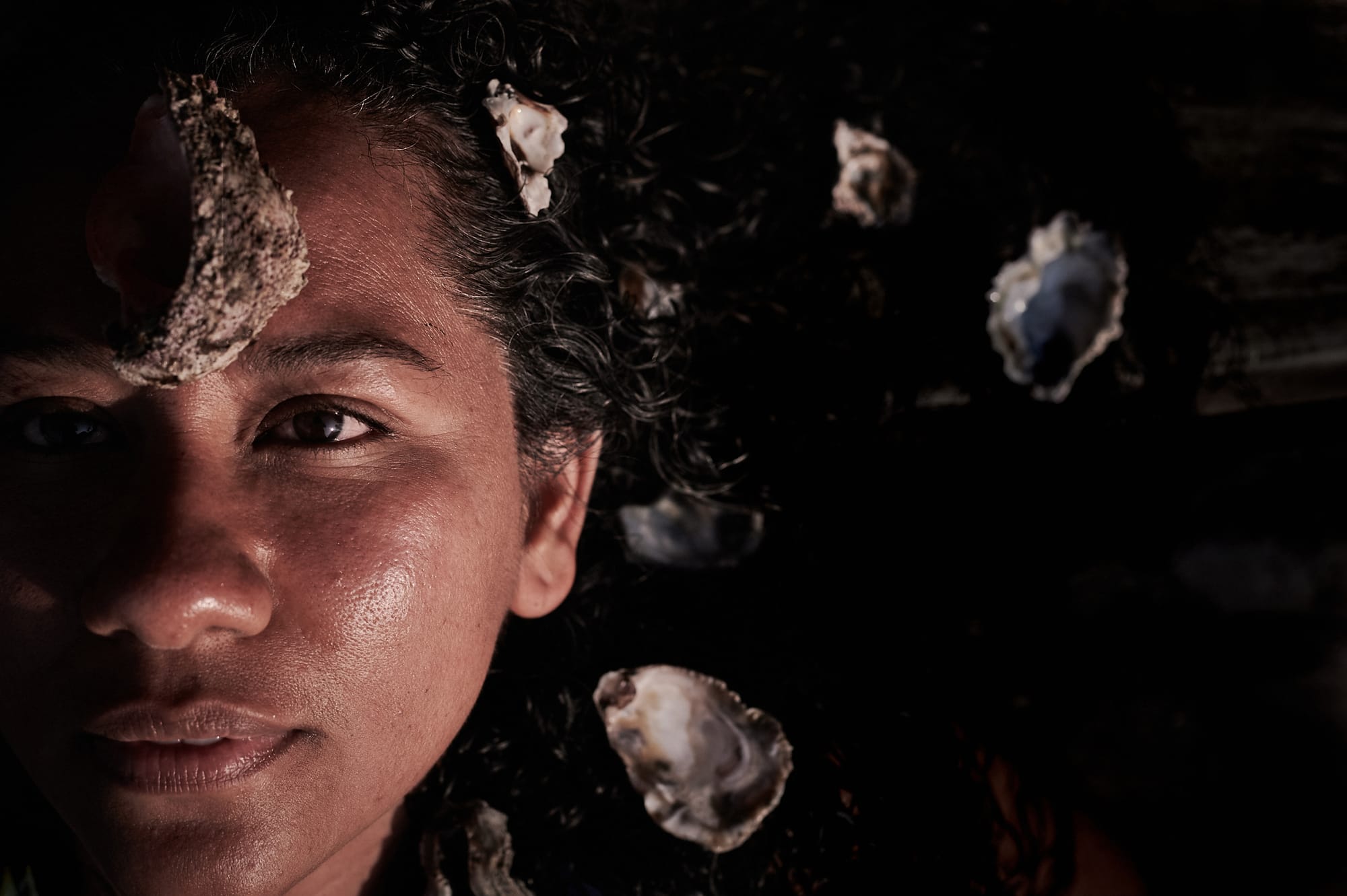
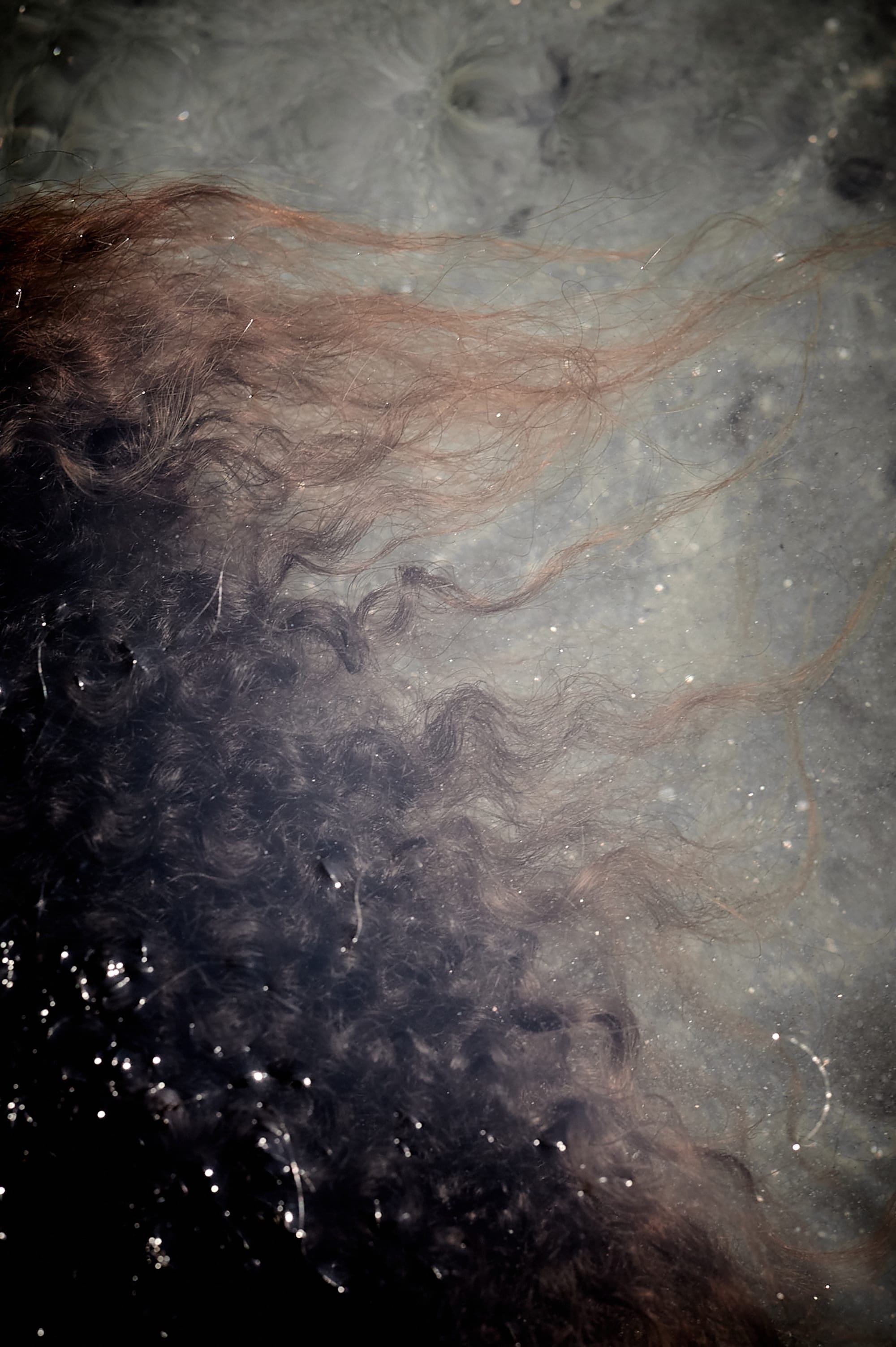
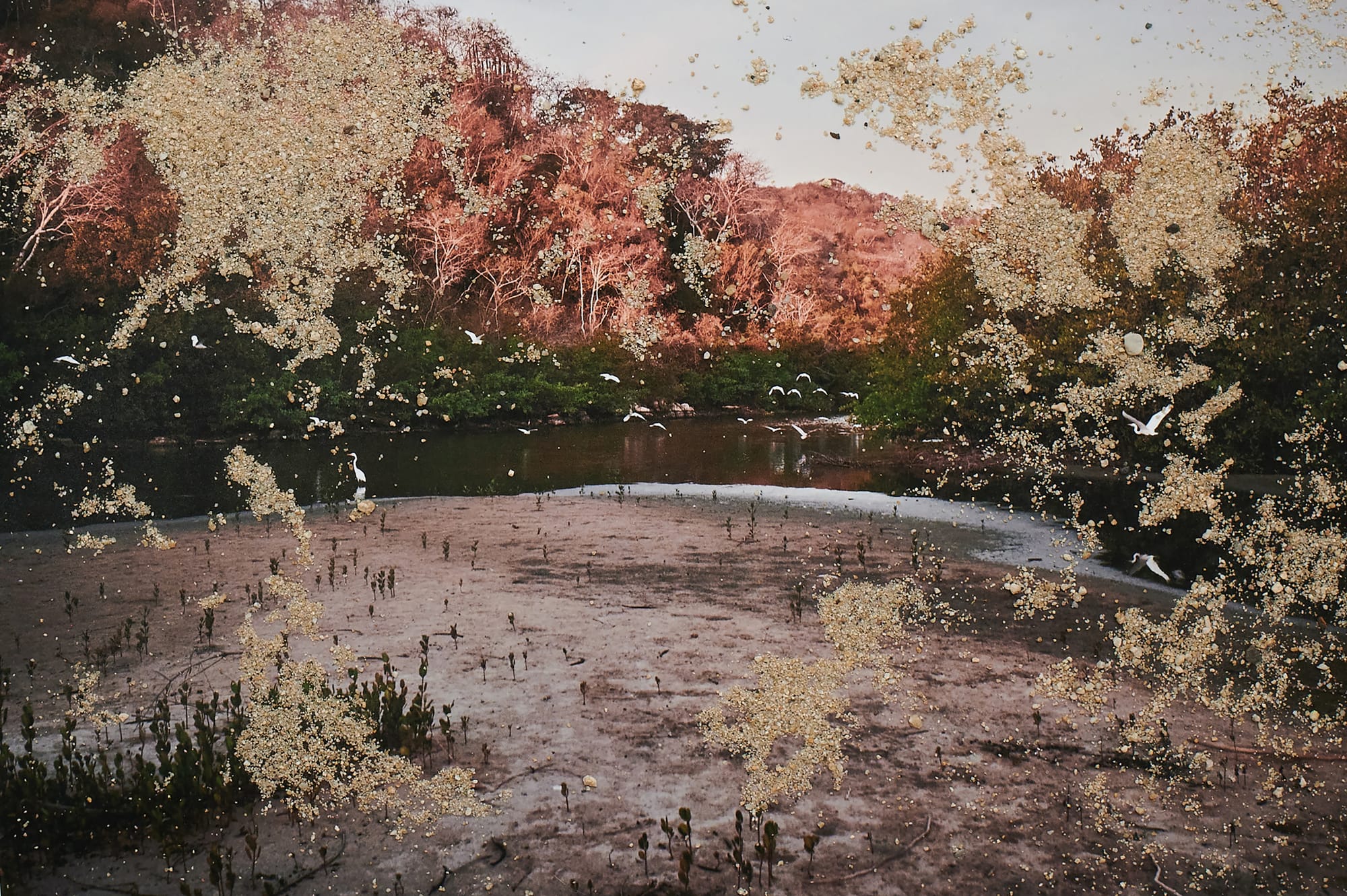
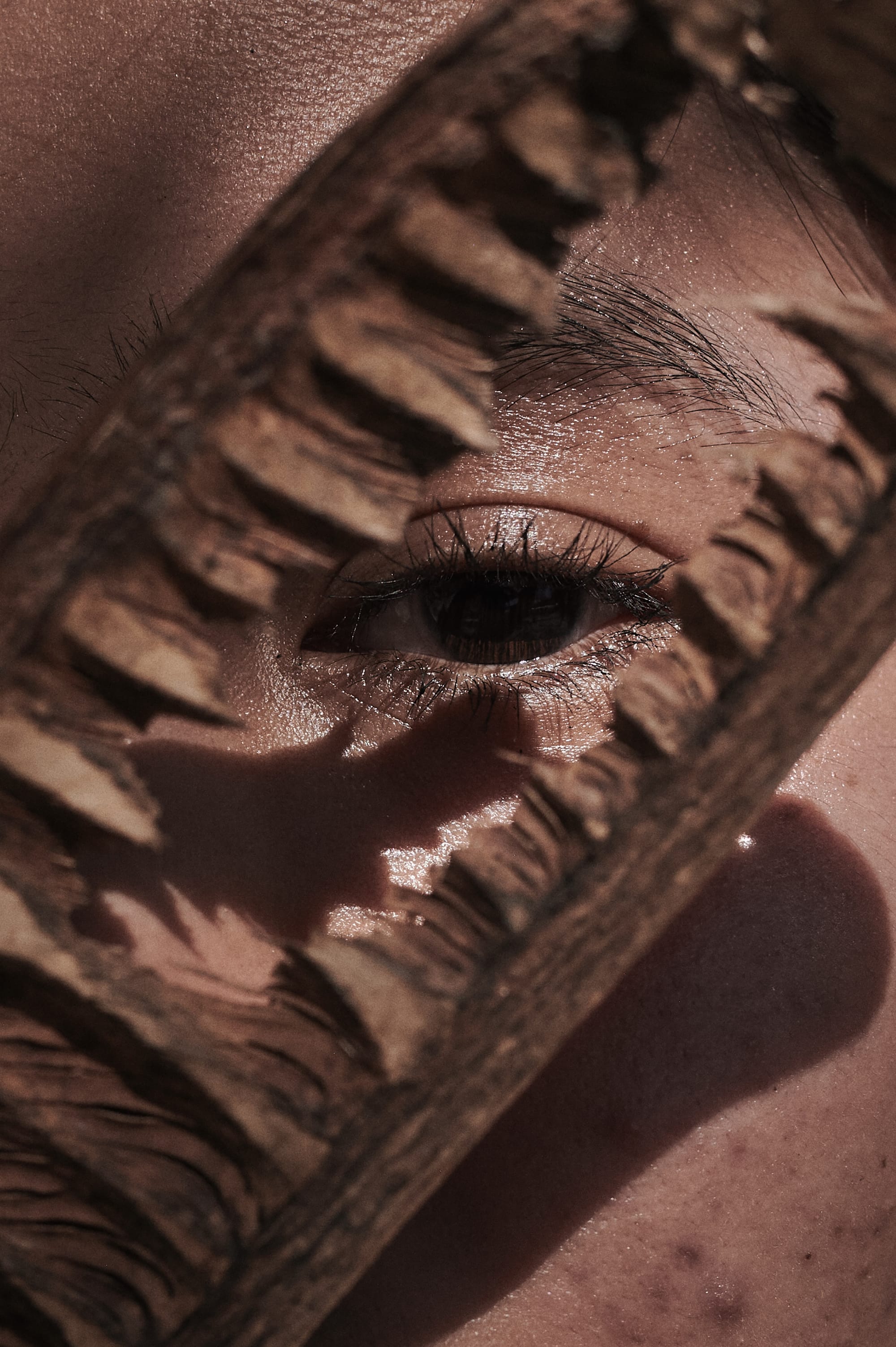
This project thus explores the deep connection between women and nature, focusing on the evolution of the female body in its environment. It reflects the sensory bond that unites them, guided by concepts of memory and identity. In the midst of an environmental crisis, it is crucial to examine the role of women in environmental protection and cultural identity, establishing a link between the degradation of the natural world and the oppression of women. This unique relationship with nature is perceived through a unified concept rooted in emotion and sensitivity.
The reportage is built on the basis of a collaborative project with the various women encountered in the field. In a sharing dynamic, they directly engage in the construction of the story, allowing them to have real control over their image. Portrait sessions are coordinated with the women: they themselves choose the natural elements and the symbolic location where they want to be photographed. Through the artistic intervention of photography, this project aims to merge their actions with the natural elements they interact with, taking the concept of memory and cultural identity as a guiding thread.
Through a decentralized vision, this project aims to map community resistance in Mexico, with indigenous and Afro women as protagonists. This grant will allow me to continue this exploration in Mexican territory, mapping from north to south, from east to west of the country, with one of the main challenges being covering the cost of flights to the most remote areas away from the central territory.
Author biography
Born in 1991, Mahé Elipe is a French photographer based in Mexico City since 2016. Her work, situated between photojournalism and documentary photography, explores human, social, and environmental conditions, with a particular focus on stories led by women. By documenting their knowledge and resistance, she seeks to fight their erasure from history and promote a plural collective memory.
She has received several prestigious awards and grants, including the Reuters Photojournalism Grant (2019), the National Geographic Society COVID-19 Emergency Fund (2020), the Women Photograph Project Grant (2022), and the Françoise Demulder Award (2023) at the Visa pour l’Image Festival.
In 2024, she won the Sony World Photography Award in the Professional Environment category. In 2025, she was nominated for the Leica Oskar Barnack Award and took first place in the UNICEF Giga Photo competition. That same year, she was also awarded the SAIF Prize – Les Femmes s’exposent, and her winning work was exhibited at the UPP gallery in Paris.
As a photographer and author, her work has been widely exhibited, notably in the Off program of the Rencontres d’Arles in 2025, as well as in Poland, Spain, Canada, England, and Italy. Her photographs have been published in international media such as Libération, Le Monde, Bloomberg, The Guardian, Vogue US, Geo Magazine, and Reuters.