

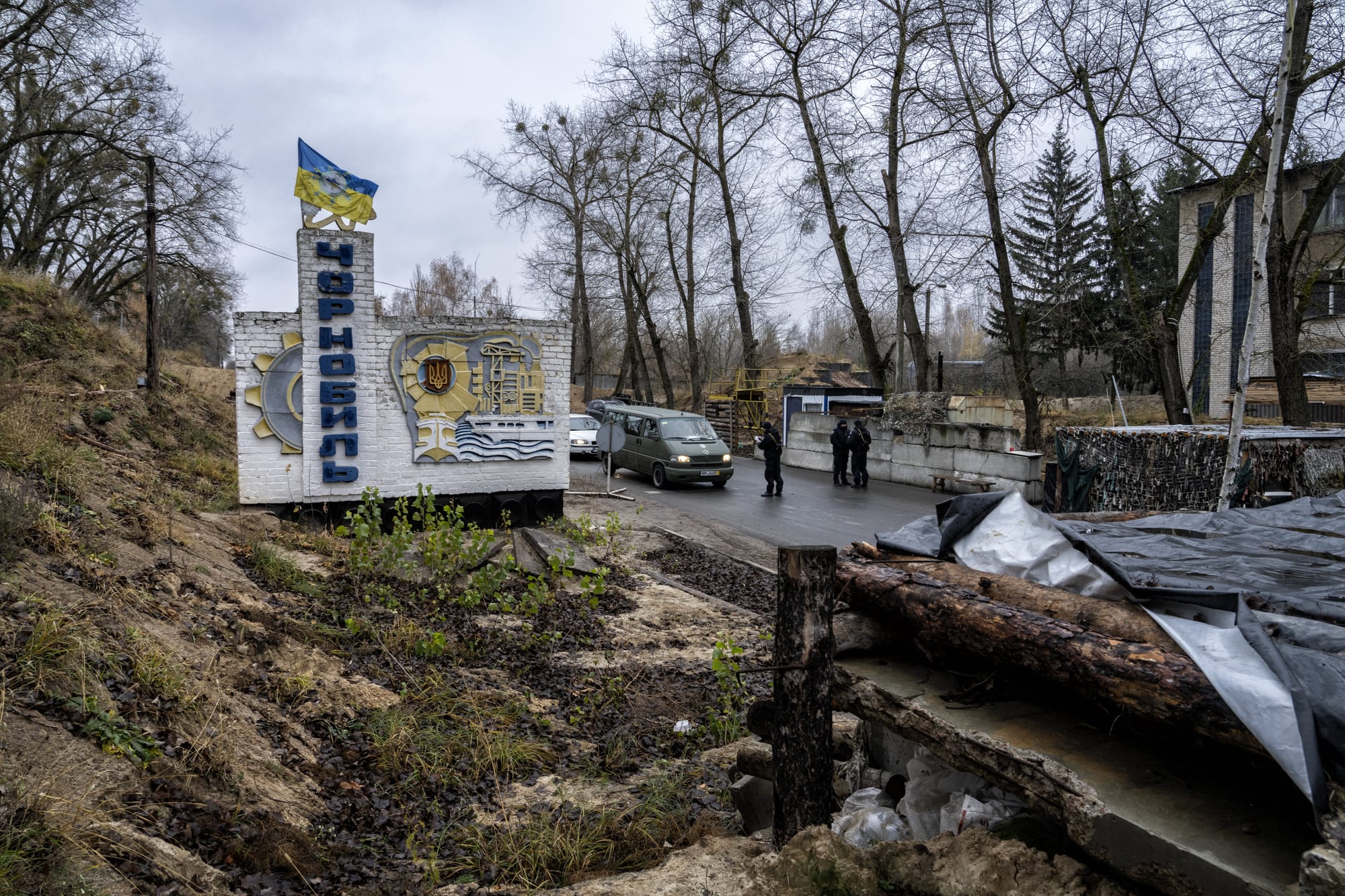
Chernobyl, after 40 years, is only at the beginning of its story and it is important to keep the light always on for the future
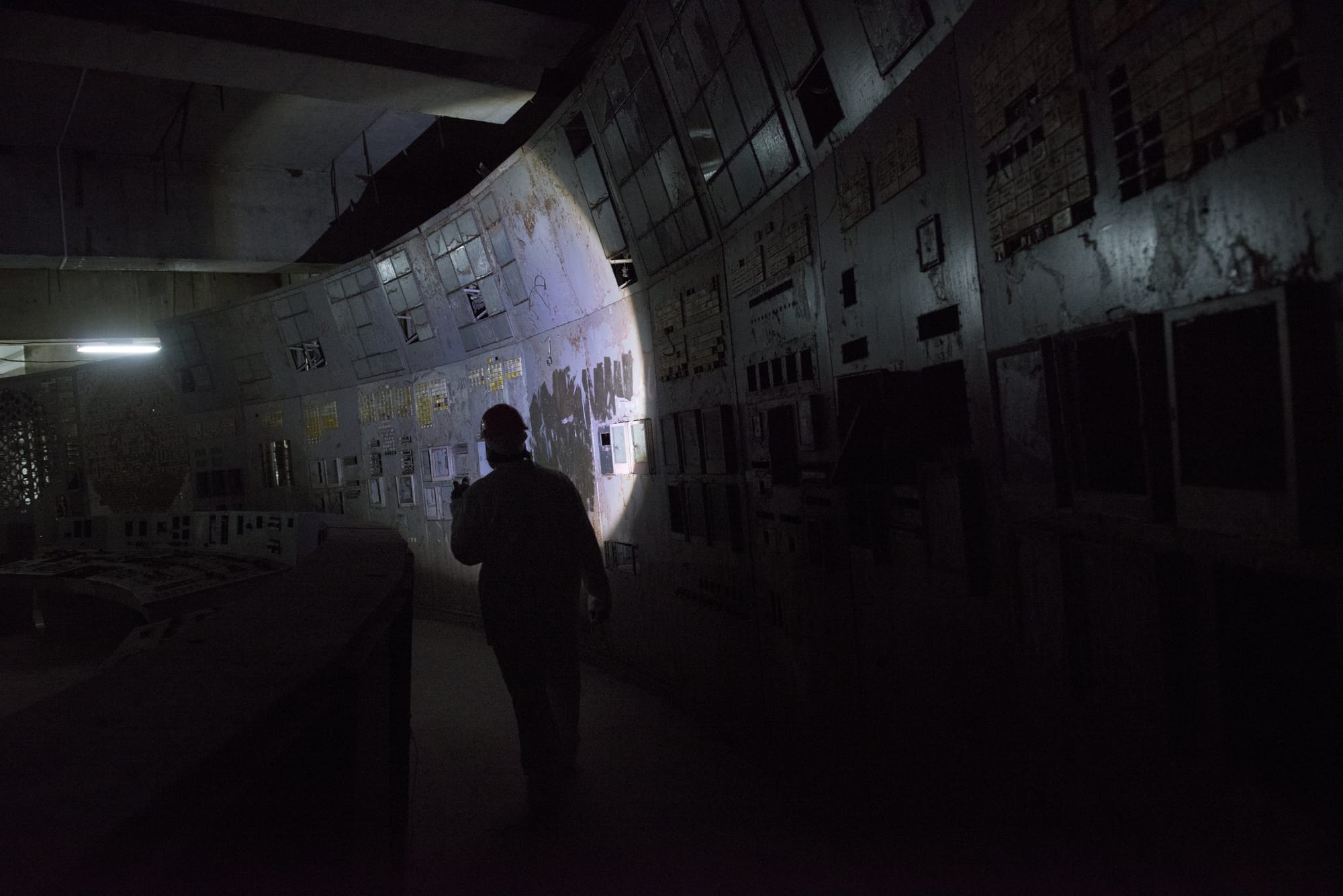
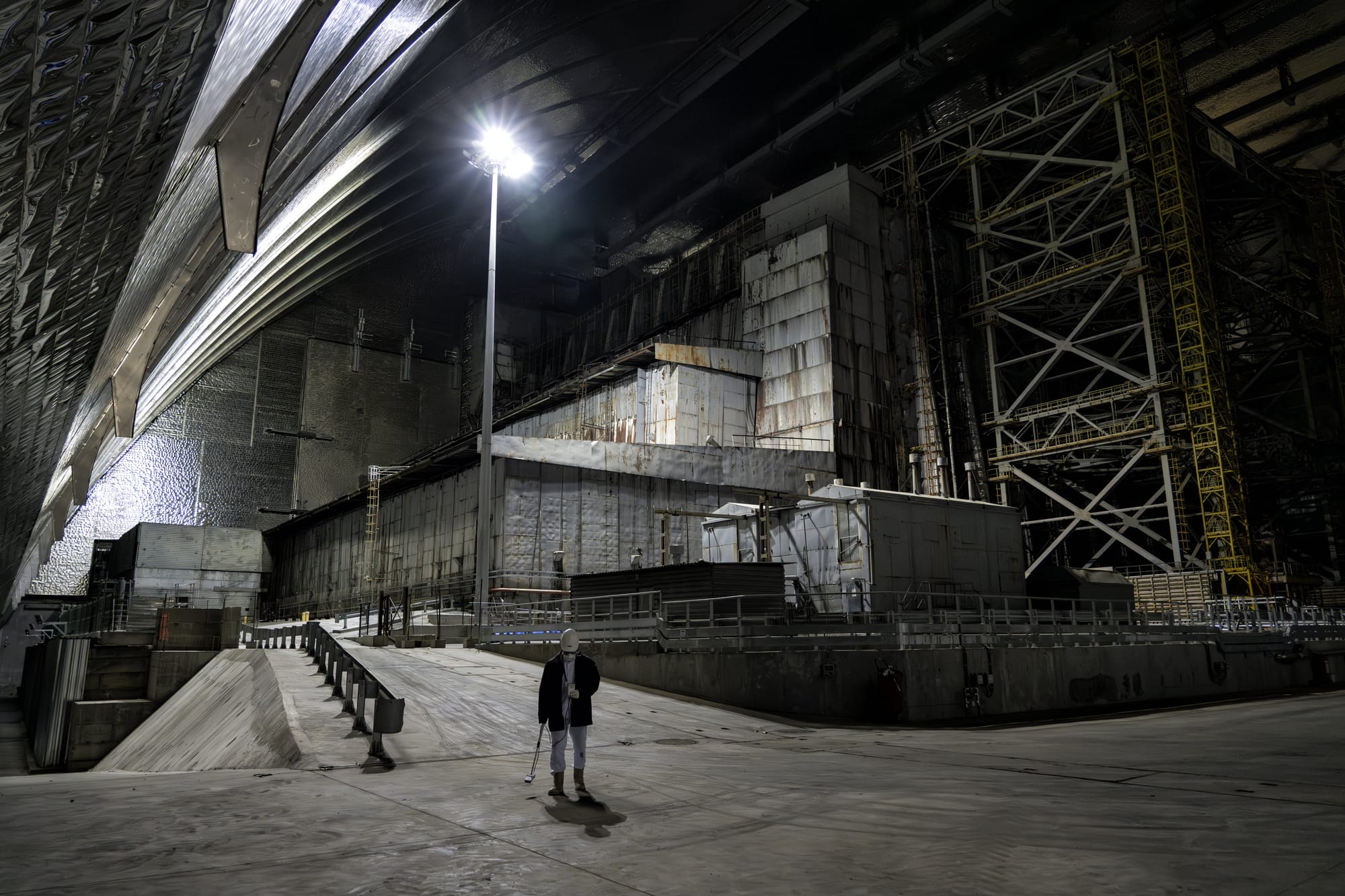
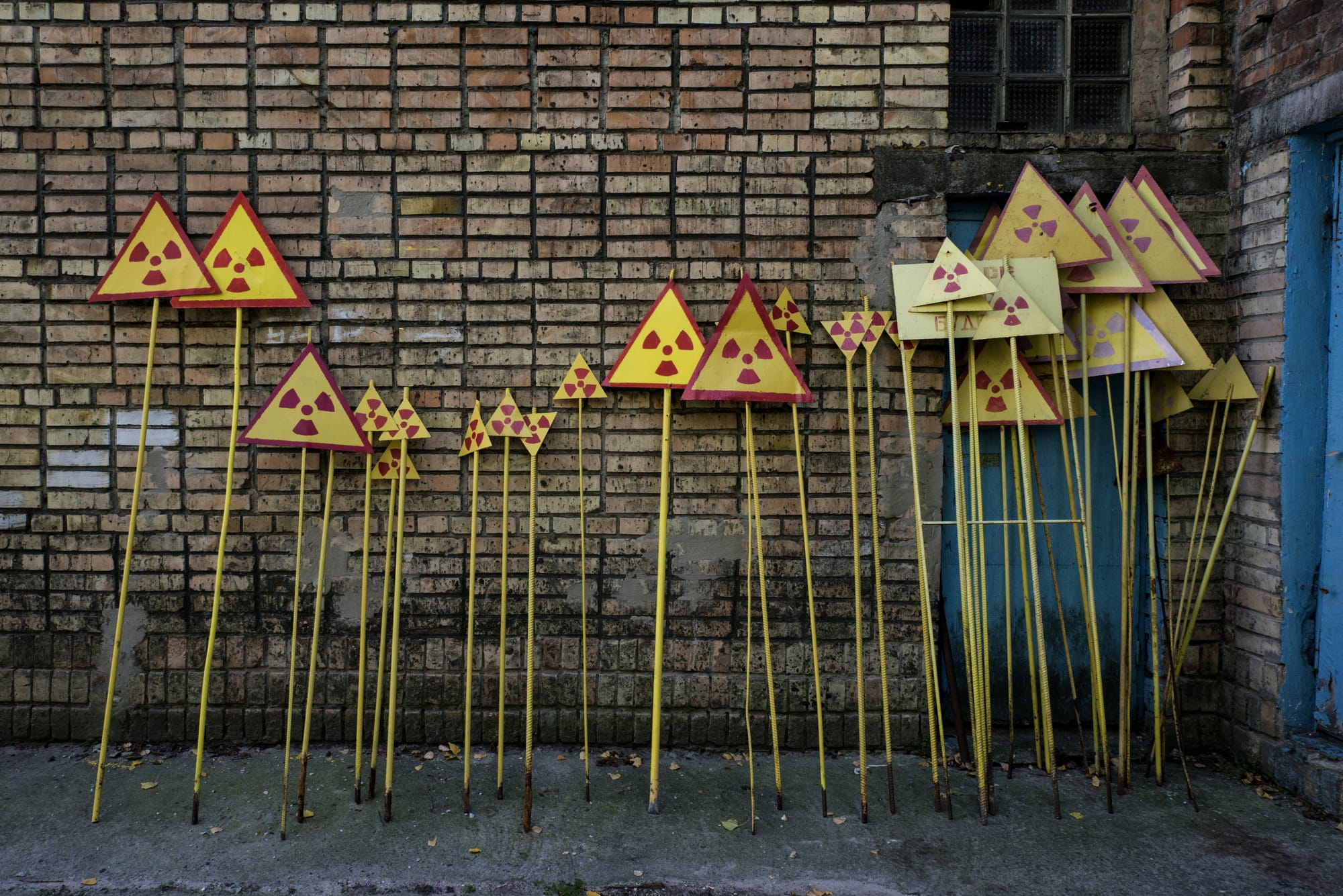
On April 26, 1986 at 1:23 a.m. the worst technological catastrophe of the modern age blighted the lives of millions of people. That night reactor number four of the Chernobyl nuclear power plant exploded. The explosion unleashed tons of radioactive dust into the air contaminating the whole of Europe. It is estimated that the most contaminated areas will return to normal radioactive levels in about two hundred thousand years time.
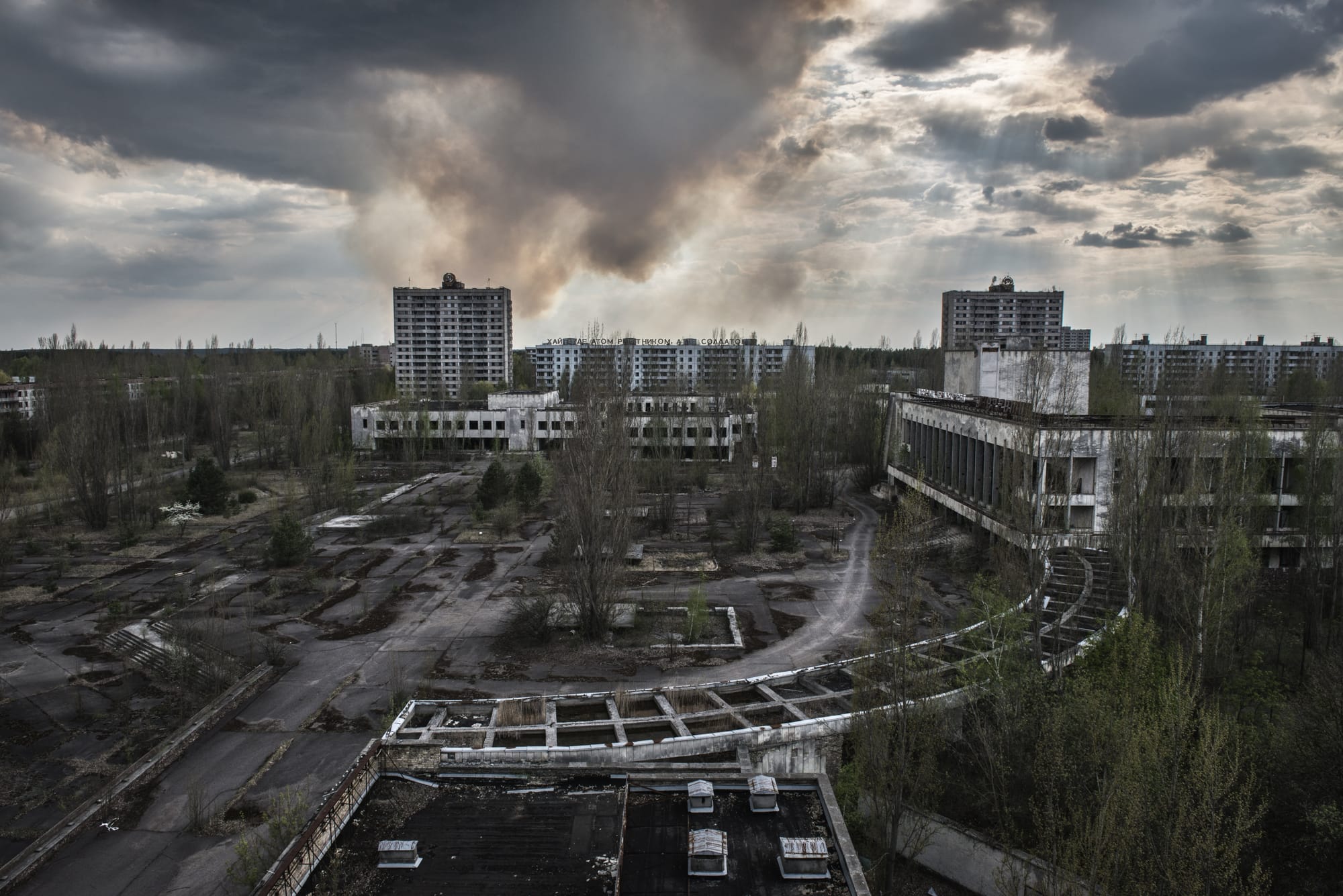
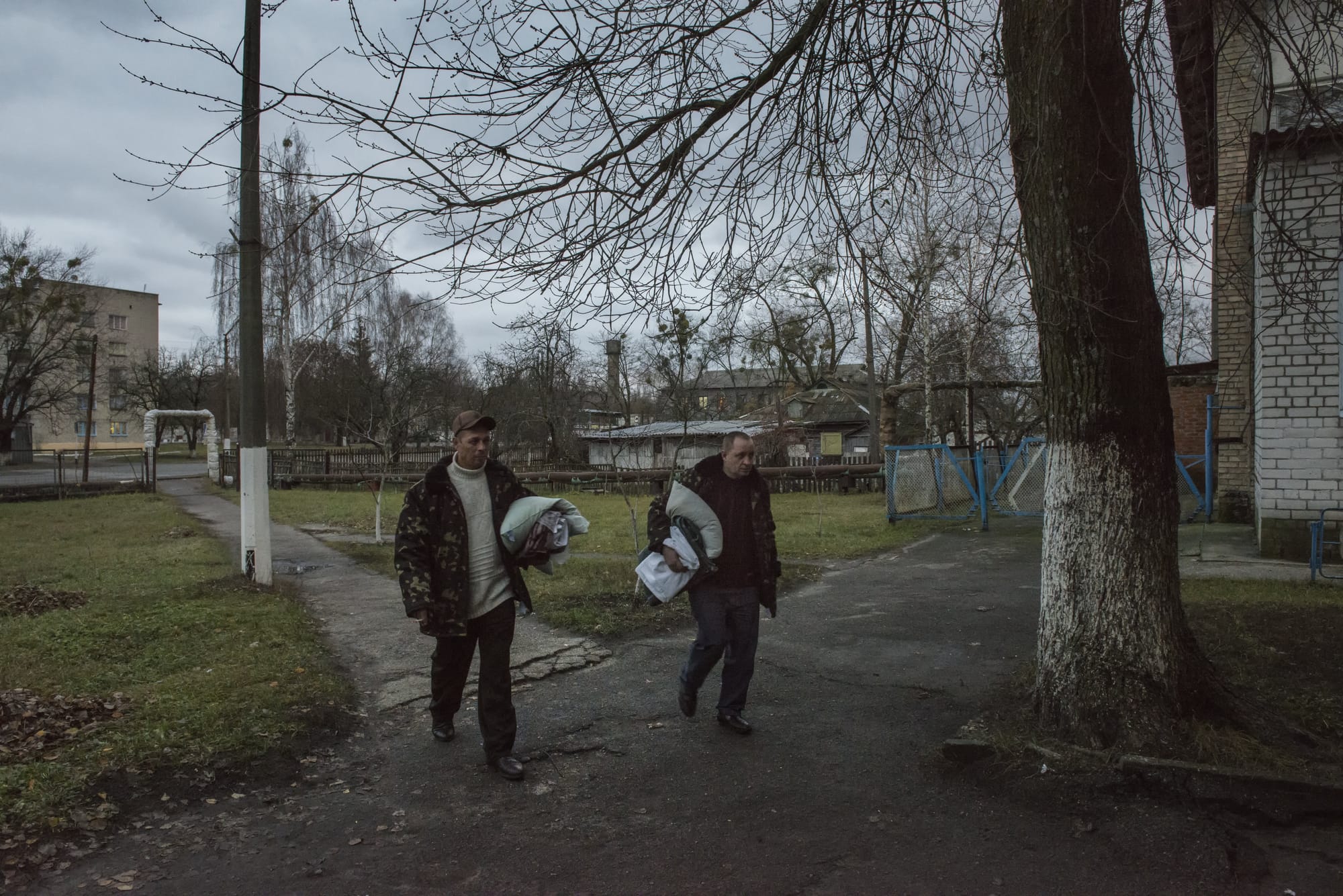
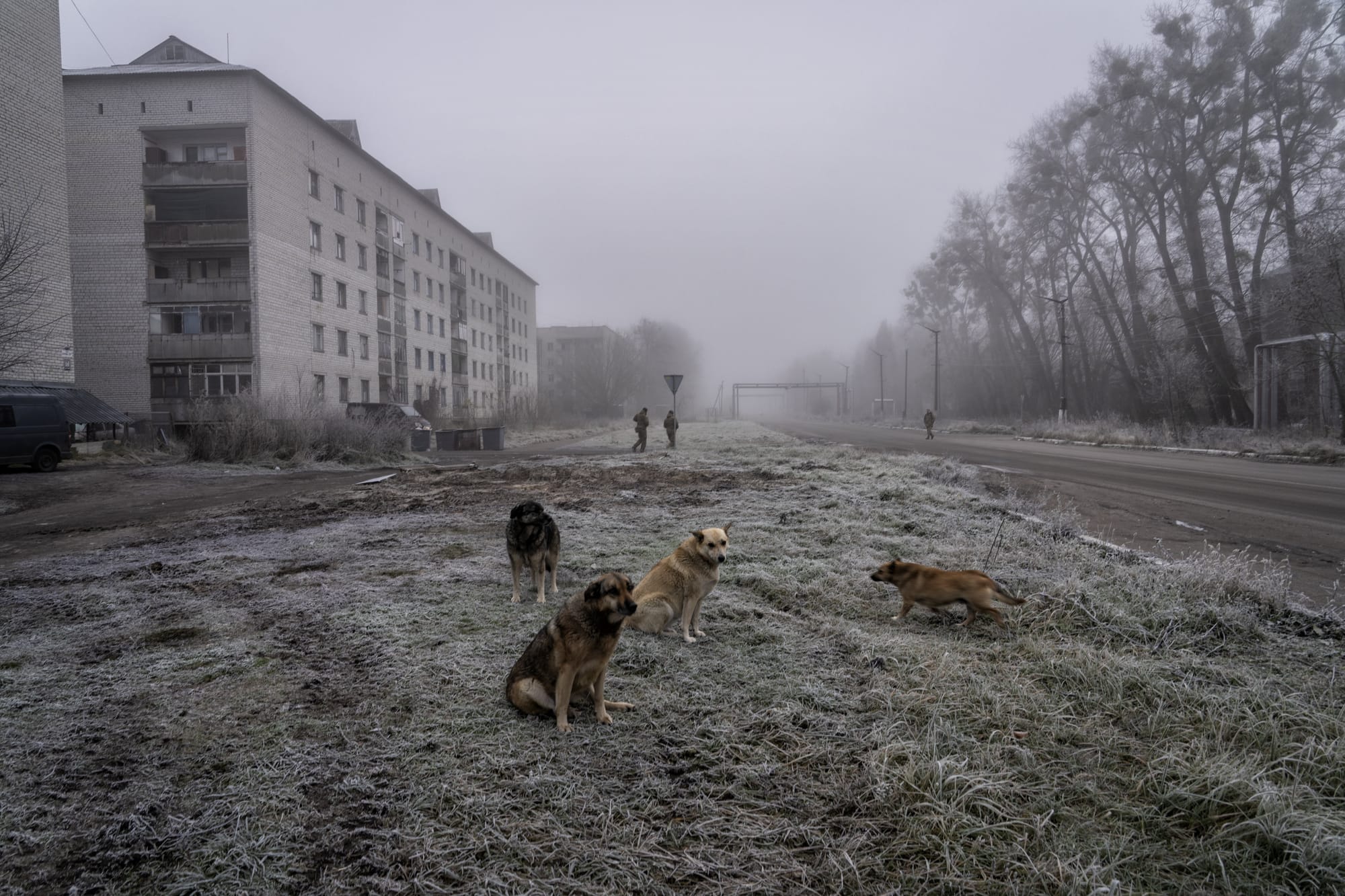
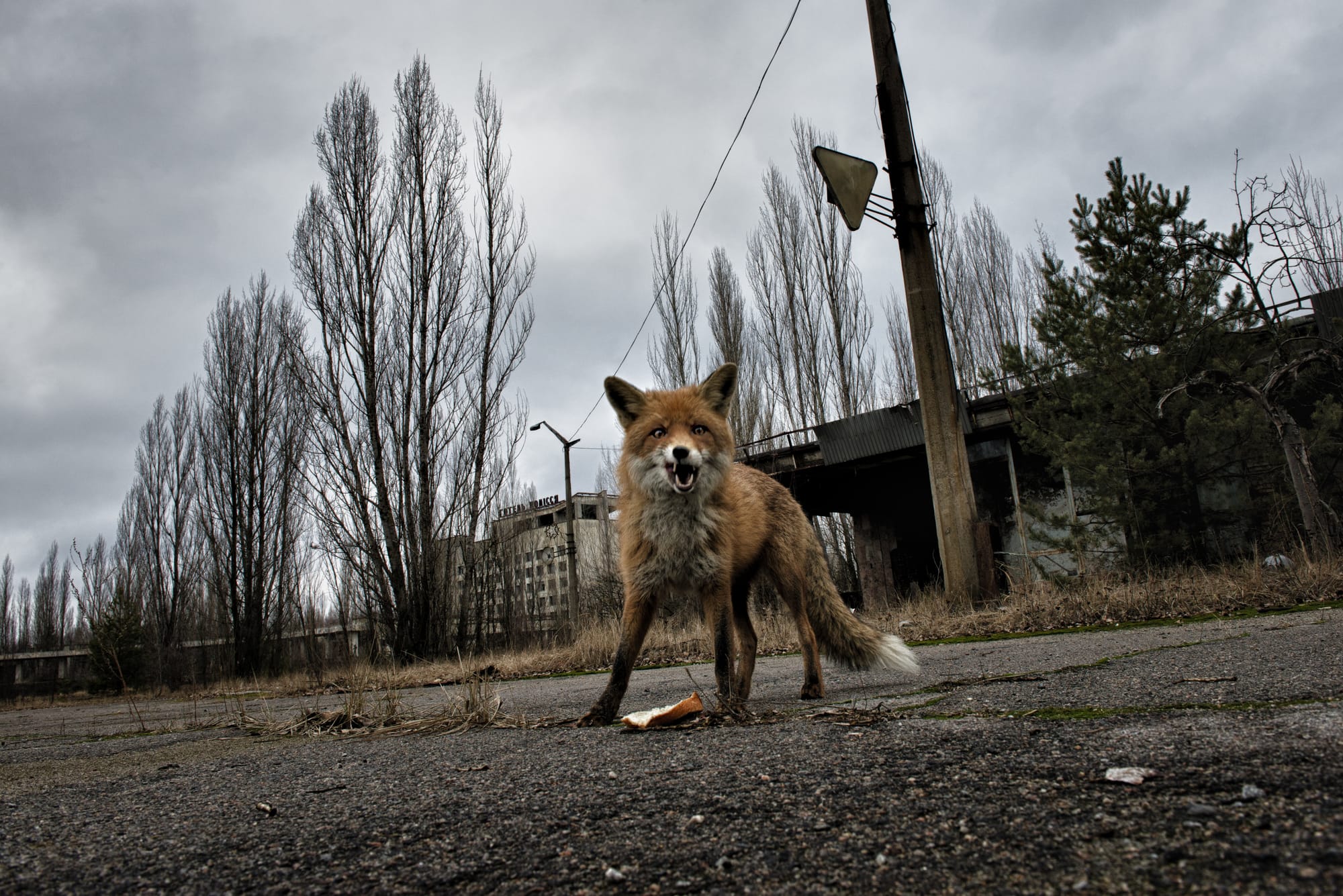
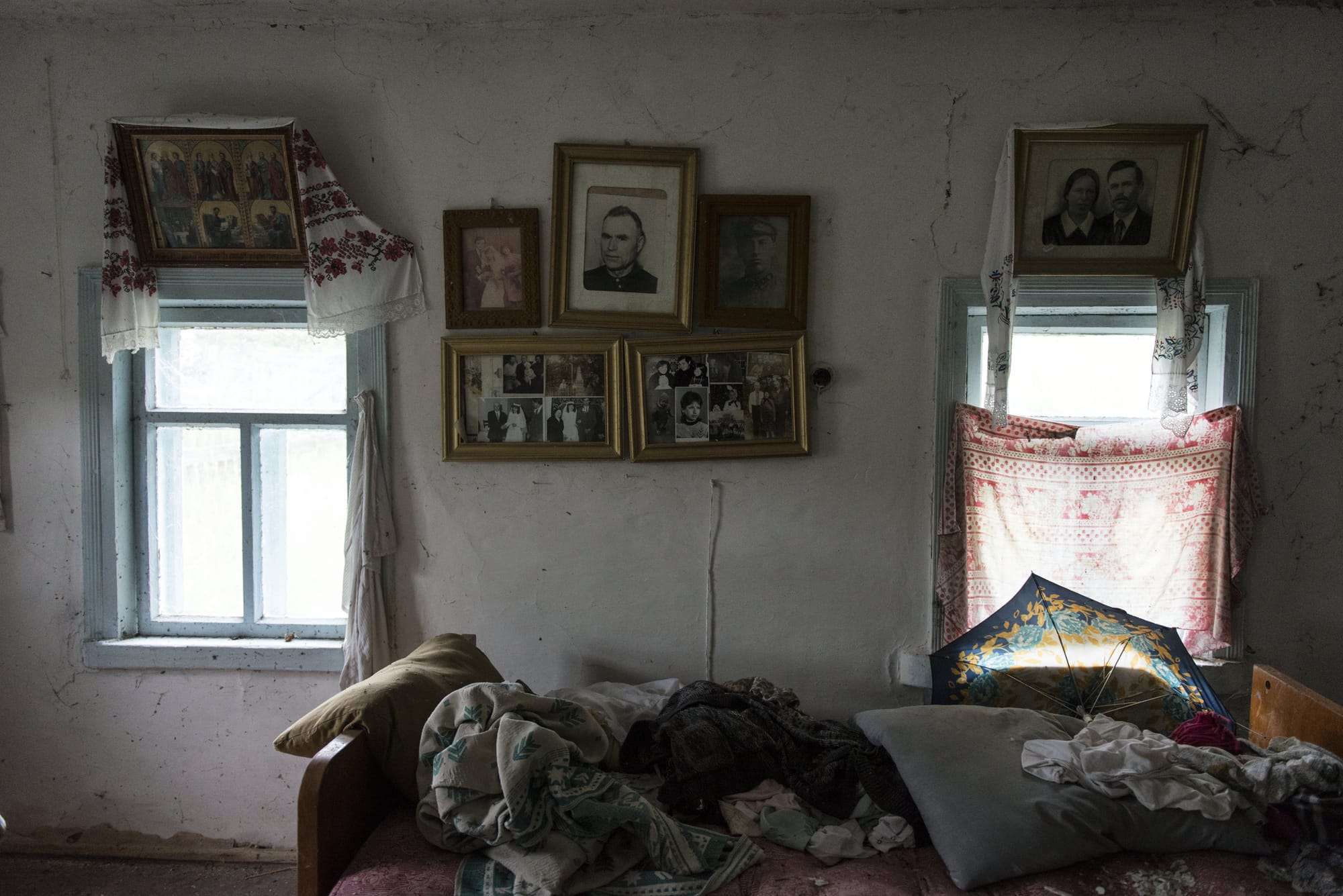
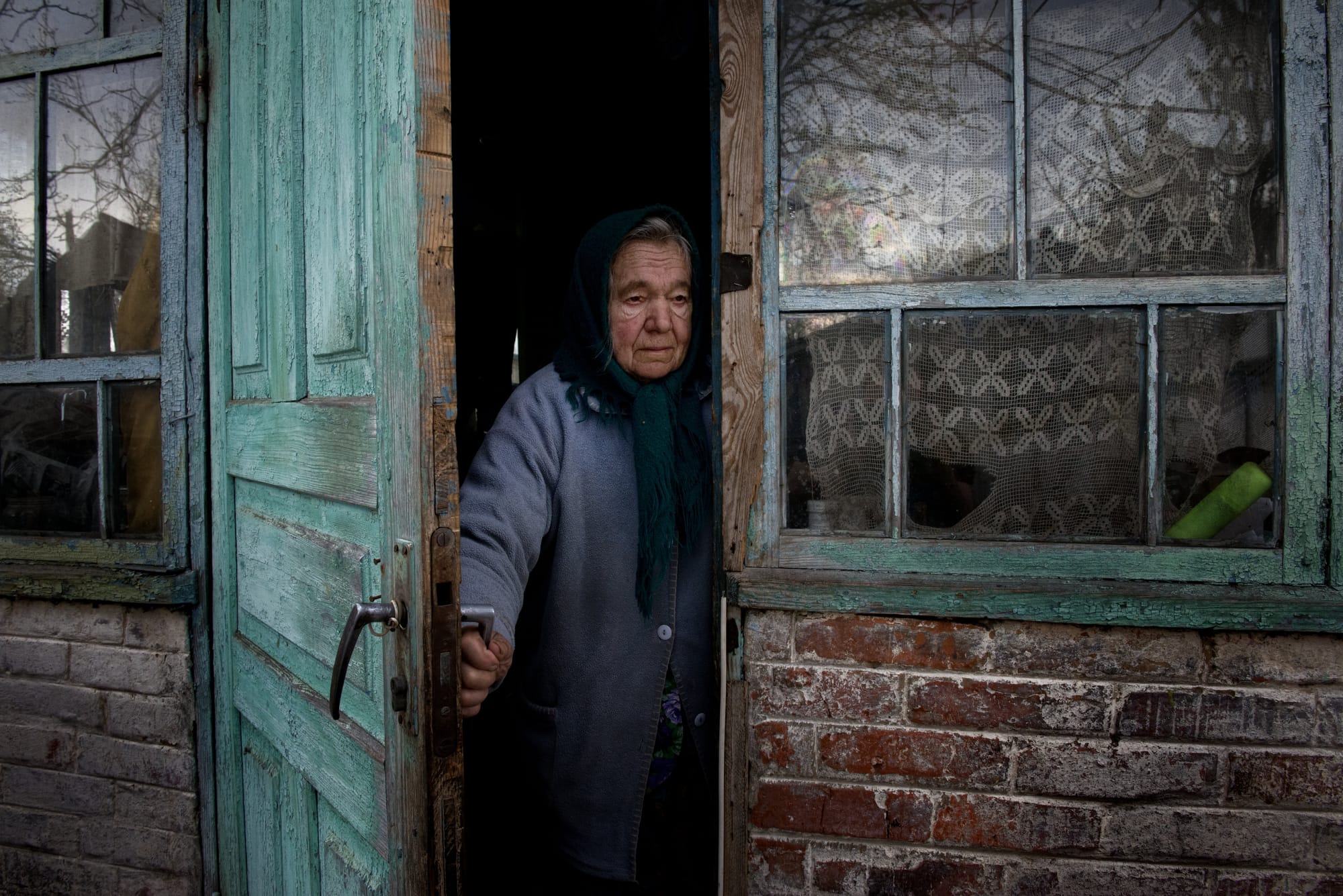
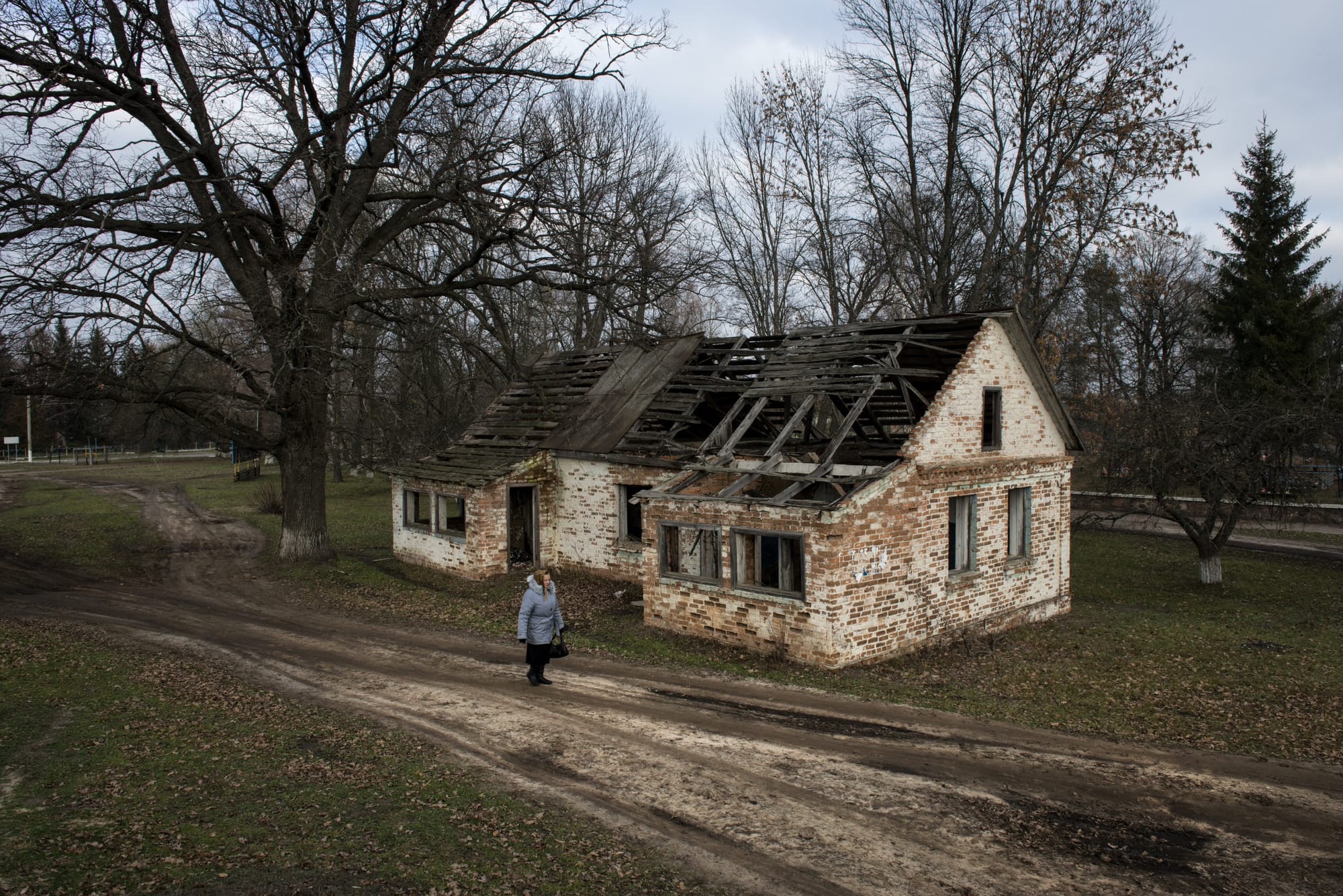
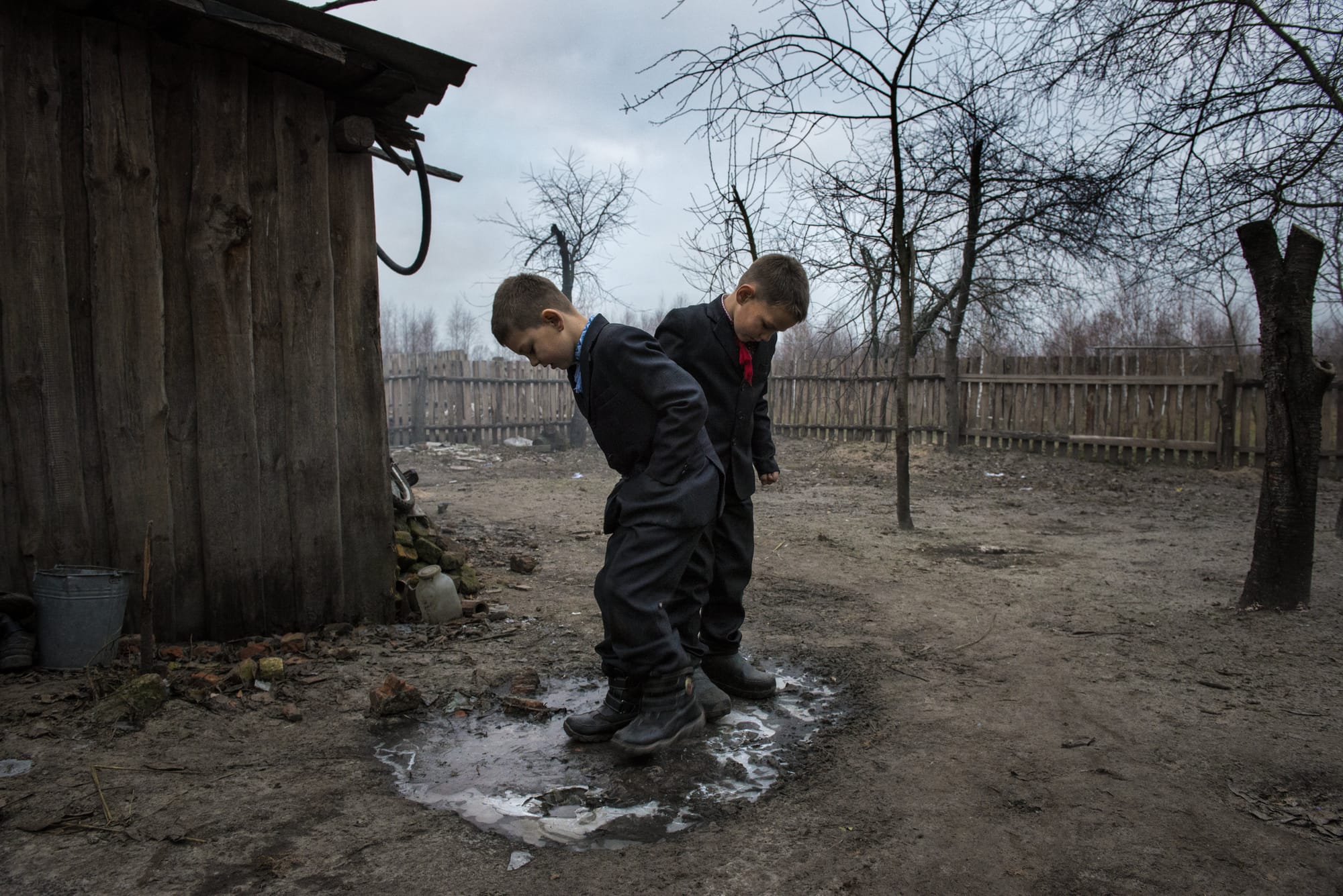
After the Chernobyl nuclear accident an exclusion zone was created around the nuclear power plant, 30 kilometers radius. All the inhabitants of the area were evacuated. But the area that was supposed to be a dead zone has never been. There is life in the zone and today more than 4000 people are part of the community of the Chernobyl exclusion zone.
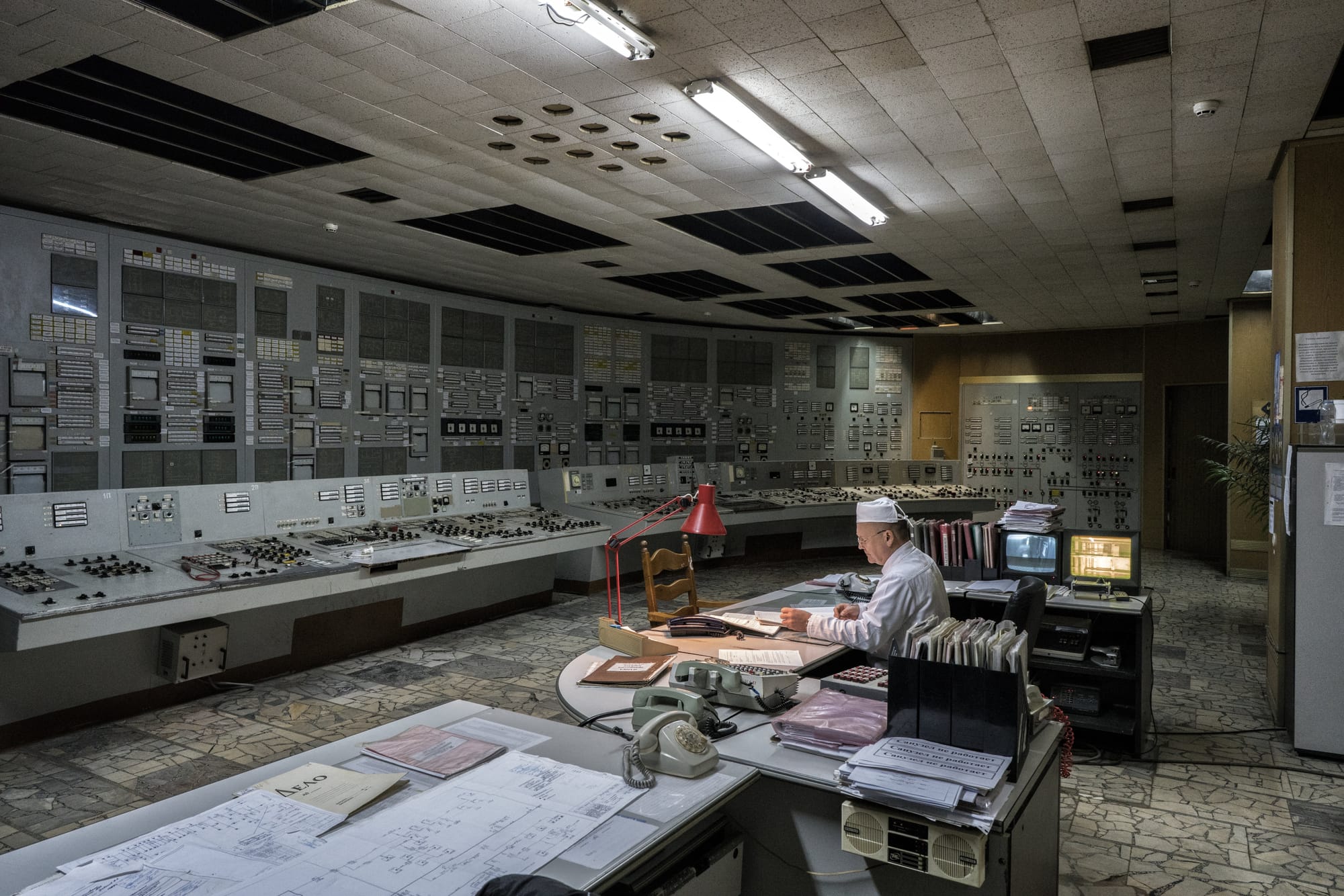
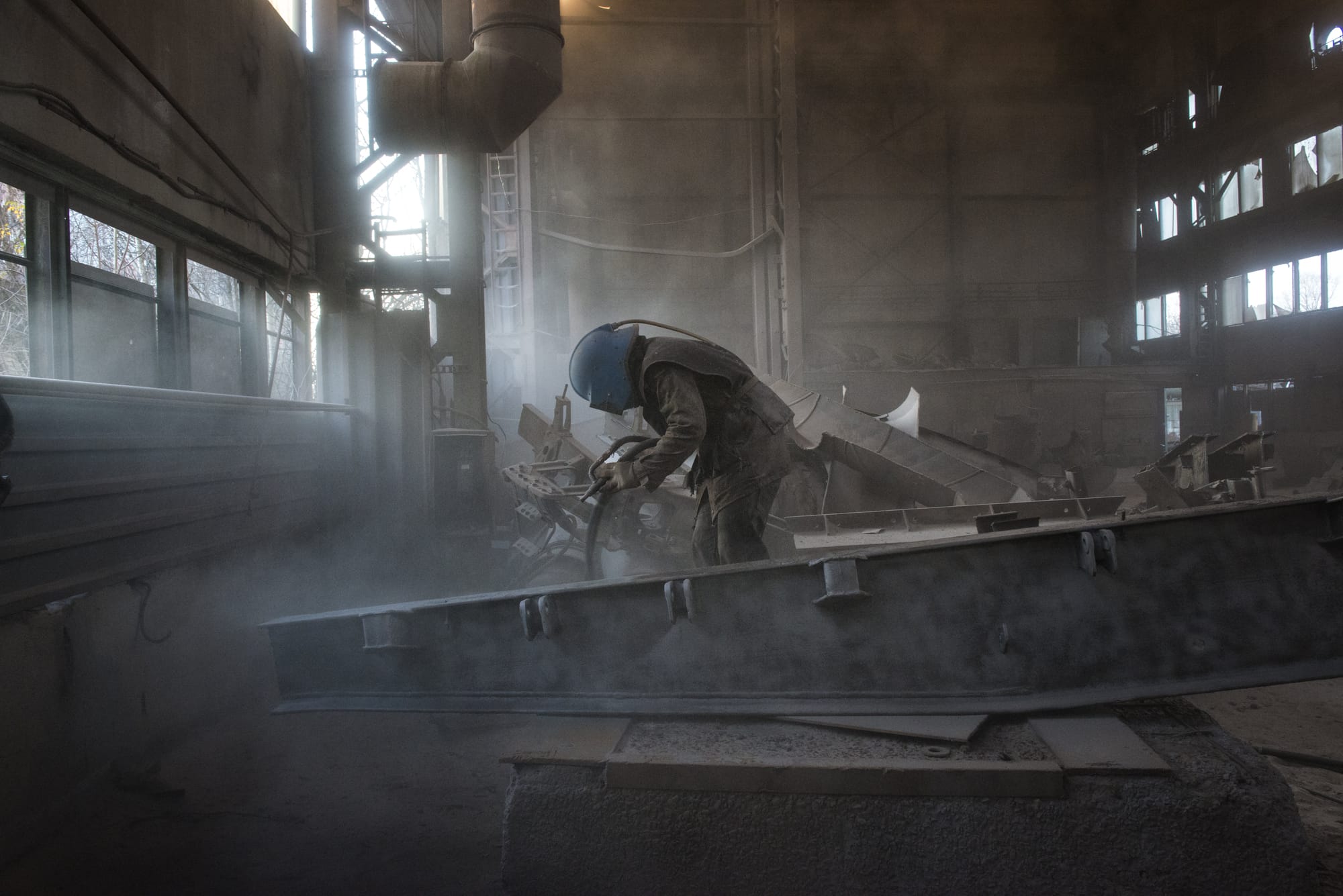
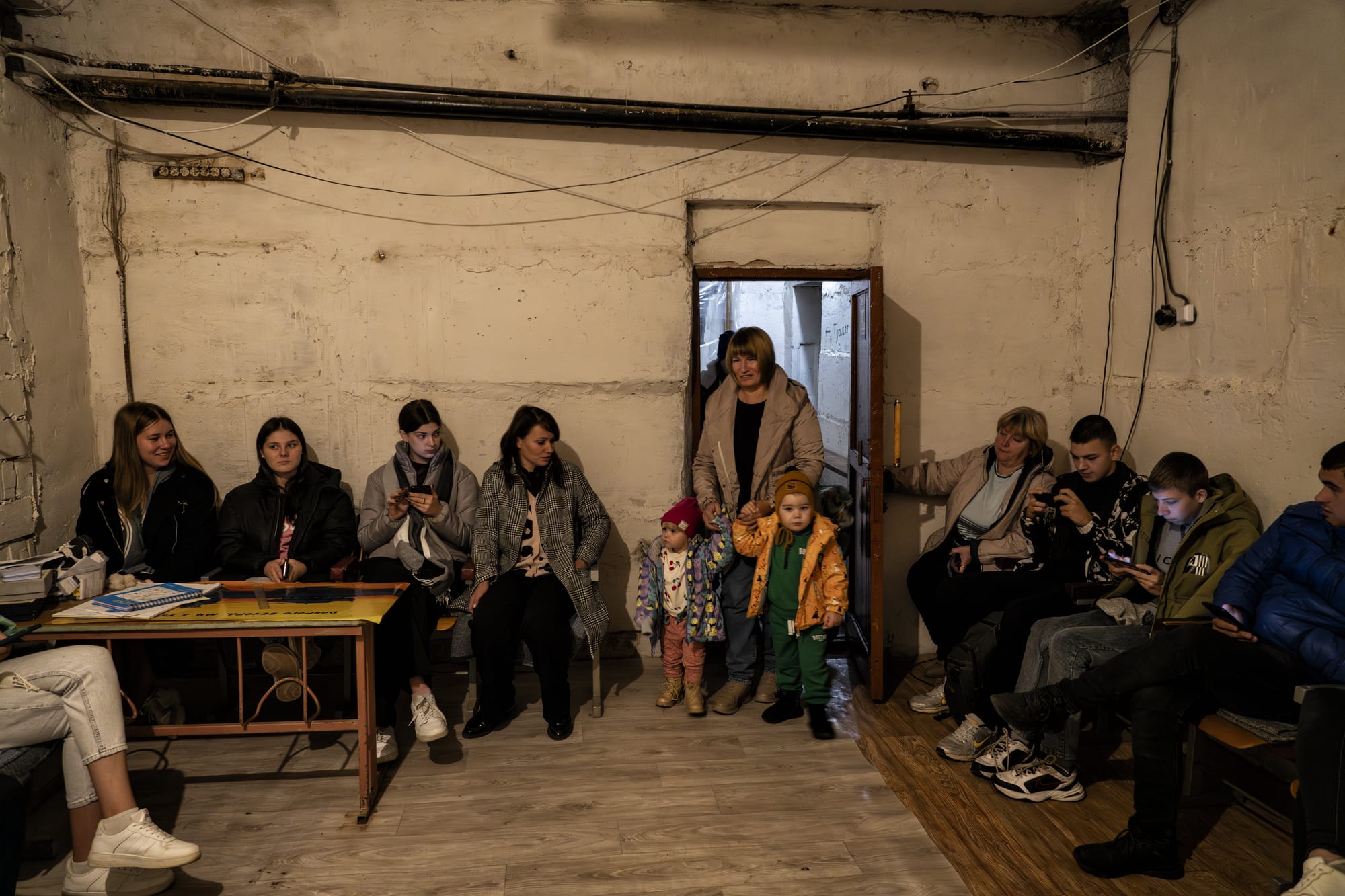
These are the workers who must keep the area safe, and the service personnel who keep operating the city of Chernobyl, where the workers live.
In recent years before the war the zone was a place full of life: 60 thousand tourists came every year to visit the zone, there were young boys entering illegally in the zone, called stalkers, and a pilgrimage of the Hassidic jews to the tomb of the founder of their religion took place in Chernobyl once a year.
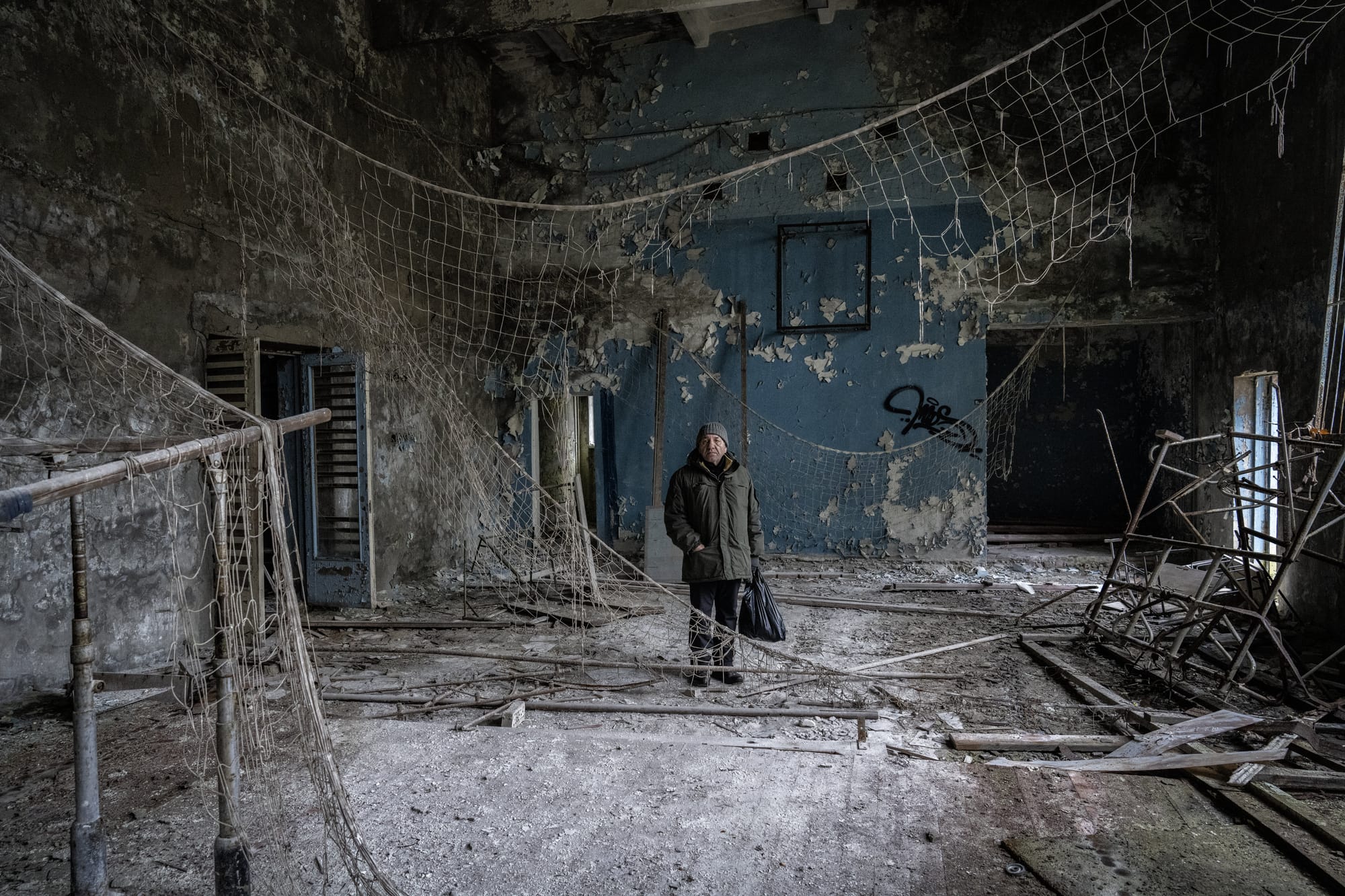
Just after the accident 1,200 people, called resettlers, decided to return to their homes in the zone because the bond with their land was too strong. Today only 30 resettlers survived, time and radiation took them away.
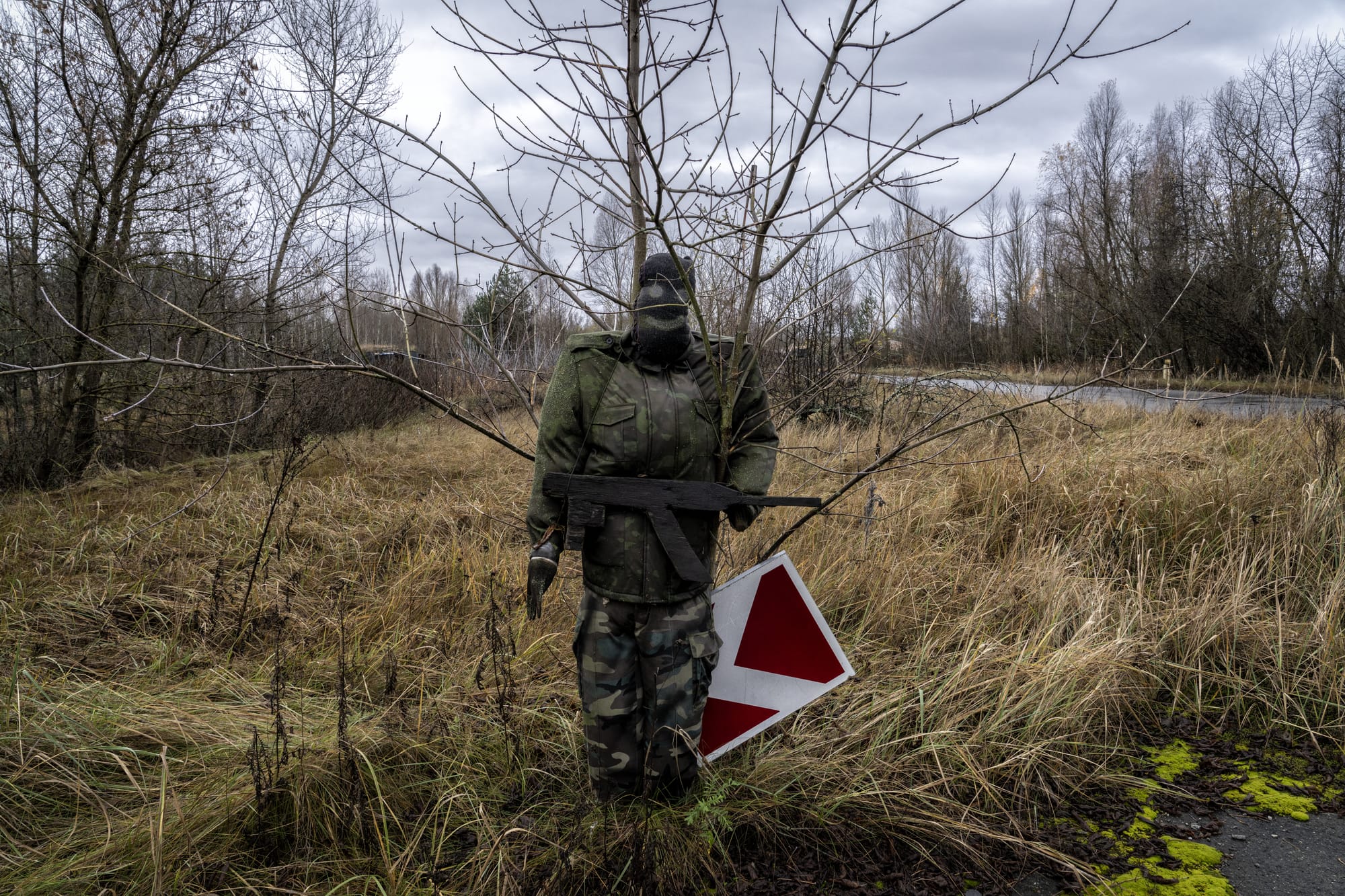
But on February 24, 2022, Russia invaded Ukraine through the Chernobyl exclusion zone, occupying the area and the nuclear power plant for a month. Following the retreat of the Russians, the zone became a military zone with no access to anyone. Today the Chernobyl exclusion zone is fully militarized and mined to prevent a new attack by Russia. The work of workers in the zone flows as usual, but their lives have changed forever.
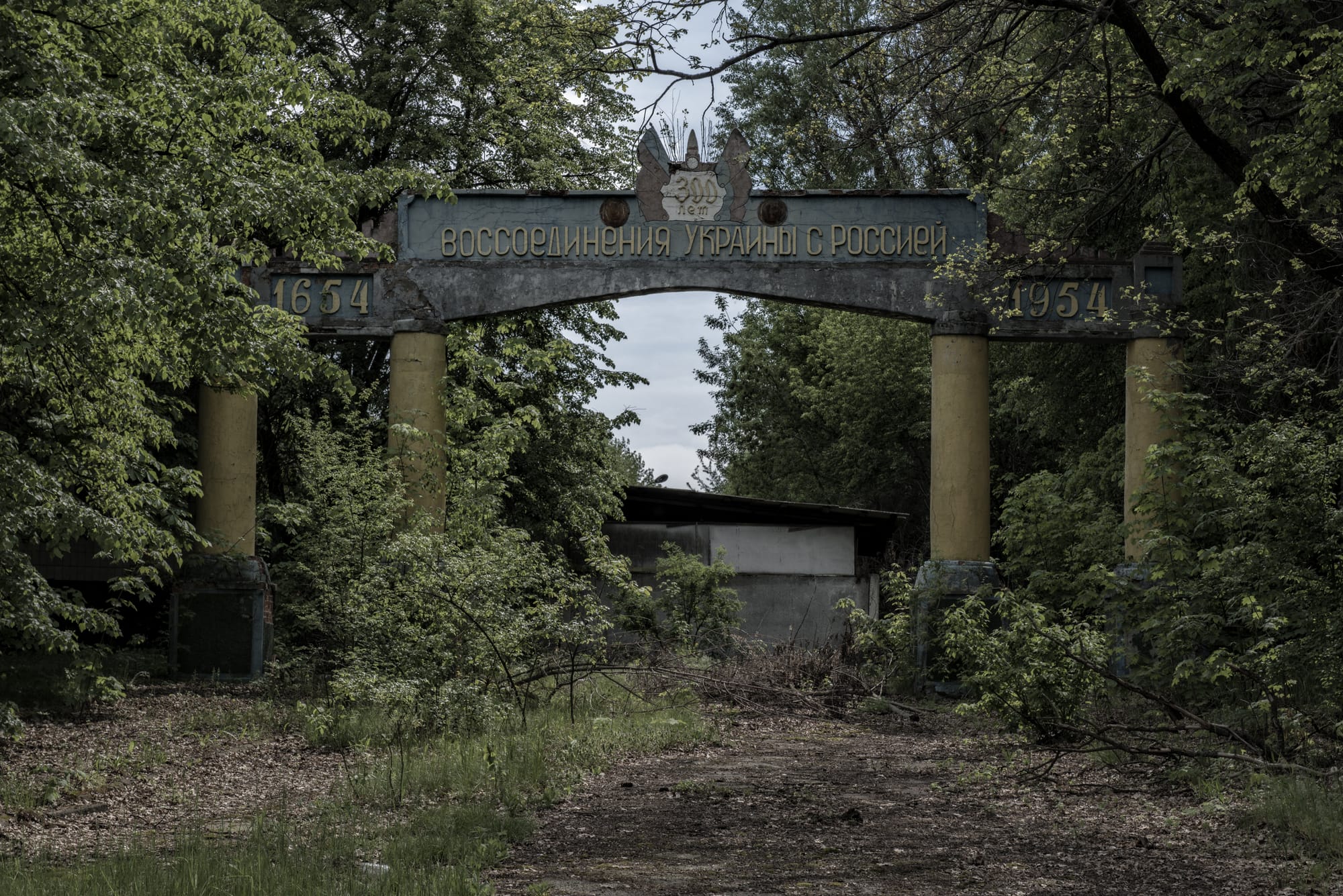
Over the past 40 years, changes have not only affected people, animals, and nature, but also the area itself, which has undergone continuous change over the years, changes between life and death.
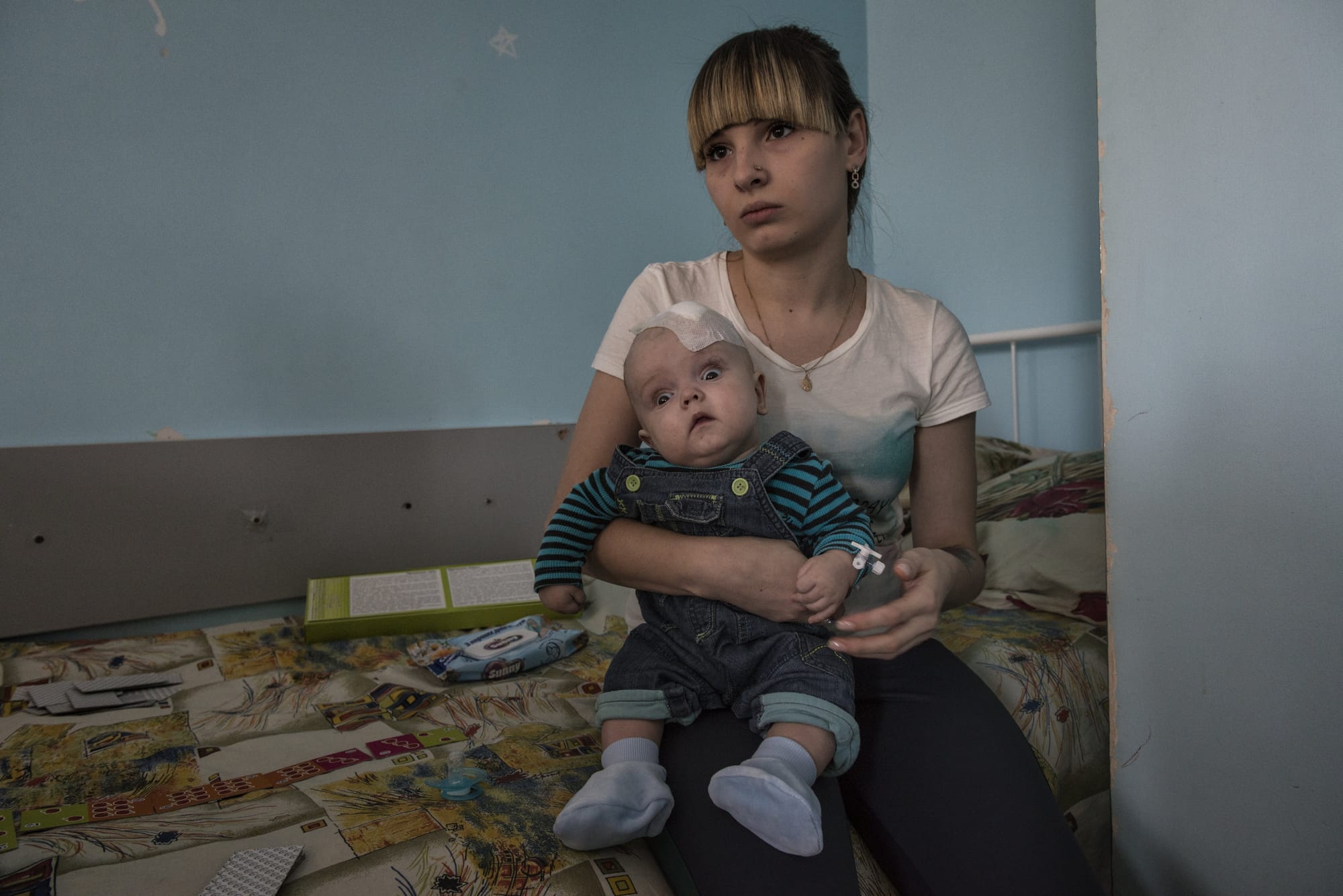
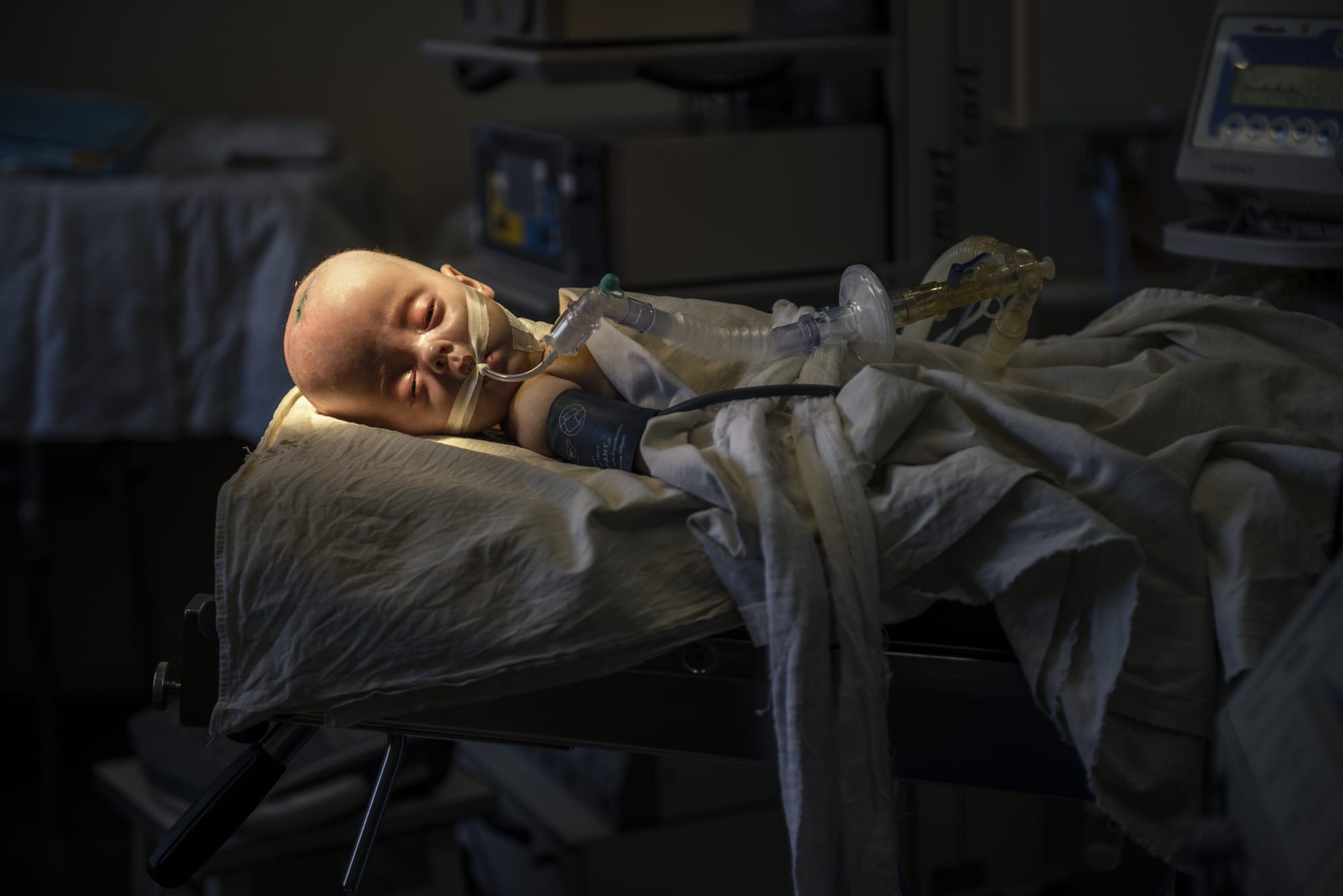
At the present time nine million people continue living in areas with very high levels of radioactivity, consuming contaminated food and water. Eighty percent of the population suffers from various pathologies. and now there are the effects of genetic mutation on new generations.
Author biography
Italian humanist and environmental photographer/filmmaker, is an award - winning photographer based in Italy. His photographs have been exhibited all over Europe, United States and China, and published in Italian and international newspapers and magazines among them: l'Espresso, Internazionale, Corriere della Sera, Repubblica, Days Japan International, Asahi Shinbum, The Telegraph, The Guardian, Sueddeutsche Zeitung, Spiegel, De Zeit, Wired USA, Asian Geo, Newsweek, National Geographic USA.
He is co - author with Alessandro Tesei and Michele Marcolin of two documentary movies:
Living Toxic, Russia (Produced by Sydonia, 2014)
Behind the Urals (Produced by Mondo in Cammino, 2015)
And he his co-director with Alessandro Tesei of the documentary movie:
"The zone, road to Chernobyl" (Produced by Subwaylab 2018)
His movies and short documentaries were broadcast on:
Amazon Prime Video,
Al Jazeera Documentary Channel (MENA - Middle East & North Africa)
Discovery Channel USA
RSI Swiss TV
TVN 24 (Poland)
Societé Radio Canada (Canada)
Slovakia 1 E 2 (Slovakia)
InsideOver
Internazionale