

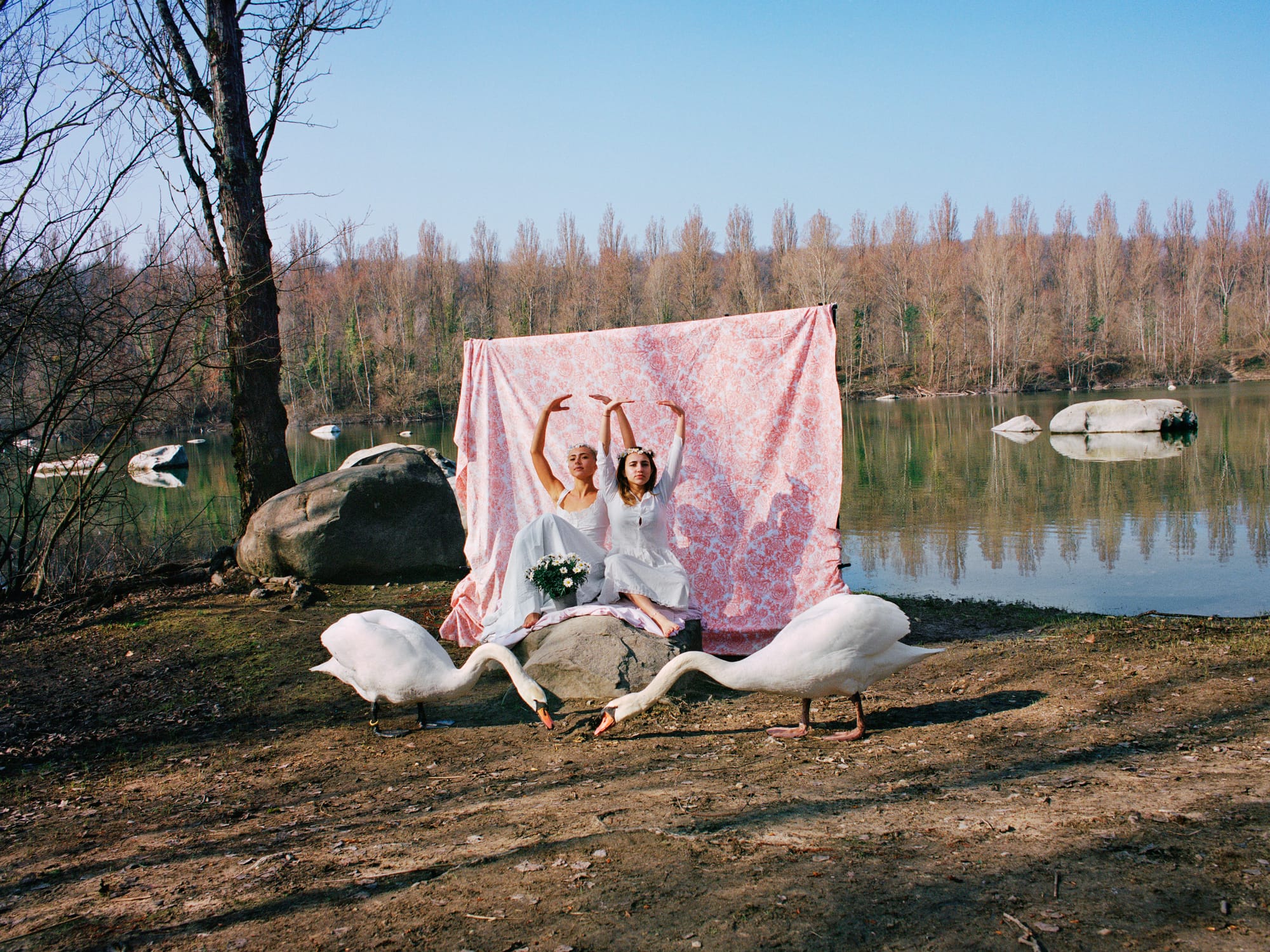
In family albums, those first photographs — both impressions and proof of our existence — never tell our story alone. Naked in the bath, beneath the Christmas tree, on the sand, dressed up for formal portraits, they stage us alongside those who share our world through intimacy and age.
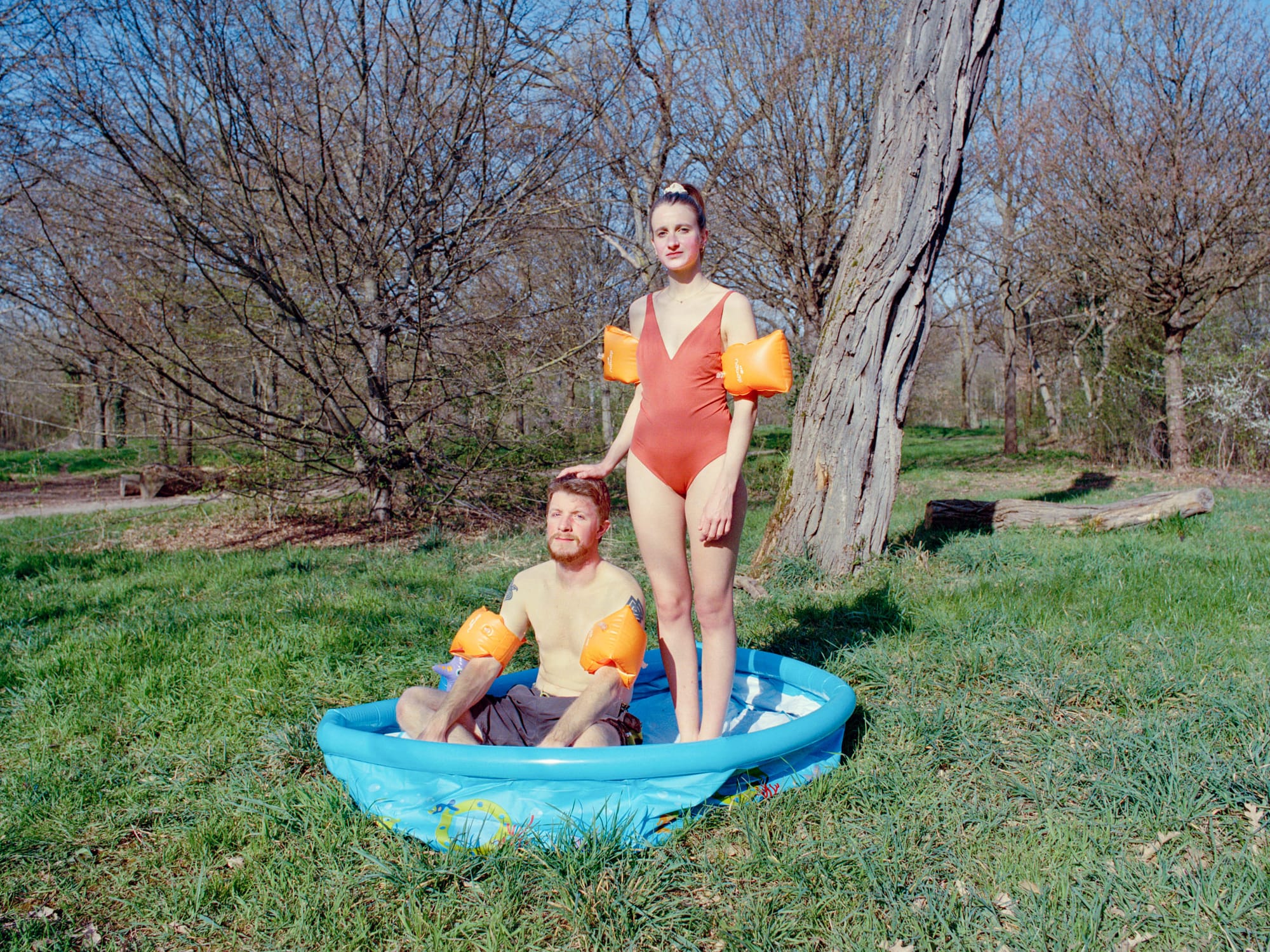
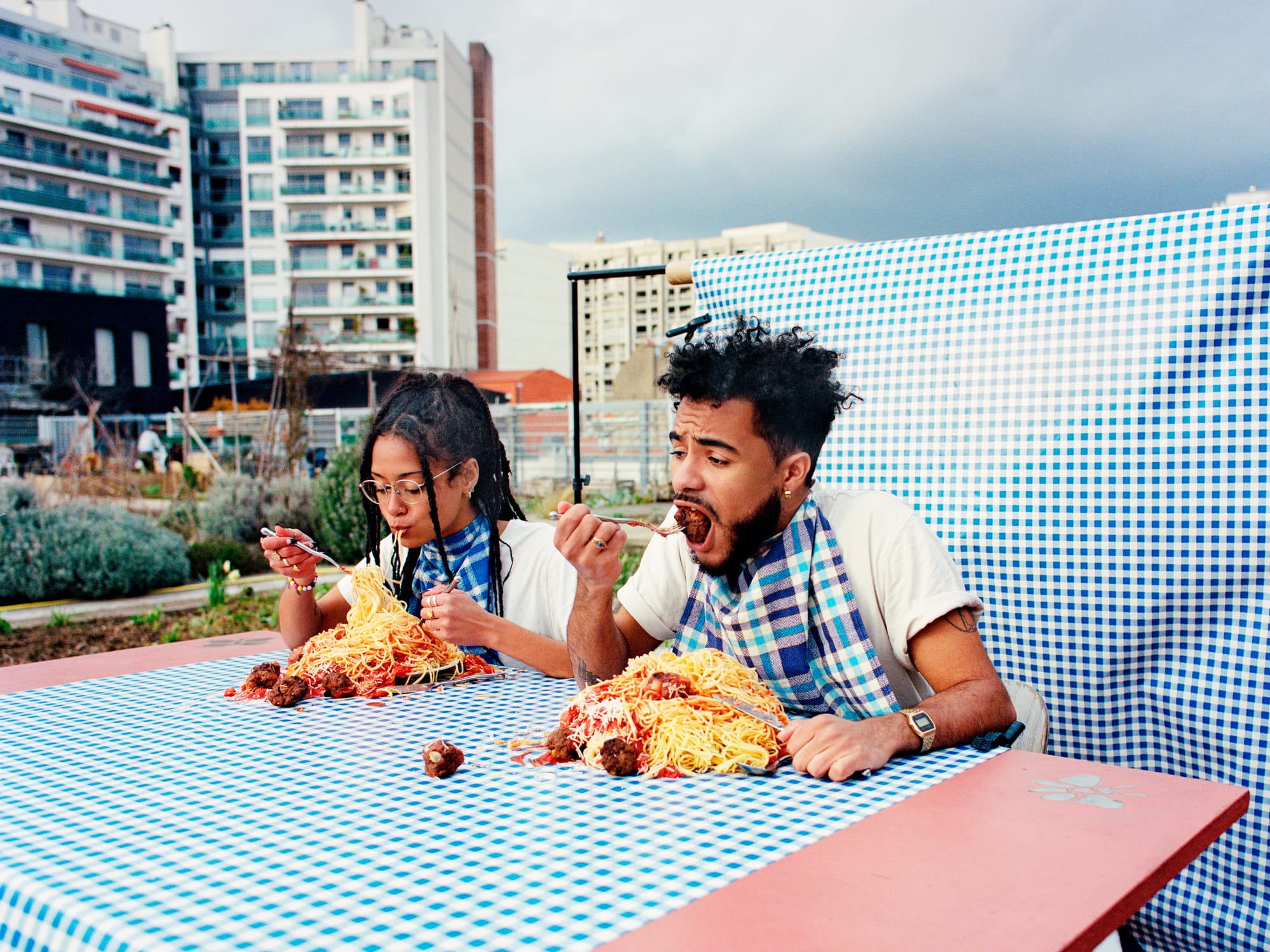
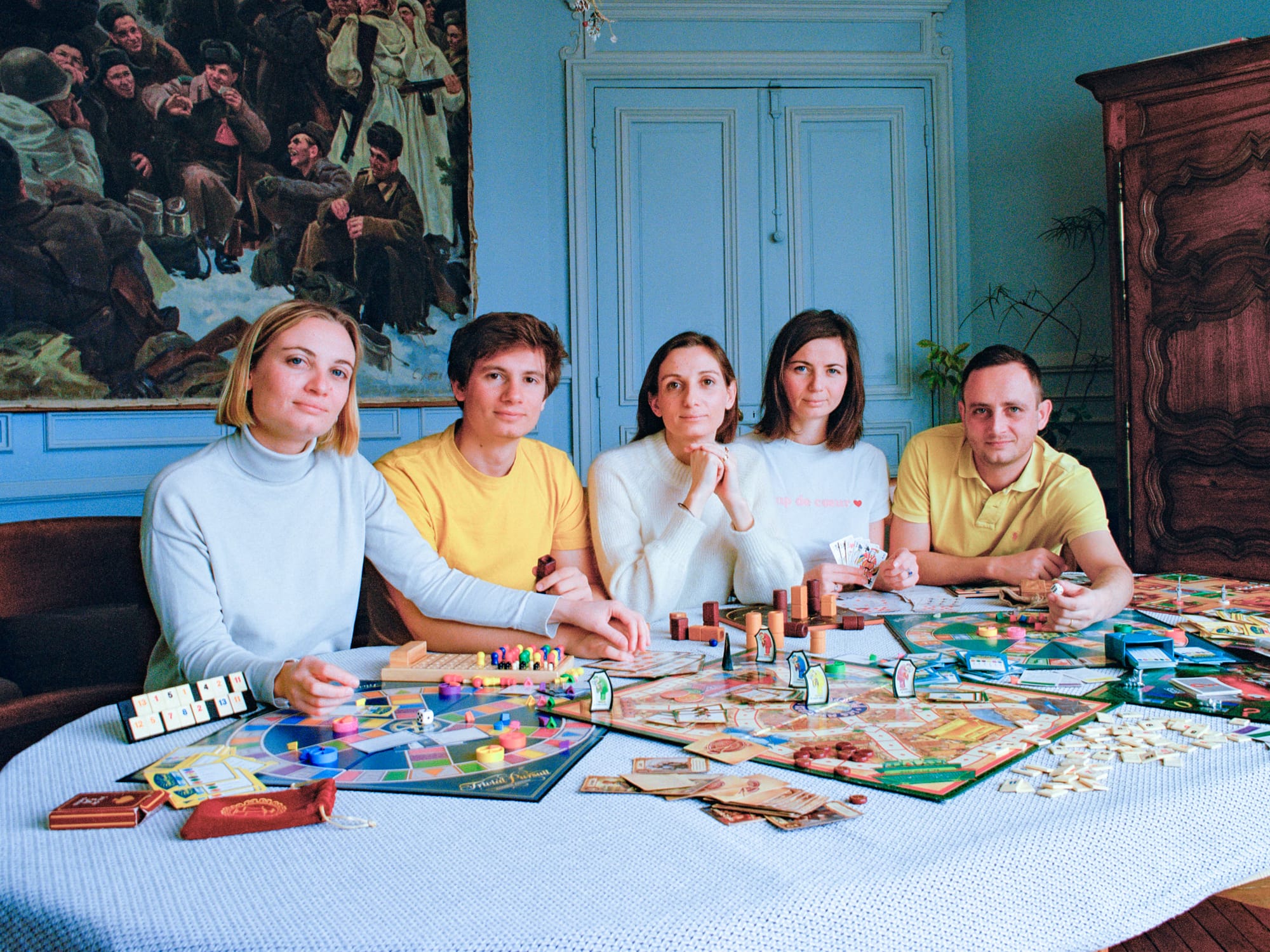
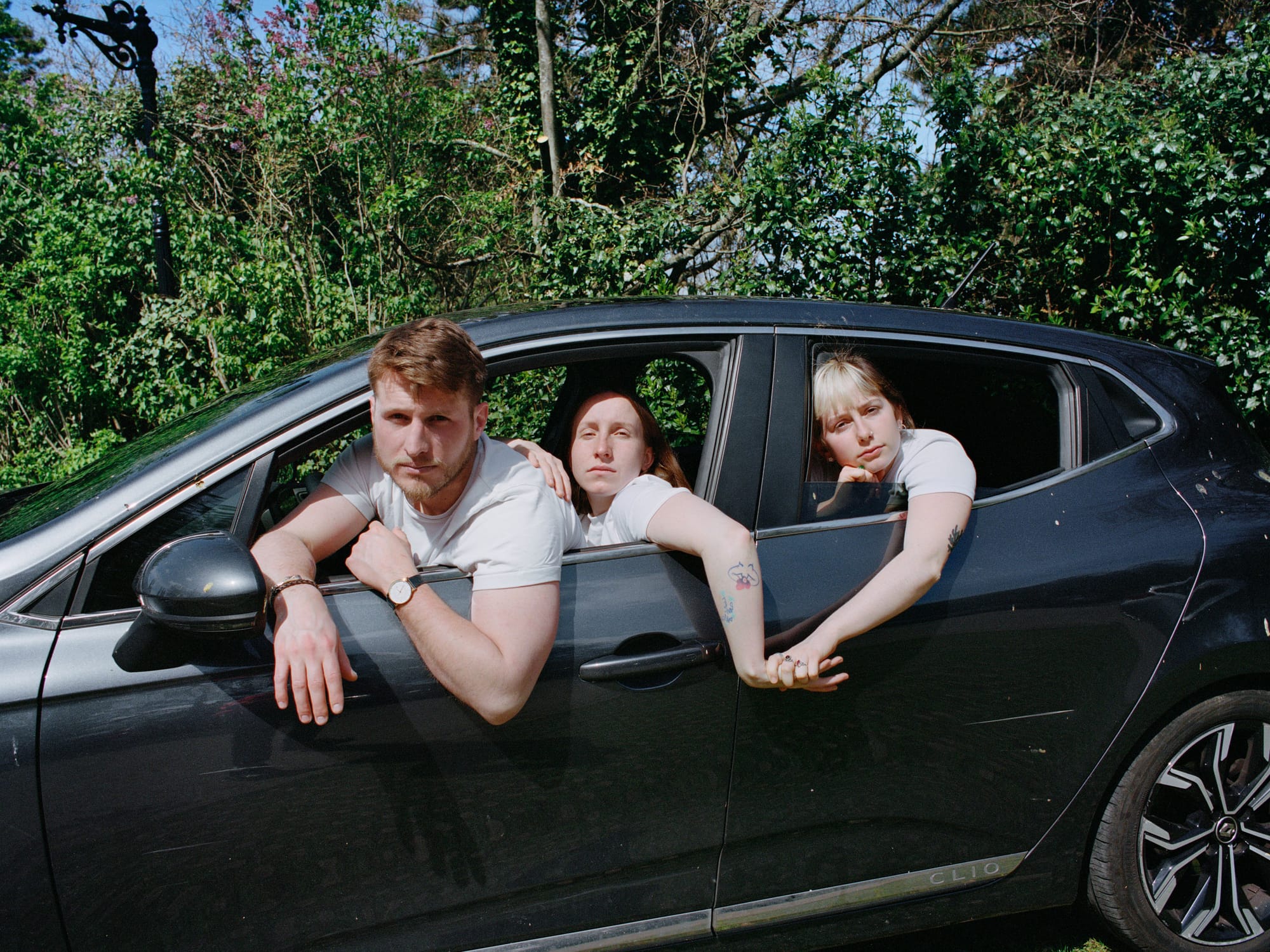
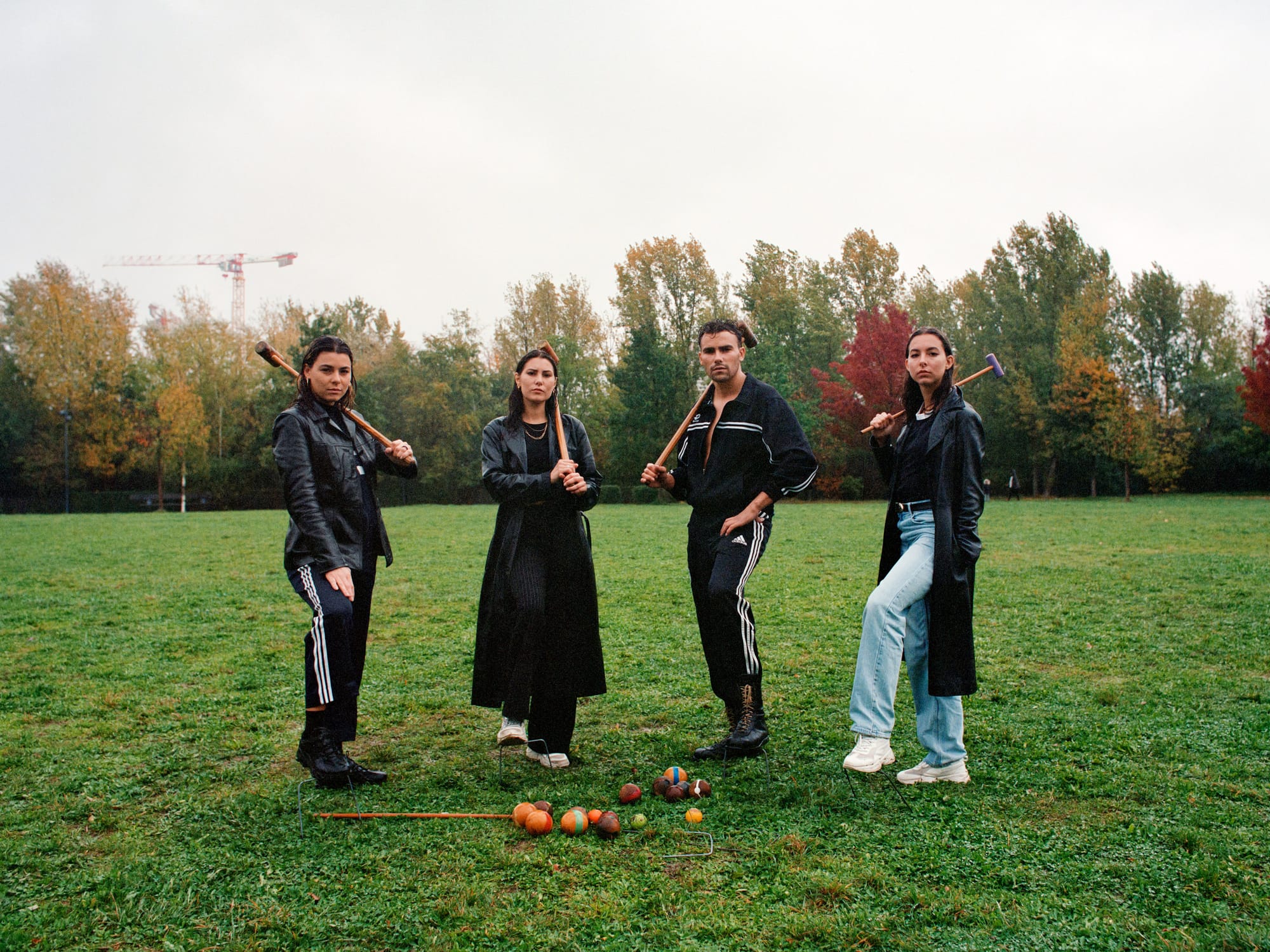
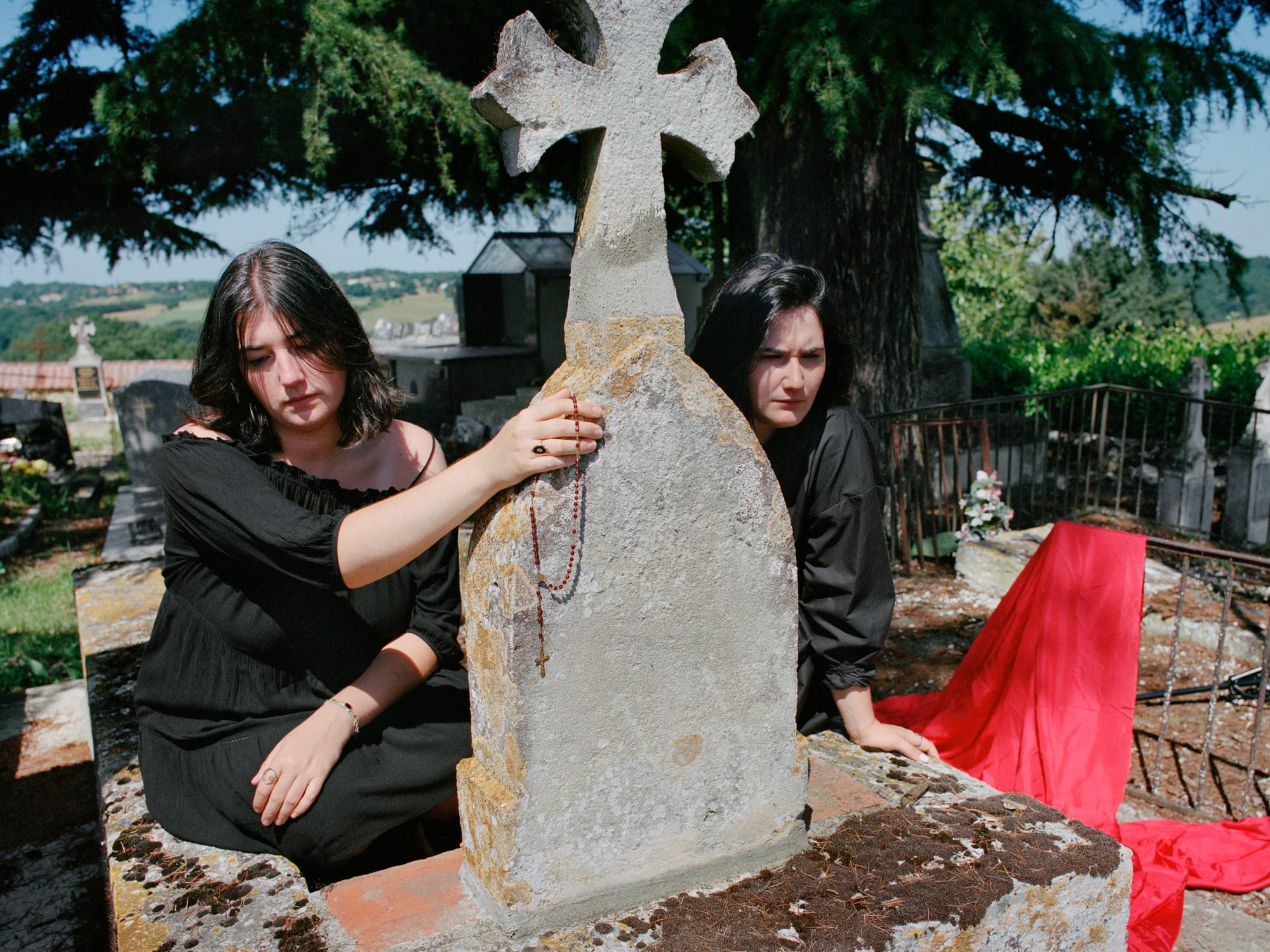
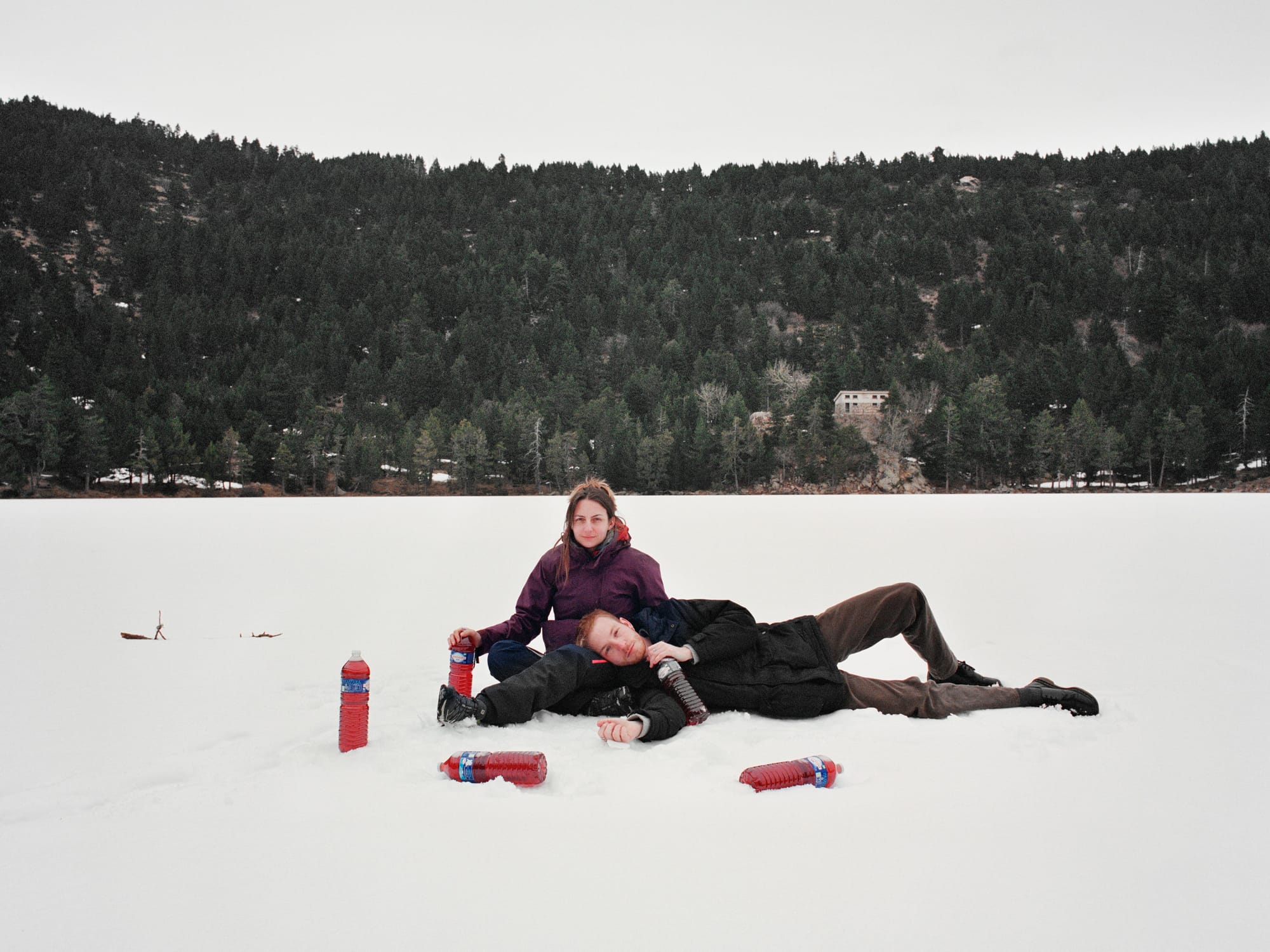
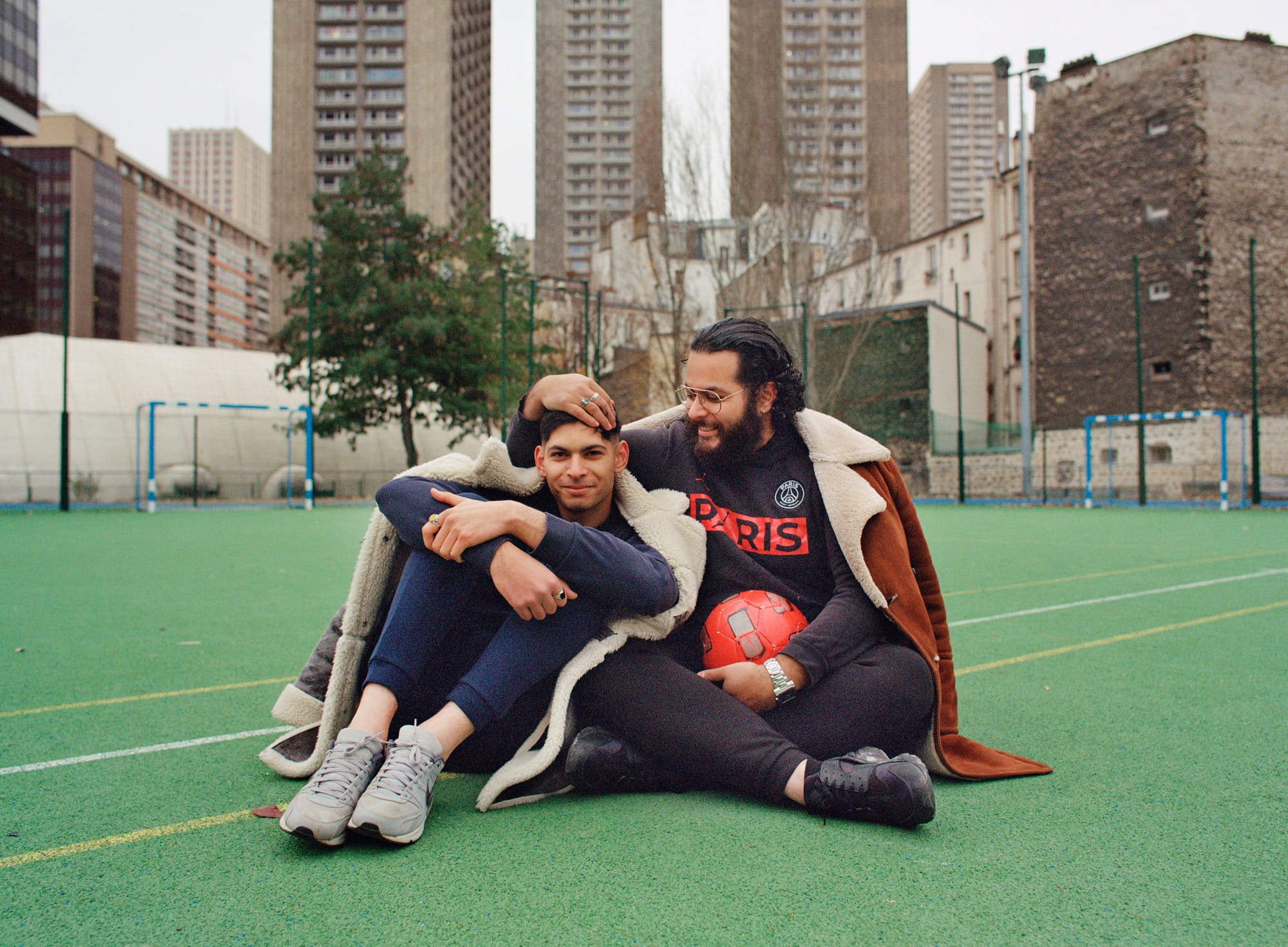
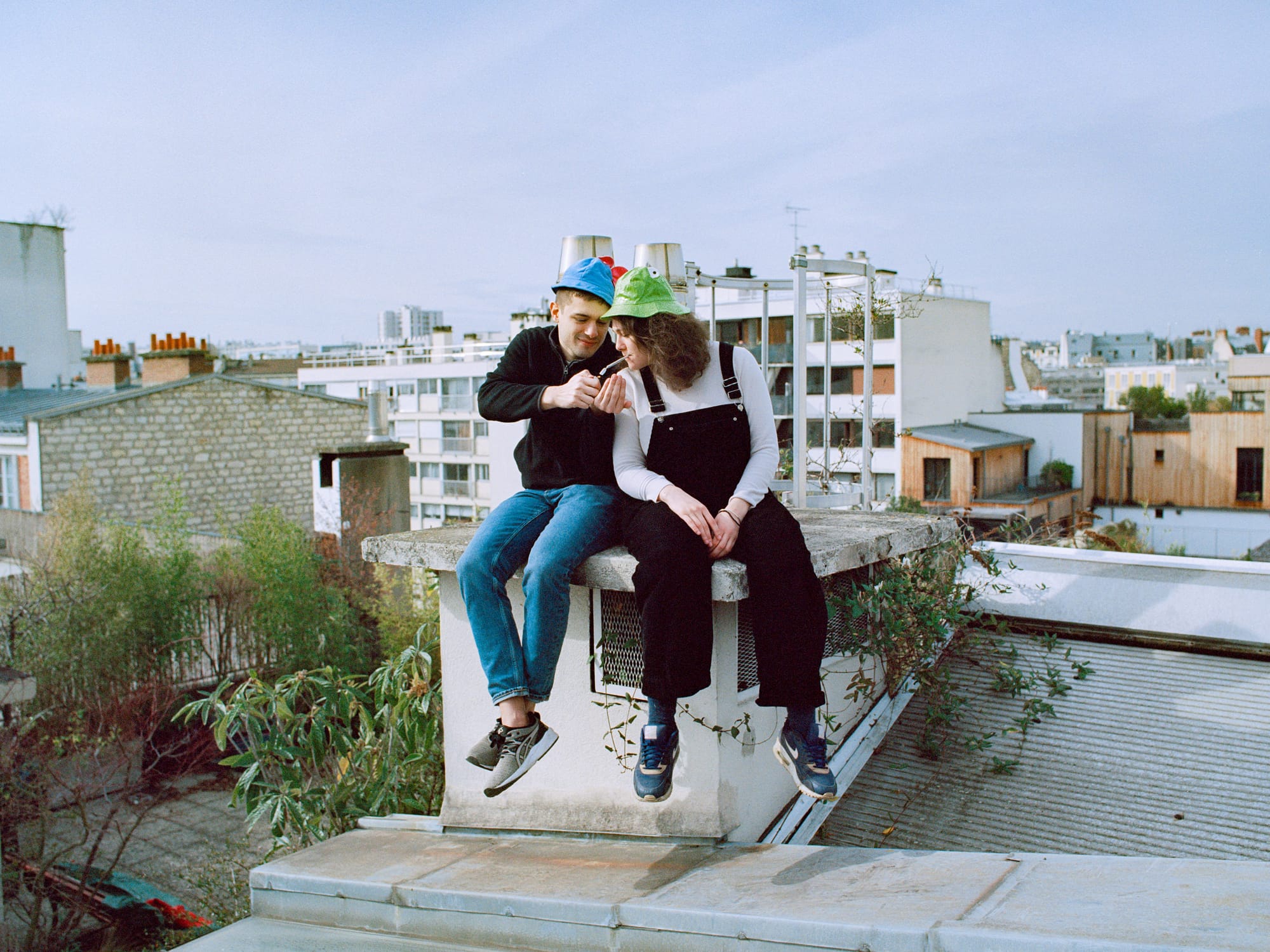
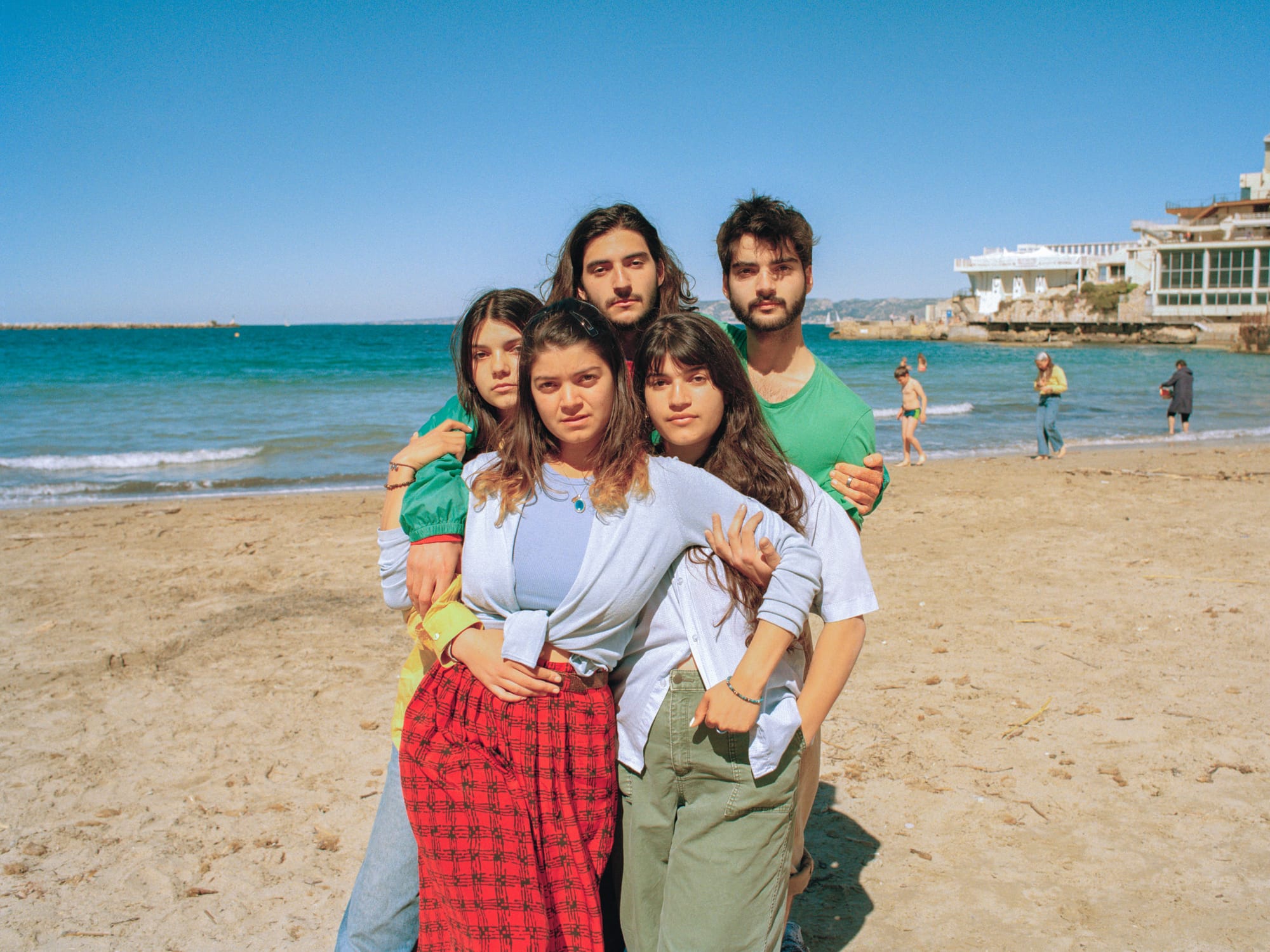
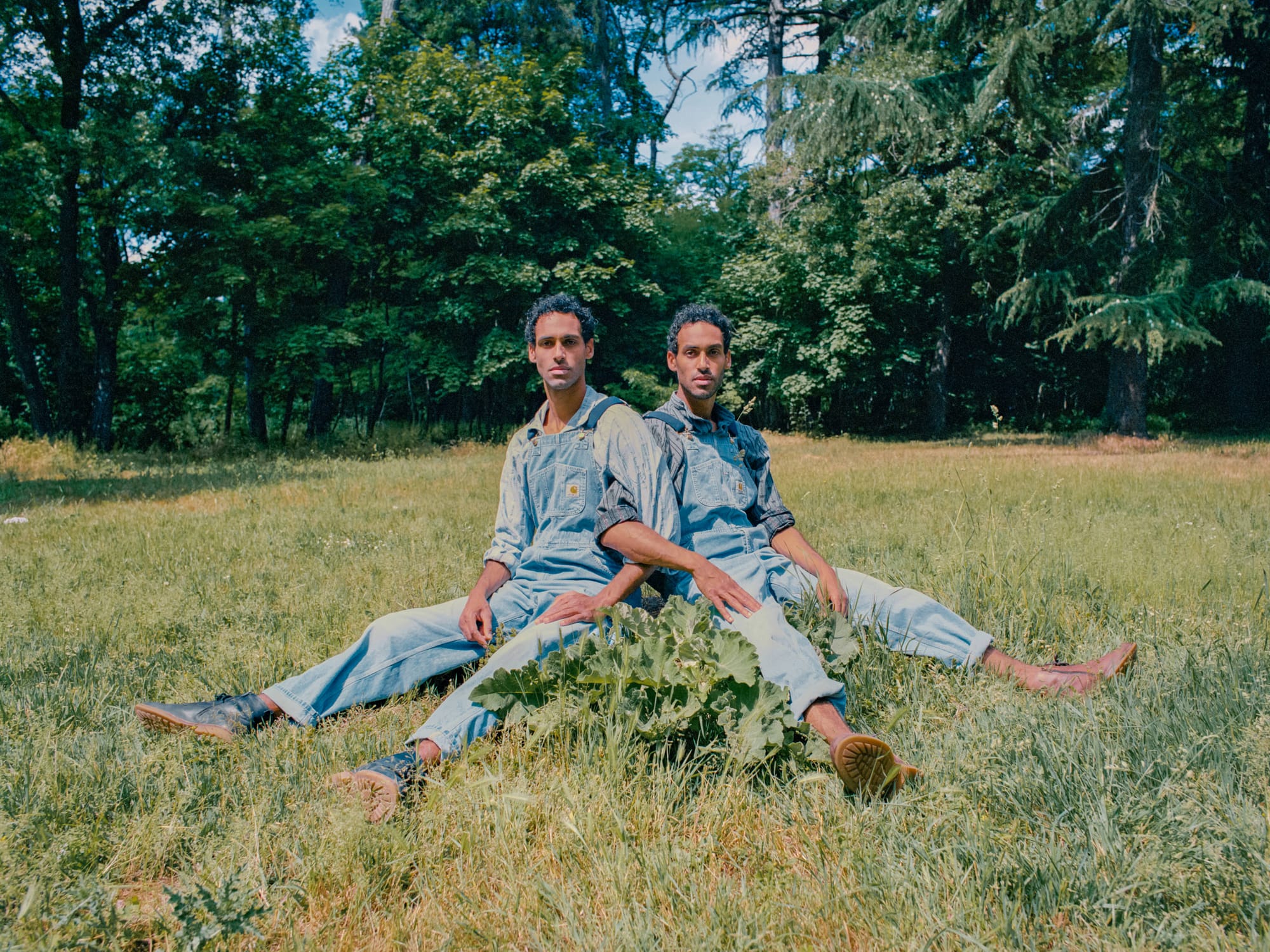
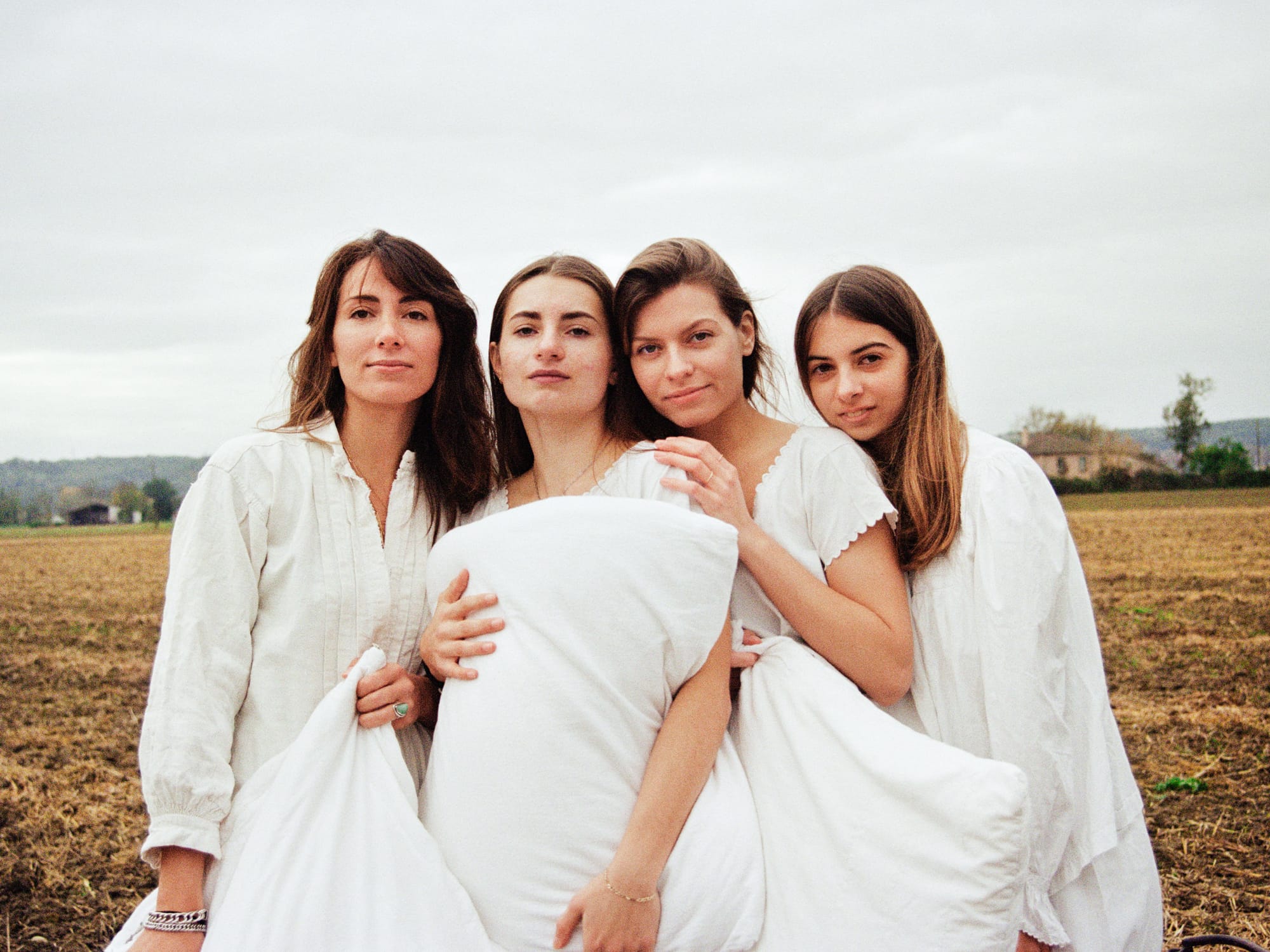
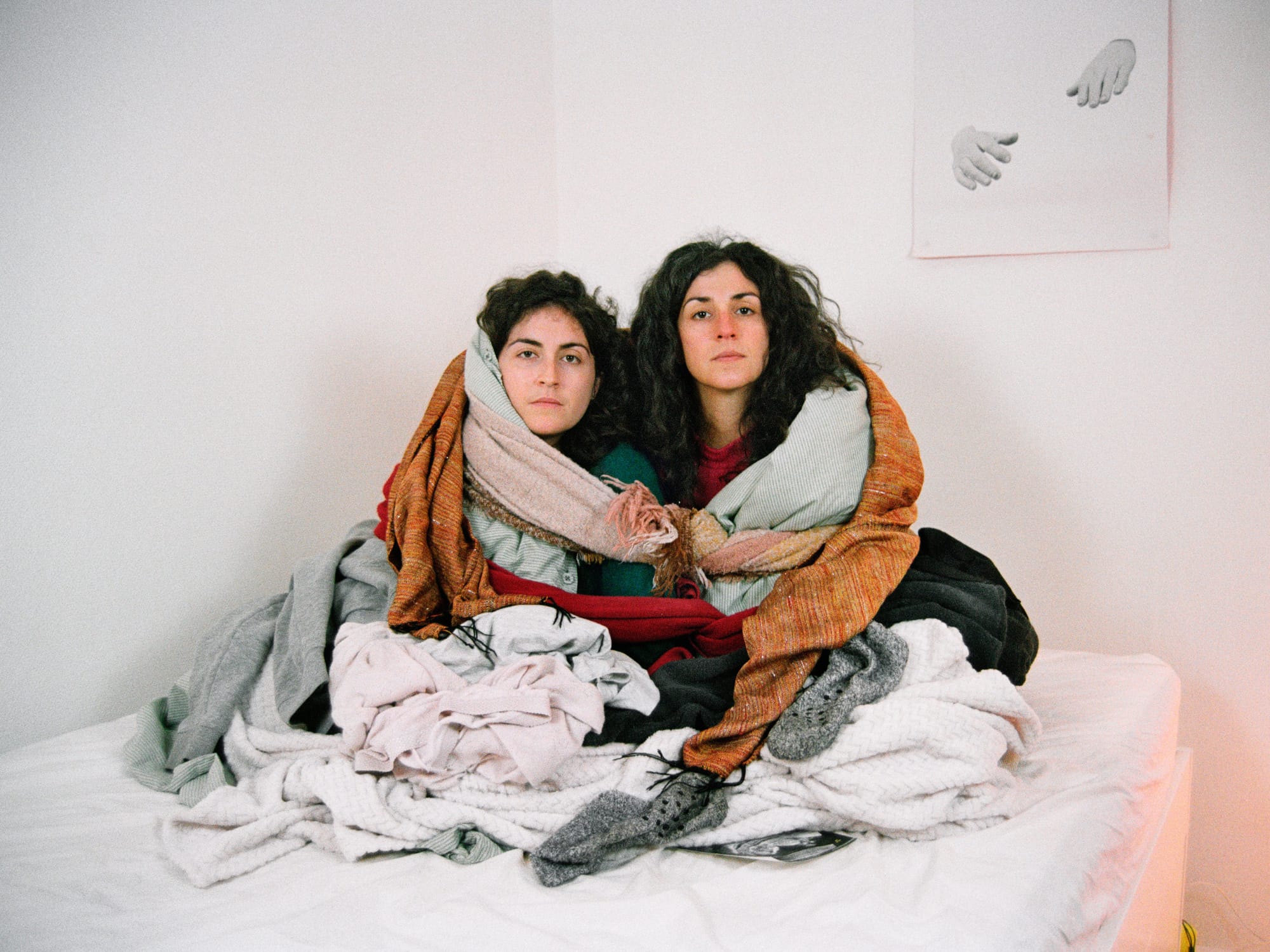
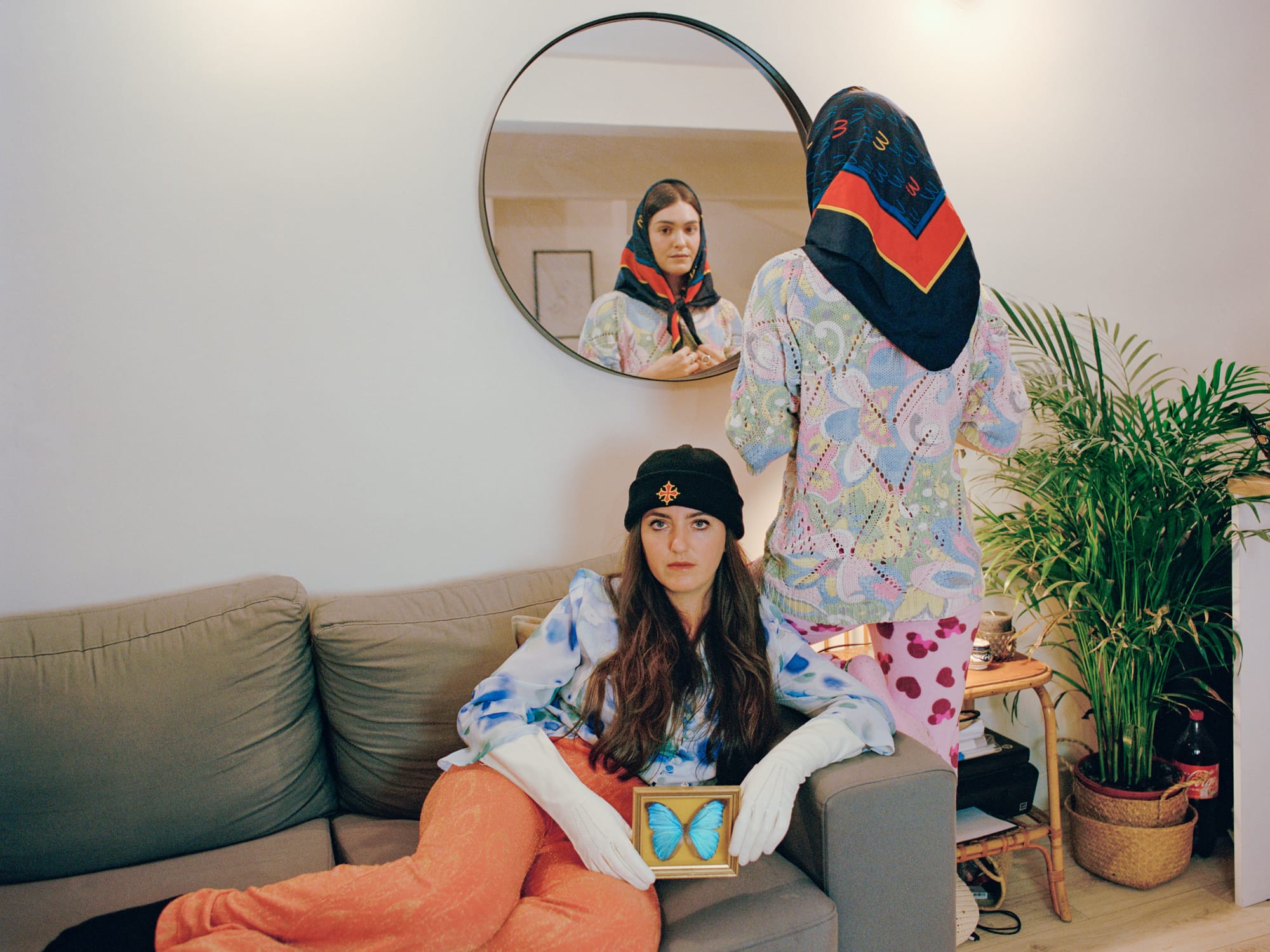
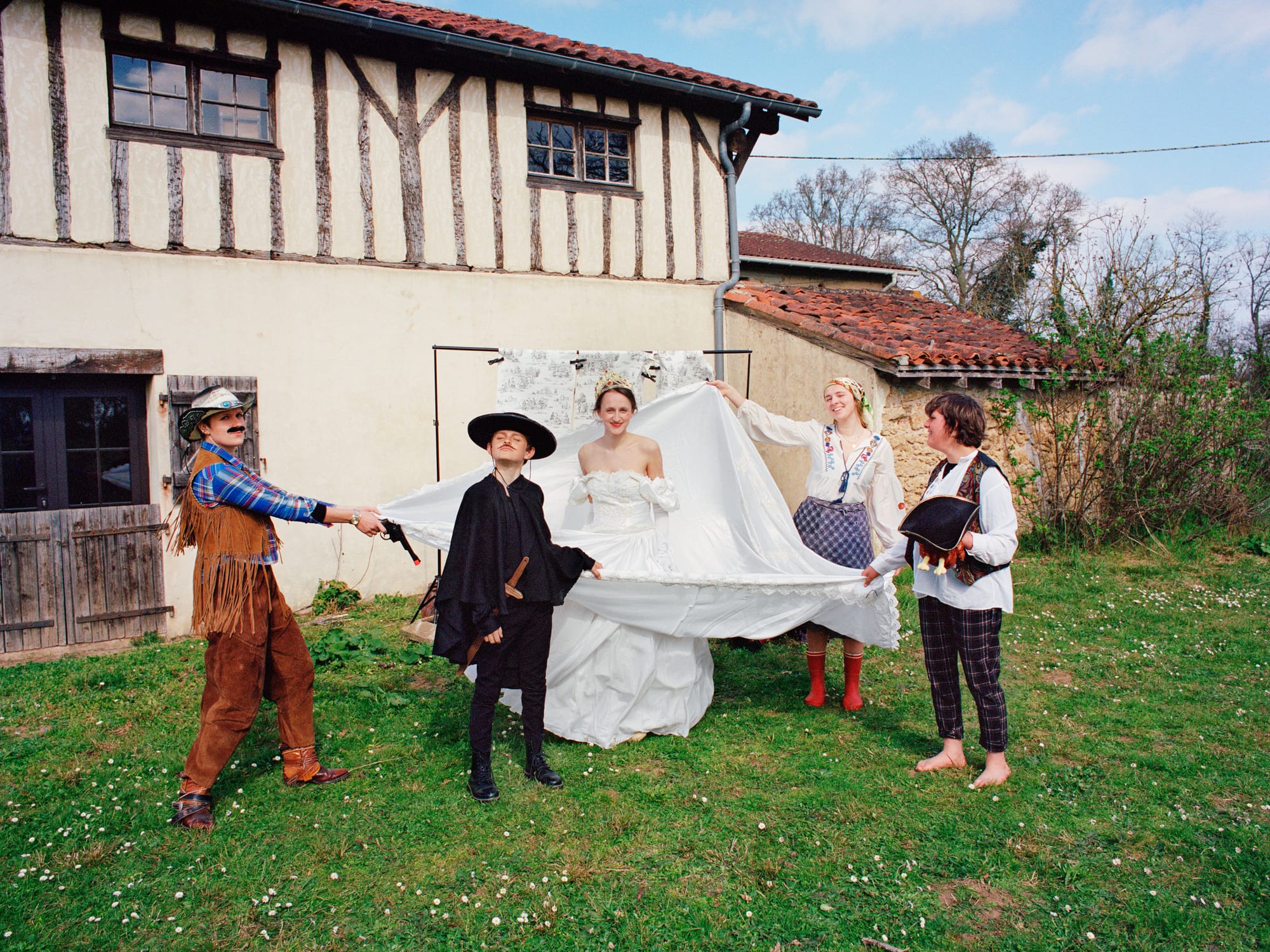
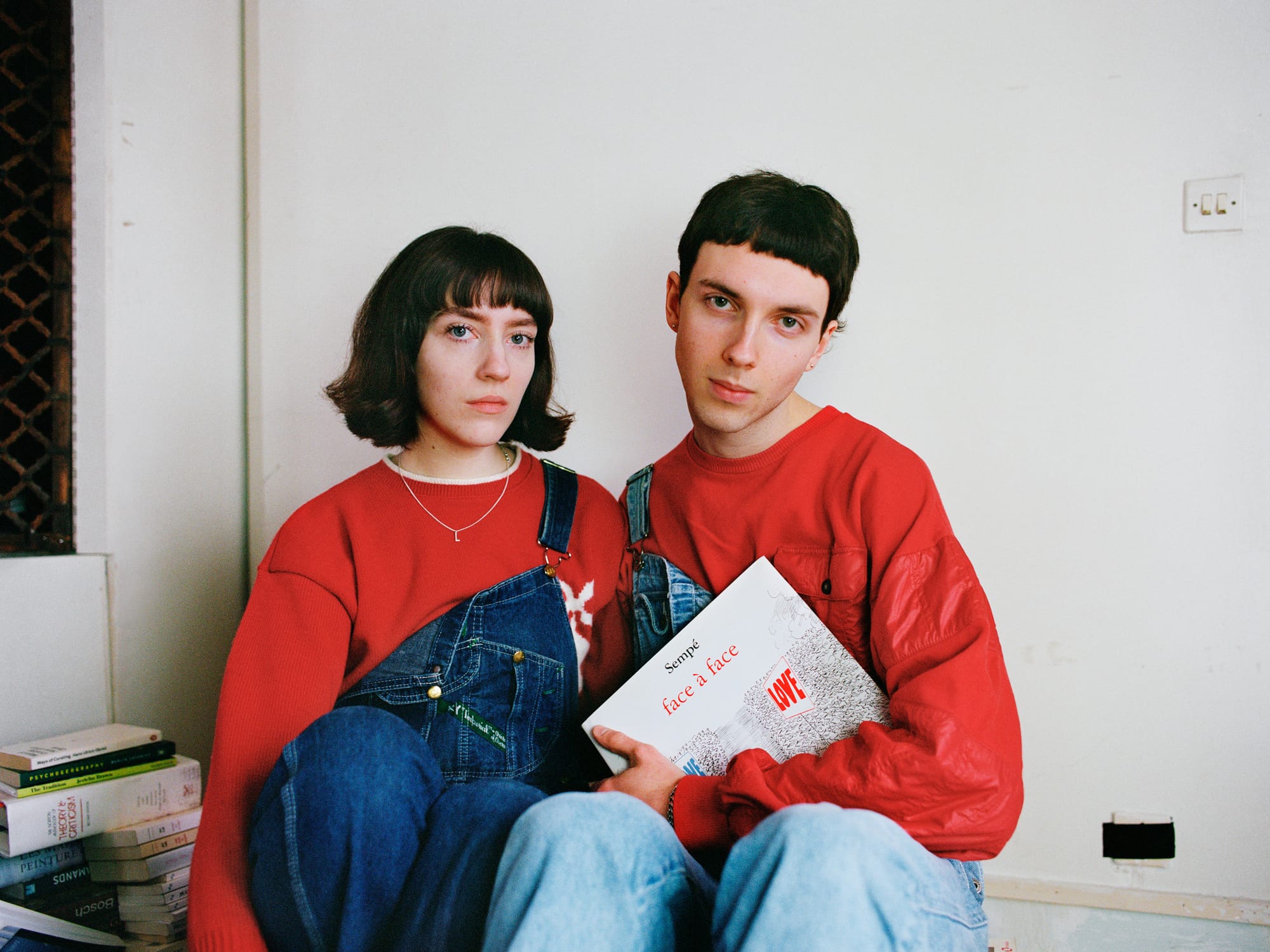
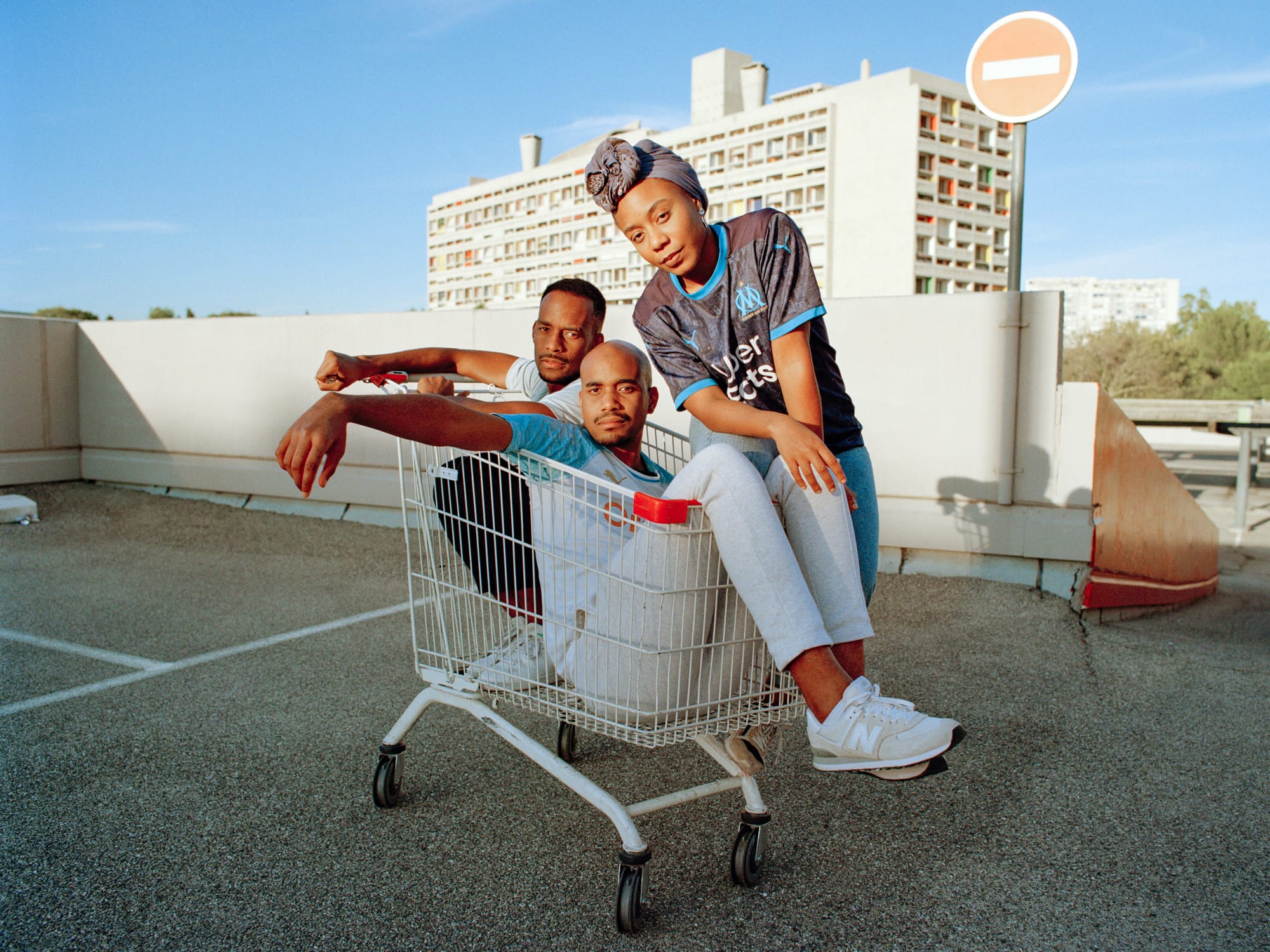
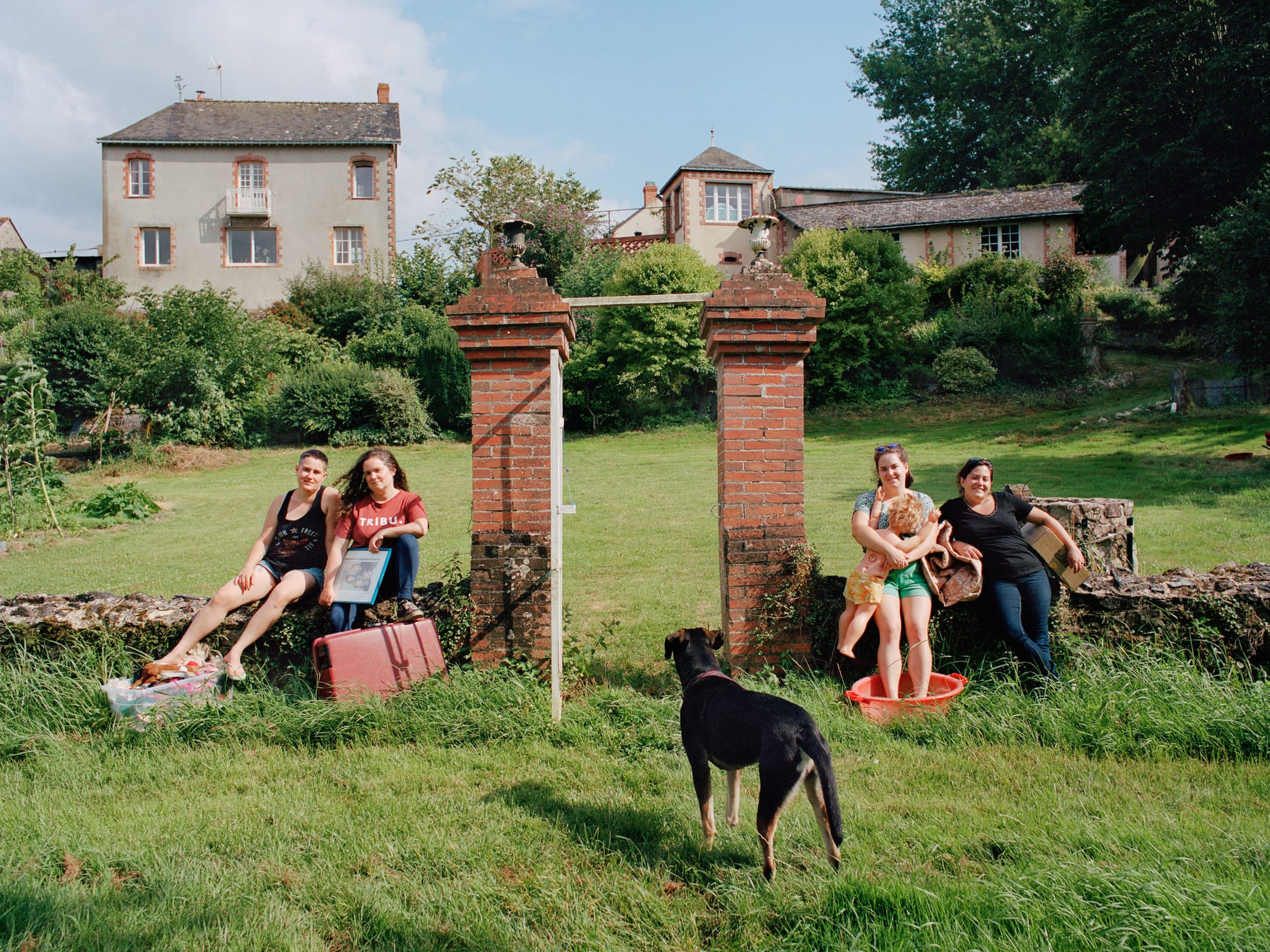
Starting from this observation, My Sisters and My Brothers recreates some of the moments, mischief, and rites of passage that shape the lives of siblings from beginning to end. From meals to games, from the garden to the sofa, from laughter to mourning, these moments of complicity and solemnity are reborn as tableaux celebrating brotherhood and sisterhood.
The conjunction of these many little scenes sketches out a world: a world of blood ties, of rivals who are nonetheless allies, of our final sources of support because they were there first.
With each set of siblings, a particular staging was chosen to symbolize the singular bonds that unite them. Immersed in these family stories, one sibling group leading to another, I watched a network emerge — made up of friends, cousins, the sisters of those friends, the brothers of those cousins, then the sisters of those brothers and the brothers of our sisters...
And so, projected onto a larger canvas that extends beyond the individual tableaux, fraternity took on a deeper meaning.

Author biography
Maxime Michelet is a photographer born in 1994 in the South-West of France.
He is self-taught and uses tools of staged photography in order to tackle documentary topics that are rooted in territories, family identities as well as socio-geographical and political environments.
His work has been exhibited in various countries of Europe, Africa and the Americas - and published in both physical and online media.
Michelet is one of the laureates of Agence VU’s mentorship program in 2022.
Maxime Michelet builds photographic scenes as a quest of documentary realism. Collaborating with amateur models, including borrowed or found objects, he elaborates precise assemblages that remain open to improvisation.
Composed this way, his pictures invite a tender and mundane, sometimes ironic, symbolism that allow the viewer to criticise the real world via themes as diverse as mobilities, colonialism, family, masculinity…