

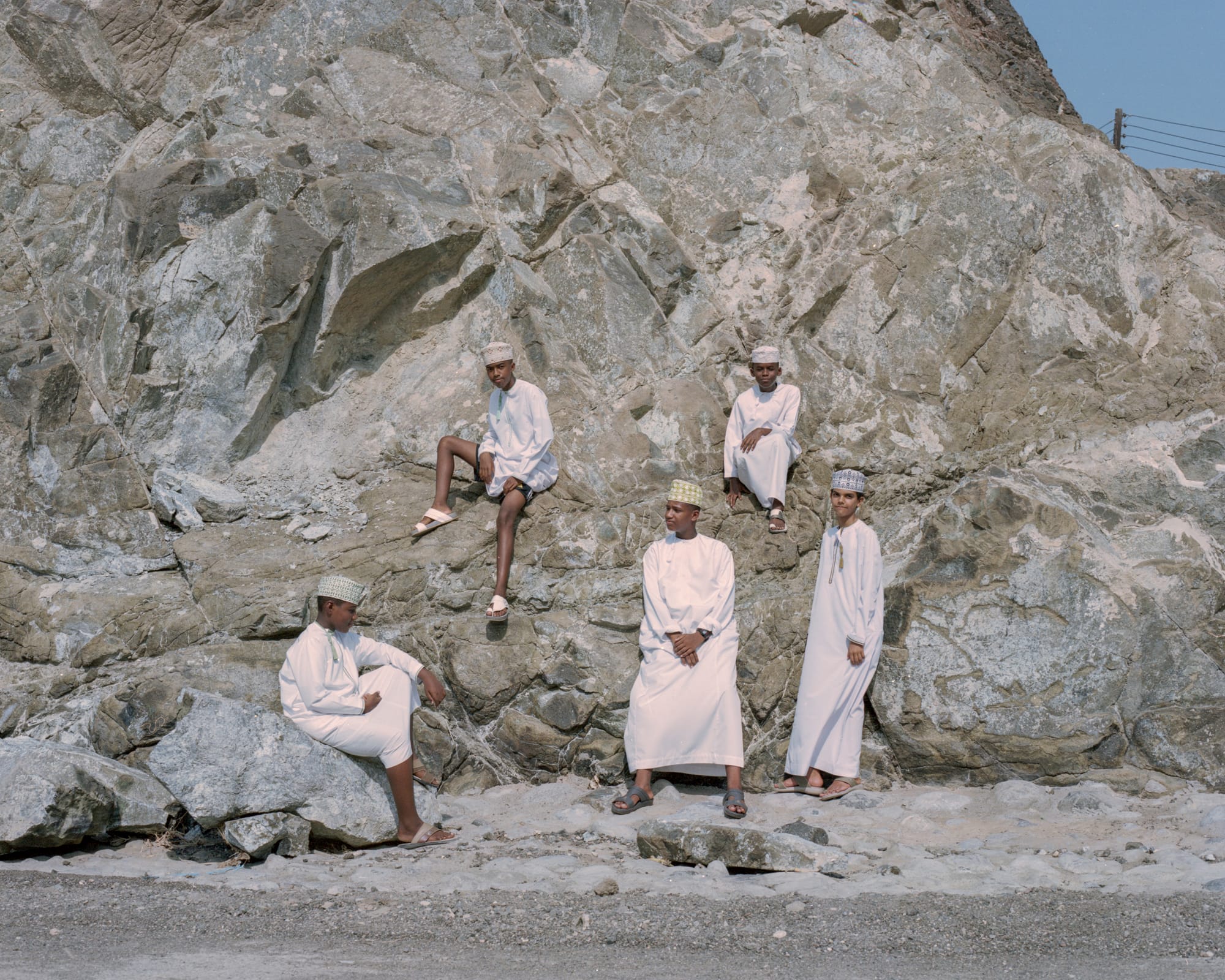
On January 10, 2020, the Sultanate of Oman mourned the death of Qābūs Bin Sa‘īd Āl-Būsa‘īdī, a beloved and cherished monarch whose fifty-year reign was marked by longevity, an absolute record in the Arab world. Throughout these years, Sultan Qābūs had shaped himself into a founding figure of modern Oman, dedicated to rapidly developing the country through oil wealth and inspired by the myth of the « Nahda ». However, while the migration of Asian workers continued to rise during his reign, the oil and gas resources were depleting. This situation led Qābūs to conceive the new development policy «Oman Vision 2040 ». After his death, it falls upon his cousin, the current Sultan Haitham Bin Tariq to pursue the work initiated.
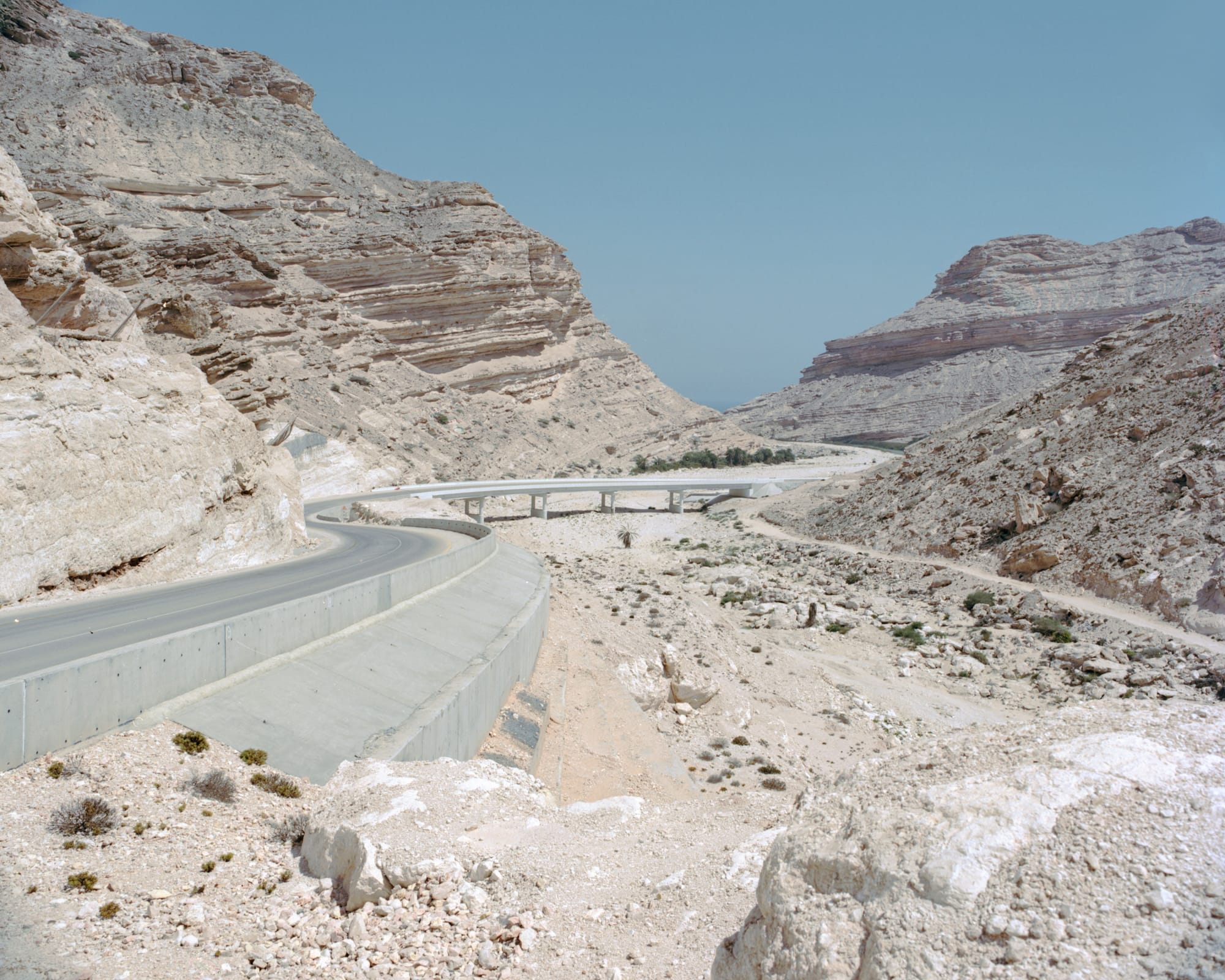
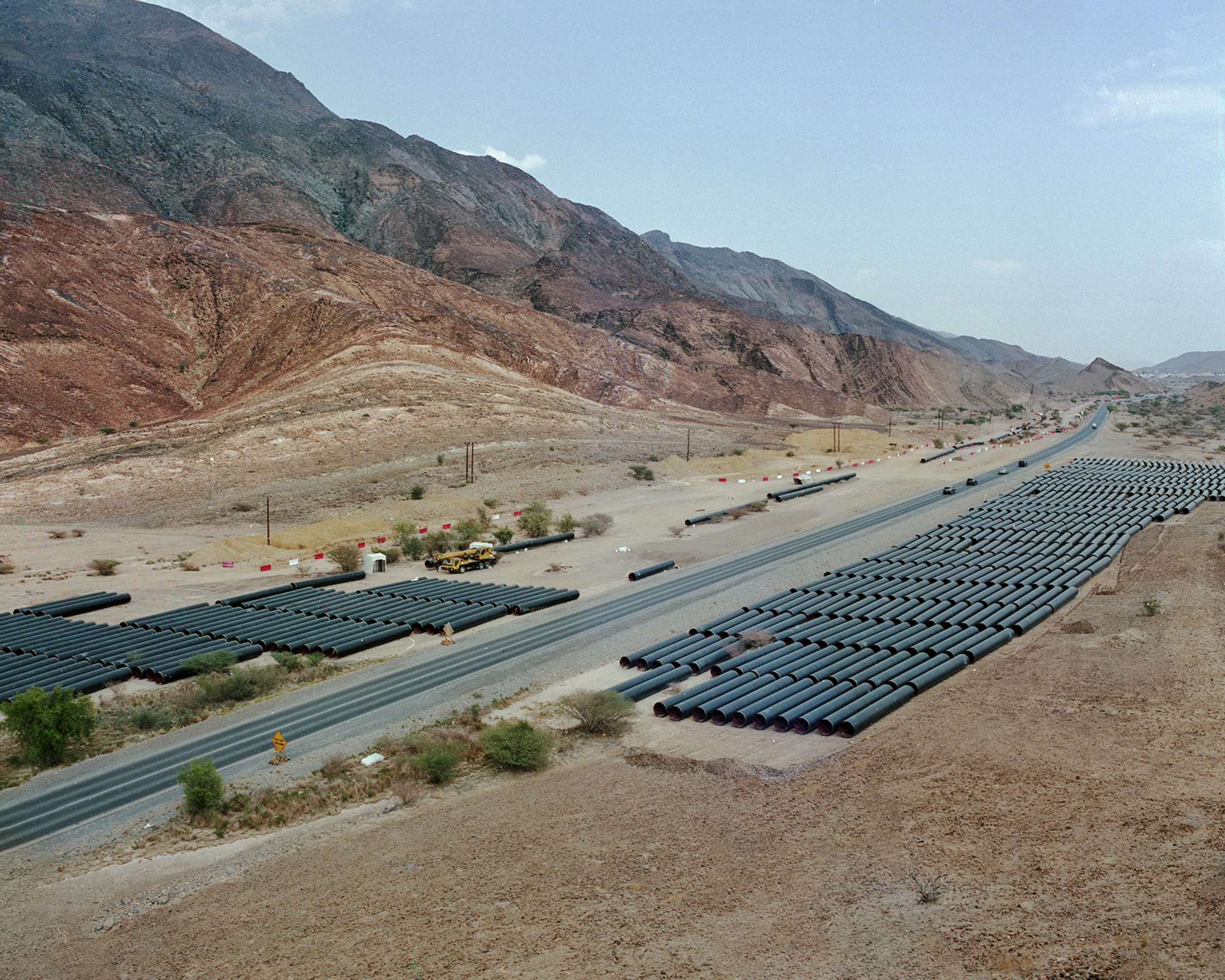
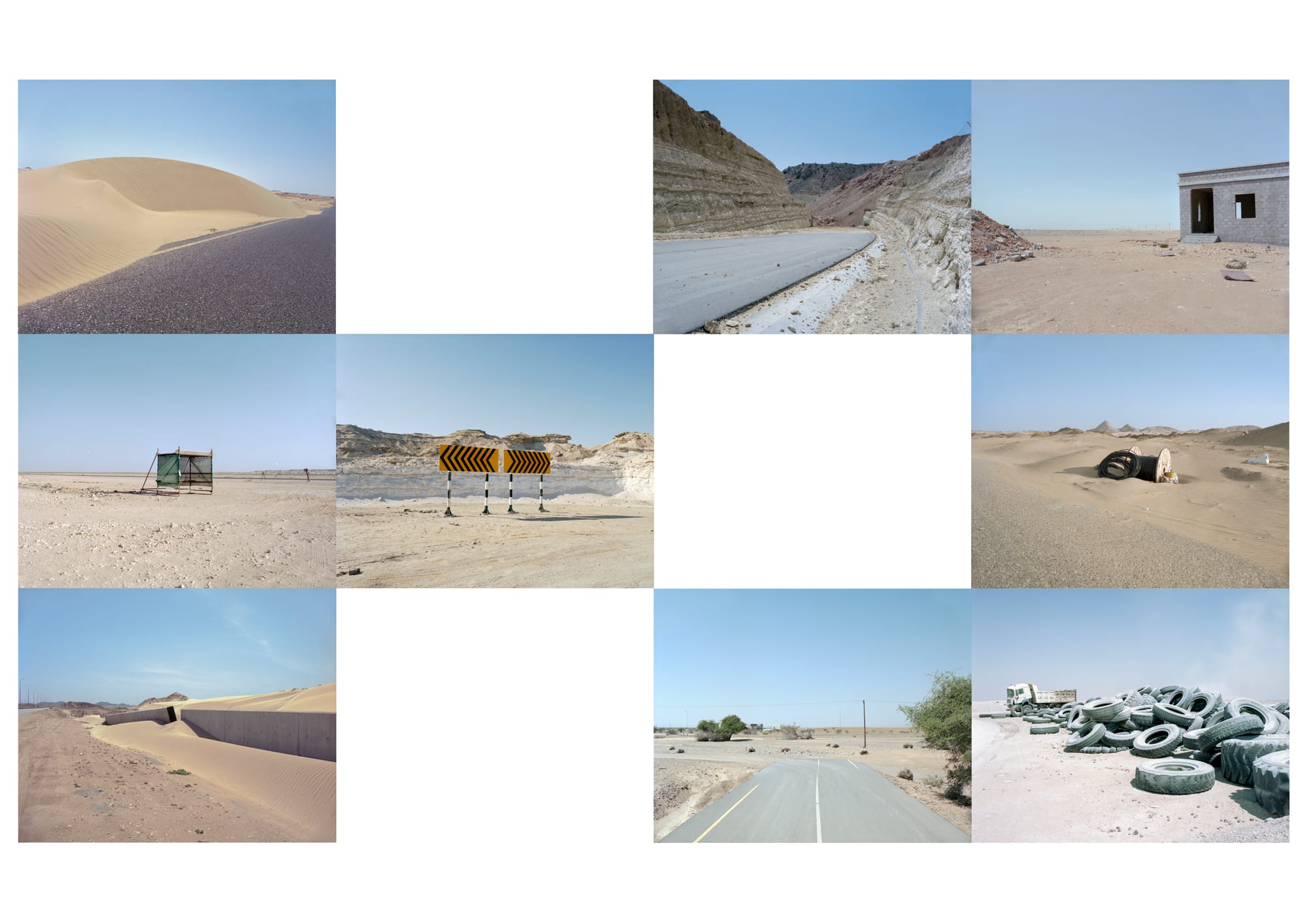
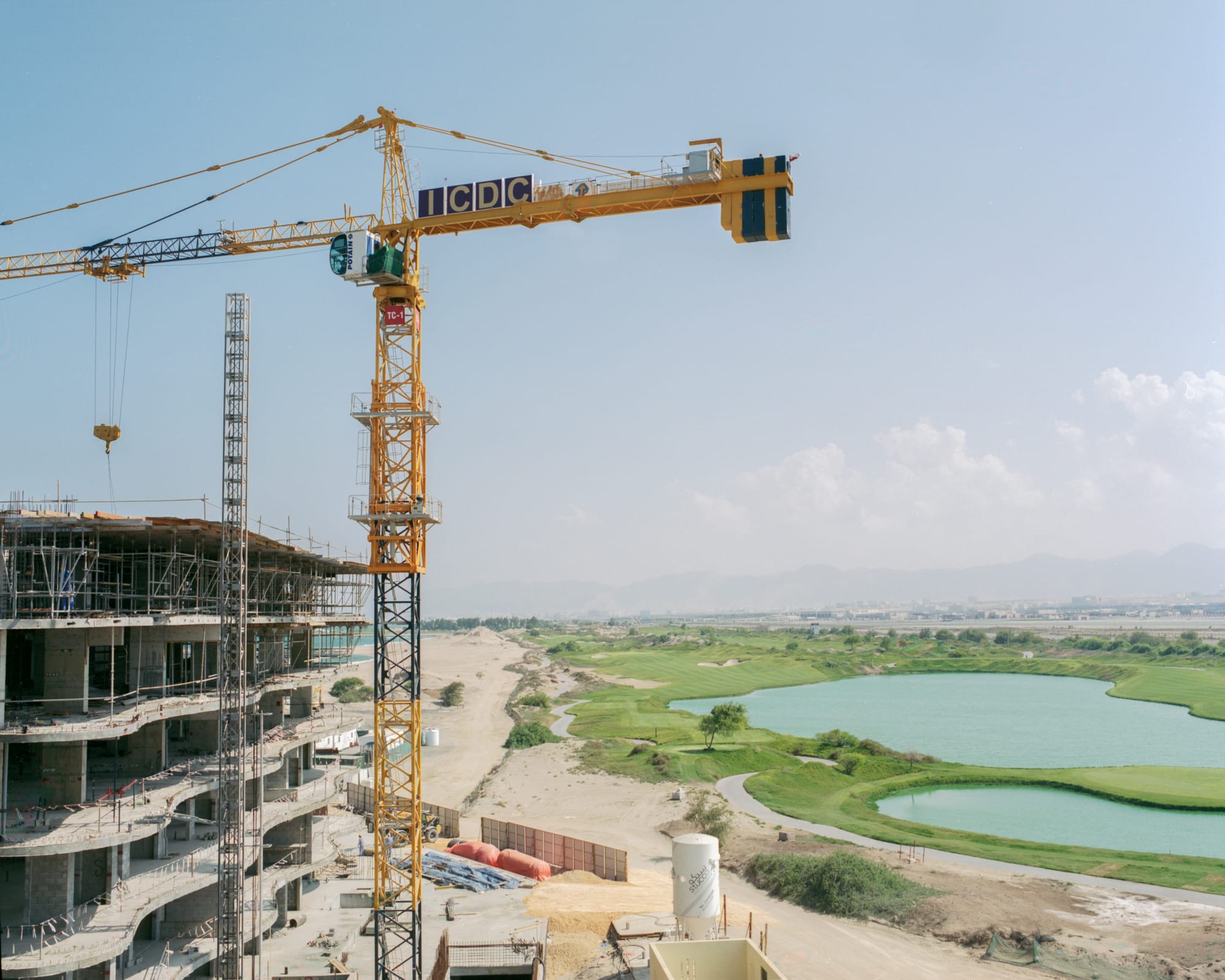
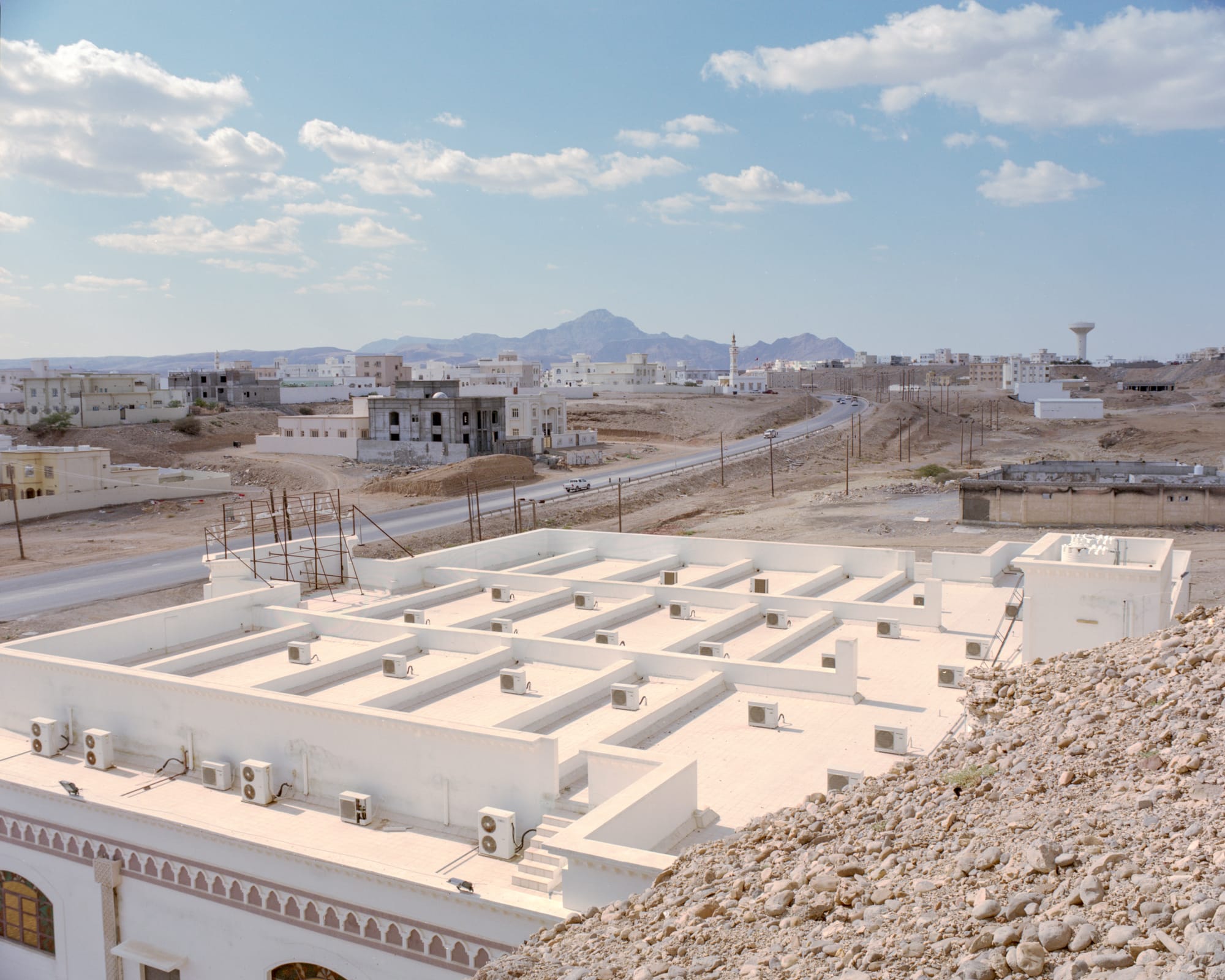
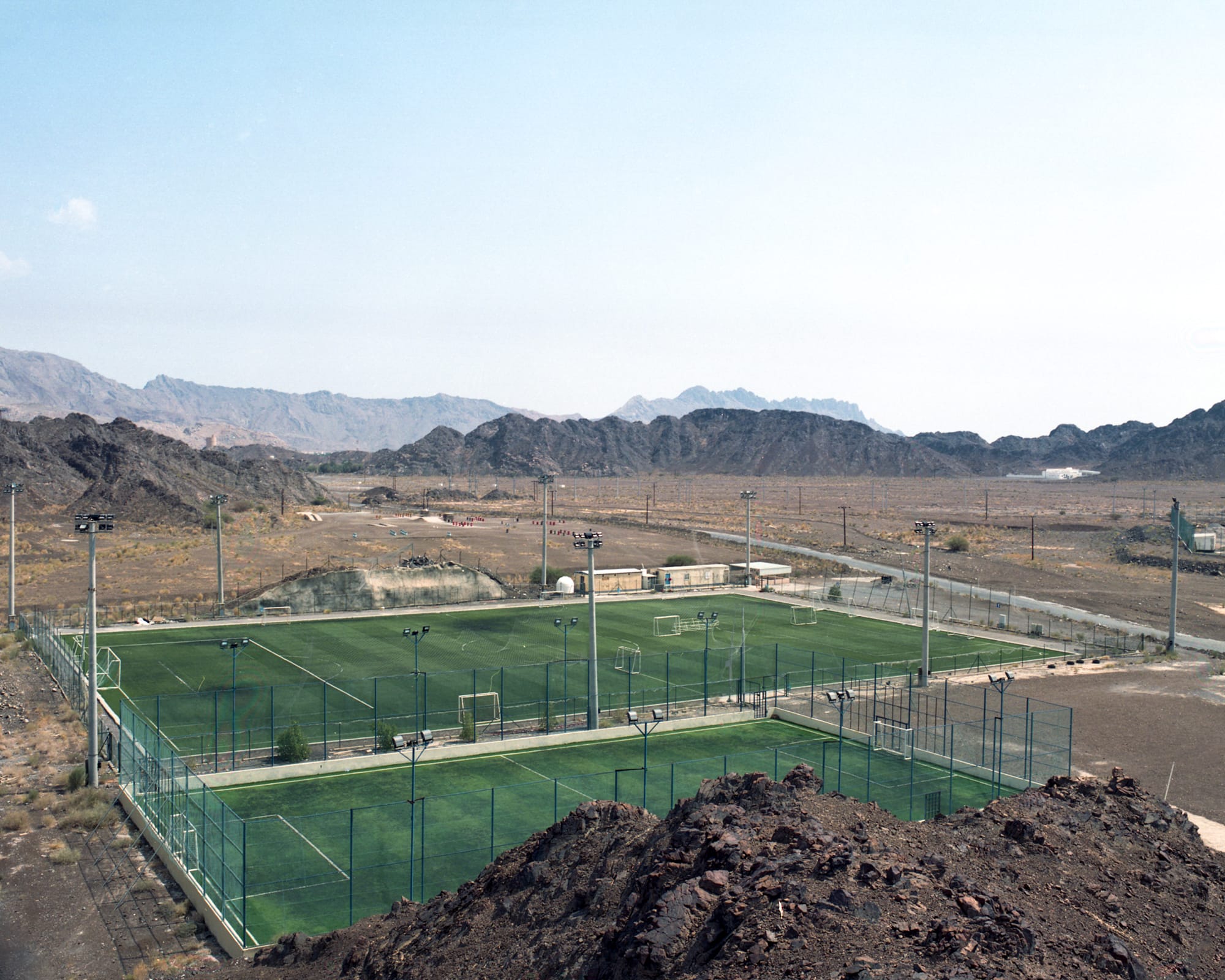
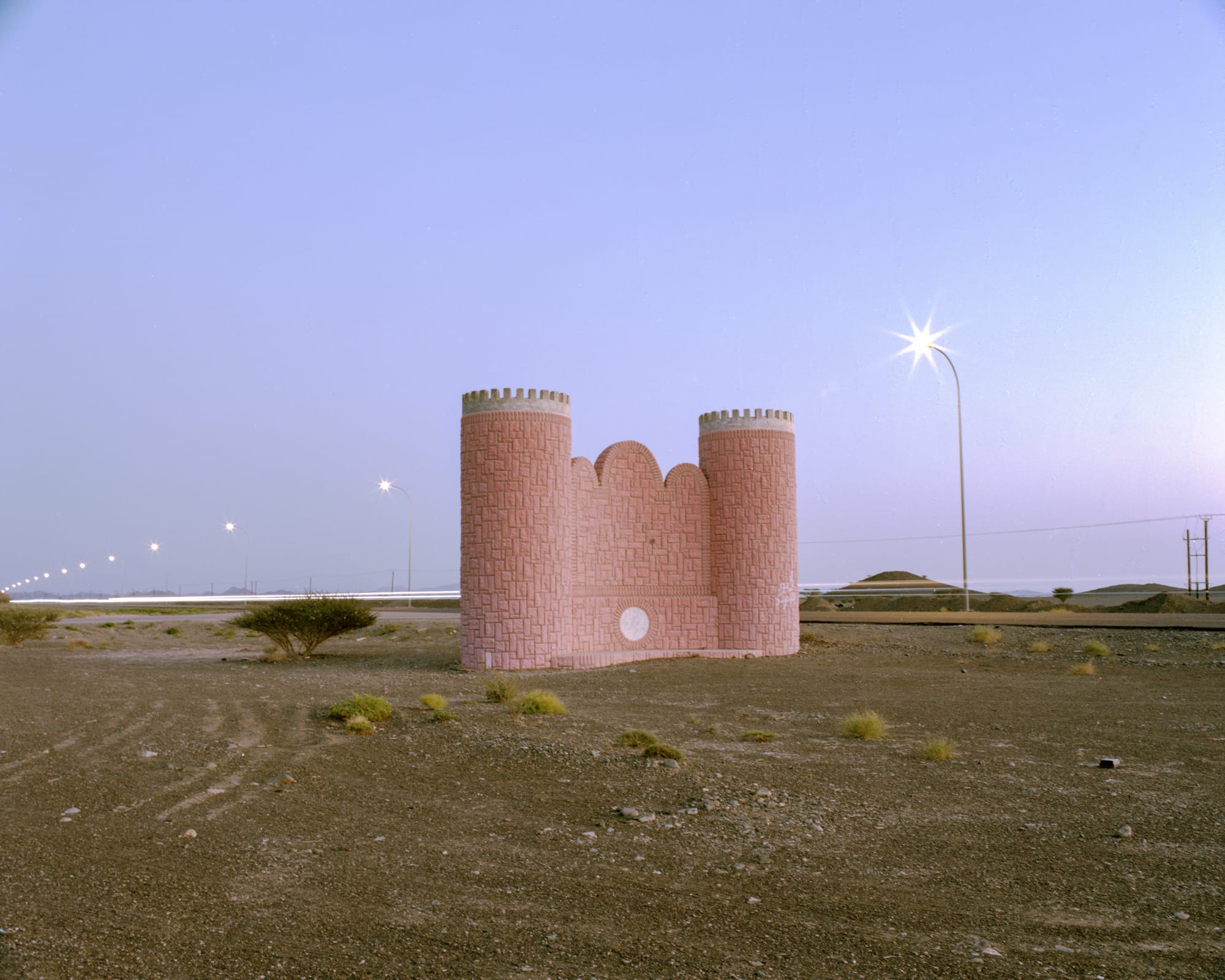
Between the end of a successful reign for Sultan Qābūs and the commencement of Haitham's era, « Ashes of the Arabian's Pearl » explores a period of interconnection, a chrysalis of monarchic transition, and the pressing need for economic diversification as the oil and gas resources dwindle. From 2021 to 2023, this documentary project was born of a desire to closely observe the dynamics of economic development and the subjective future of this Gulf monarchy. On a broader scale, this documentary explores the prevailing trajectory for the region's monarchies in the reshaping of public policies to adjust to a world undergoing transformation, growth of inequalities and climate change.
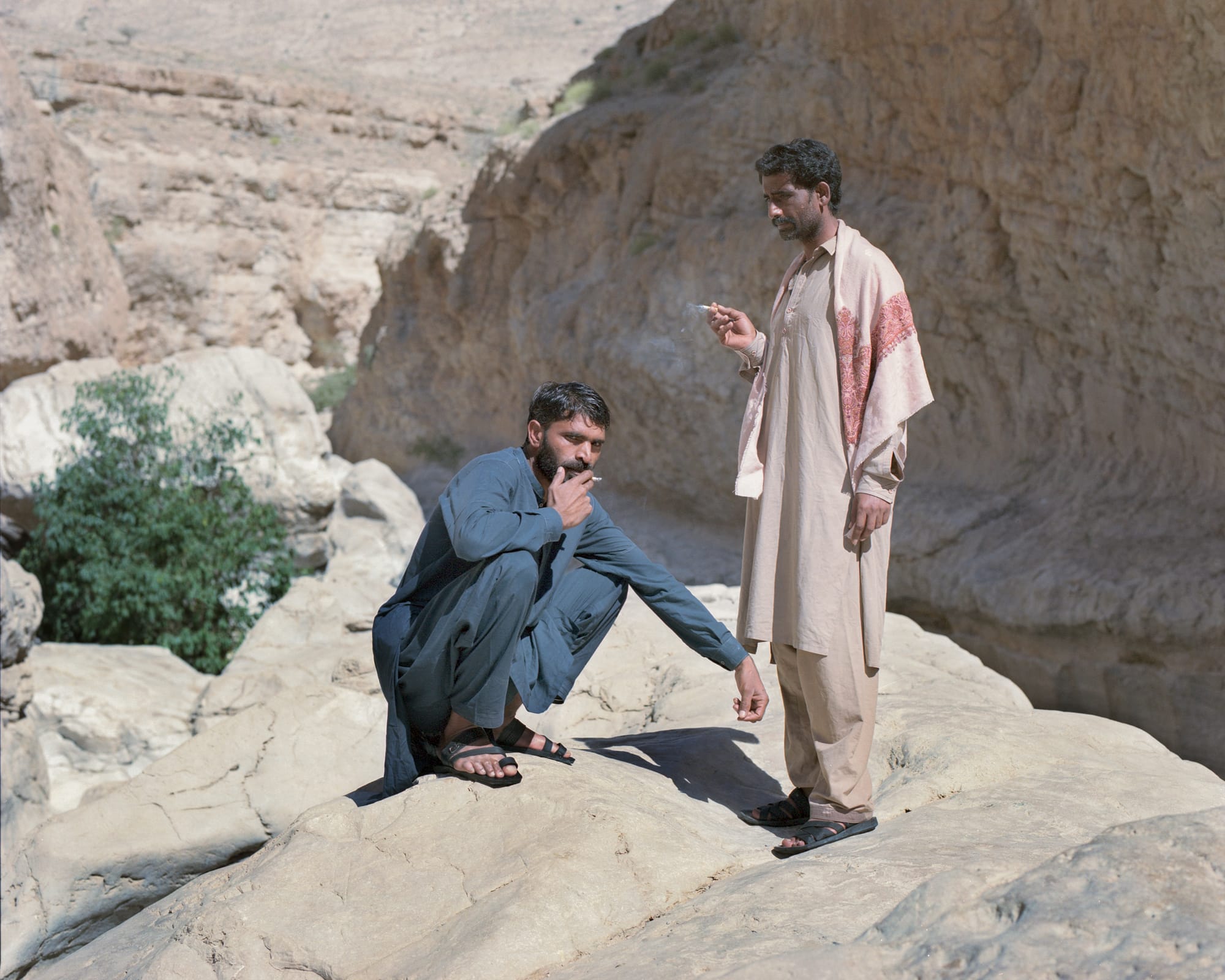
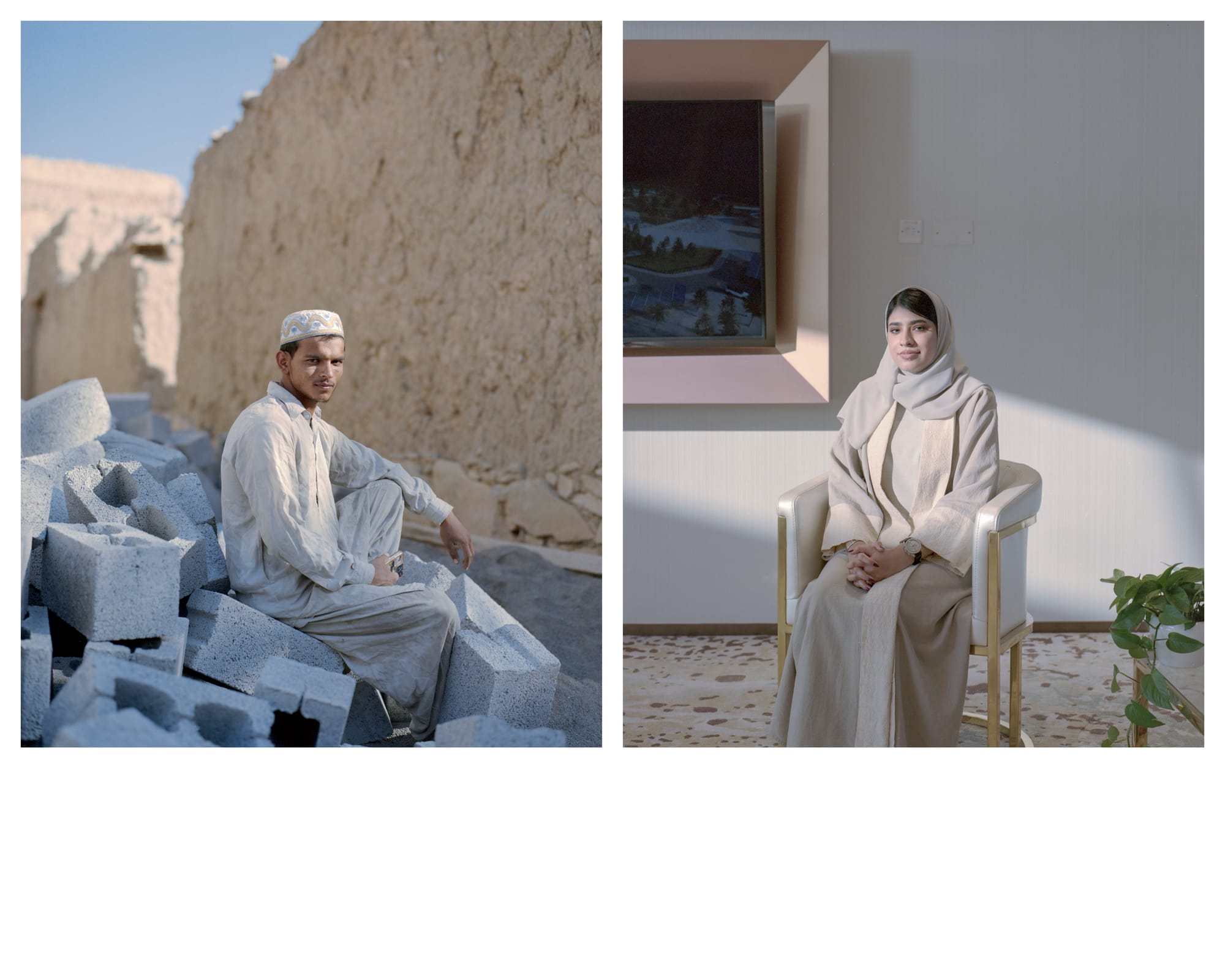
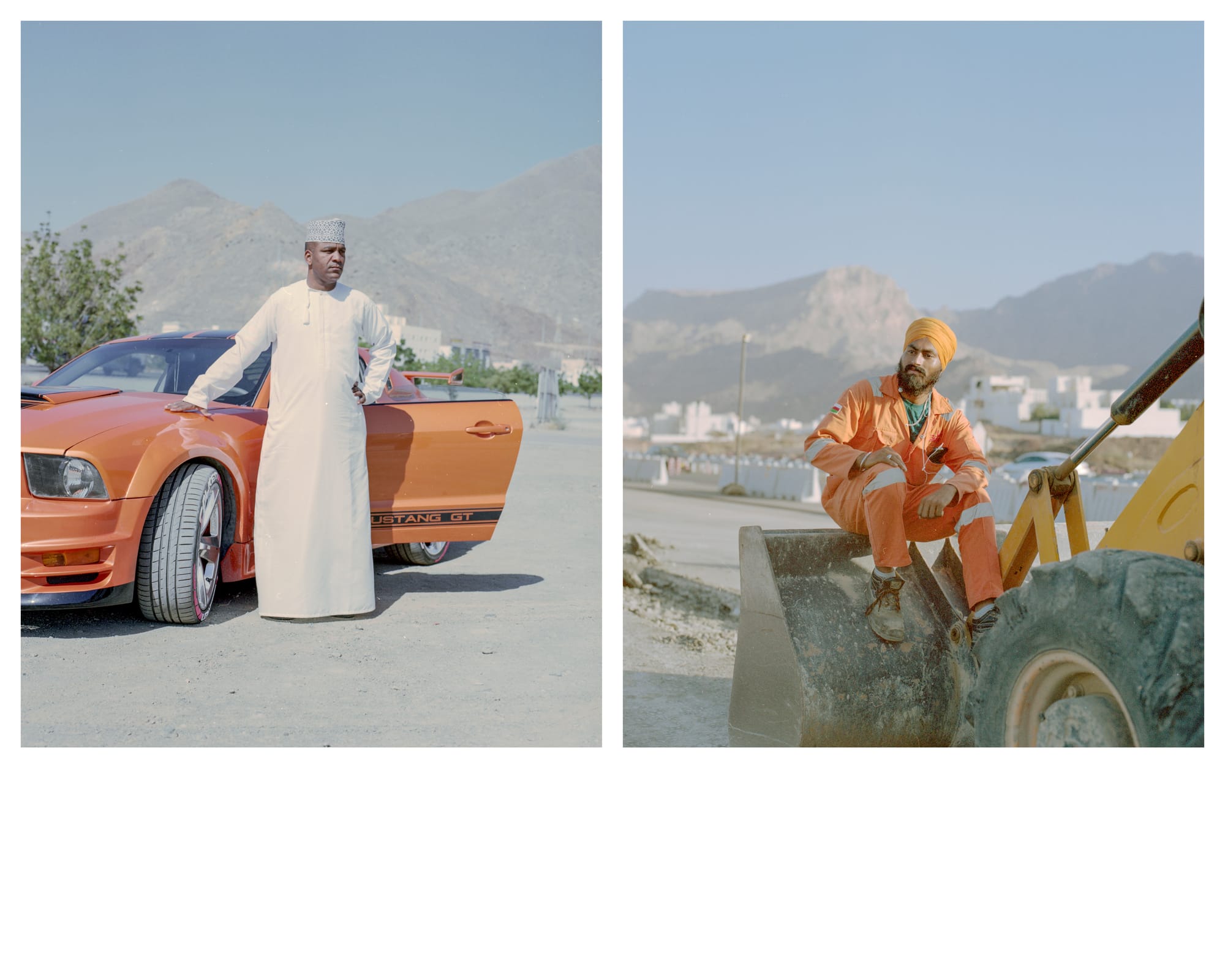
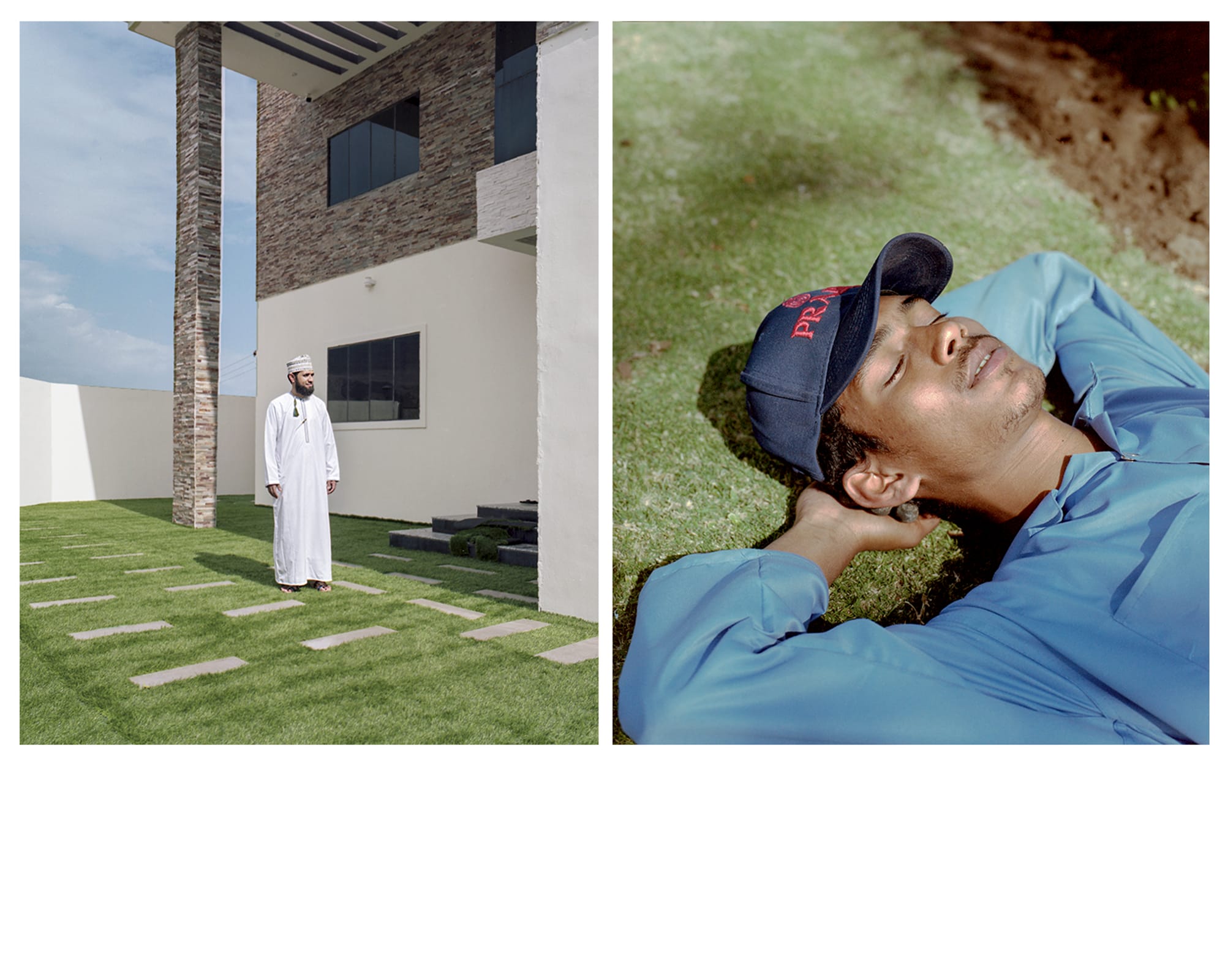
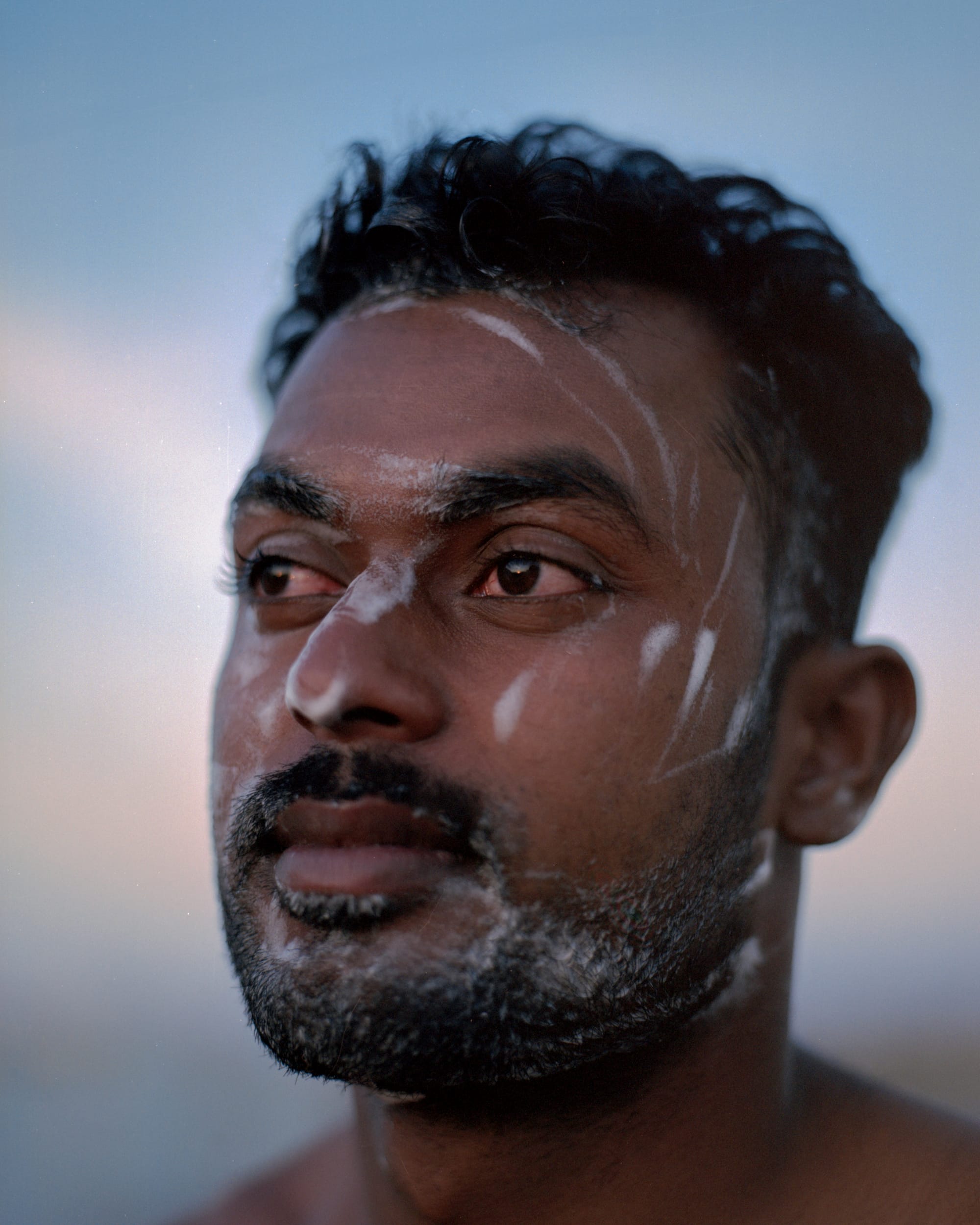
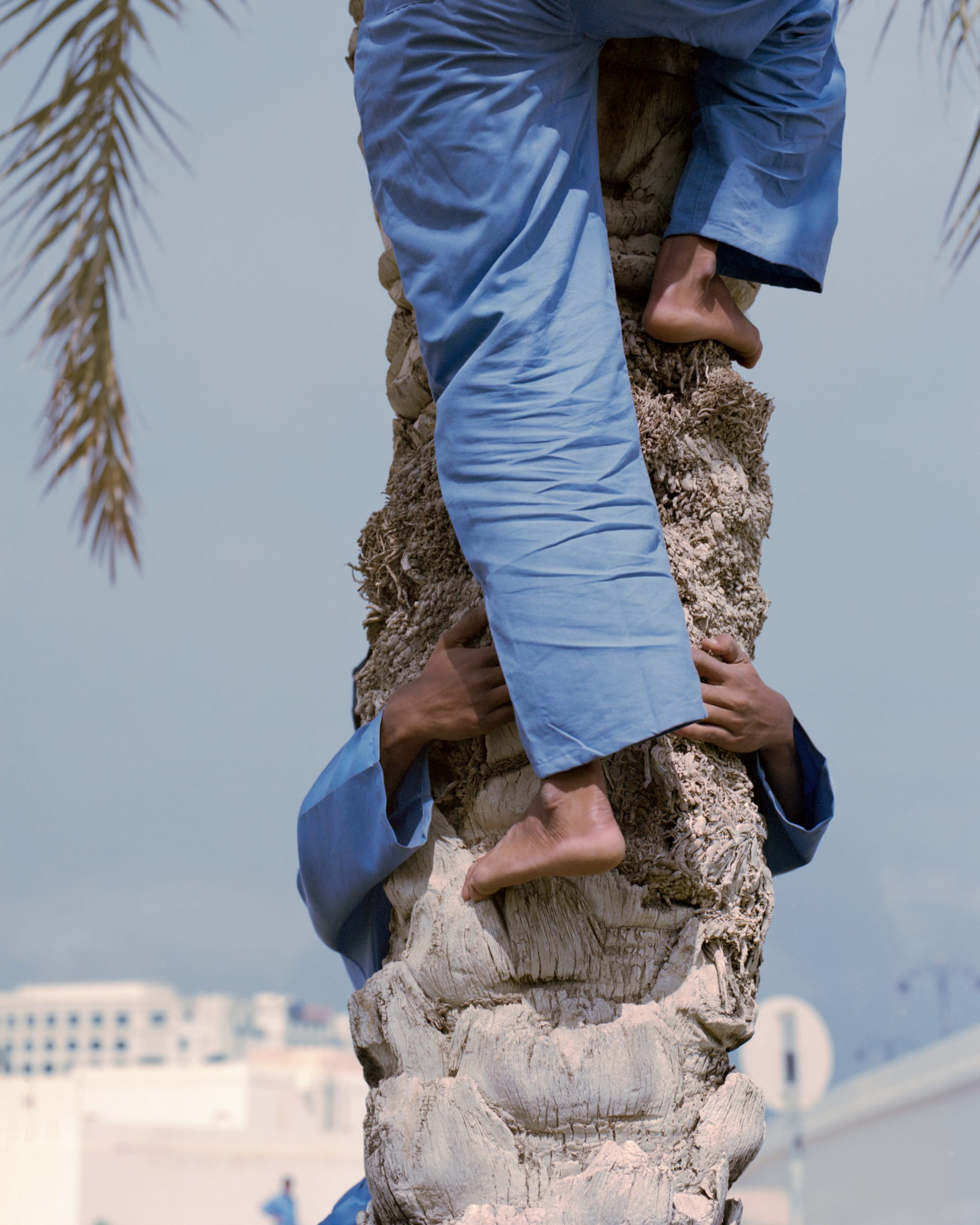
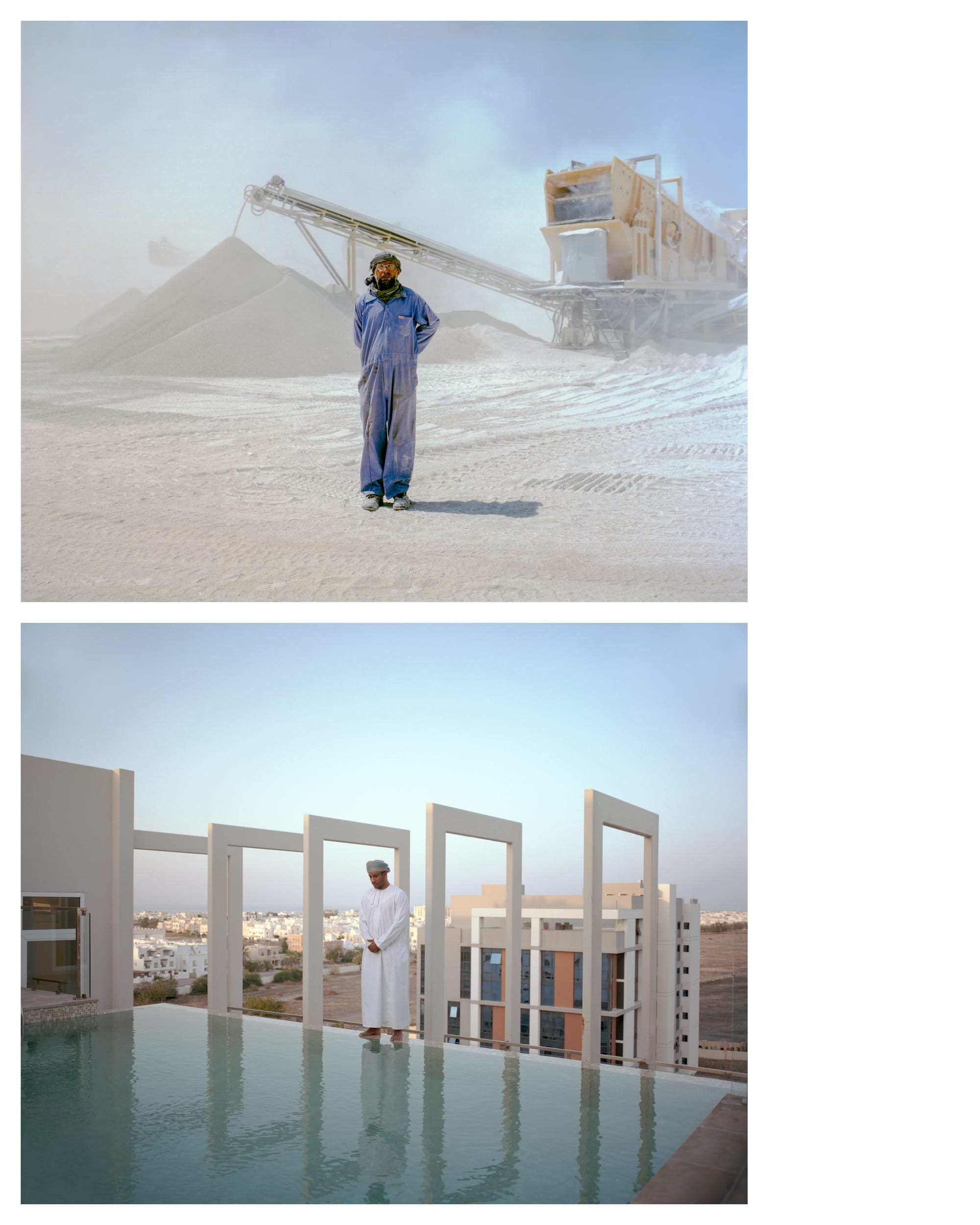
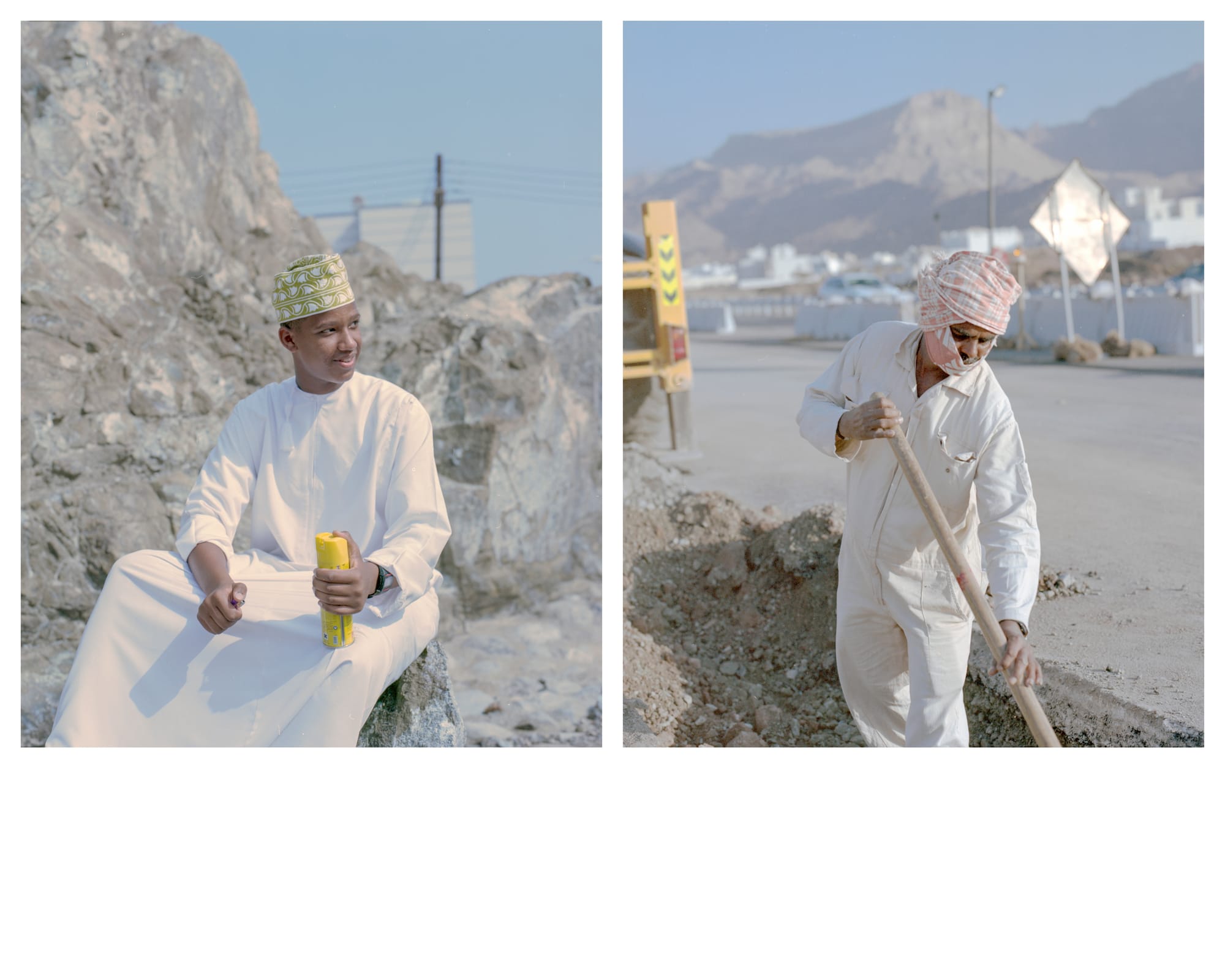
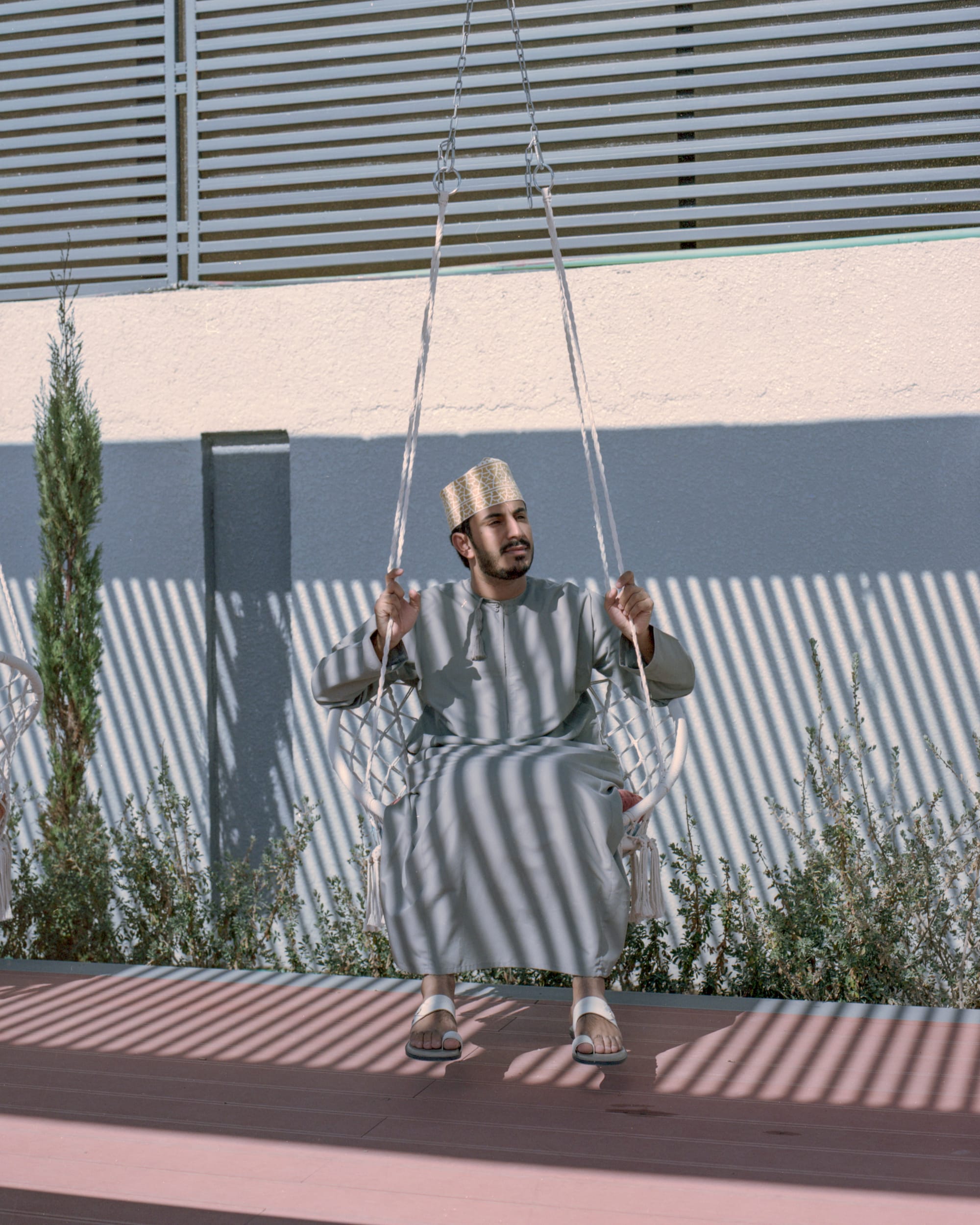
In that spirit, "Ashes of the Arabian's Pearl" cultivates a metaphorical conversation between two distinct demographics: those in positions of employment and those who serve in such roles. The documentary illustrates the lifestyles of numerous men, specifically the skilled artisans who craft the dreams of the nation, largely hailing from India, Pakistan, and Bangladesh while contrasting their experiences with those from Omani entrepreneurial families. A series of portraits – sometimes in the form of opposition in diptychs – but not only, underline the connections and hierarchies embodied in this phenomenon of globalized labor migration.
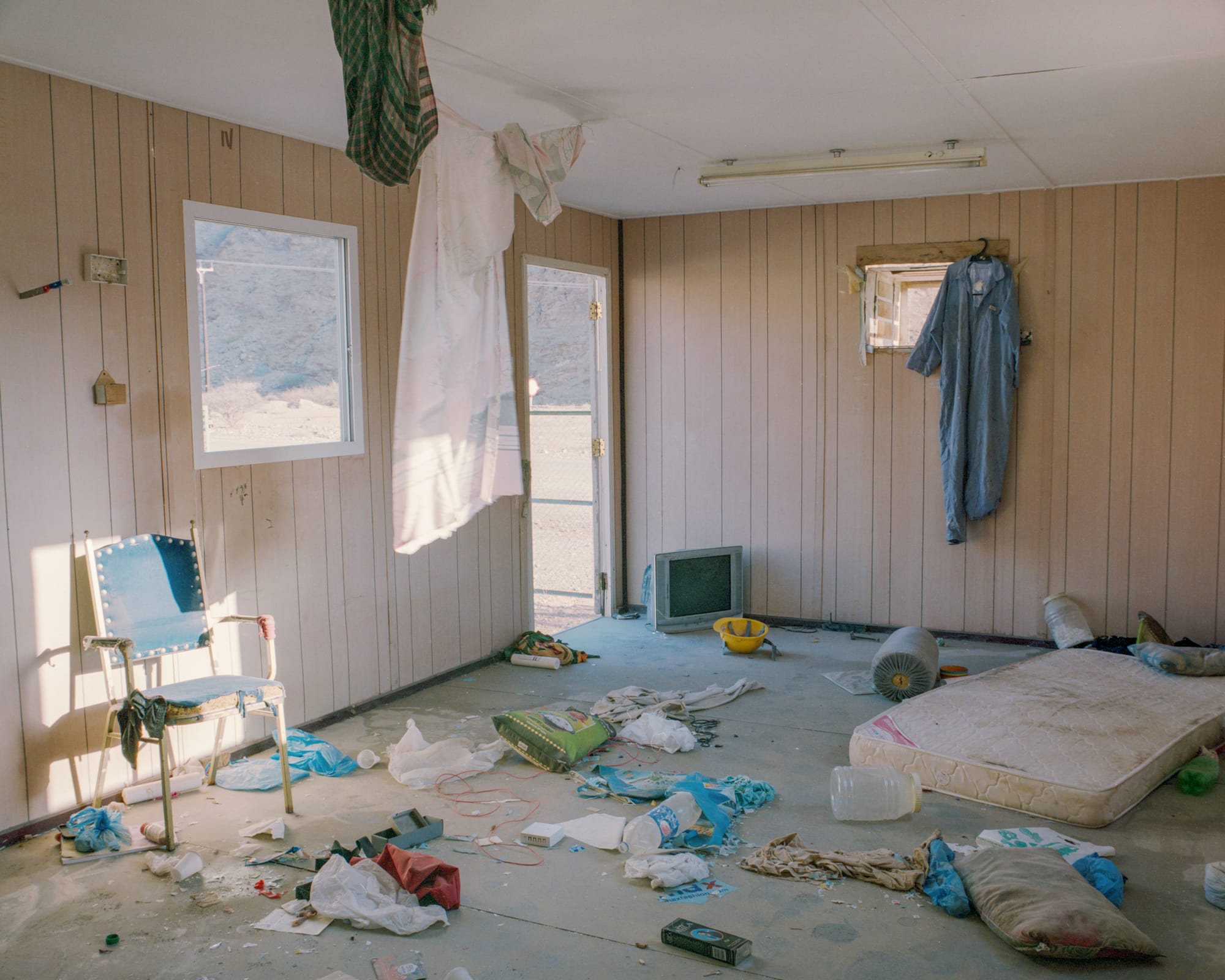
«Ashes of the Arabian’s Pearl» is a multidisciplinary project combining a corpus of archives (resignation letters, canceled visas, medical orders and reports, pay stubs, dietary regimes, circulars, time sheets, etc.), sound recordings, objects found in abandoned labor camps – photographed in the studio as an inventory – (work tools, clothing, maps, personal items, etc.), and a set of over a hundred medium-format photographs.

Author biography
Valentin Valette is a Franco-Algerian visual artist, photographer, and researcher in visual anthropology, based between the Gulf, the Maghreb, Paris, and the Pyrenees.
Bridging artistic creation and research in the social sciences and humanities, Valentin Valette focuses on environmental transformations and the social, political, and economic dynamics that influence local practices and experiences. His work also examines processes of movement, whether voluntary or forced, and their impact on community ties, individual and collective memory, and the construction of territories.
Valentin Valette employs various media — photography, writing, archives, sound materials, and personal objects — to explore these complex situations and reveal the temporalities shaping these spaces. His approach combines research and creation, remaining attentive to human stories and the contexts in which they unfold.
Born in 1994 in France, he holds a Research Master’s in International Relations – North Africa and the Mediterranean (CIFE) and a Master’s in Political Science – Political Dynamics and Societal Transformations (Sciences Po).