


Almost a decade has passed since I first visited the secret mountain.
This place is very special to me. It is located near an artist-in-residence
monastery in the North of France. A site with many faces, just like the
secret mountain. Visually beautiful, but spiritually perhaps even more
impressive.
I have travelled back many times, both physically and mentally.
My first stay was the beginning of the work that you have in your
hands now. A few years ago I made the decision to focus on
portraiture entirely. Not only in terms of imagery, but also as a
standalone genre, just like the painters that I love to study. This place
gave me the space and, more importantly, the distance from everyday
life to experiment and develop my work.
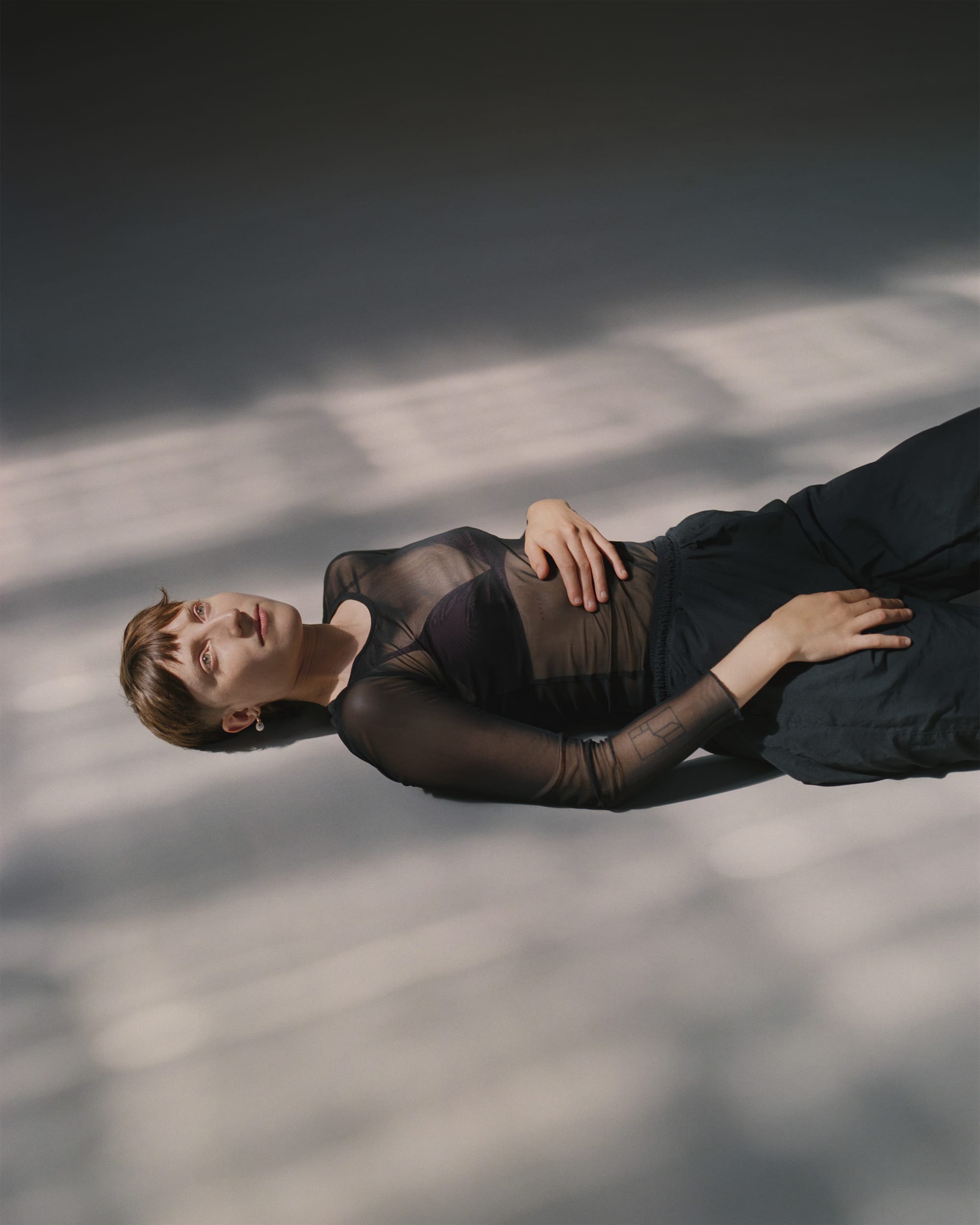
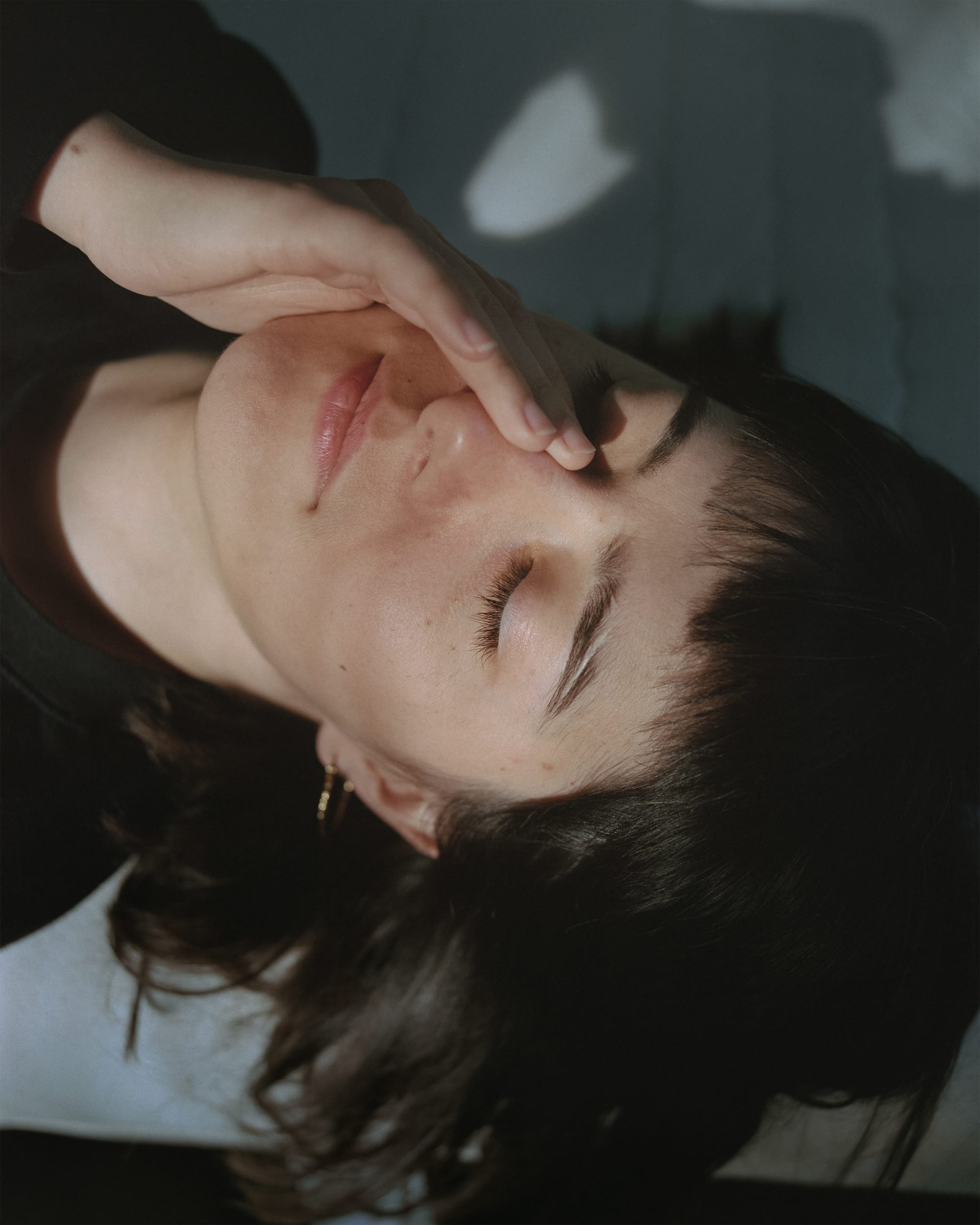
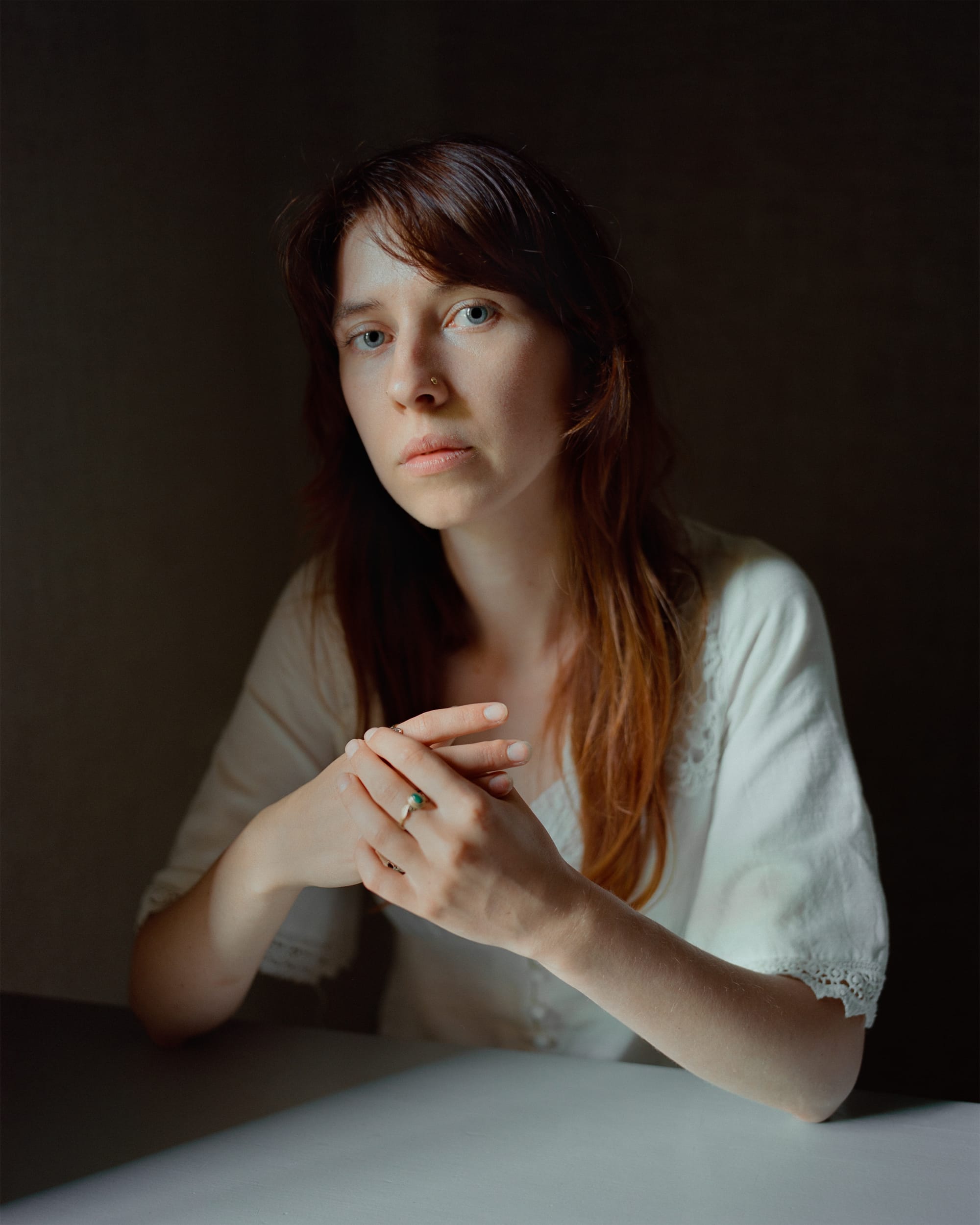
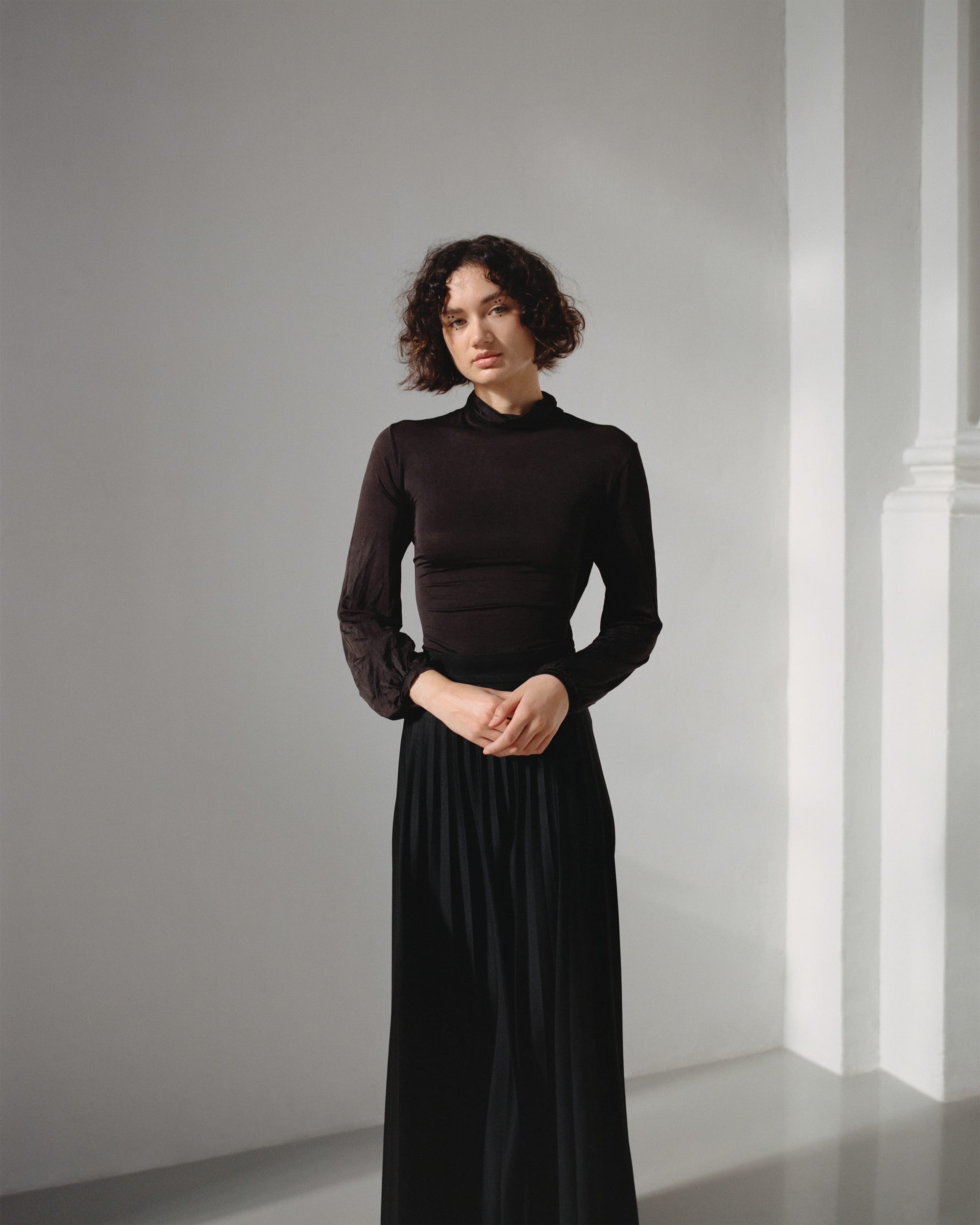
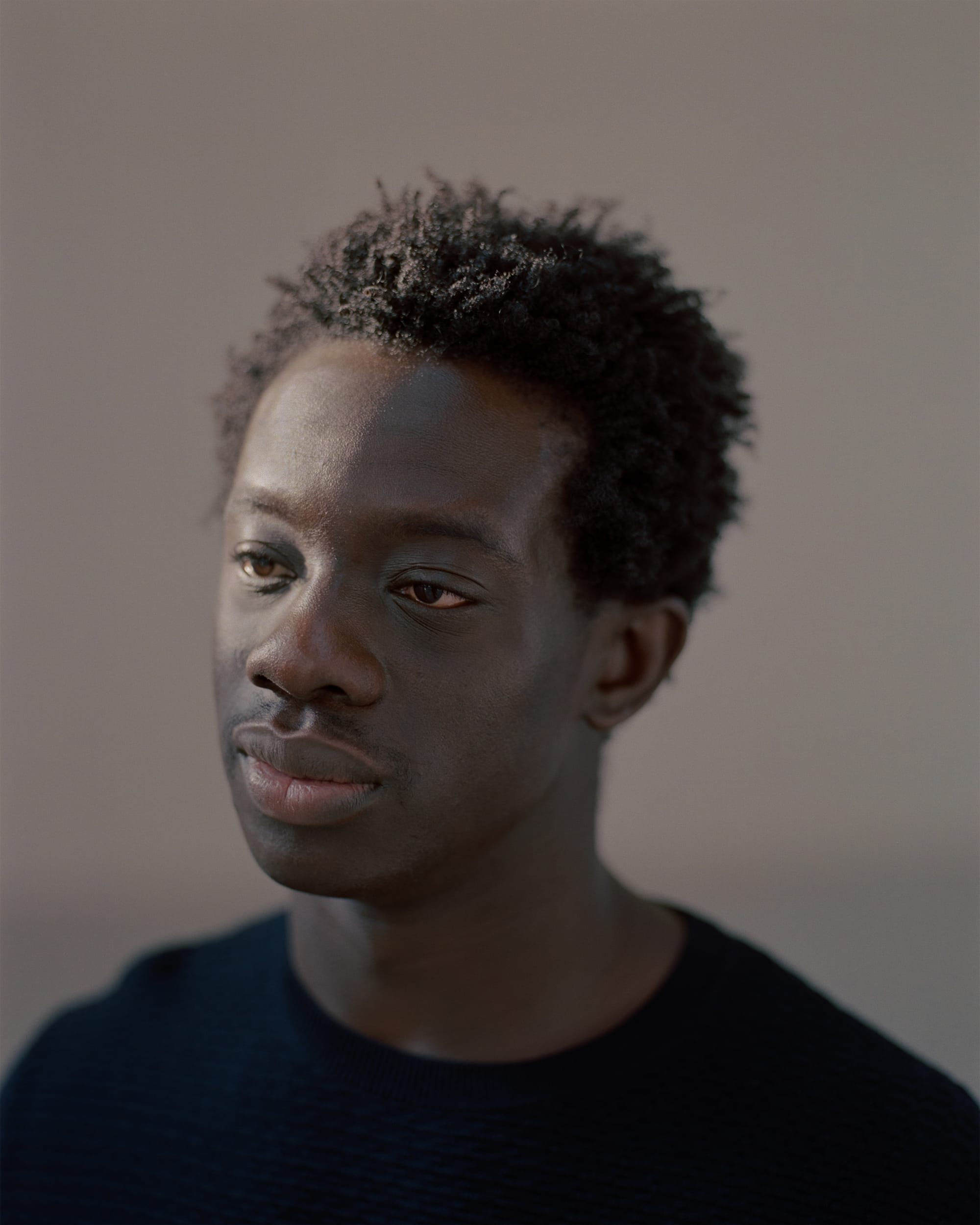
The realisation that portraiture can become an act of unspoken
collaboration was a defining moment for me. I experience this to an
even greater extent when working with people who create, which is
the main reason why all the sitters in this book are artists themselves.
The Secret Mountain features work from all over Europe, but within it
the spirit of the monastery always reverberates.
I will keep coming back to the secret mountain.








Author biography
Wouter le Duc (1989) is a Dutch portrait photographer who finds his passion in capturing the subtle intricacies of his subjects' inner worlds, revealing the depth of his sitters that often goes unnoticed in the rush of daily life. His style is characterised by a serene quality, a soft colour palette and the use of analogue photography combined with daylight. Focusing on refined craftsmanship and creating new perceptions through light, he defines himself as a contemporary classicist.
Le Duc combines his love of people with the clair obscure of the Italians, the soft daylight of the Dutch and the stillness of the Scandinavian naturalists. His photographic process unfolds in the quiet corners of indoor spaces, patiently watching the light sneak in through the windows, constantly redefining the ambience of a space, a process he loves to observe. His love for people becomes visible through the intimate settings in which he takes the sitter's portrait. Often with a modest and pensive attitude and the absence of inessential details. As a keen observer, his eye is fixed on seeing the potential a space and the light have to offer.
He is influenced by painters such as Vilhelm Hammershøi and Johannes Vermeer because of the way they created a tradition of restrained realism, using light to materialise silence. Coupled with the unsettling realism of director Roy Anderson and painter Andrew Wyeth, reveals some of the width of Le Duc's sources of inspiration.