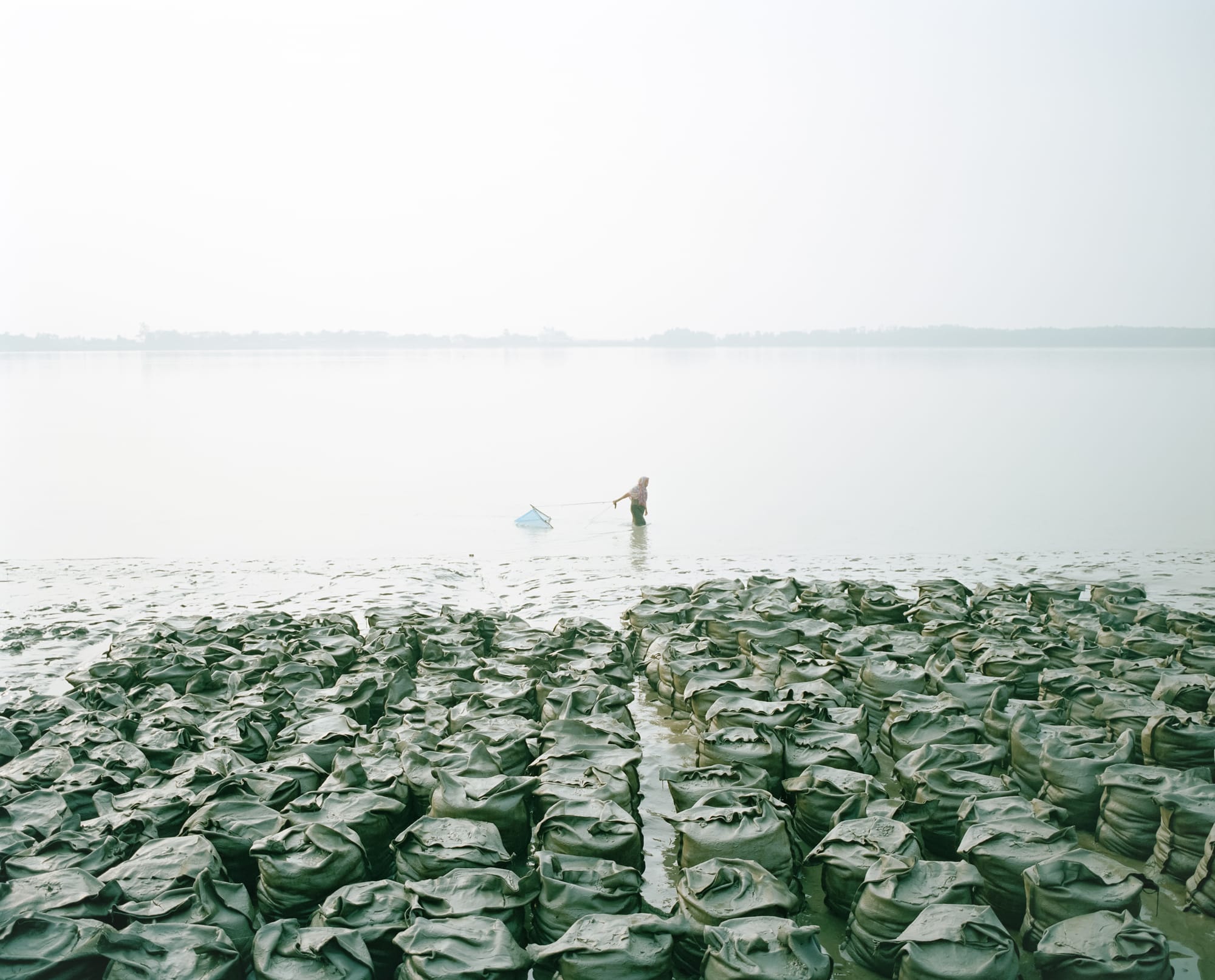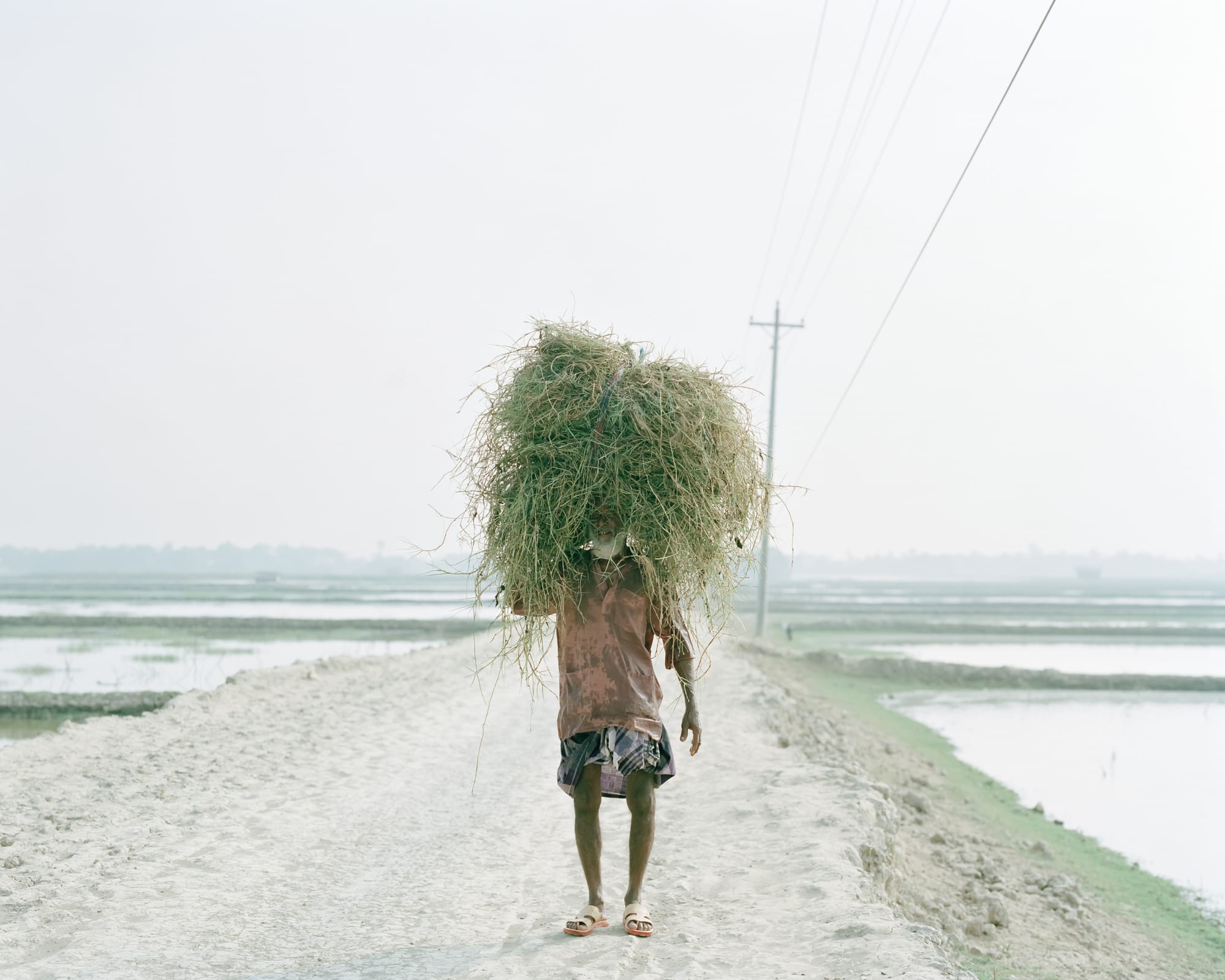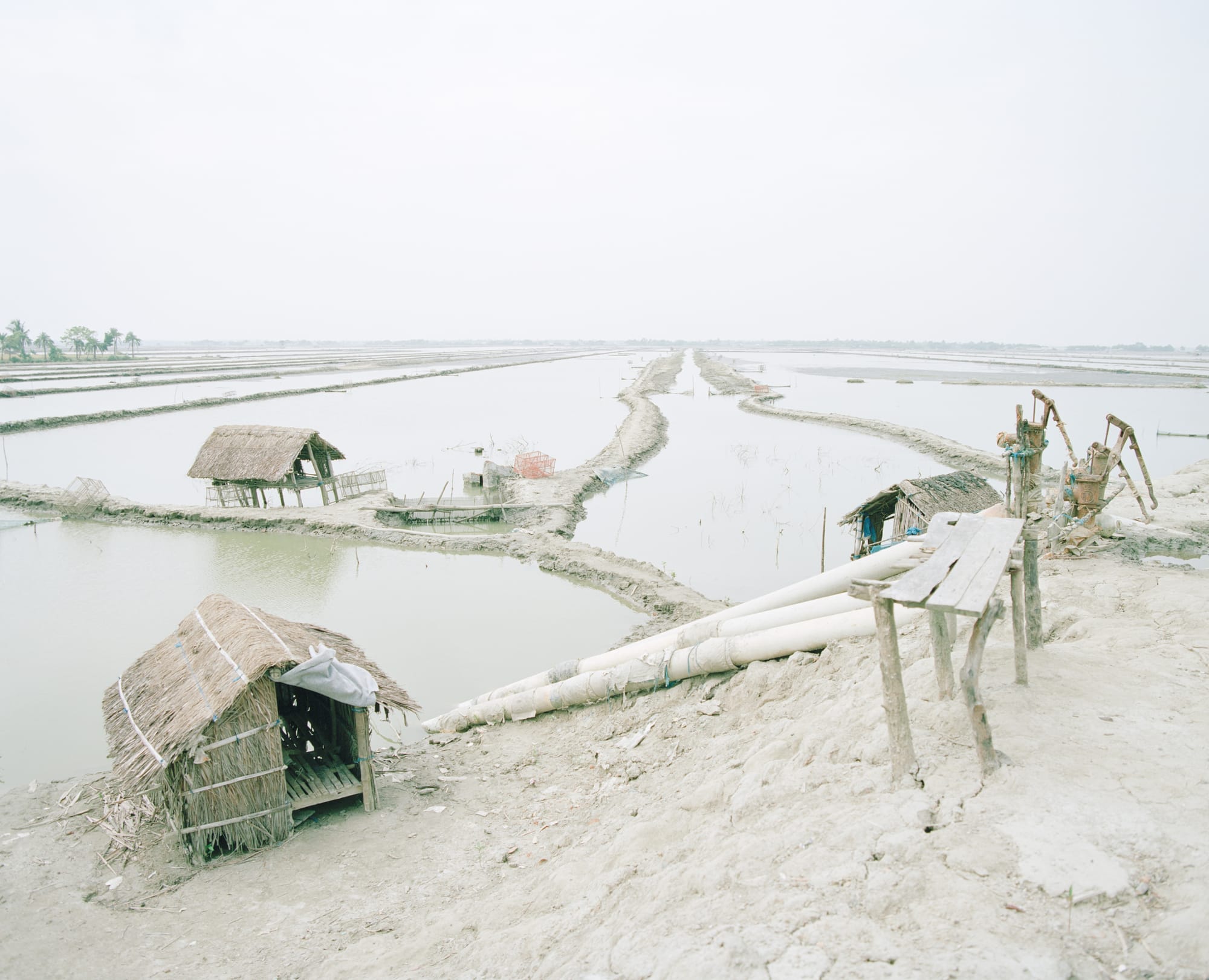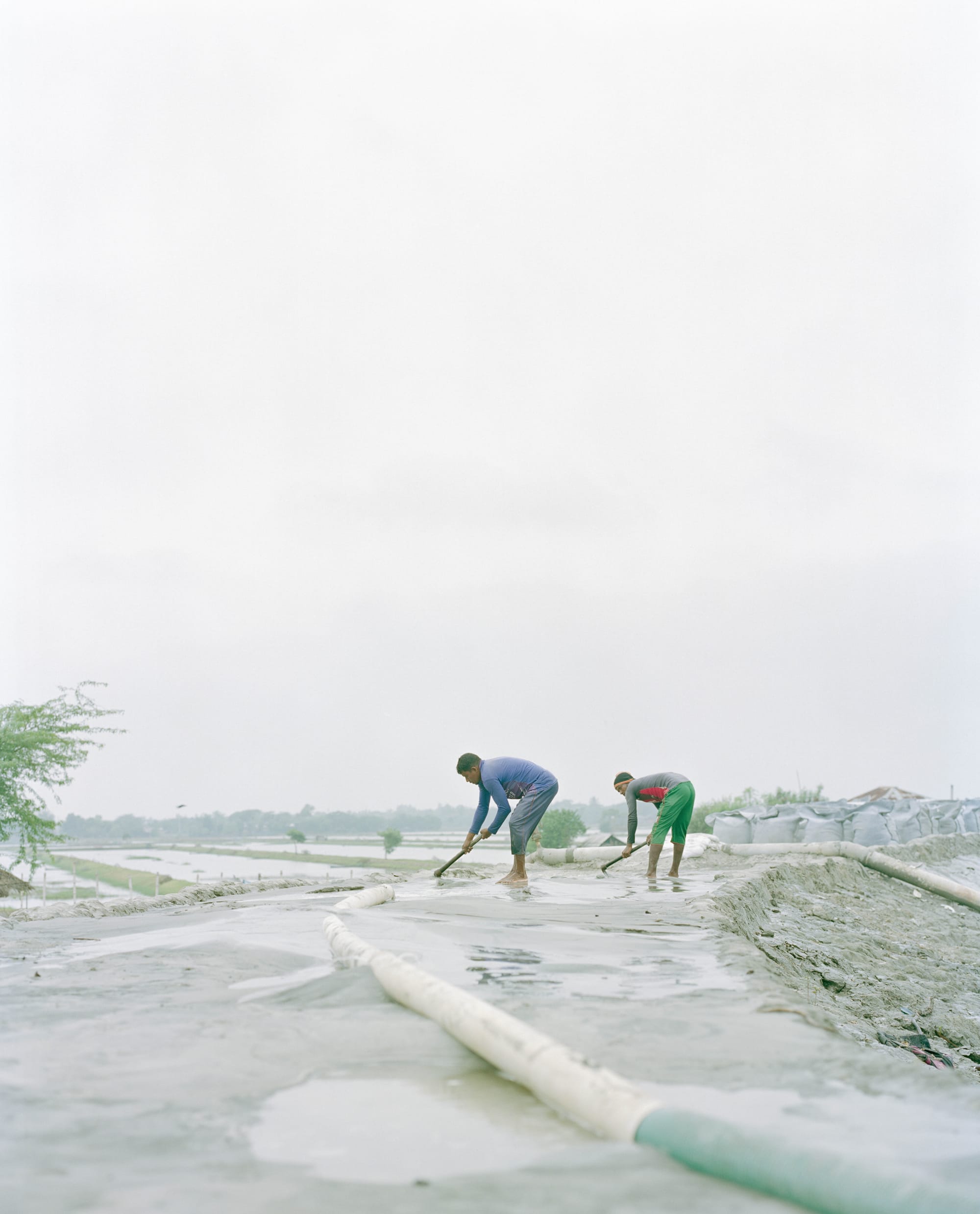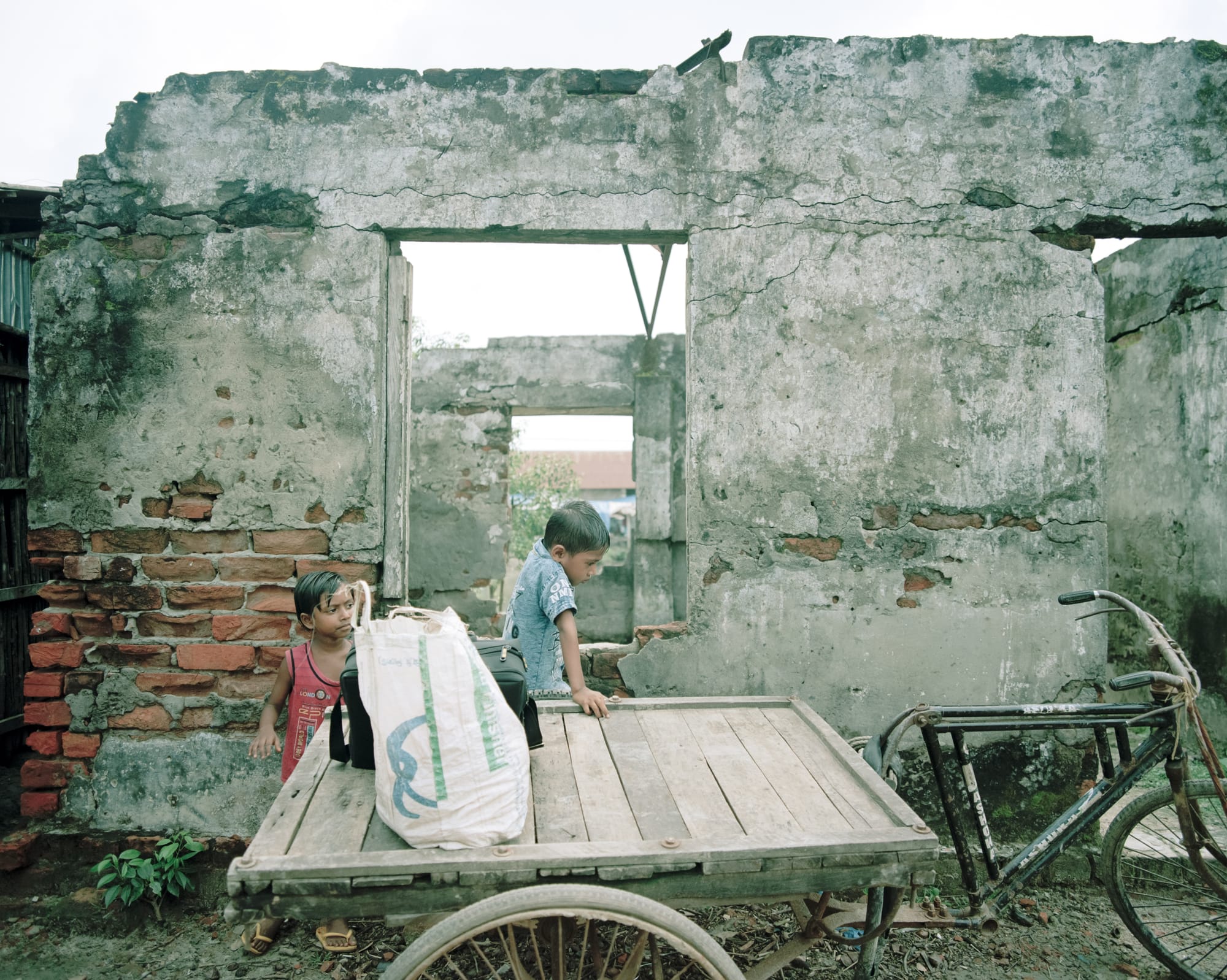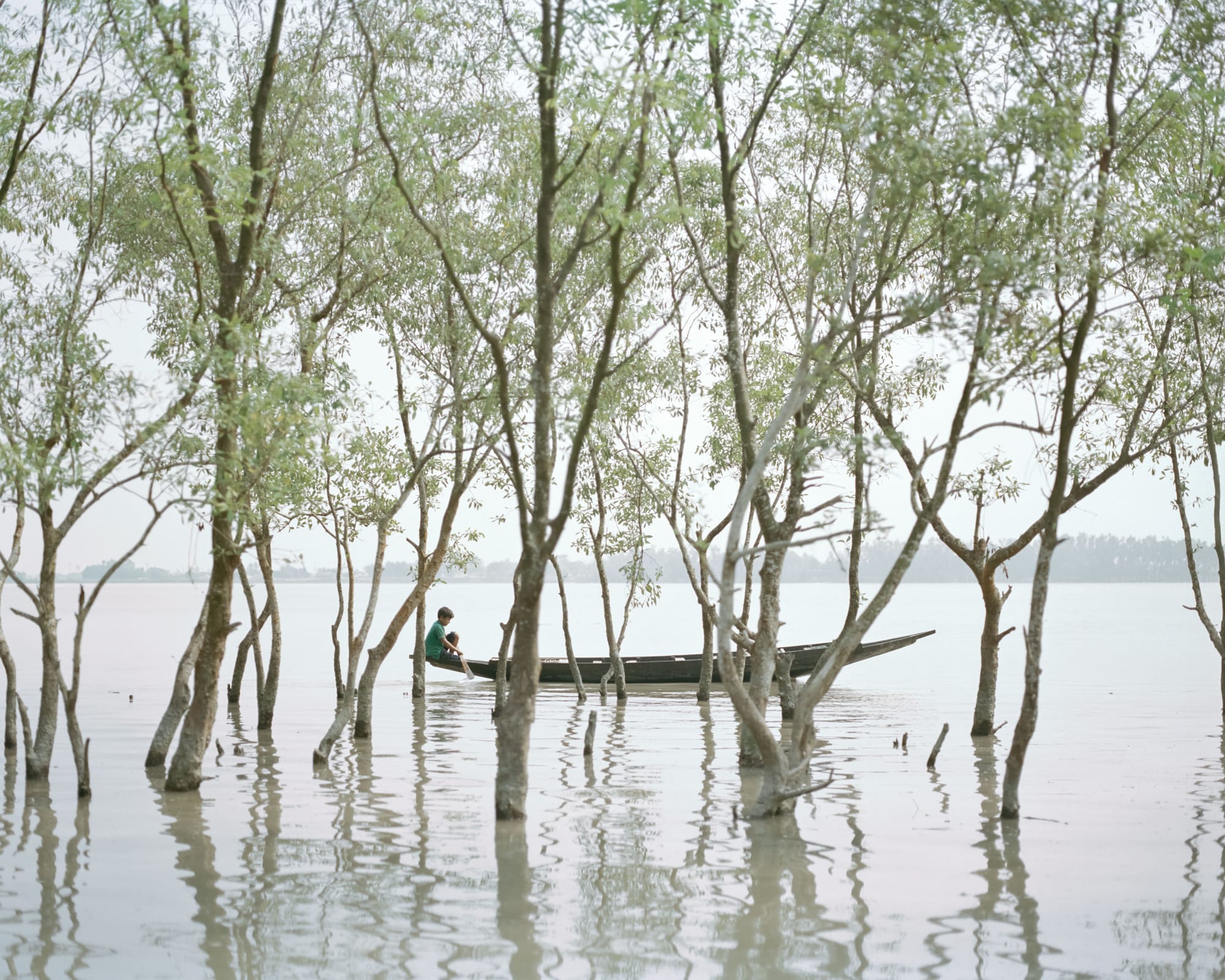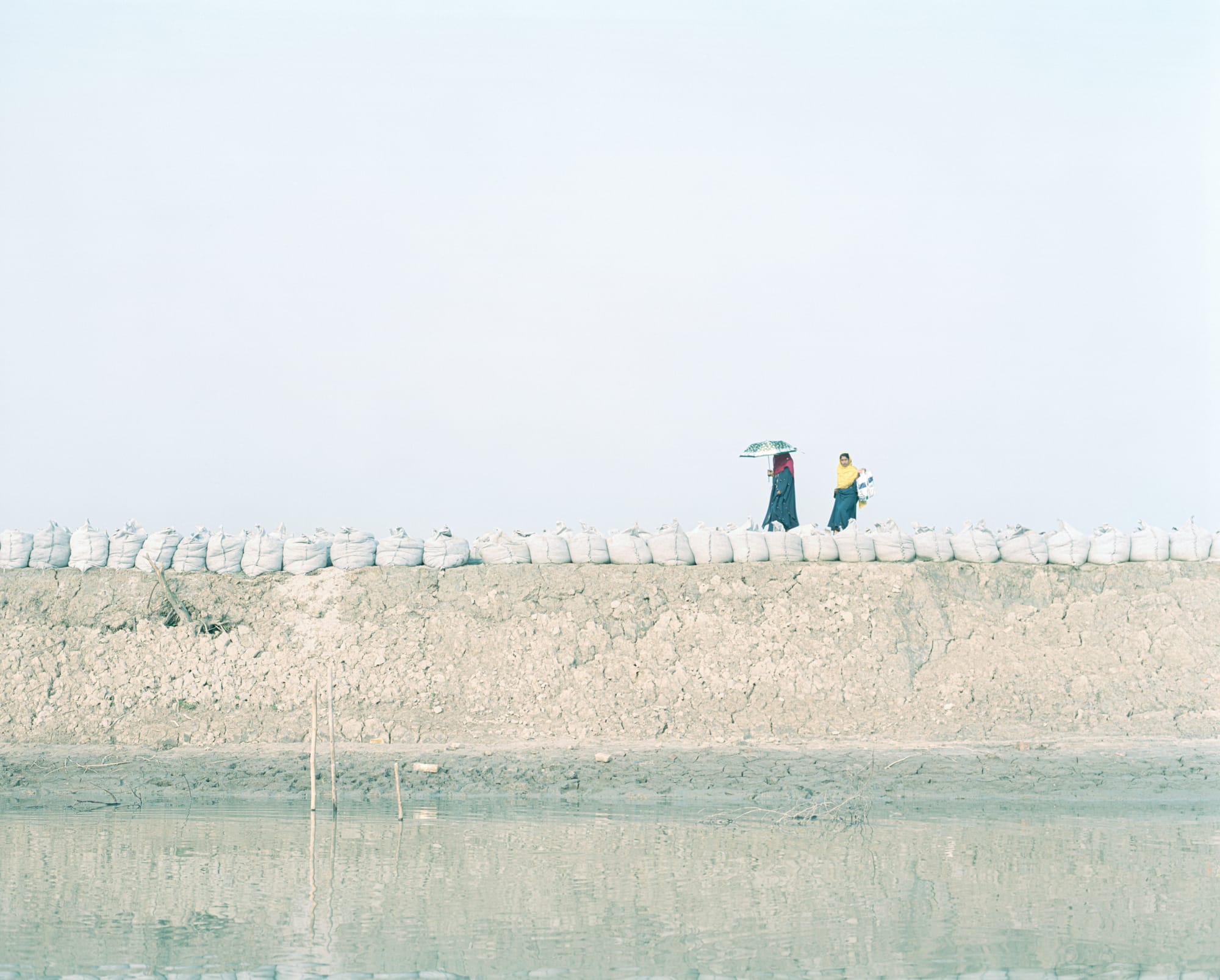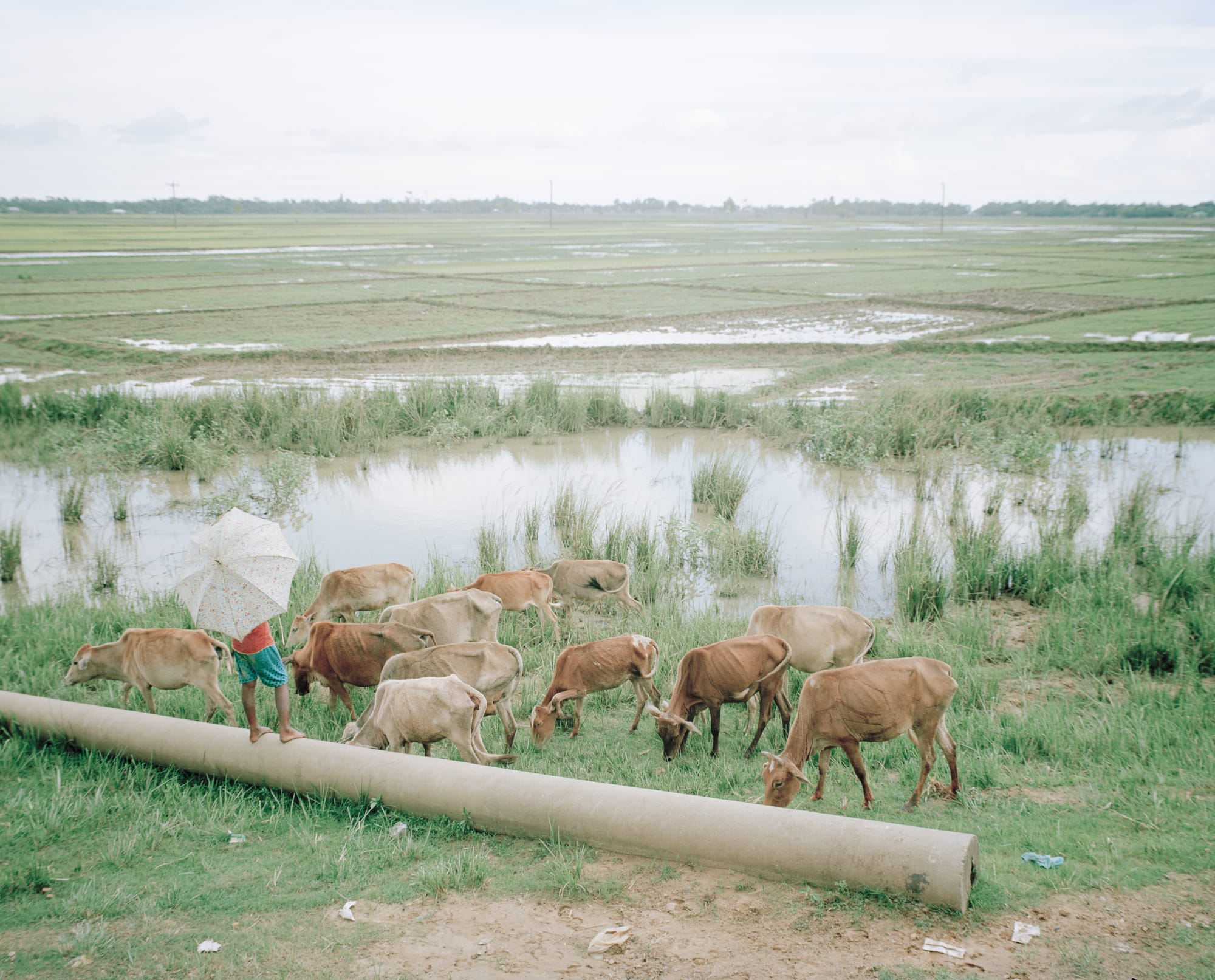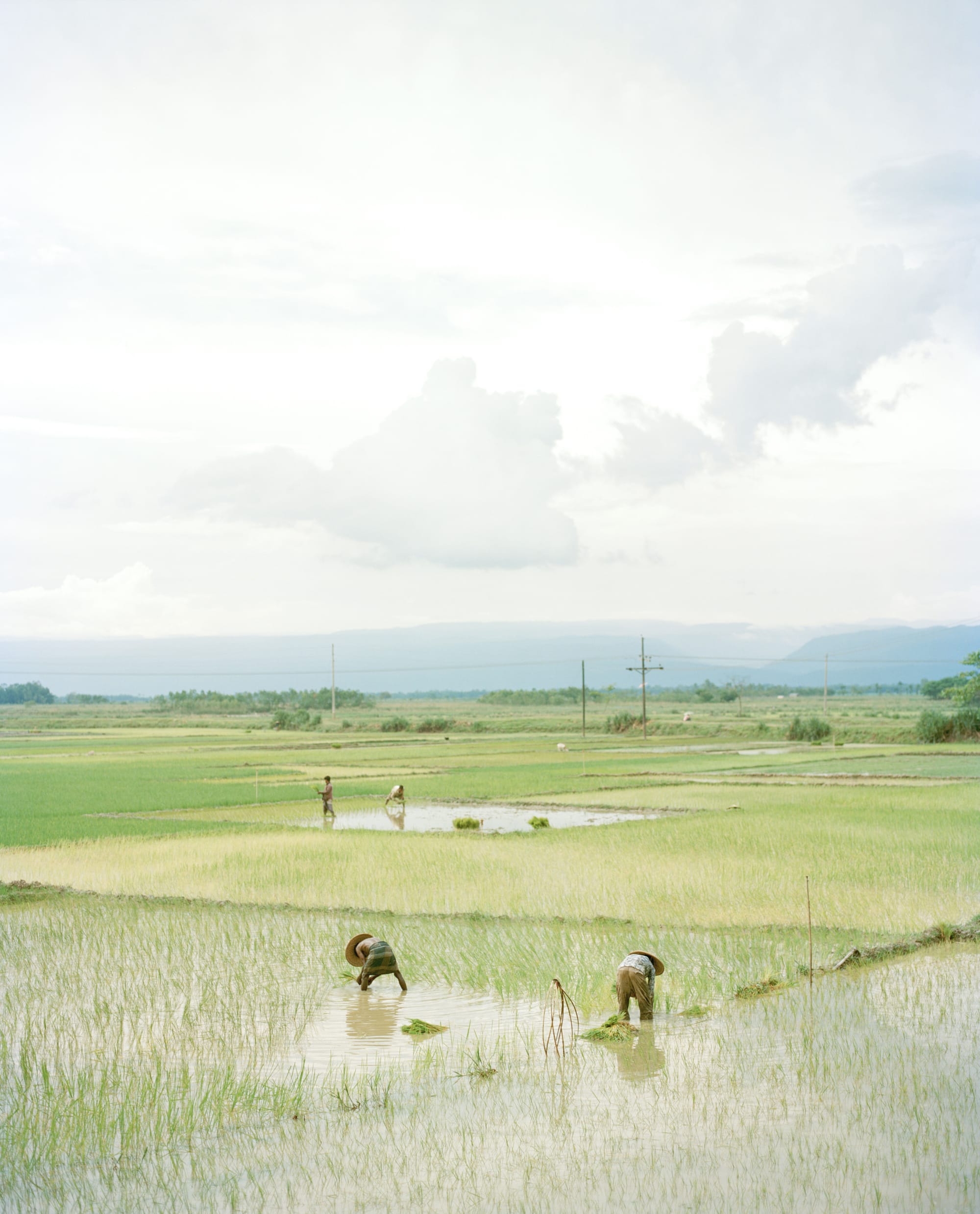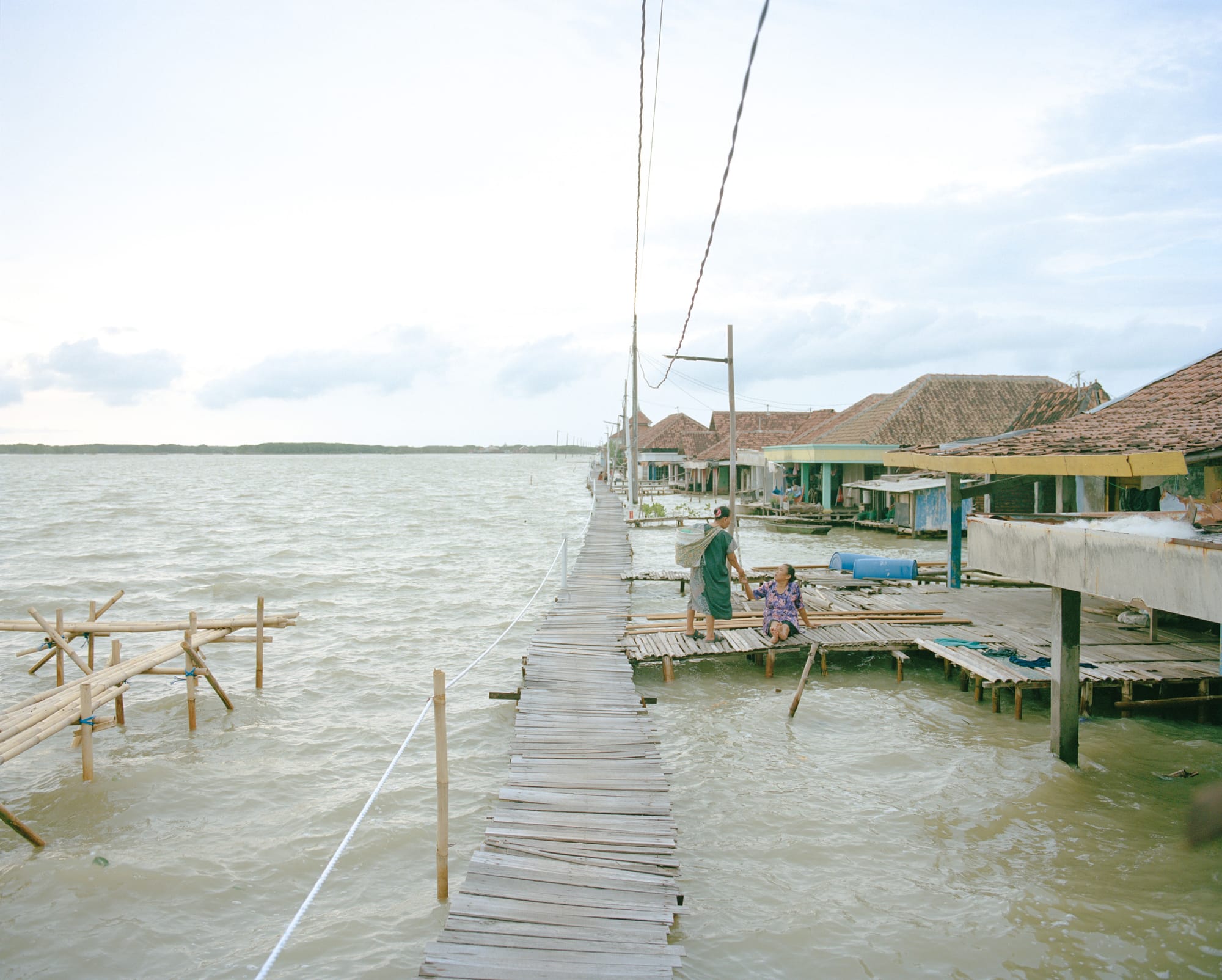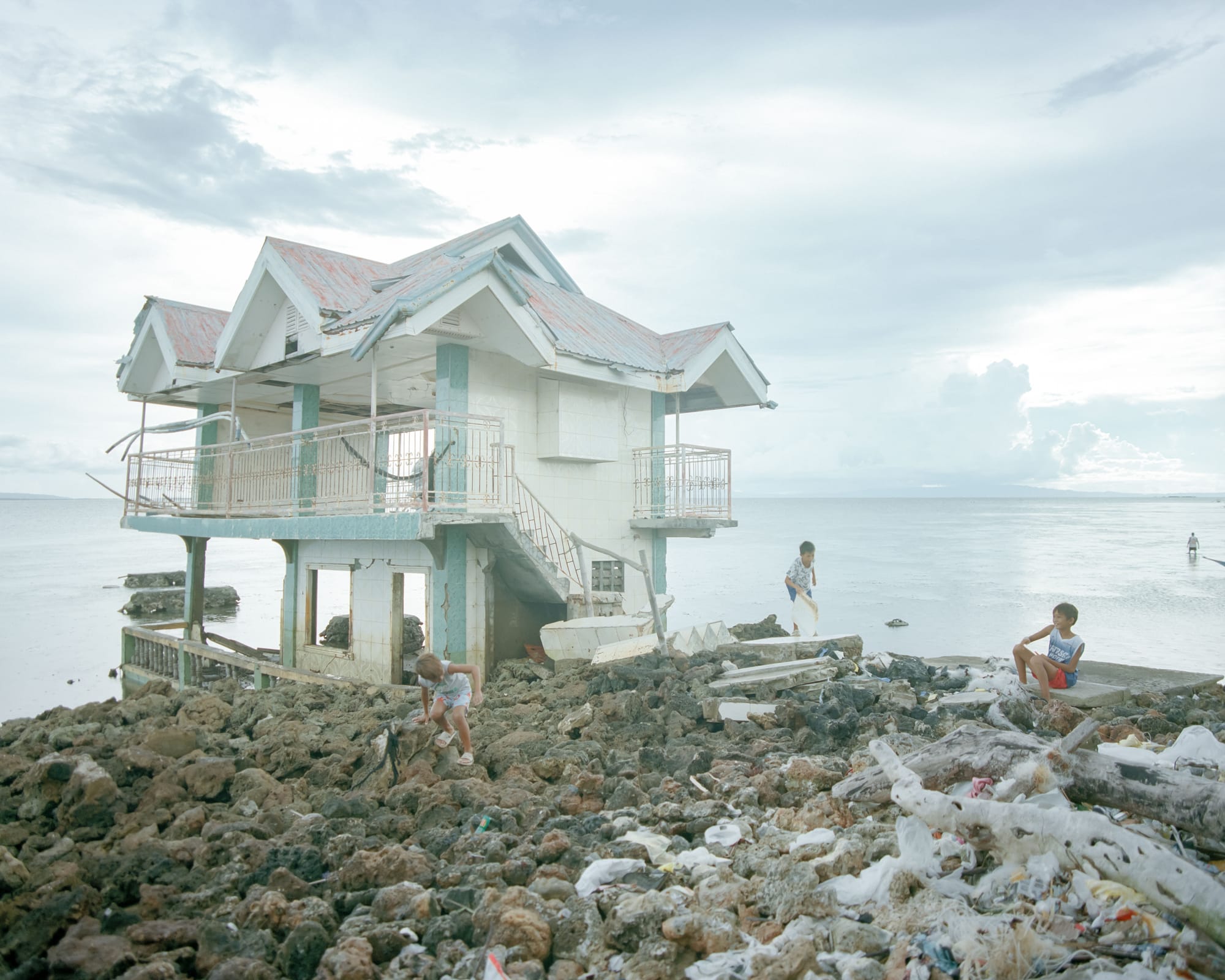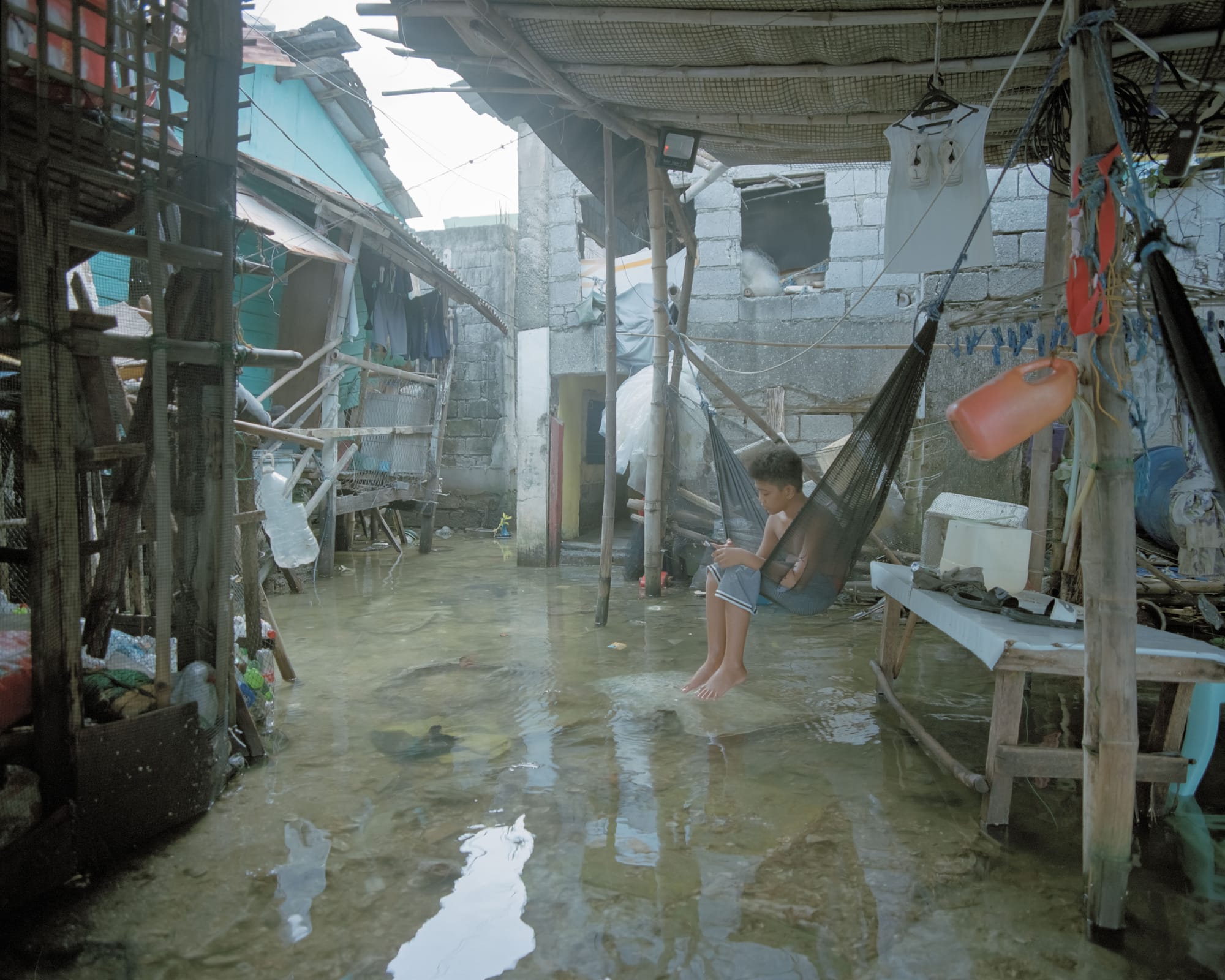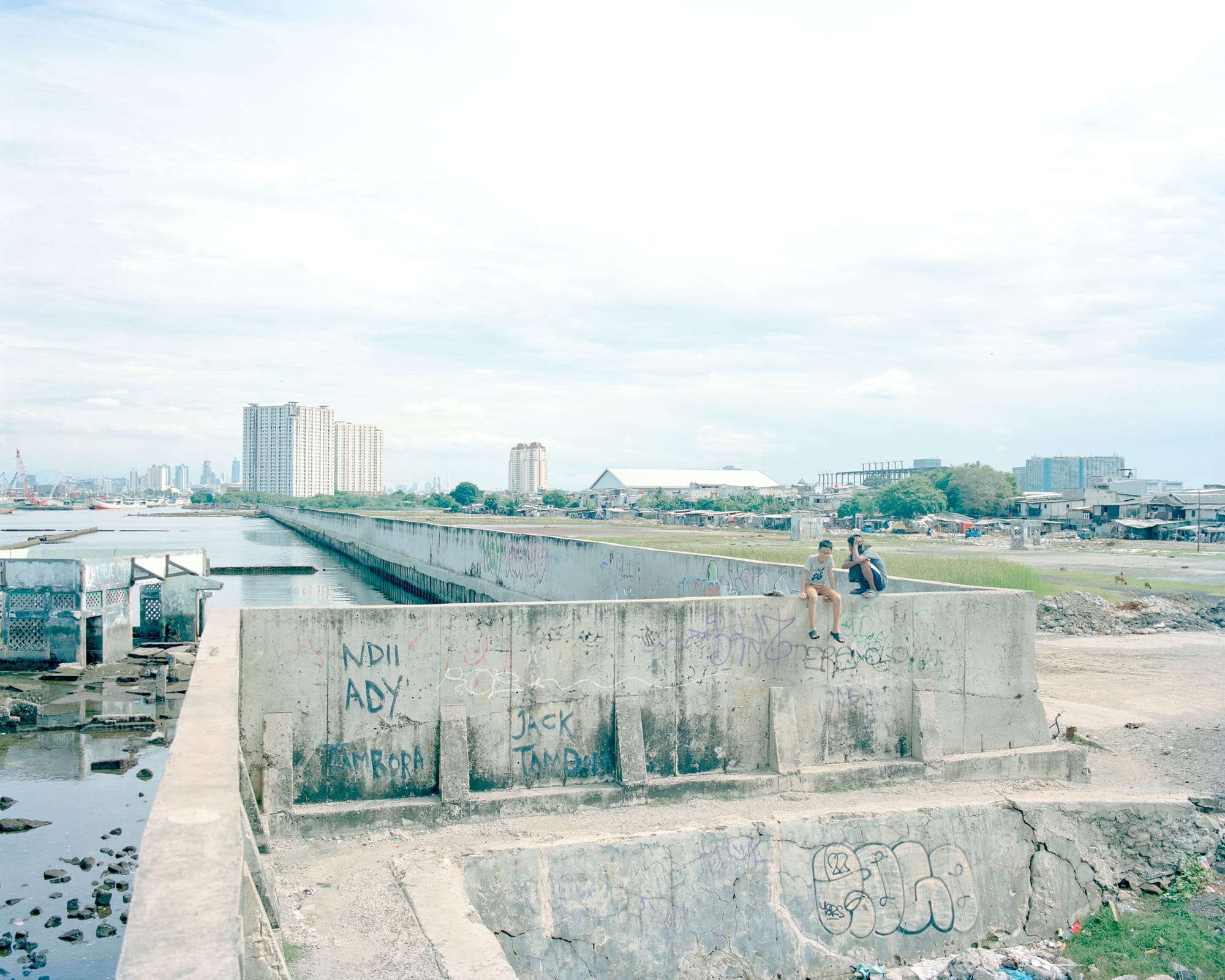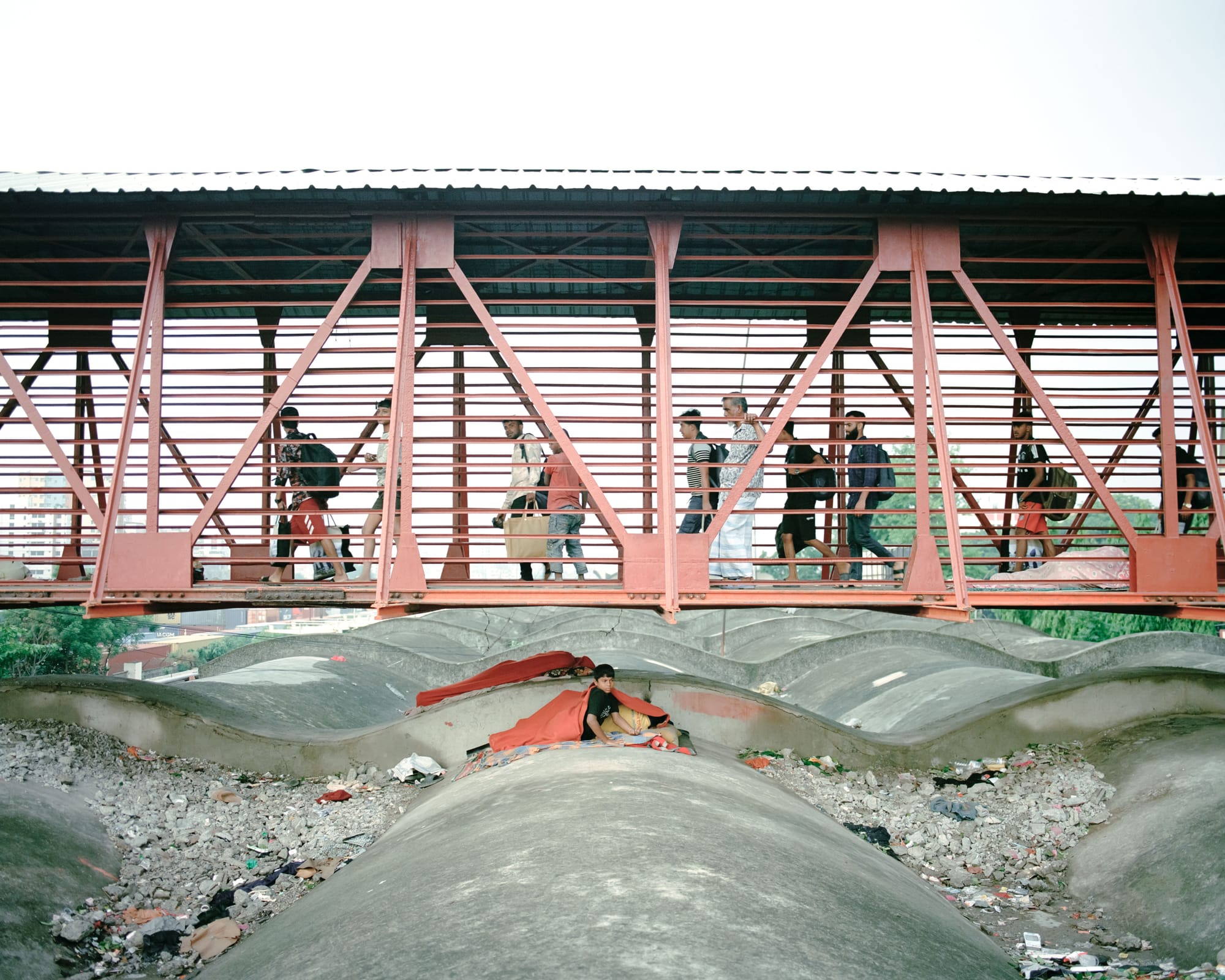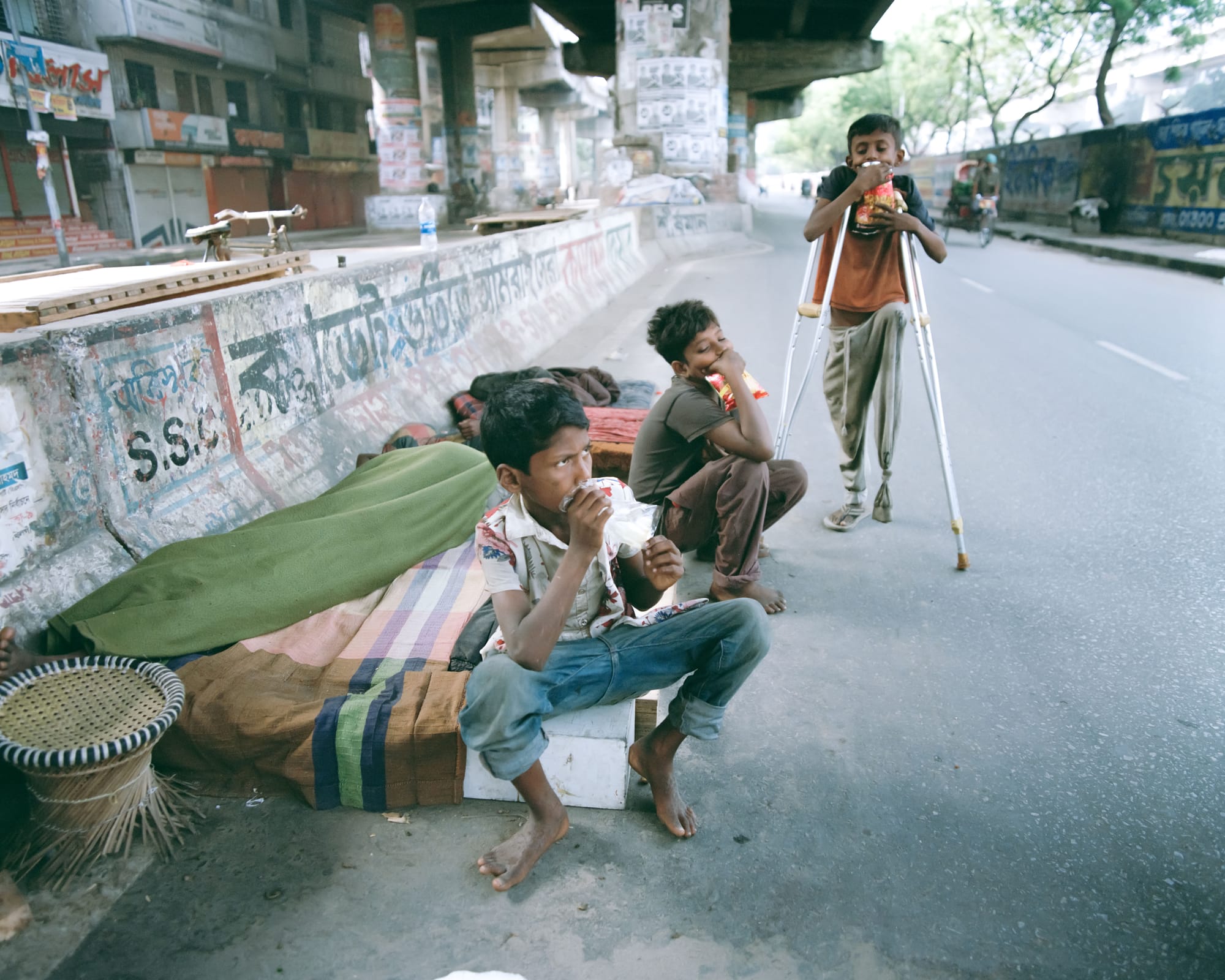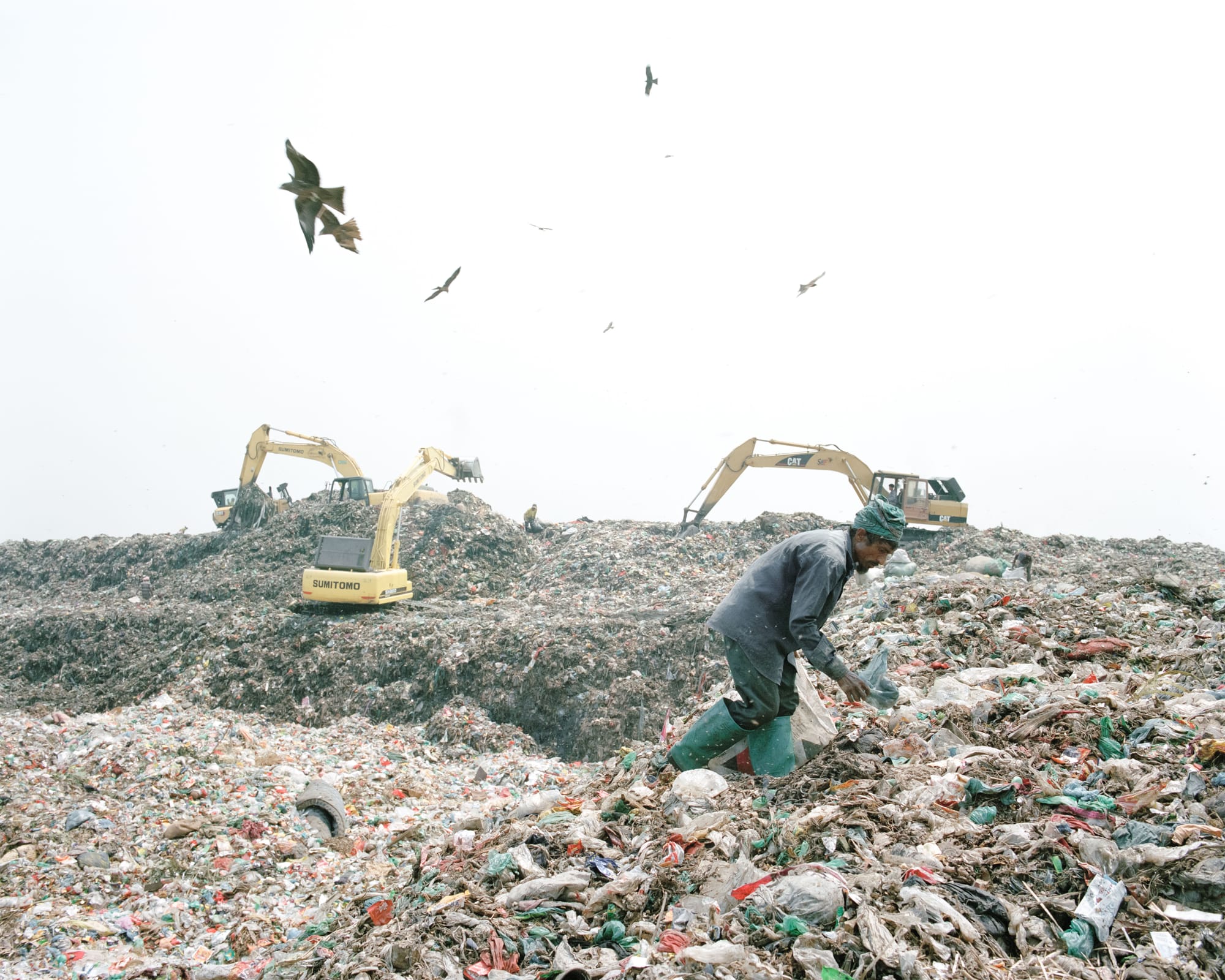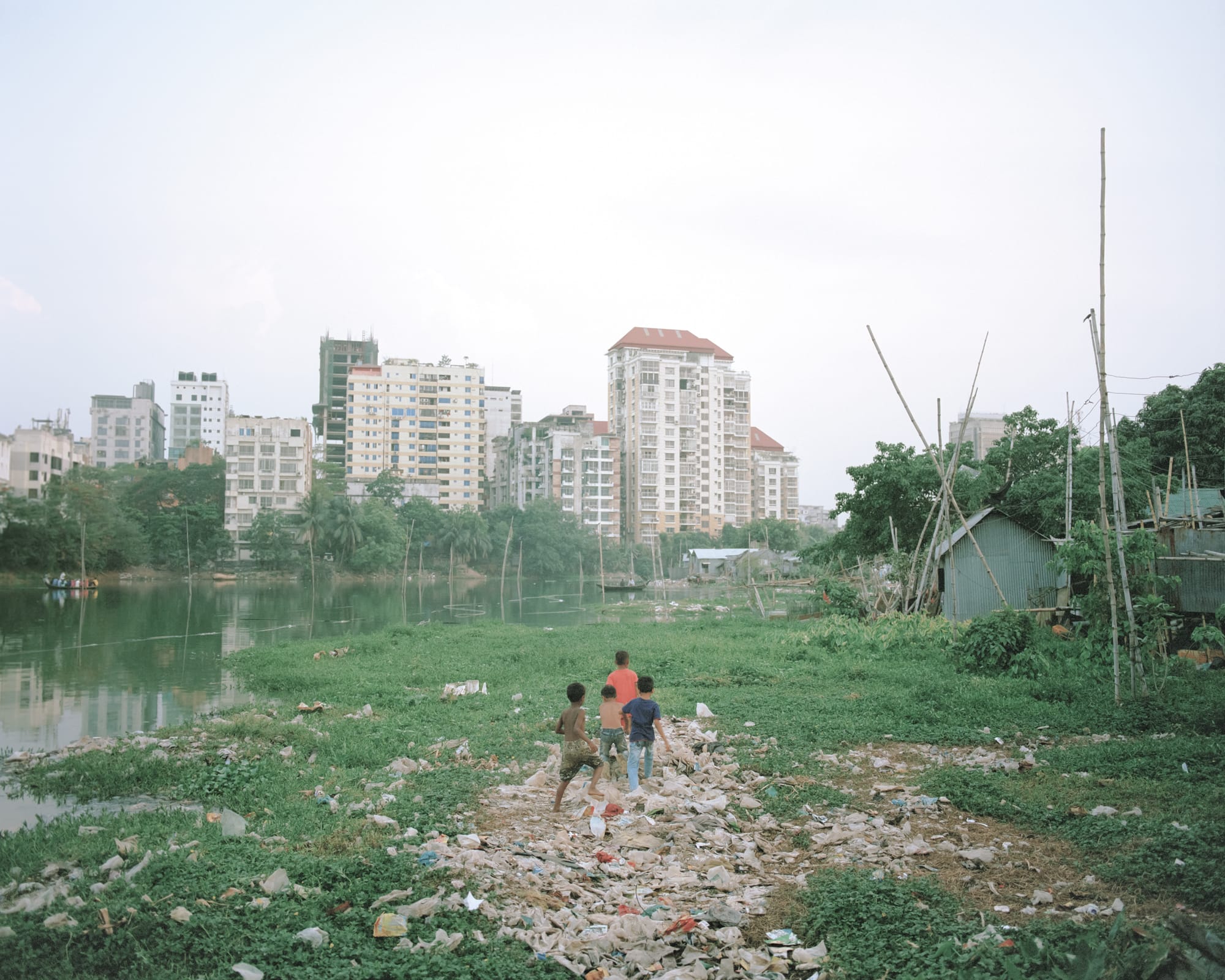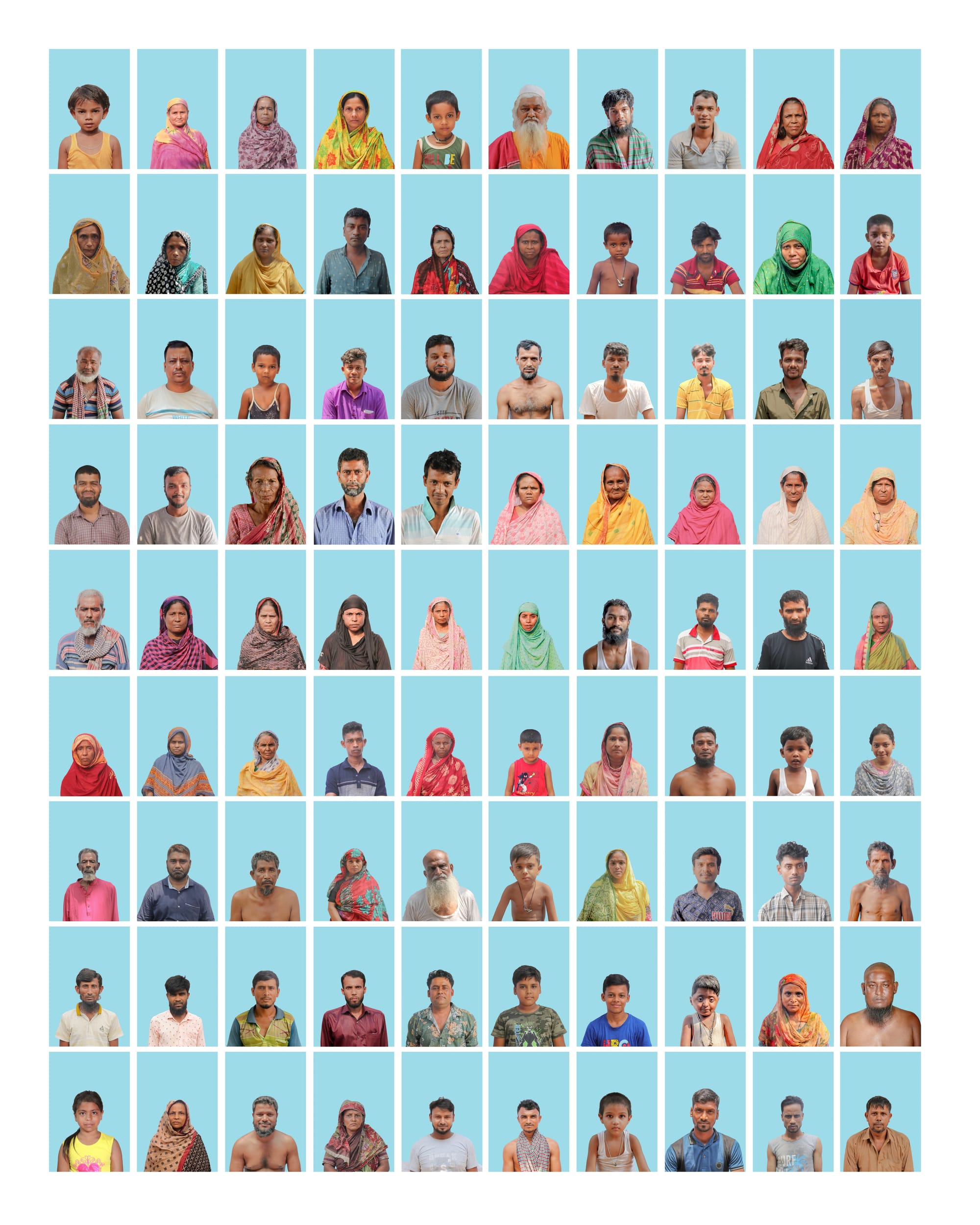

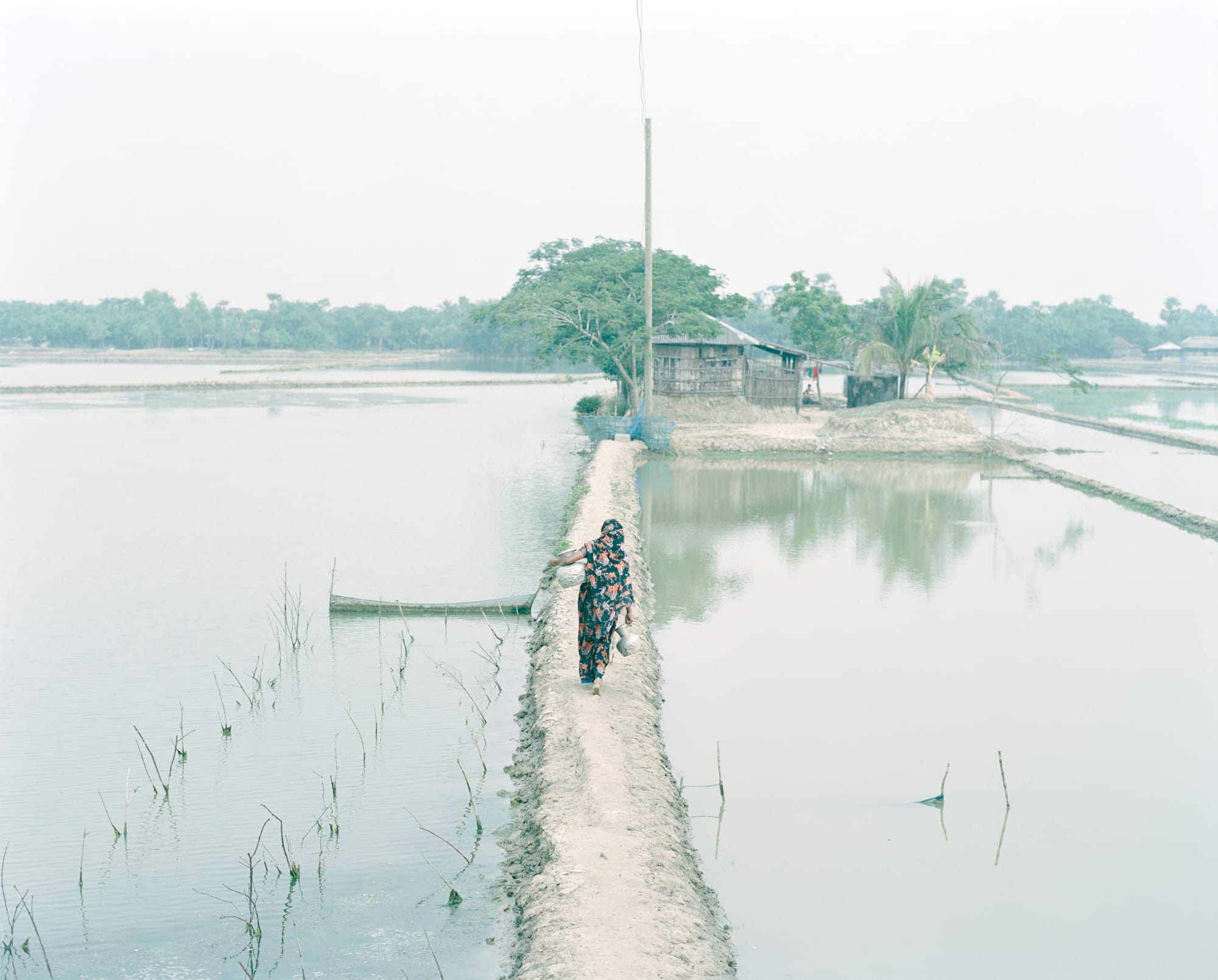
This is an ongoing project examining the impacts of climate change through the portraits of climate migrants worldwide and the lives of people living in the midst of the climate crisis.
Residents of coastal areas in Asia and the Pacific, including Bangladesh, the Philippines, and Indonesia, encounter daily threats from floods, cyclones, land degradation caused by salinity intrusion, and land loss due to rising sea levels linked to global warming.
For a long time, people who are physically, mentally, and economically distressed have been forced to migrate to escape critical situations caused by the ever-increasing impacts of climate change, resulting in the loss of their homeland.
Individuals who become climate migrants relocate to urban areas in search of a sense of belonging and new job opportunities to earn a stable income.
However, the influx of migrants causes problems such as urbanization, housing shortage, and environmental pollution.
Moreover, employment in a new field without experience, skills, or qualifications is trouble for migrants.
Since the Industrial Revolution, humankind has benefited from economic growth.
On the other hand, since the beginning of the 21st century, the global average temperature has been rising because of increased carbon dioxide emissions, and the impacts of climate change have been making life more difficult for humans.
Most of these burdens are imposed on people living in vulnerable areas, and this generates future climate migrants.
According to the World Bank, the number of climate migrants is estimated to increase to 216 million by 2050.
Therefore, the potential to become climate migrants is extremely high for all of us who have lived around the world.
This “The chronicle of us” is a record of the history of such human beings in the climate crisis.