

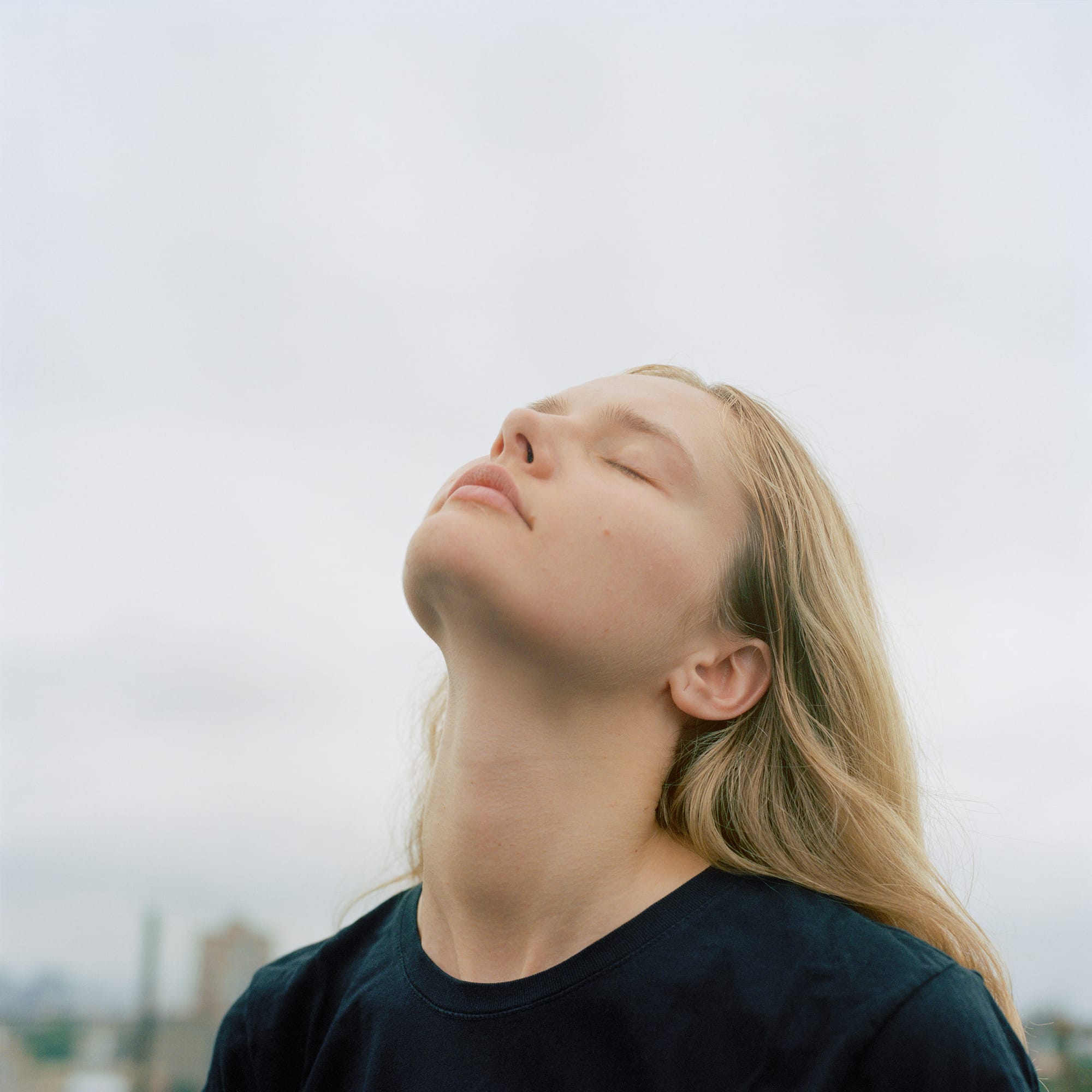
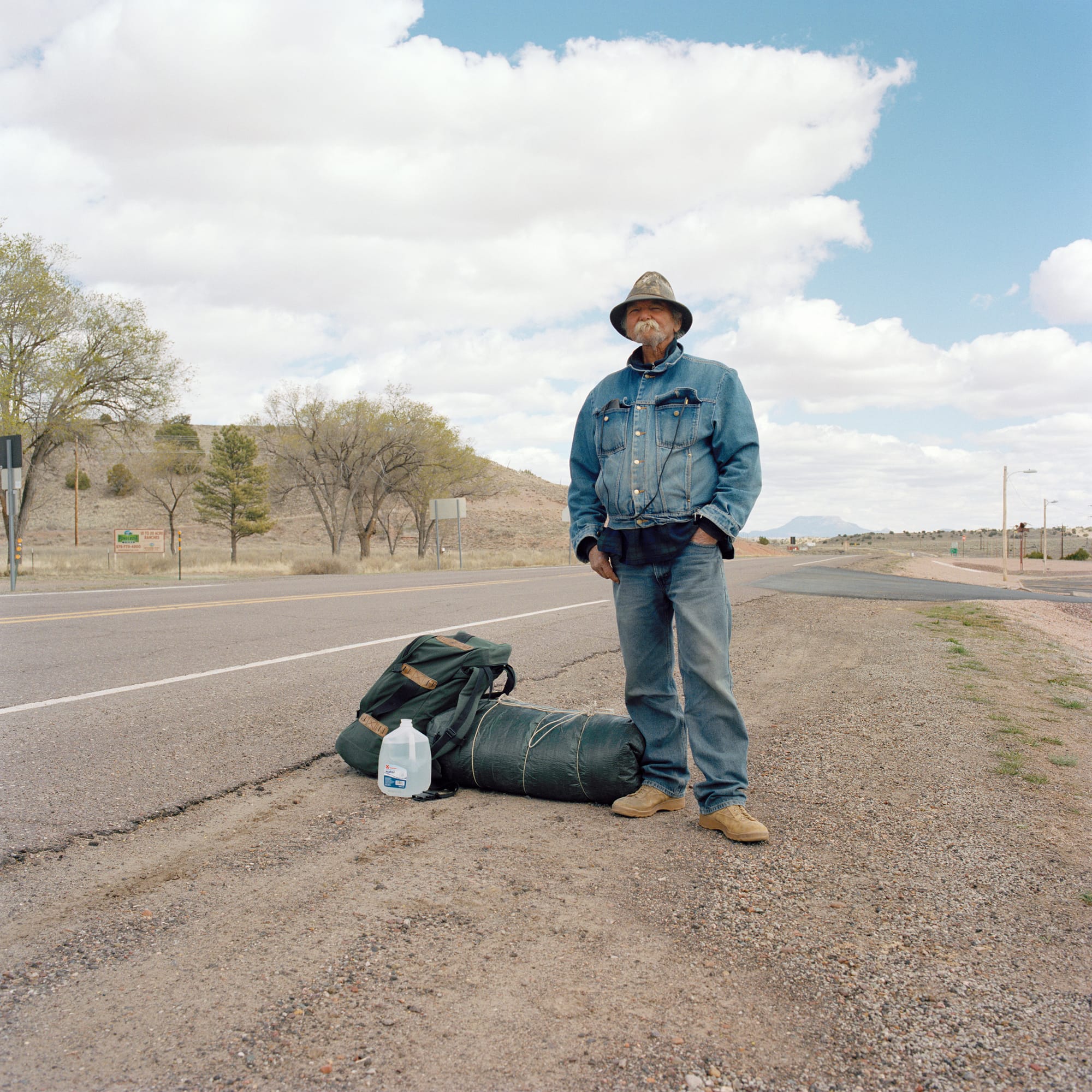
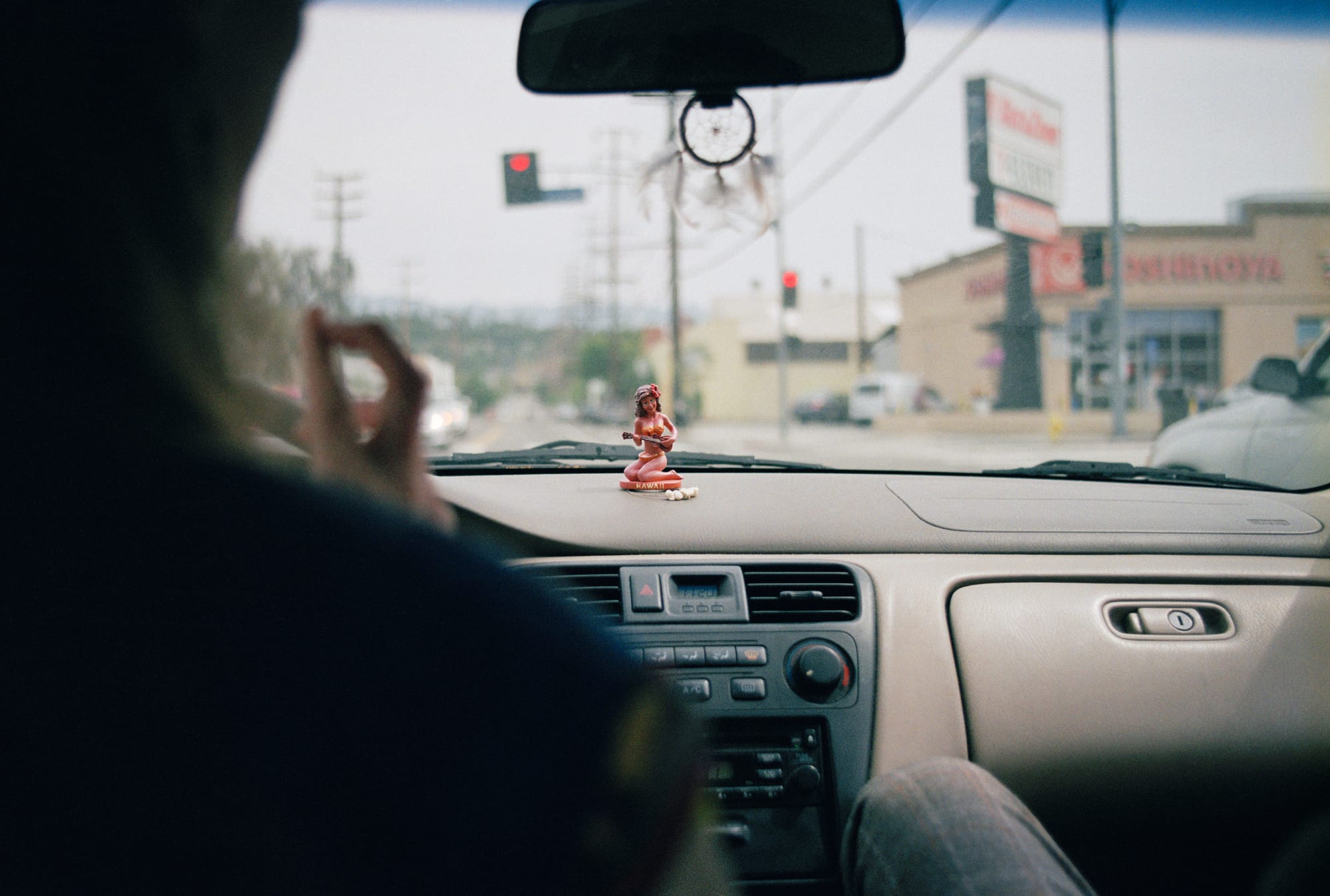
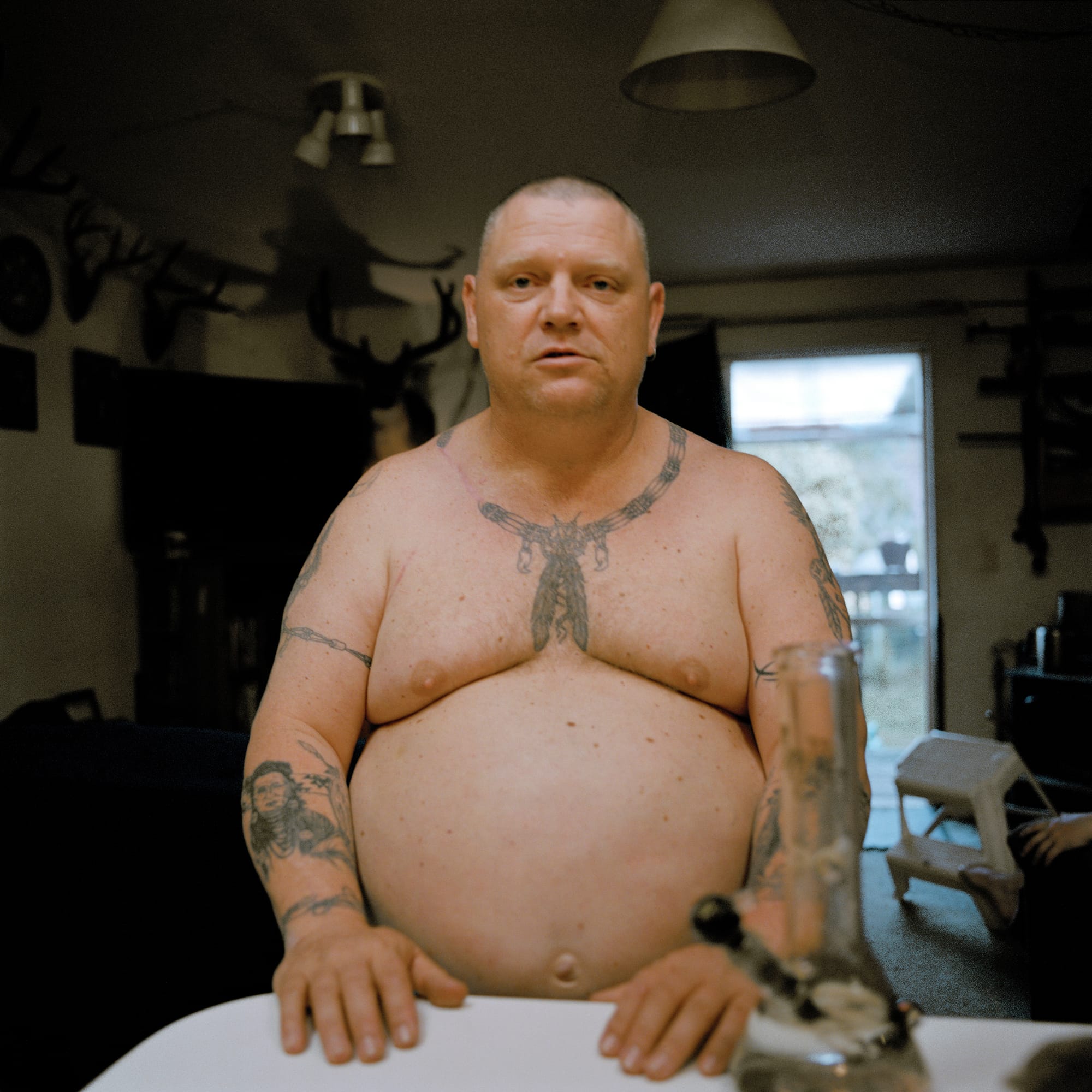
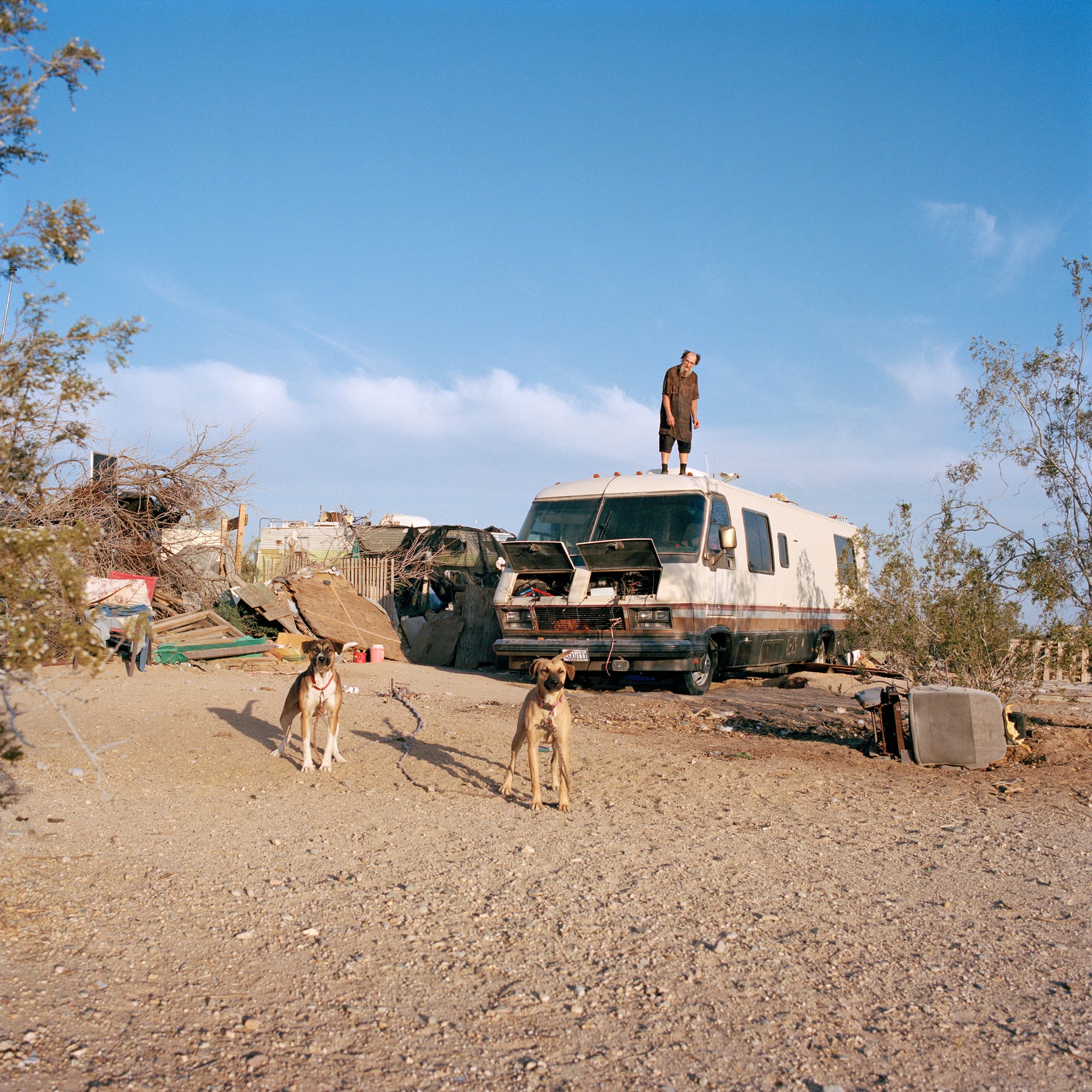
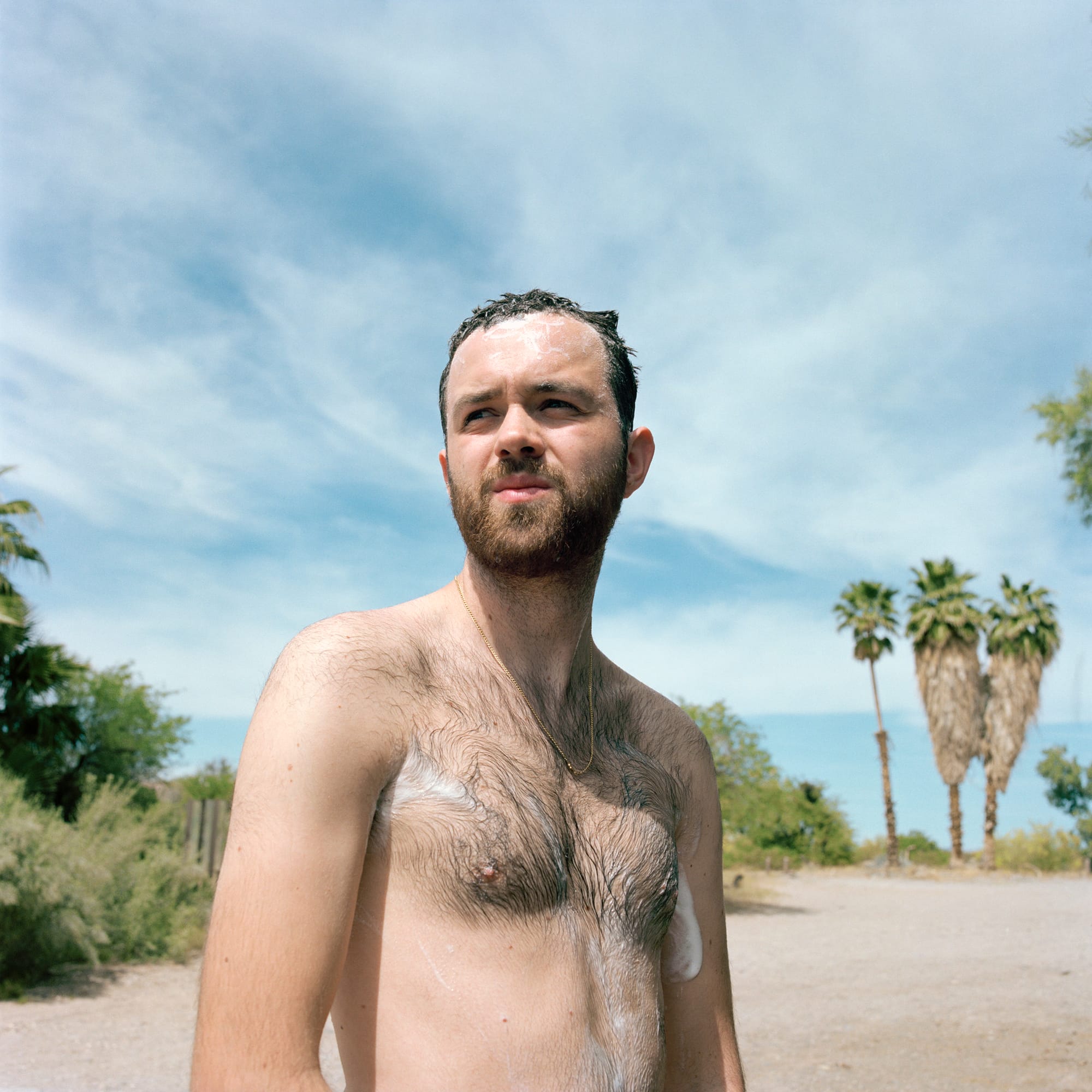
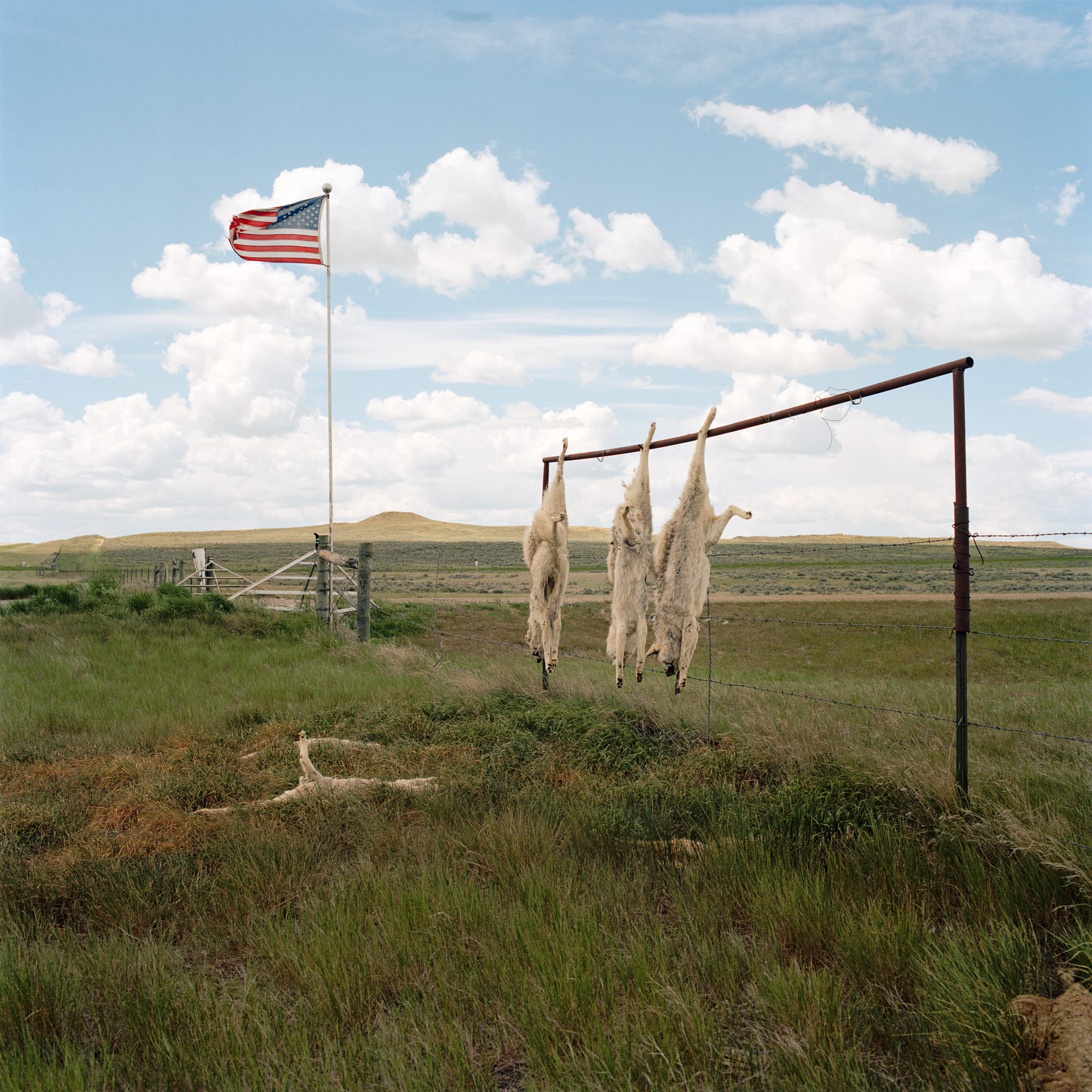
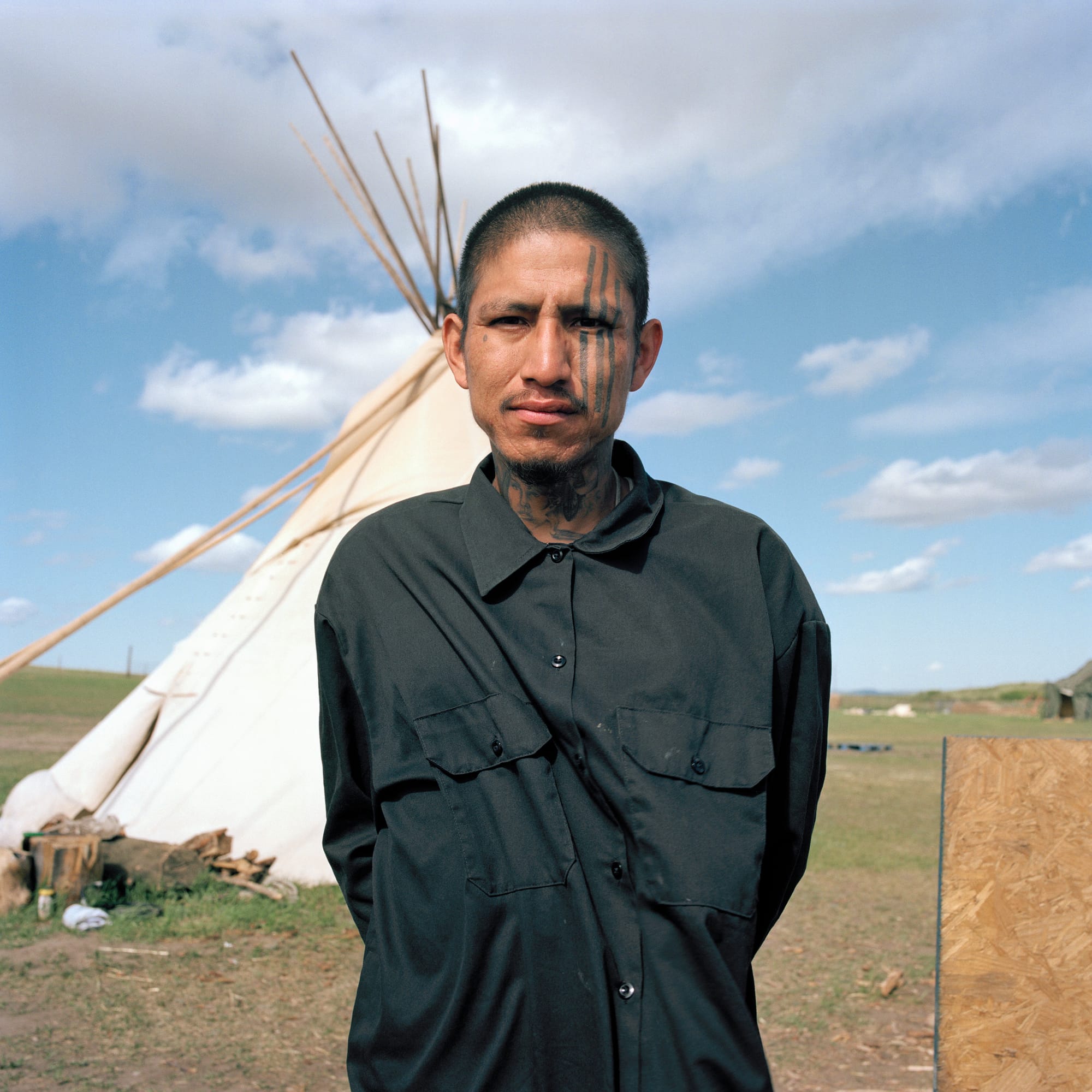
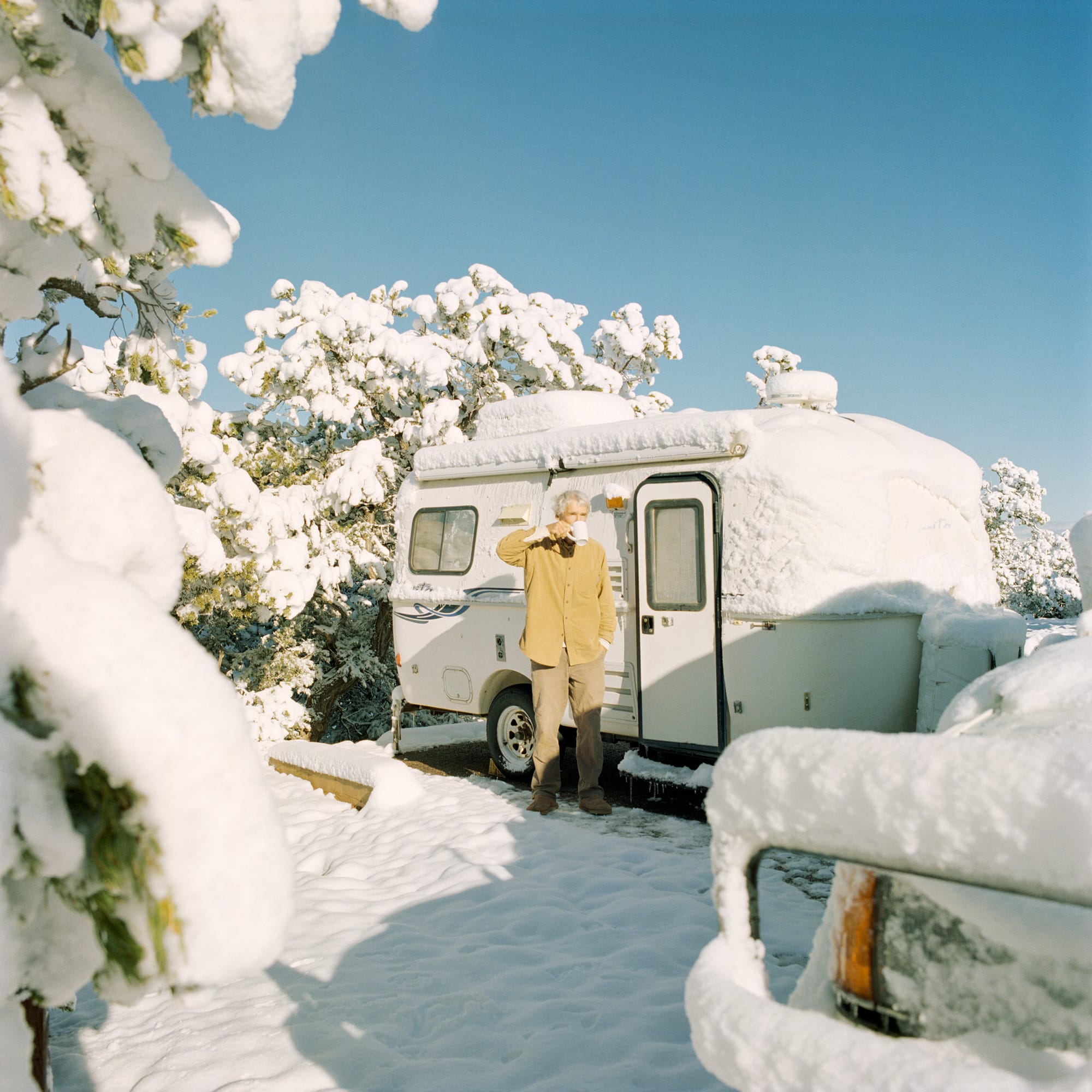
Remote places, far from the next village, town, or community; places we find within ourselves and to which we can withdraw at any time – such places represent that aspect of the U.S. lifestyle which can be encapsulated in one word: self-determination.
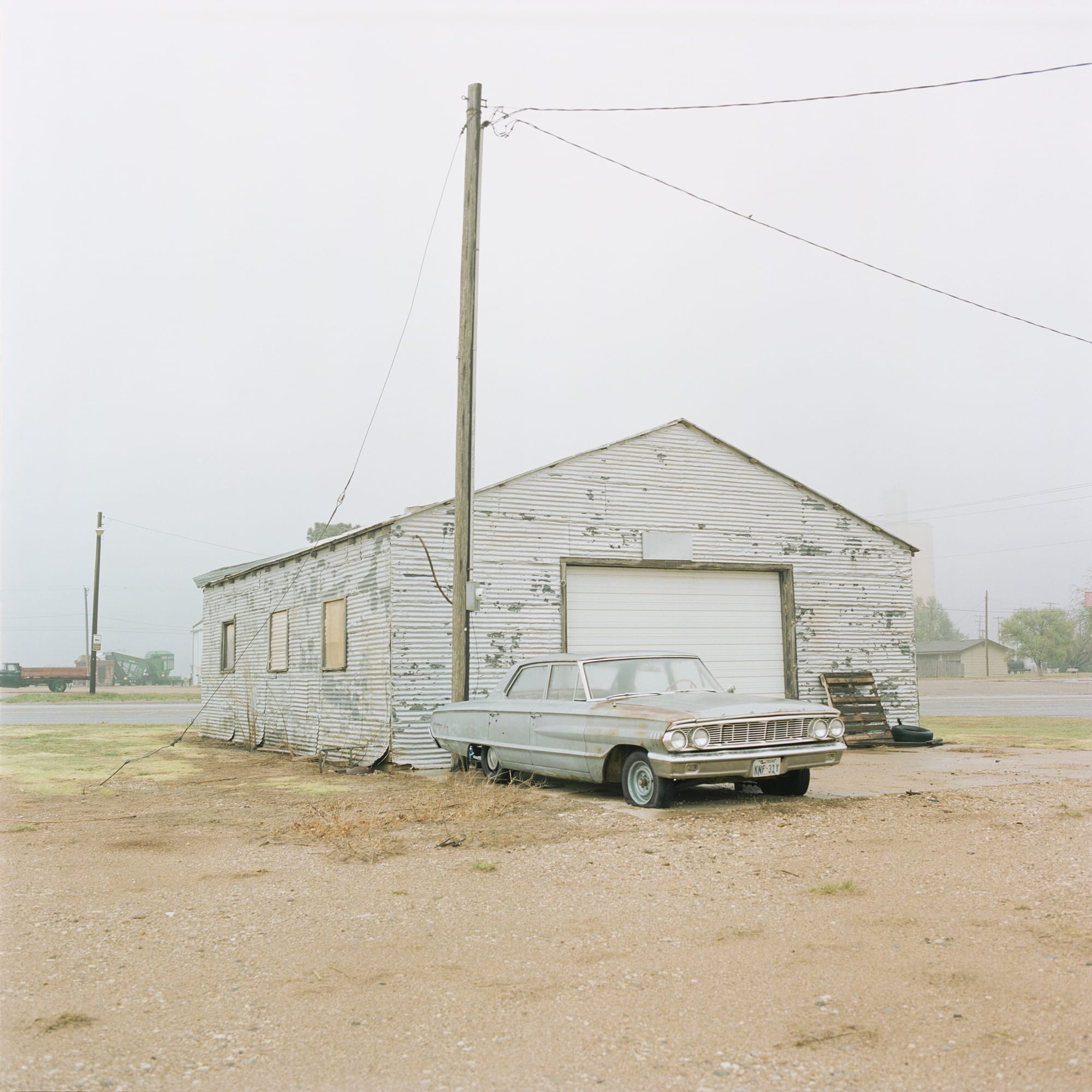
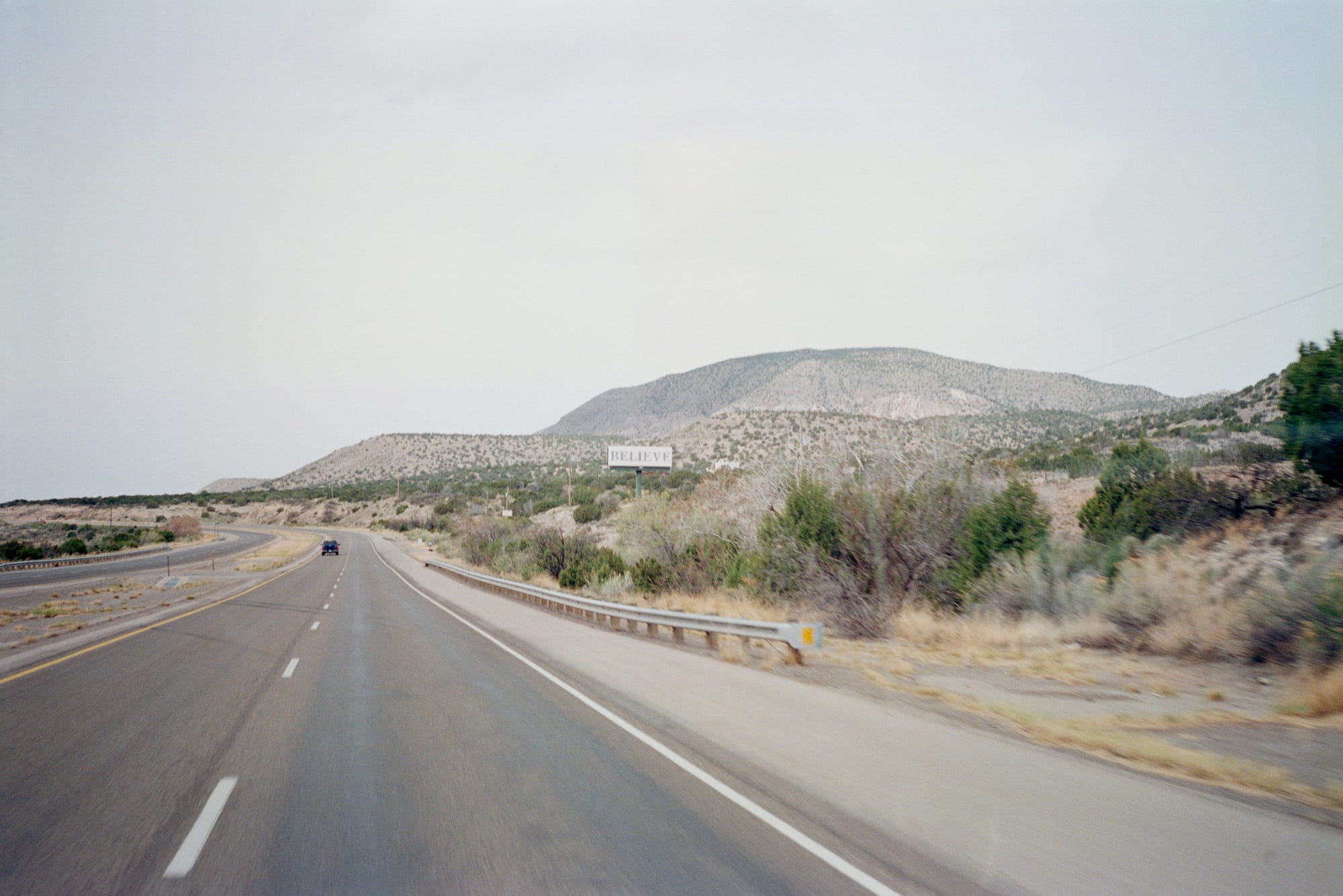
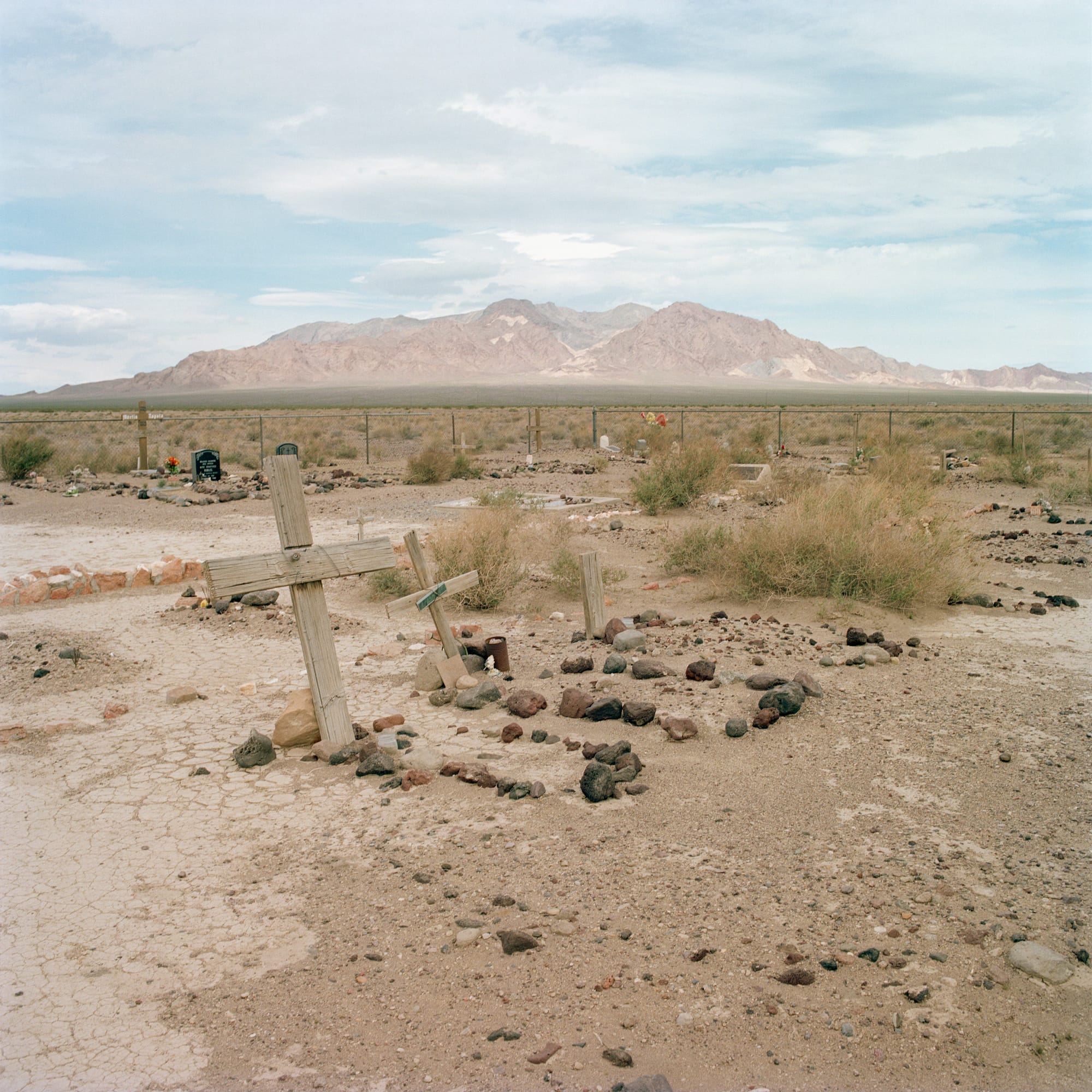
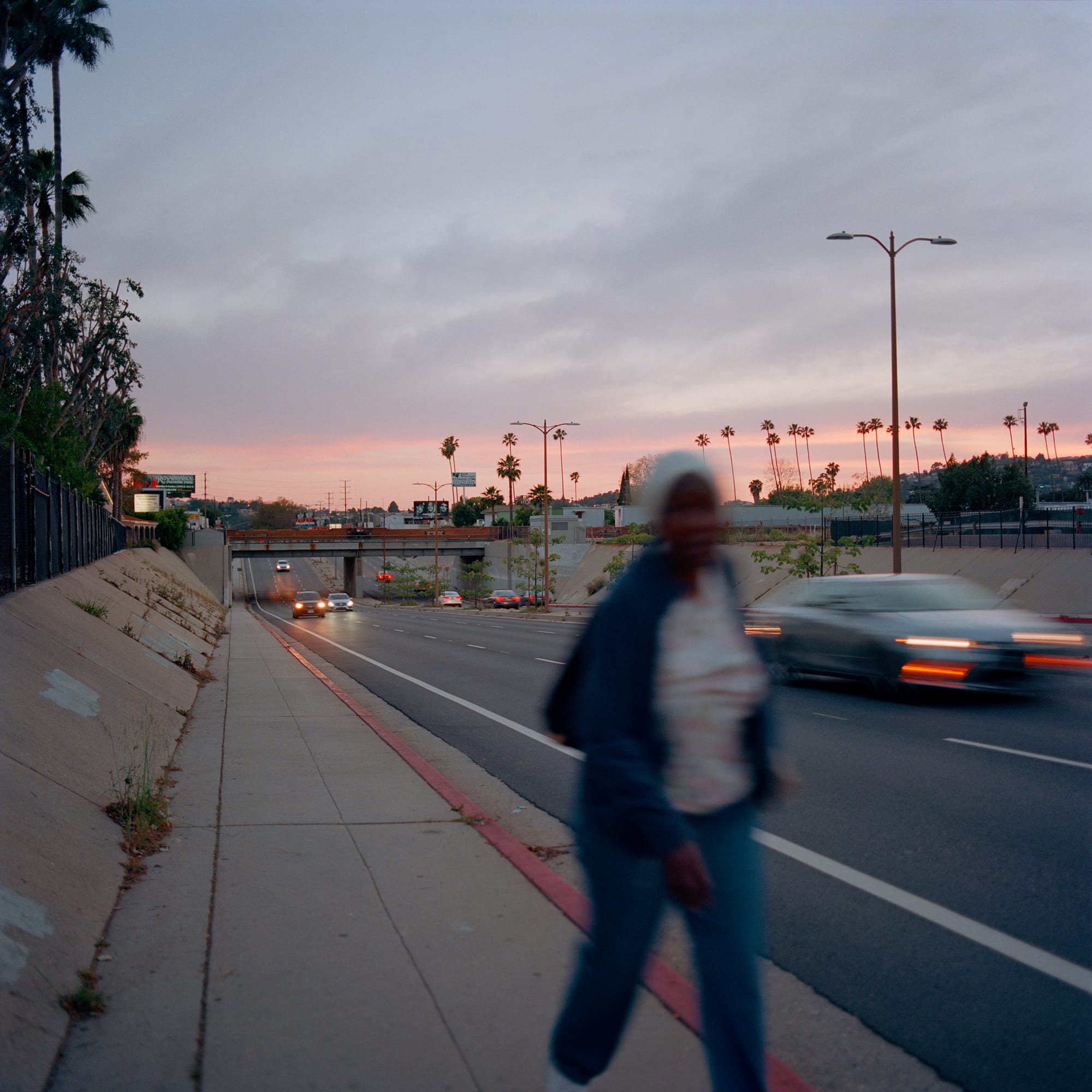
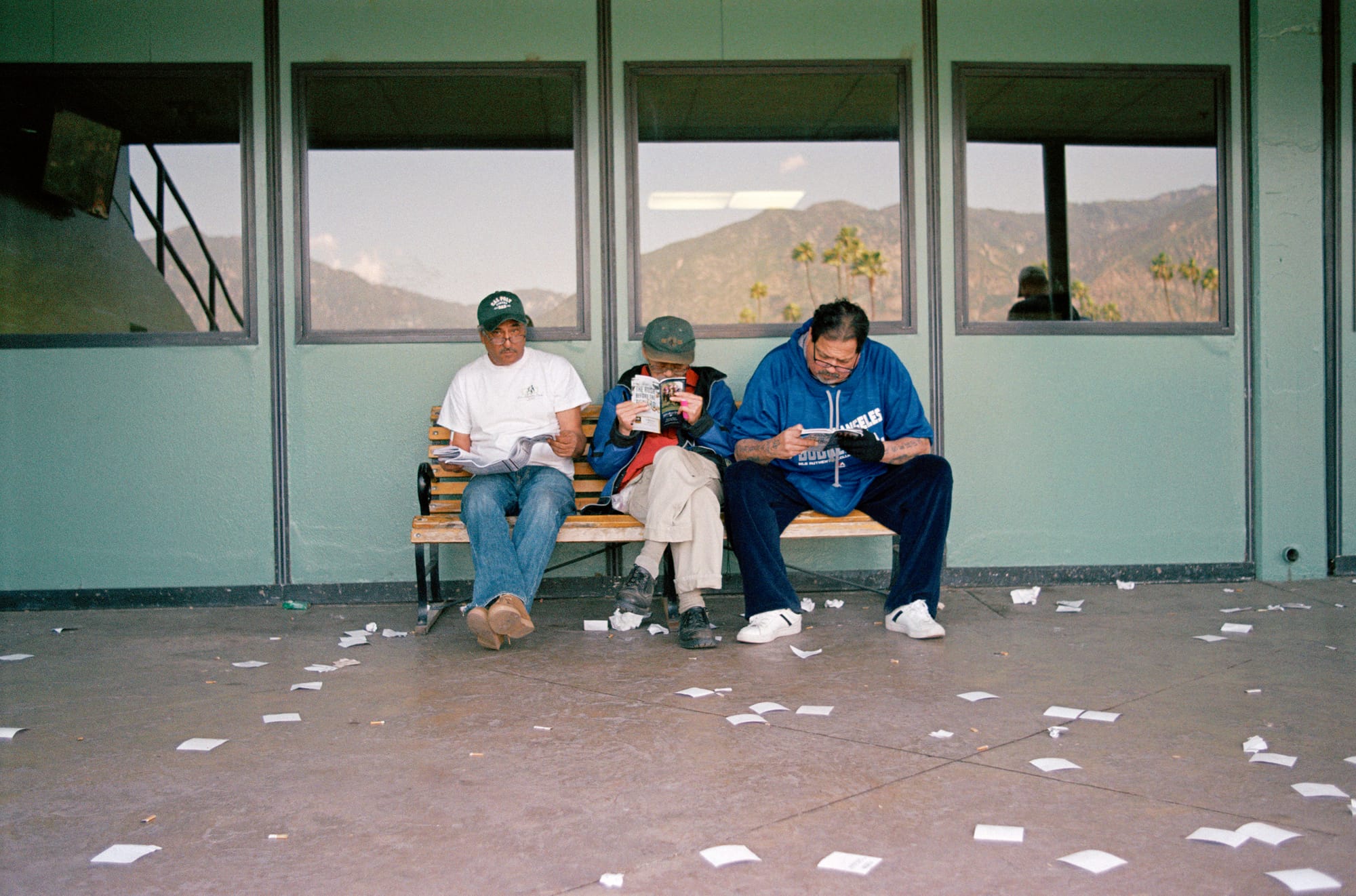
Whether in the California mountains or on the rooftops of New York – in all parts of the United States there is an overwhelming peripheral feeling of isolation, rooted in the vastness of the country, manifesting itself in the absence of society.
In the strict sense of the word, “periphery” means “borderland,” “suburb,” “hinterland,” “backcountry.”
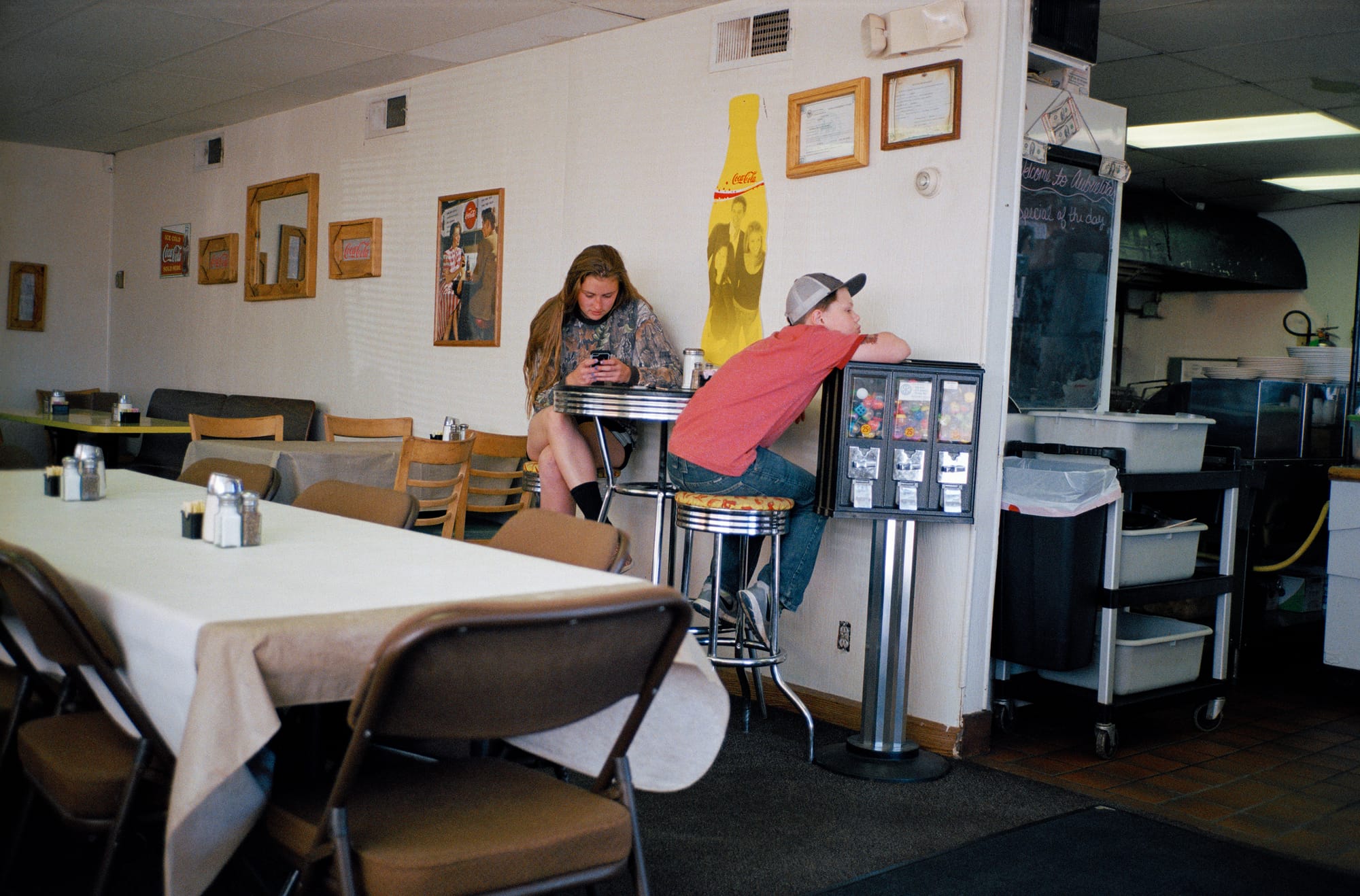
But the significance extends beyond literal boundaries. “Periphery” here does not necessarily describe a spatial separation from society, but also a systemic or experiential dissociation from the world. This kind of life, free from directives, is expressed through independence, pride, and freedom. It demonstrates that U.S. values penetrate even the most remote places. In the context of isolation, they are transformed into self-determination.
You can get lost in the vastness of the landscape, the height of the sky, and the depth of the sun; can spend days without encountering another person. Yet signposts, mailboxes, gravestones all indicate that people do live in these backwater lands. Then again, it’s just as easy to get lost in the narrowness of the metropolis. Between concrete and asphalt, you almost instinctively scale the roof of the high-rise to reach the sky.
And quite automatically, almost imperceptibly, you feel yourself slowed. Falling out of time. You catch your breath. And as society fades into the background, resonance with your surroundings shifts to the fore.
Author biography
Louise Amelie (1991 Berlin) is a photographer and director specializing in documentary and portrait photography. She is the Founder of ArtCity e.V., an international art and culture association that develops projects to promote intercultural exchange and artistic collaboration.
Her current ongoing project, "AK JOL – Open Road", is an interdisciplinary initiative encompassing a film documentary, a photo book, accompanying exhibitions, and an international exchange program. The project focuses on migration, identity, and social transformation in Central Asia, providing a platform for cultural dialogue and exchange.
A previous project, "MISSING MEMBER" (2023), was created in collaboration with RLS Foundation, Phase One, and Hatje Cantz Publishers. The book and its accompanying photo series have been presented internationally.
Her publication "OFF WORLDS" (2020) explores remote areas of the US, documenting themes of isolation and independence. The project was recognized with awards including the Portrait of Humanity 2021 and the German Photo Book Prize.
The photo series "SOLE HARLEM" (2017), which captures life in New York’s Harlem neighborhood, won the German Photo Book Prize and was featured in the "Portrait Of Humanity" collection by Magnum Photos.
Amelie’s work addresses socially relevant topics, with a particular focus on identity and cultural exchange. Her projects integrate various artistic disciplines and aim to provide new perspectives on complex societal issues.