

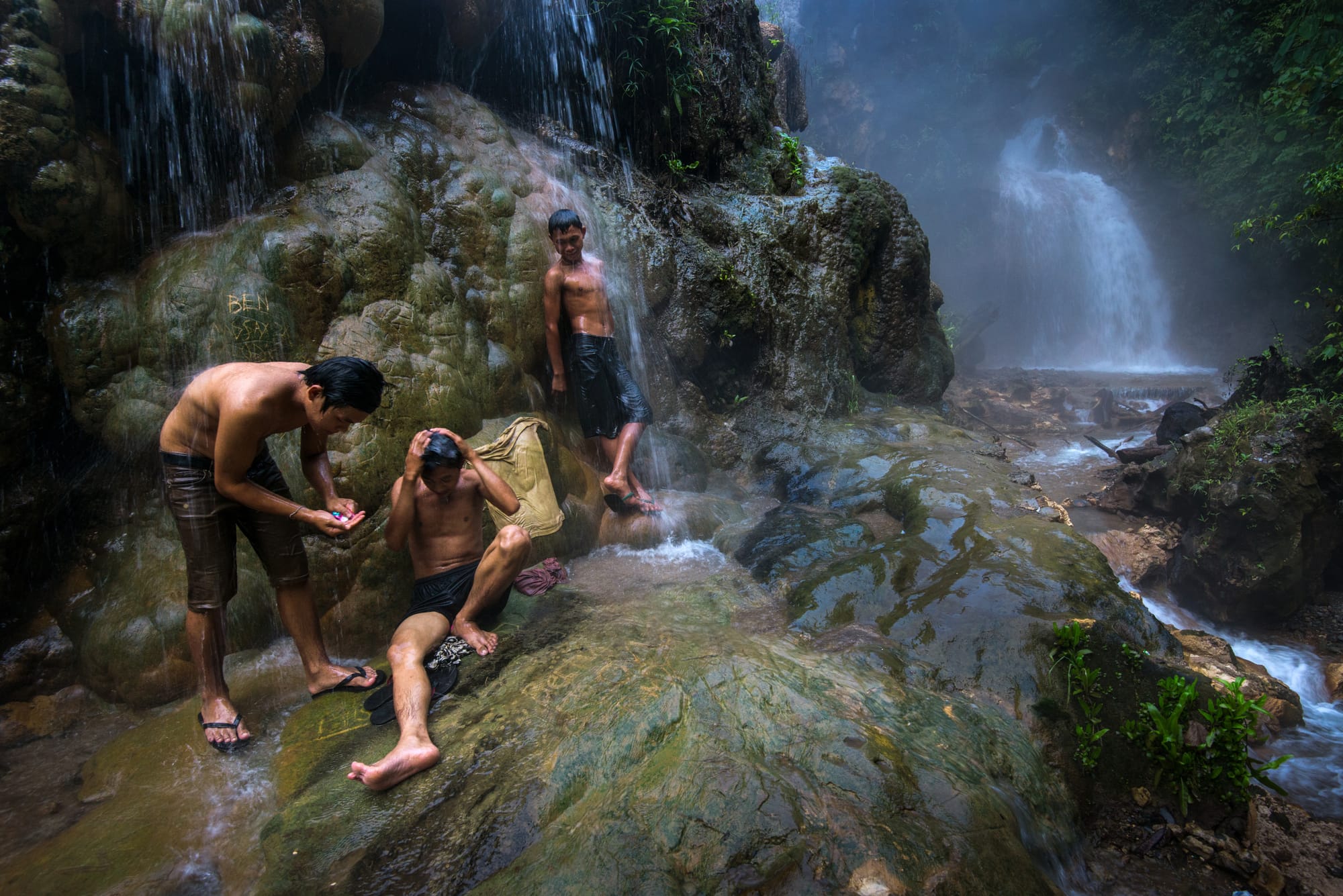
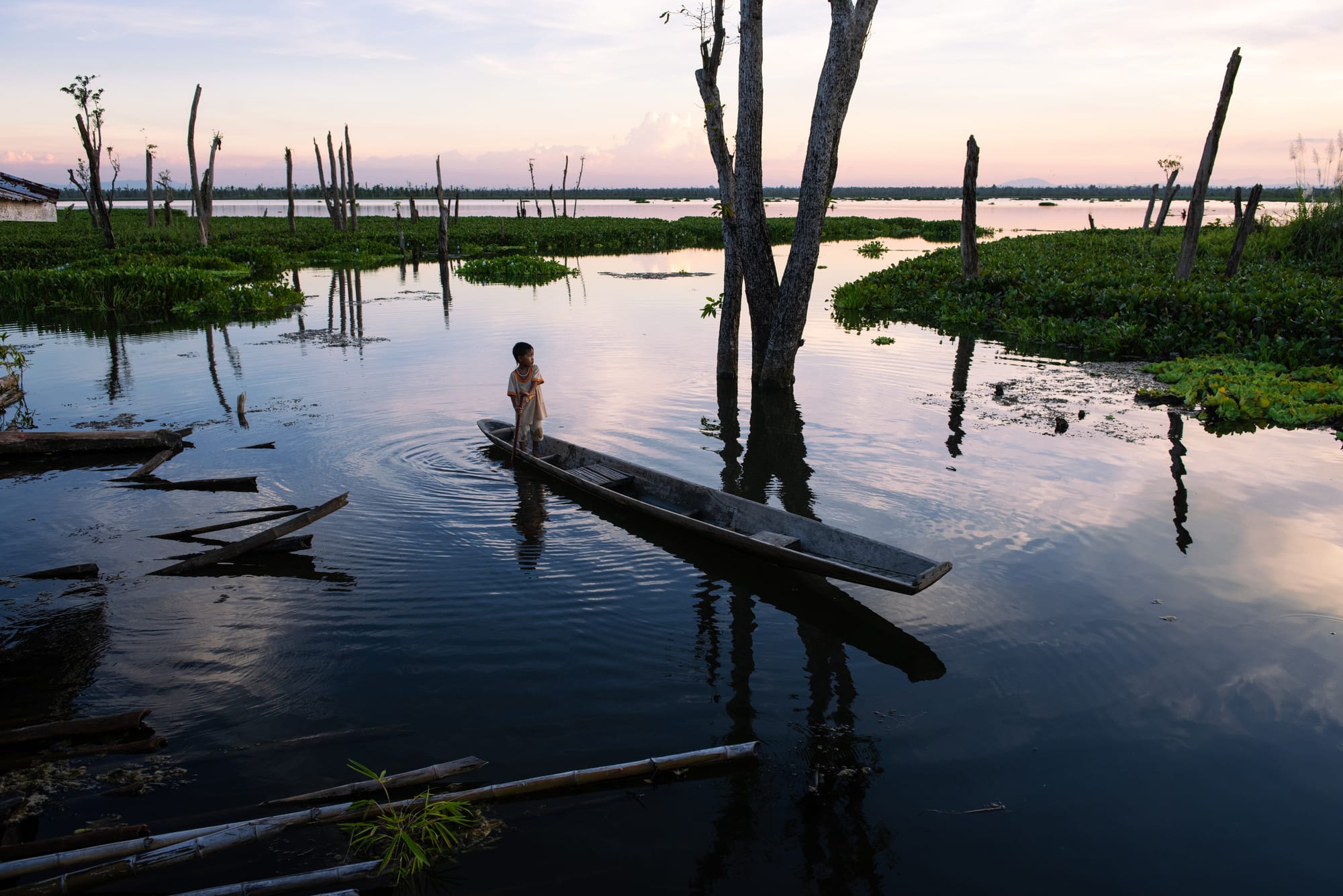
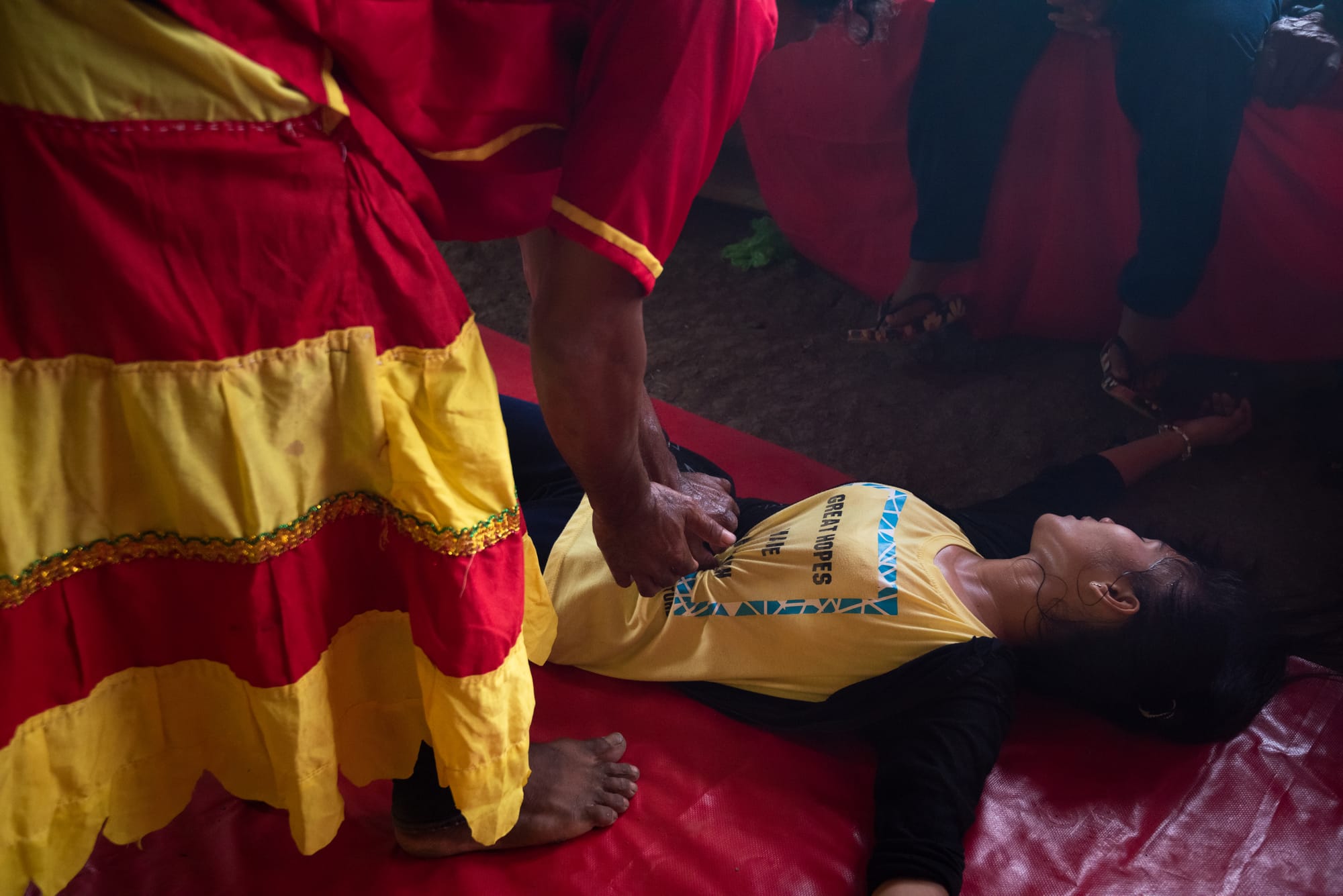
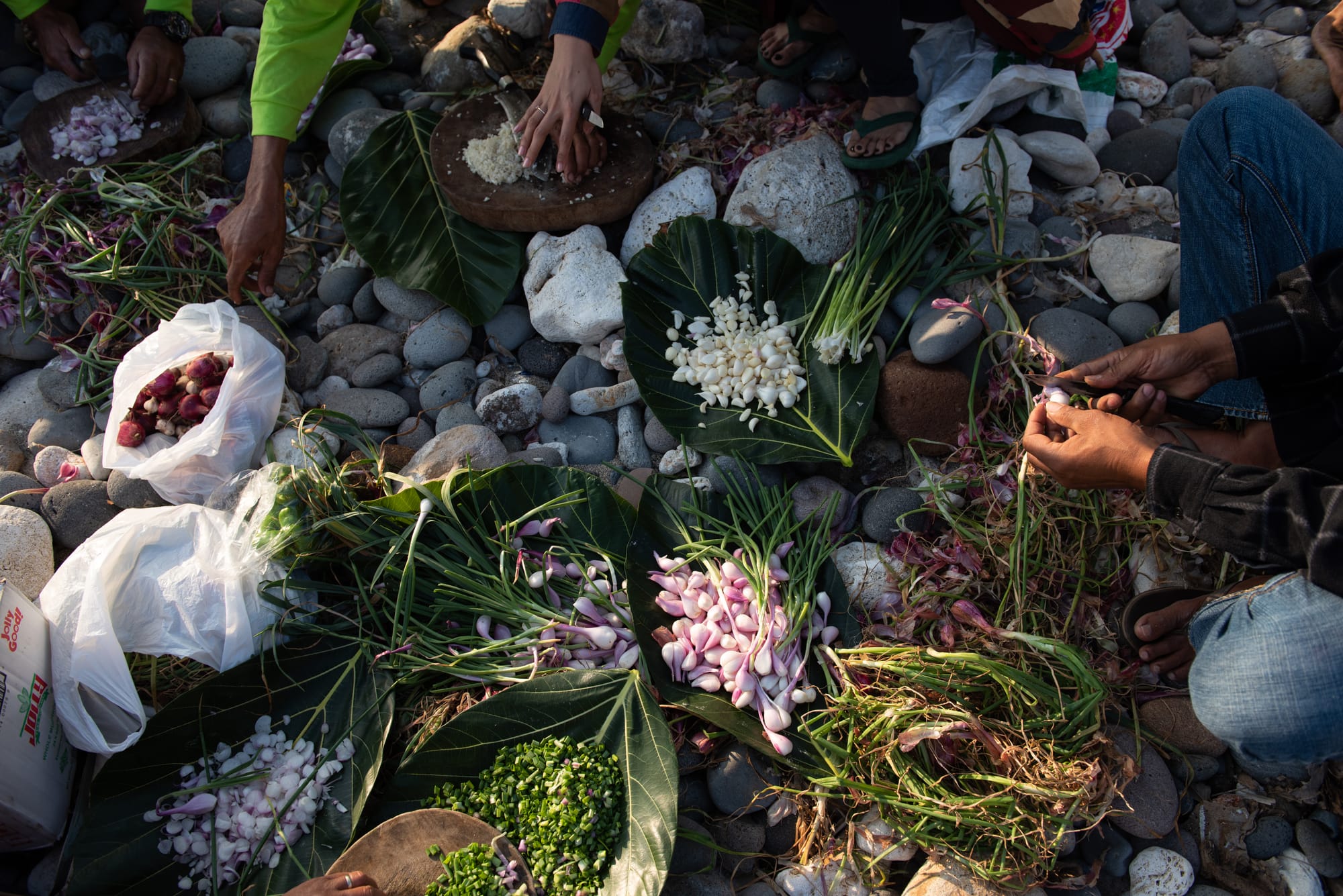
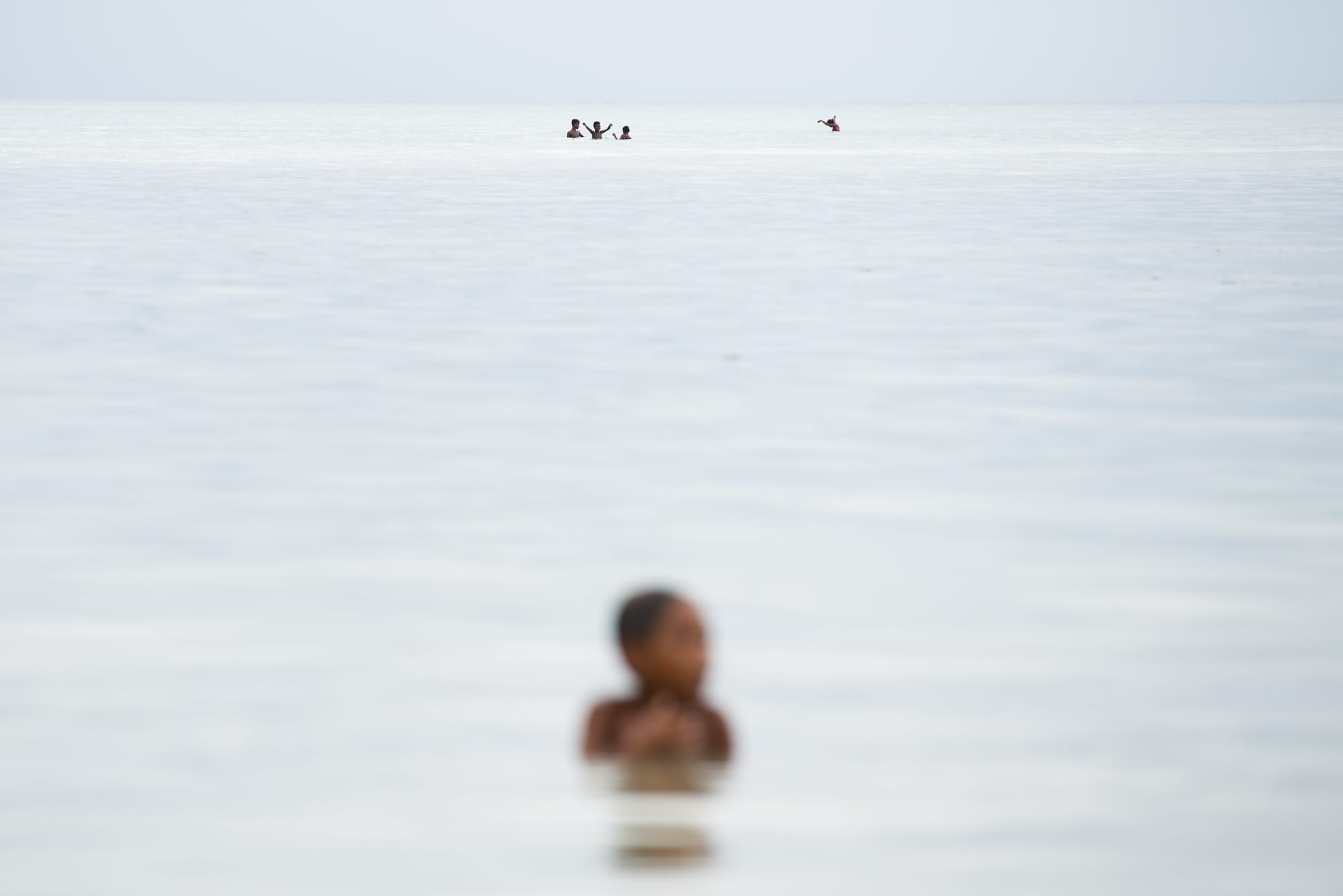
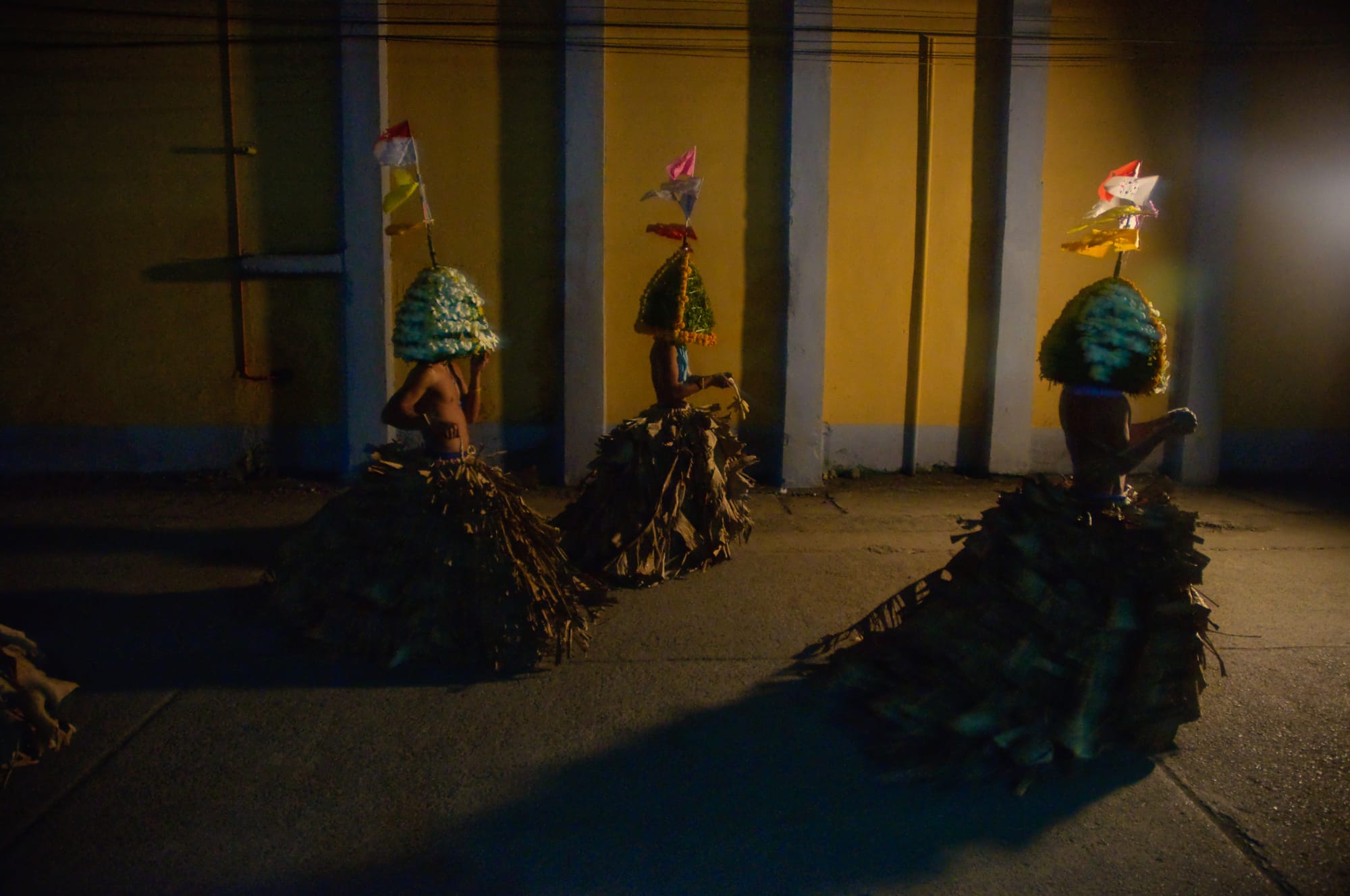
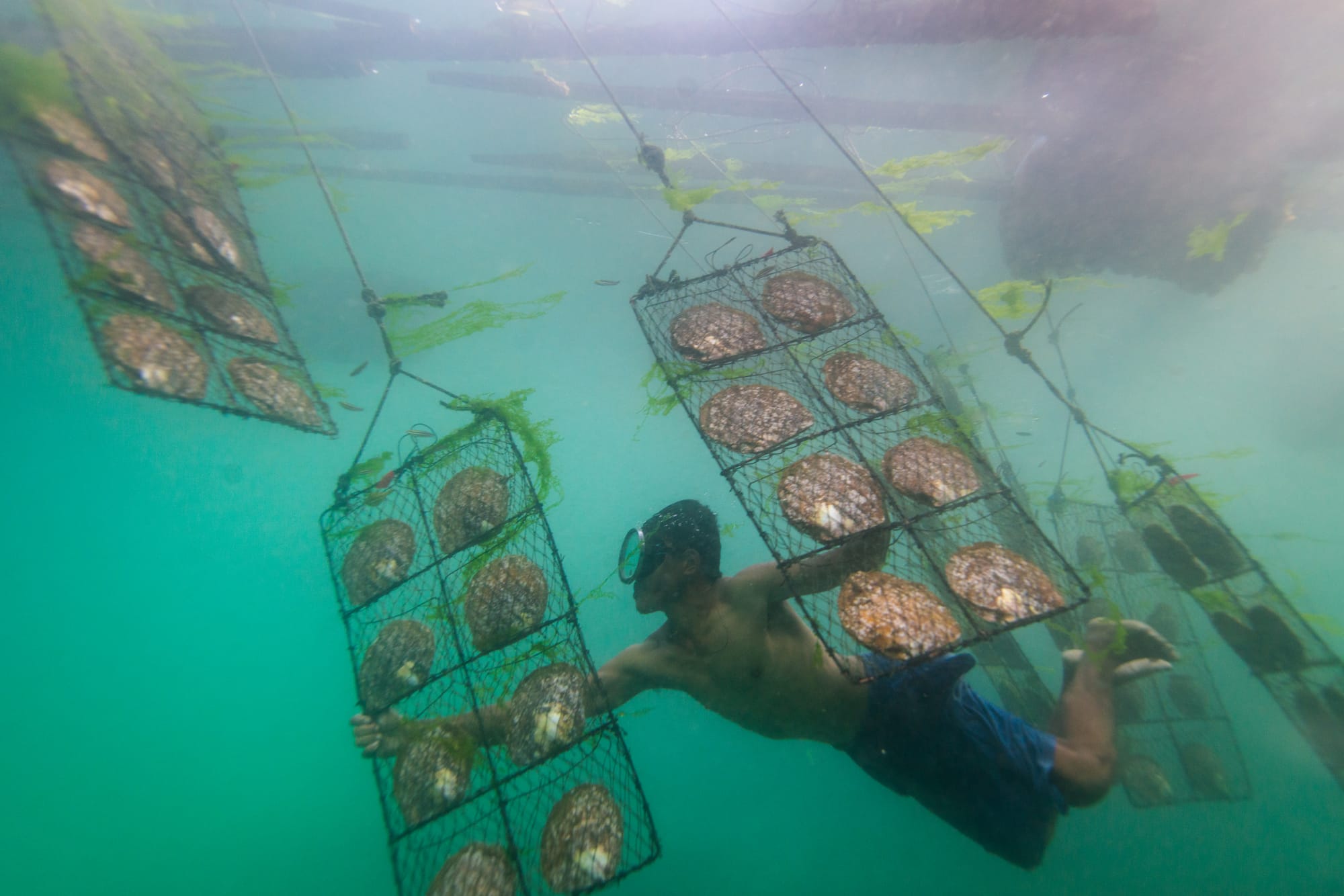
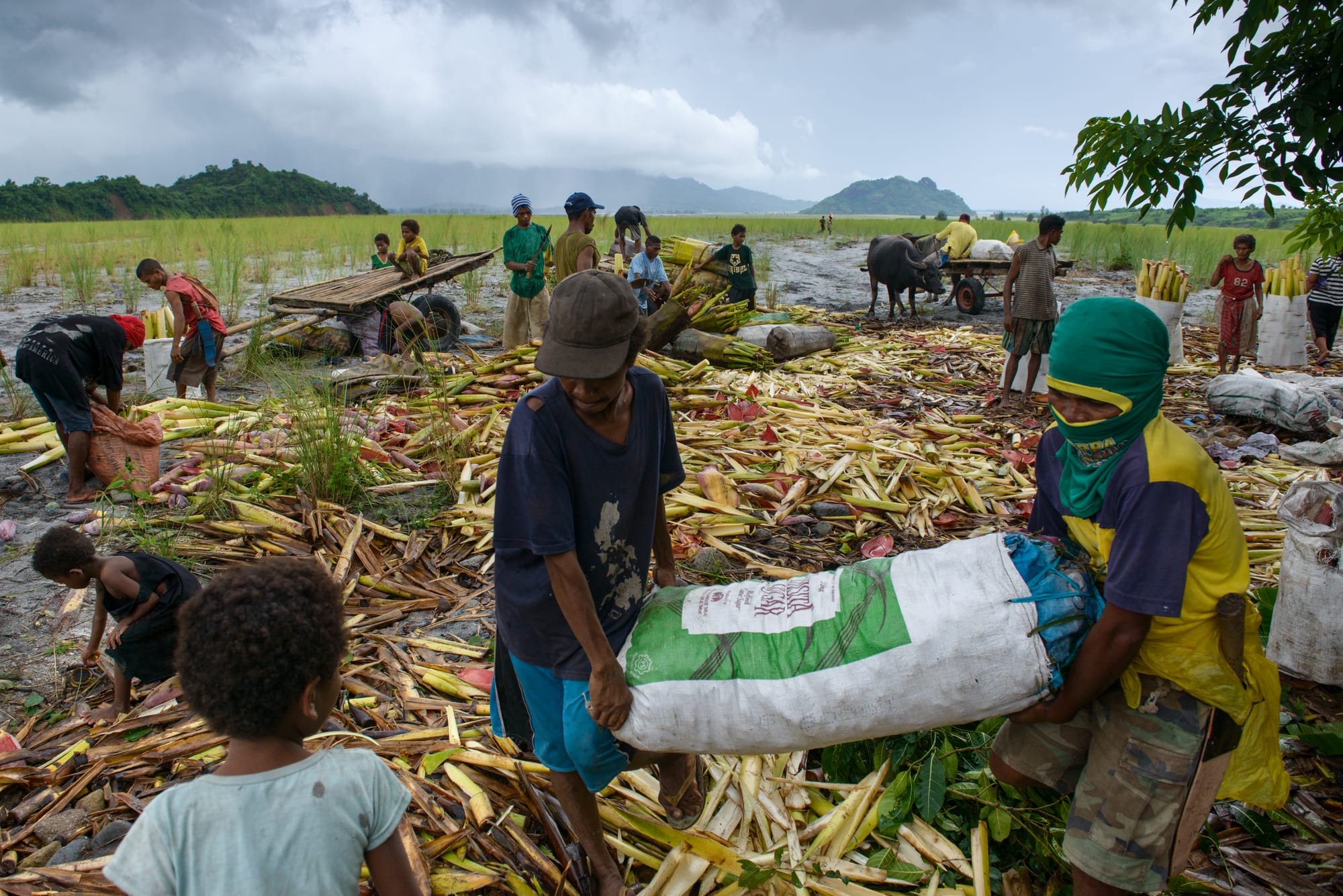
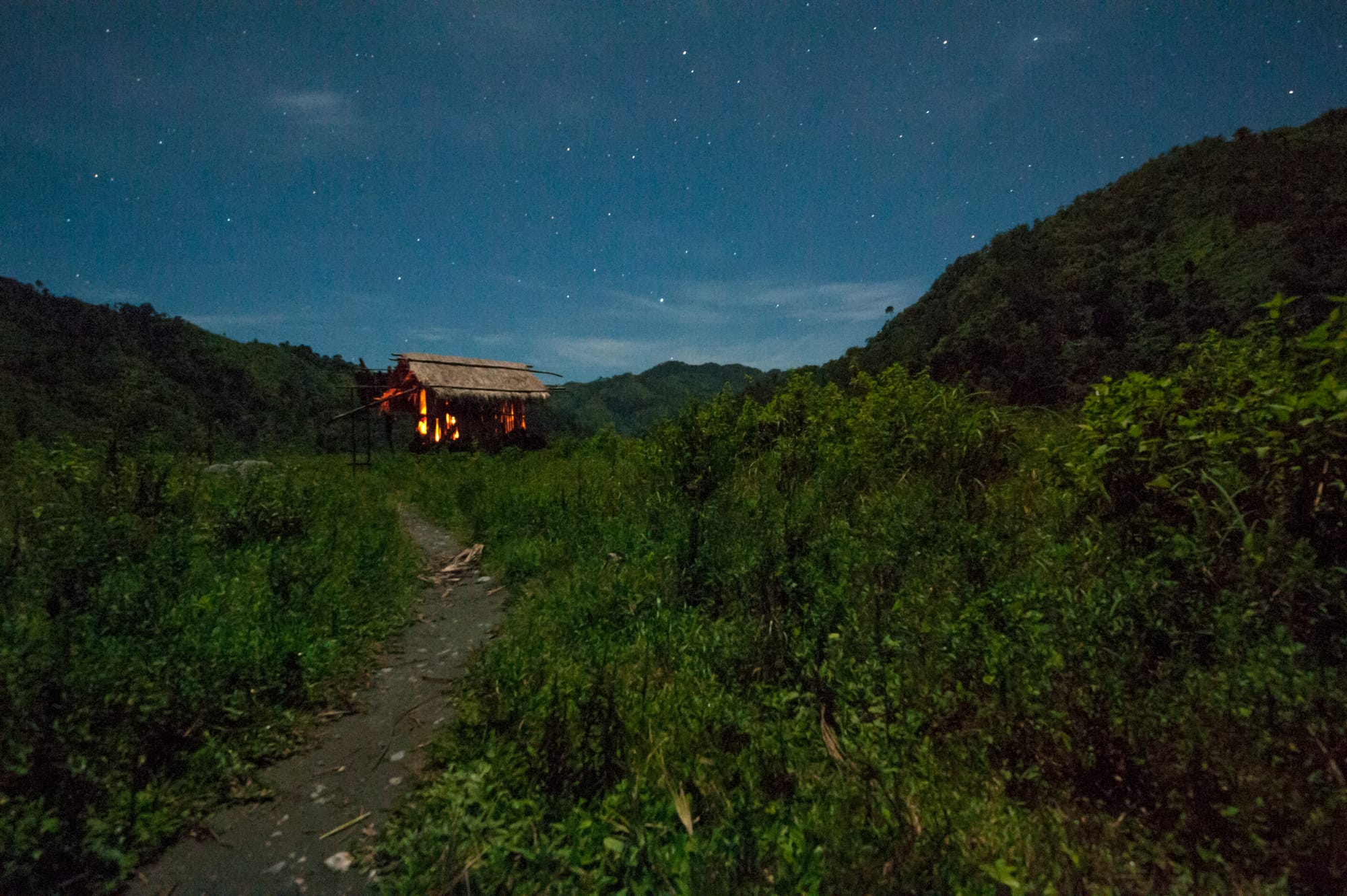
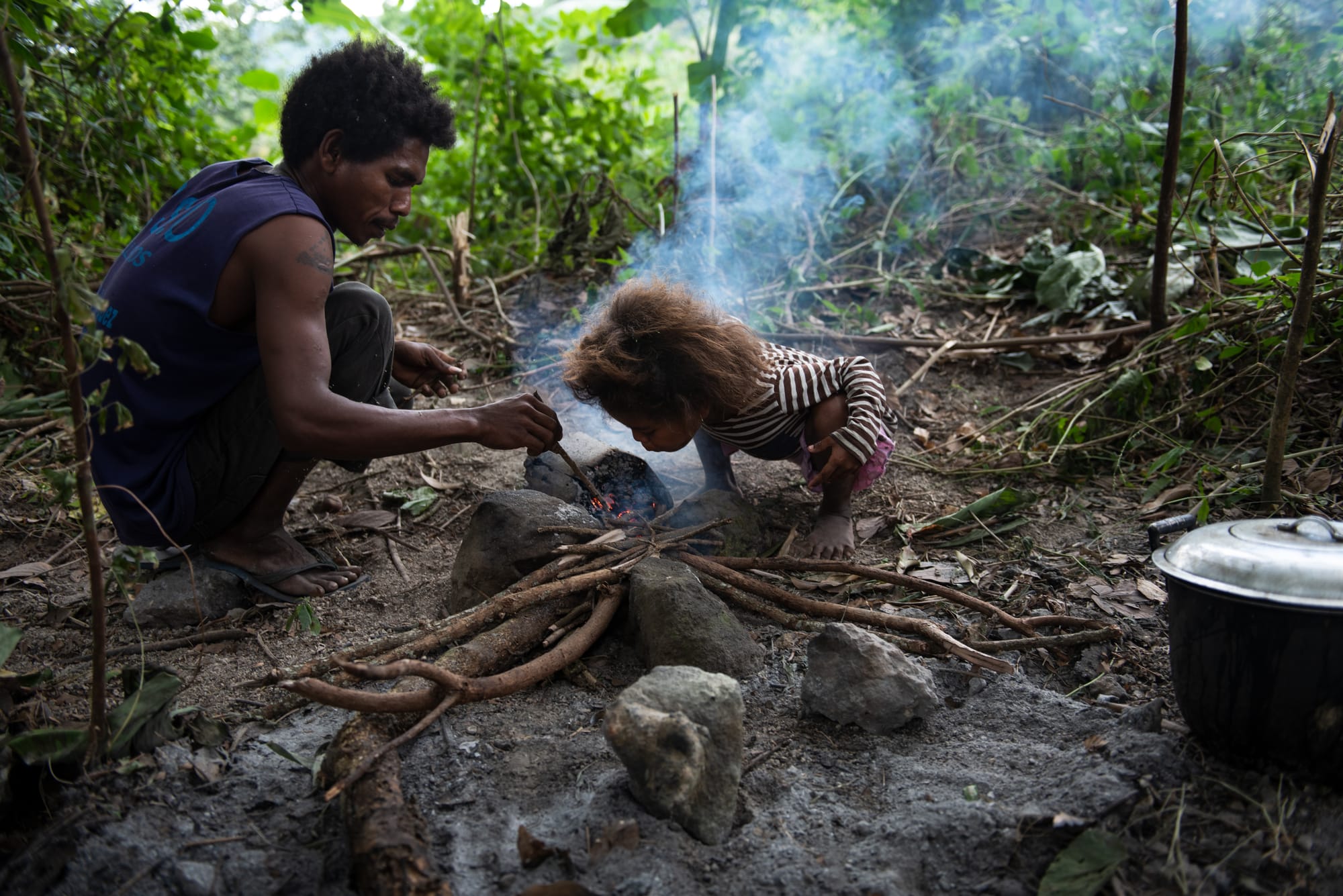
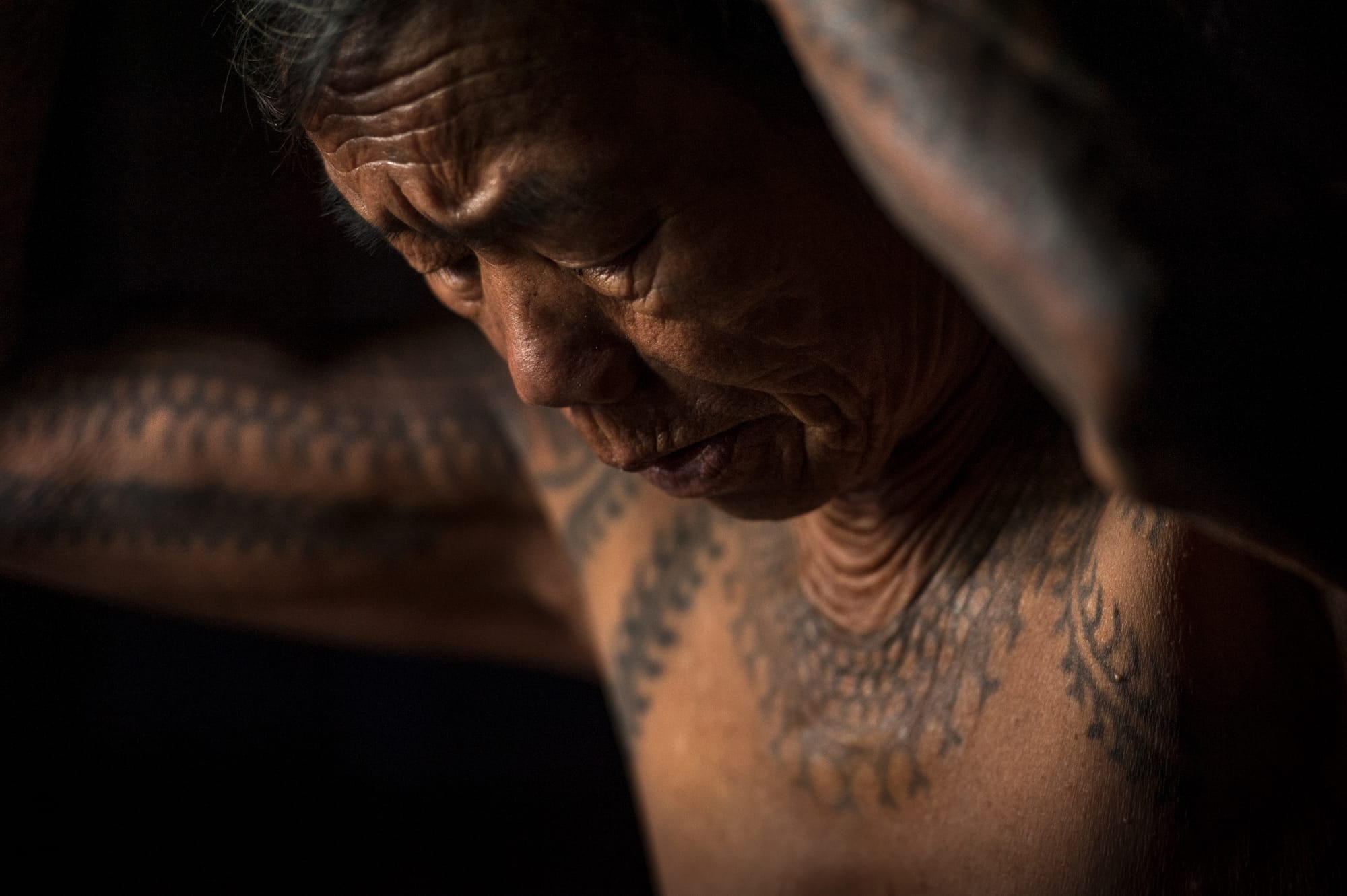
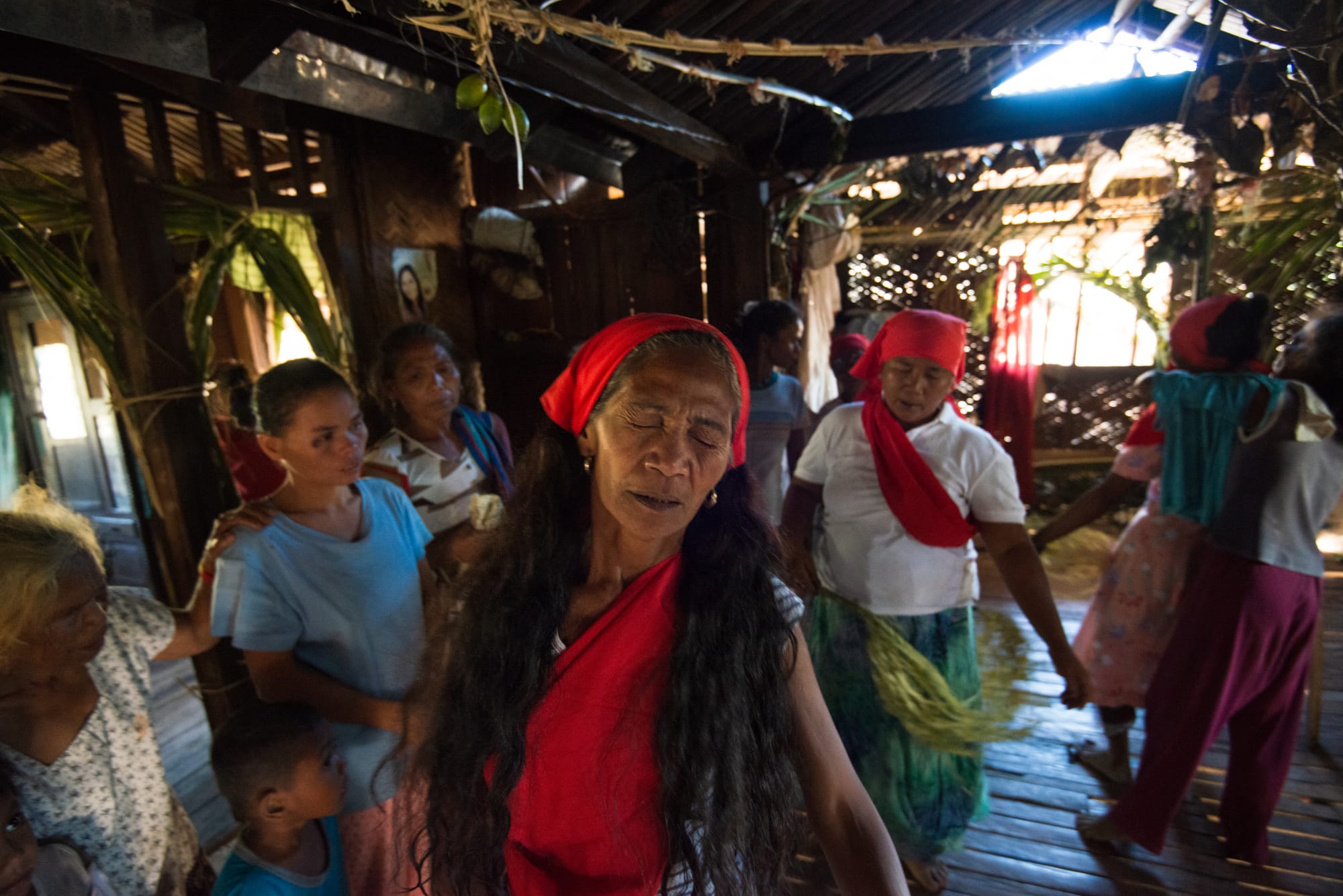
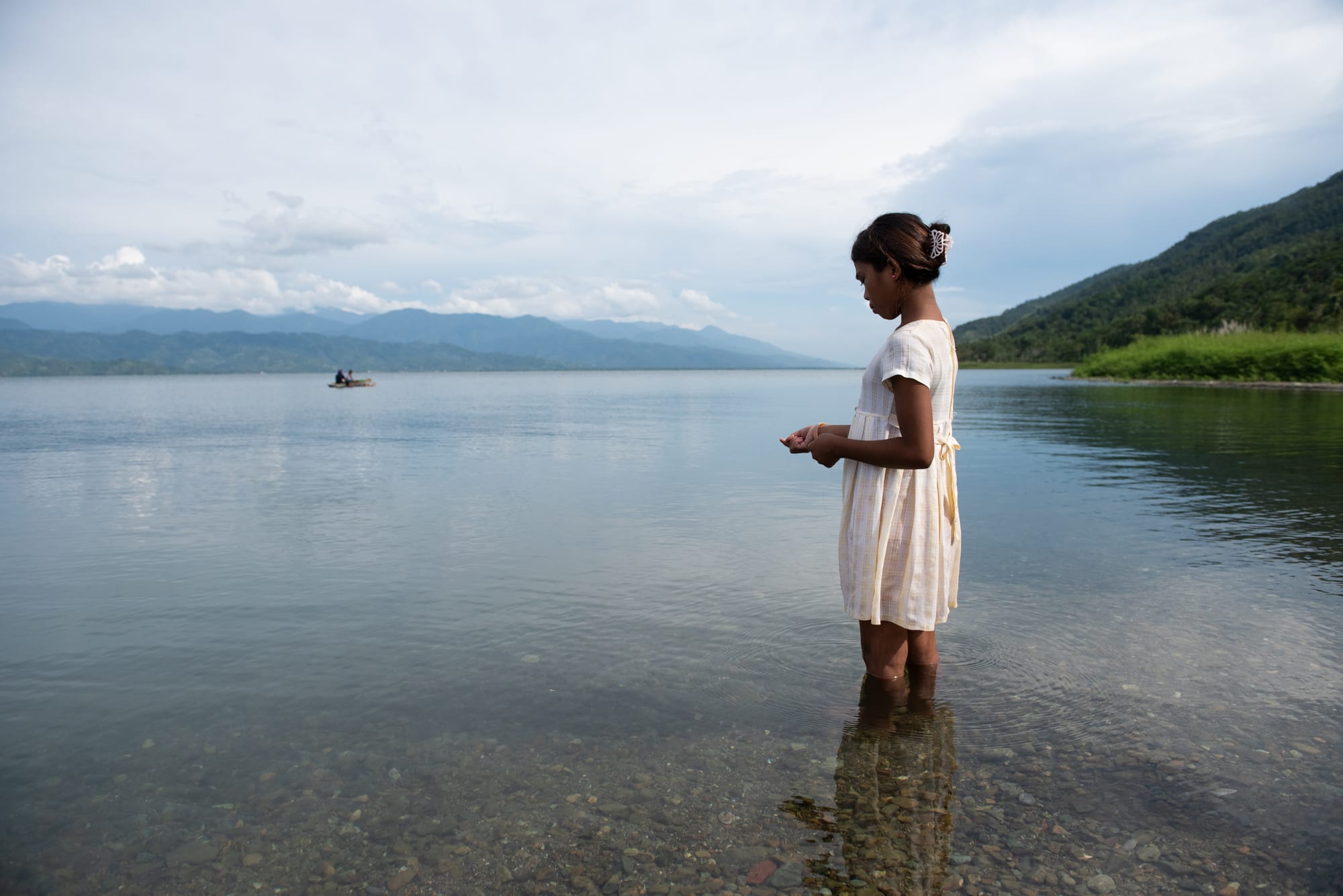
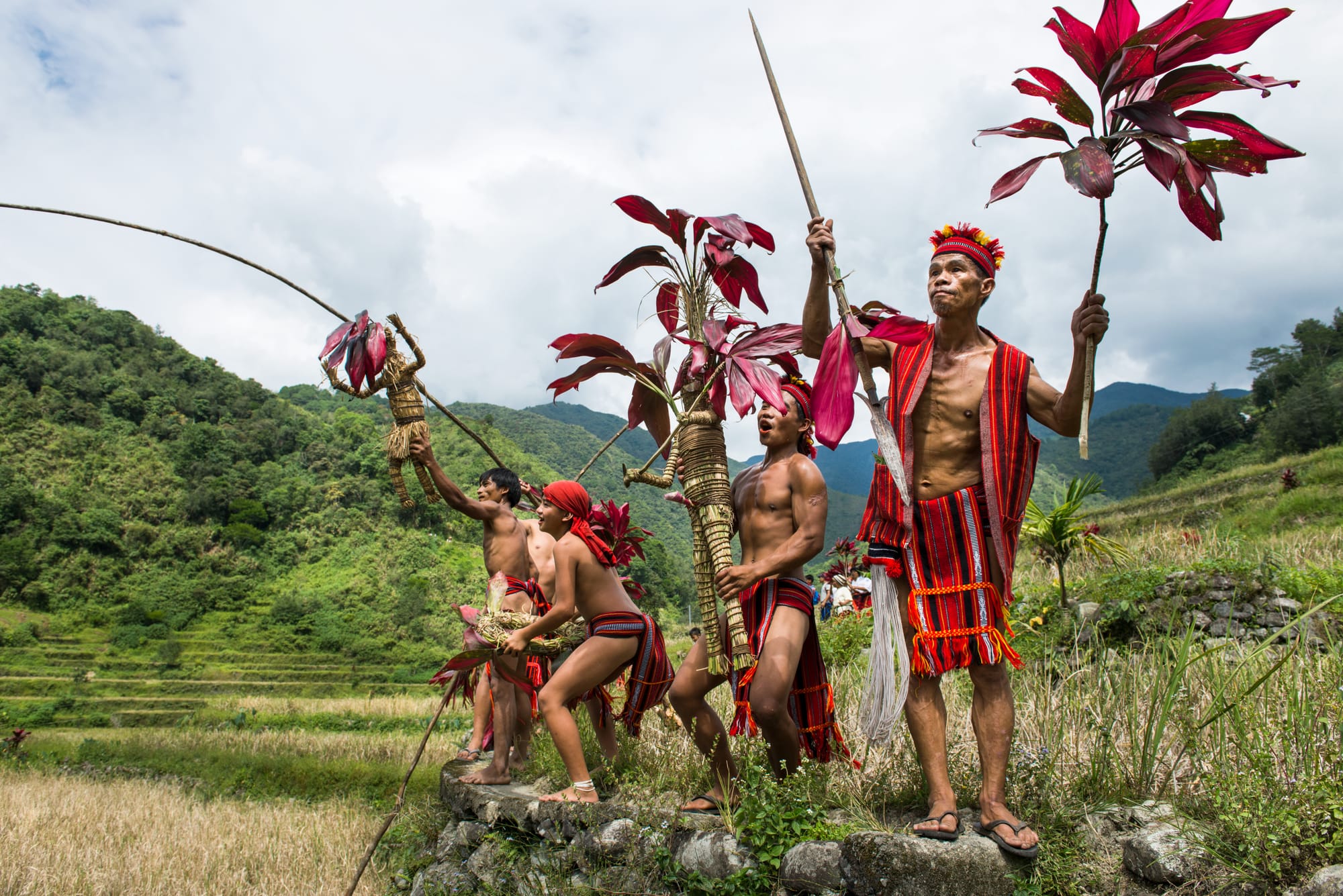
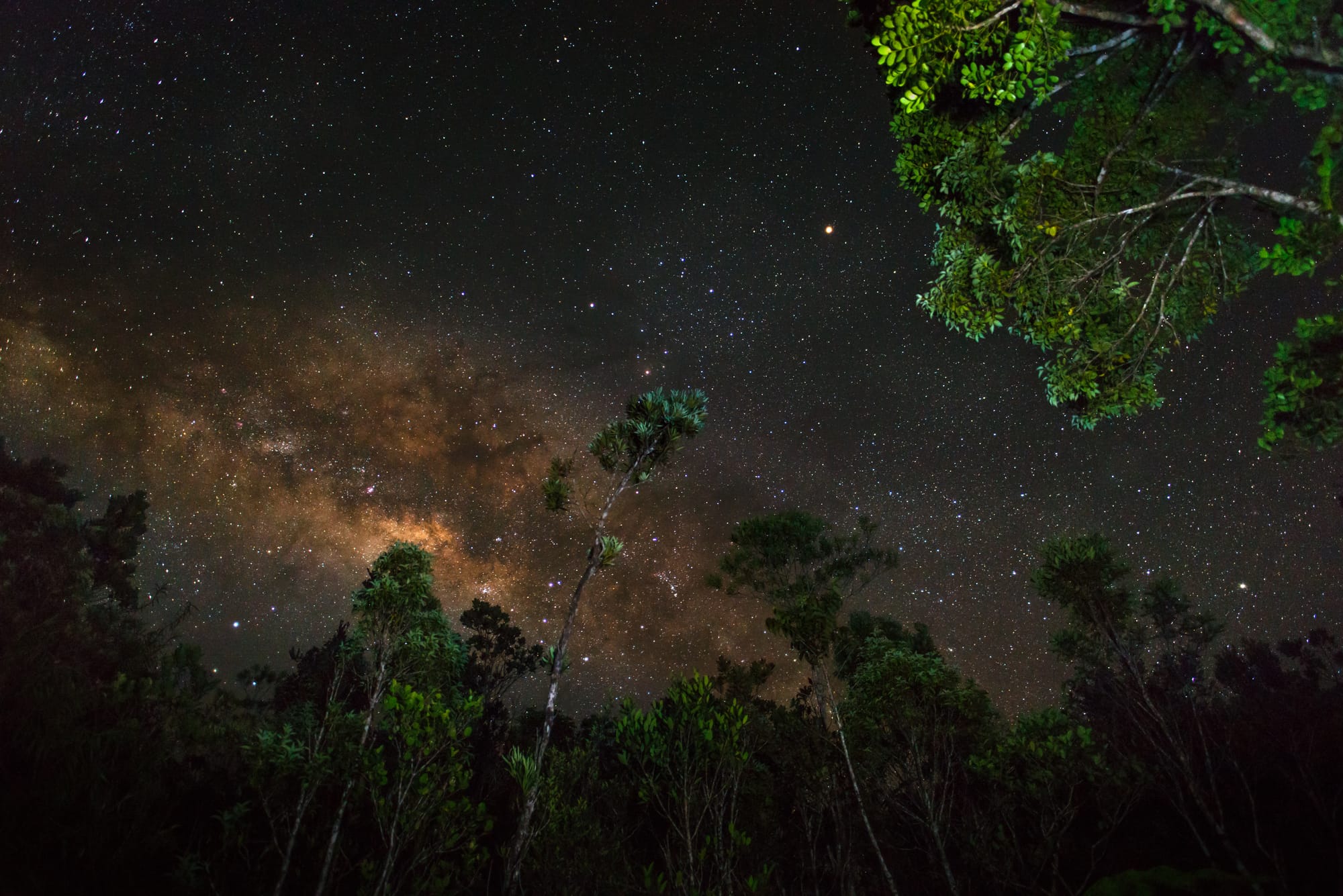
This photographic series is an ode to the enduring presence of Indigenous communities across the Philippine archipelago—people whose identities are inseparable from their ancestral lands, and who continue to shape and protect these territories through memory, ceremony, and care. Spanning nearly a decade of visits and collaborations, Homelands: Where the Land Remembers documents quiet, everyday moments that reflect long-standing relationships with place—stories rooted in generations of lived experience.
Through portraits, land-based rituals, and scenes of daily life, the series explores crossings that are not always visible: the transmission of ancestral knowledge, the inheritance of responsibility, and the intergenerational movement of stories carried across time and terrain. These are not migrations away from identity, but movements within it—guided by place-based belonging, and by the invisible lines that connect people to the land through memory and obligation.
Yet these crossings are also marked by struggle. The communities in these photographs have withstood centuries of displacement, development, and dispossession—yet they remain. They are not vestiges of a fading past, but living stewards of futures rooted in kinship, resistance, and ecological wisdom.
As an outsider-turned-ally, Jacob Maentz approaches these images not as definitive claims, but as fragments gathered in trust—a visual dialogue shaped through time, presence, and reciprocity. In this light, the project becomes a crossing in itself: between worlds, across truths, and toward the urgent remembering of what it means to belong to land.
Author biography
Jacob Maentz (b. 1979) is an American documentary photographer, author, and conservation biologist who has called the Philippines home since 2003. For over a decade, he has immersed himself in the lives of Indigenous communities, using photography to forge connections, honor ancestral narratives, and document stories of resilience. His 2022 book, Homelands, explores indigeneity, tracing the sacred bonds between people and place—an understanding shaped by years of listening to the land’s stories through its stewards.
With a deep awareness of historical power imbalances, Jacob’s work seeks not just to document but to reconcile—acknowledging colonial legacies while fostering dialogue on representation, land rights, and stewardship. His books—World Heritage Sites and Living Cultures of the Philippines, Ifugao: People of the Earth, and Muslim Mindanao and the Sulu Archipelago: A Current of Narratives—embody this ethos, blending ecological insight with cultural reverence. From assignments for the Rights and Resources Initiative and World Wildlife Fund to features in Geographical, GEO, Orion Magazine, and Vogue, his images have reached global audiences, gracing billboards in Times Square and Piccadilly Circus, and in exhibitions such as Archipelagic States at the UN Headquarters.
A Blue Earth Alliance alumnus and 2021 Leica Oskar Barnack Award nominee, Jacob brings an outsider’s humility and an insider’s intimacy after two decades in the Philippines.